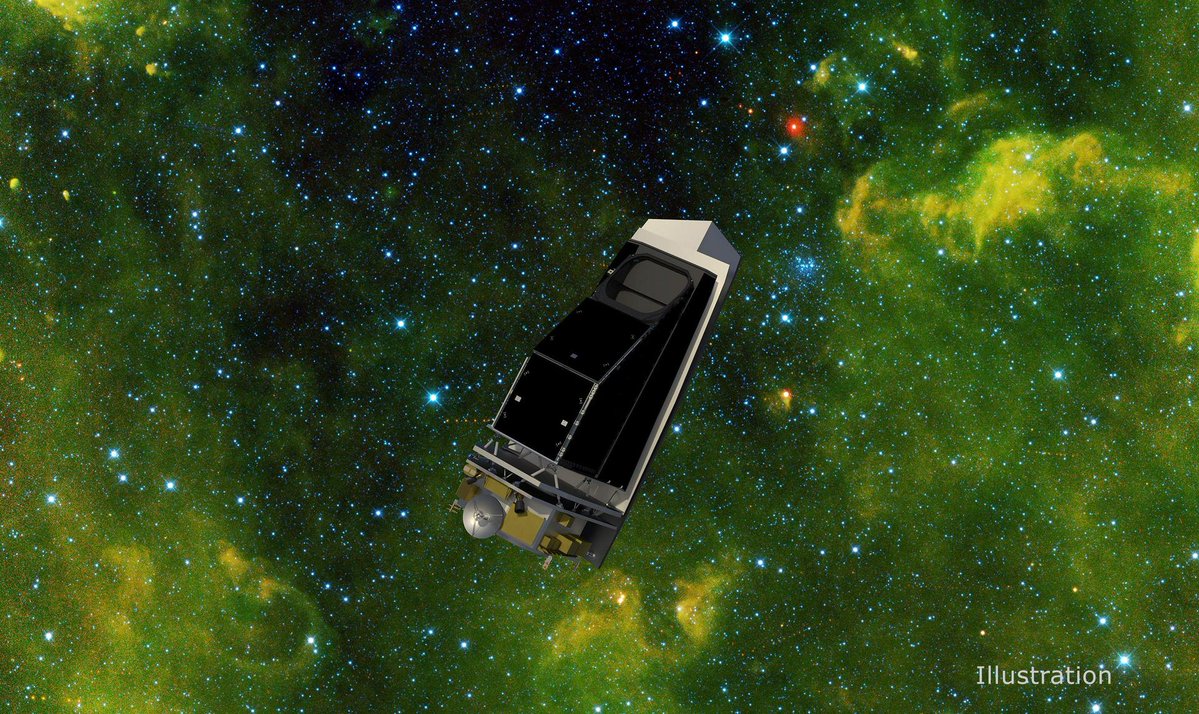
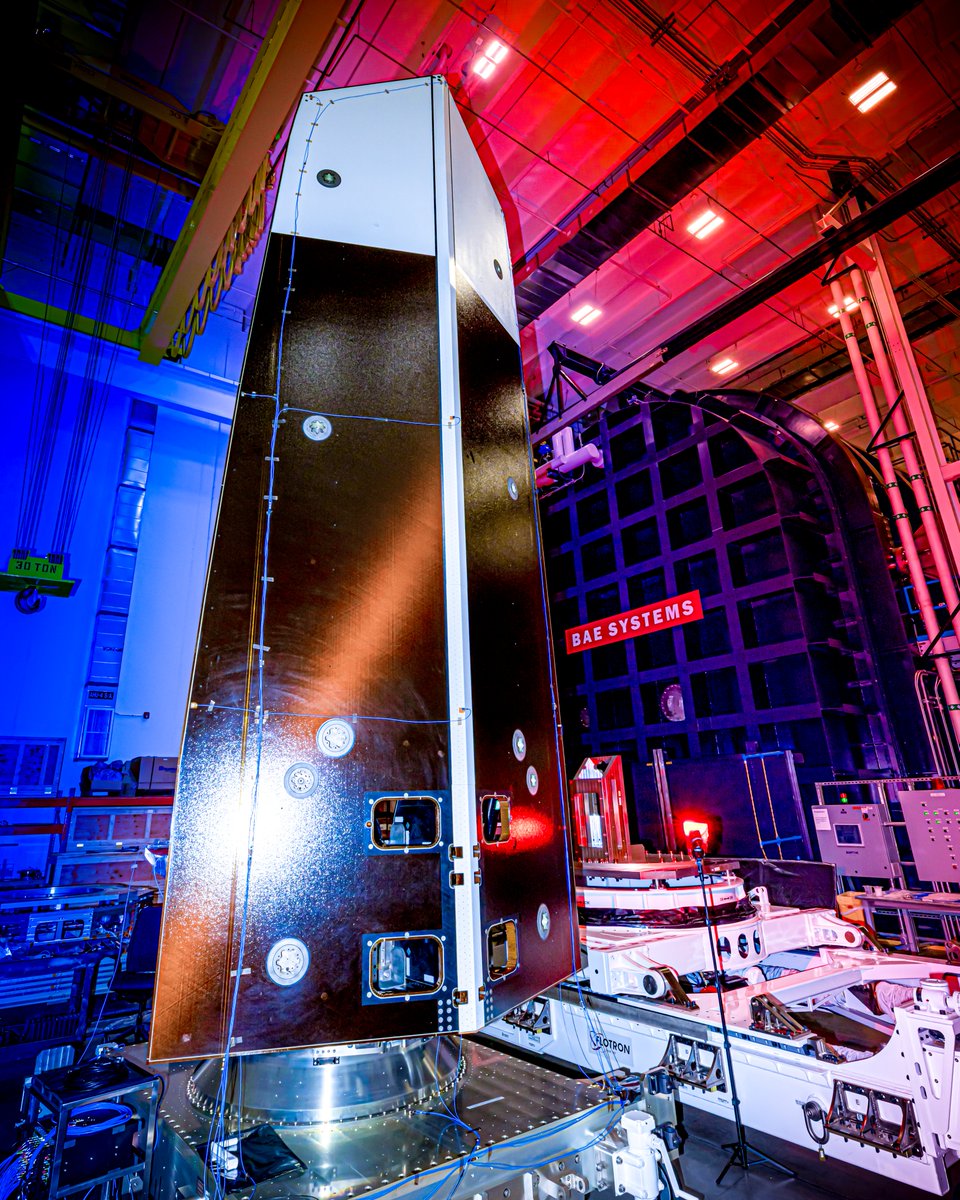
The Near-Earth Object (NEO) Surveyor mission — our future eye on the skies for finding potentially hazardous asteroids — is coming together! The sunshade seen here will protect NEO Surveyor's telescope and sensitive infrared detectors.
https://t.co/2KlMvCcSqQ
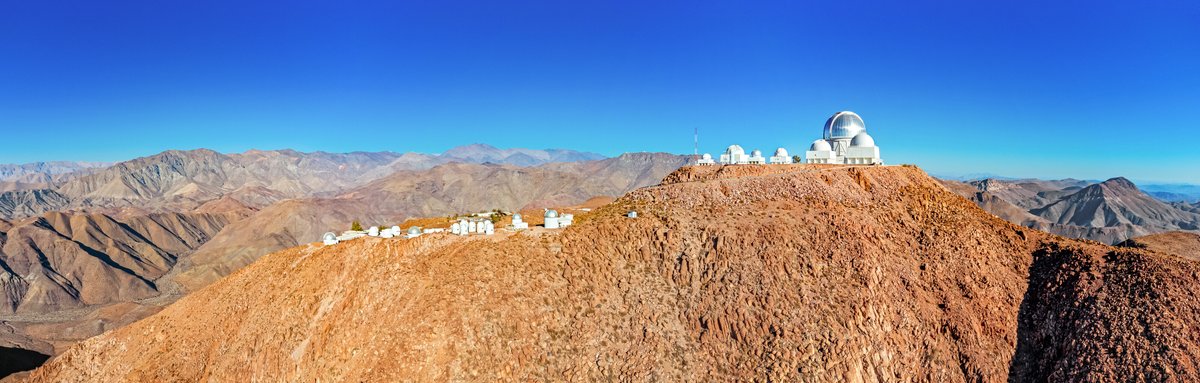
This drone footage was captured at @CerroTololo in Chile, a Program of @NSF@NOIRLabastro. Some of the more prominent telescopes seen here are the Víctor M. Blanco 4-meter Telescope and the SMARTS telescopes.
📷: CTIO/NOIRLab/NSF/AURA/V. Jofré
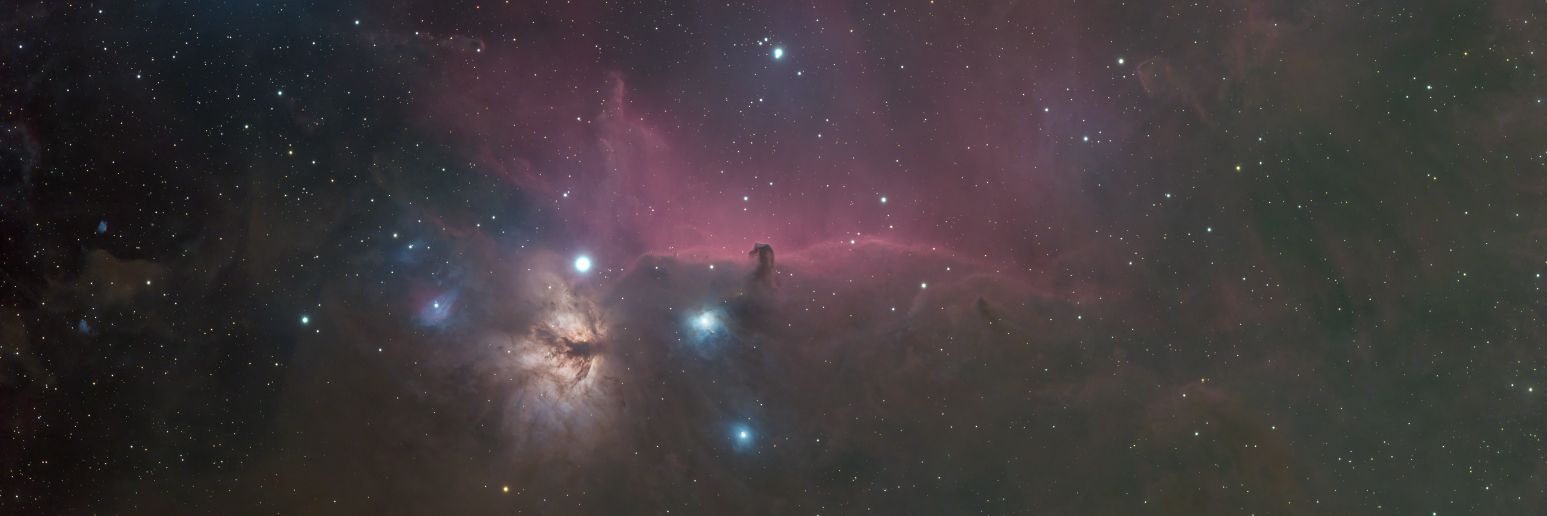
The Flaming Star Nebula! Taken in my backyard with my usual setup. 10 hours of 5 minute exposures, calibrated and processed using PixInsight and RC-Astro. #Astrophotography
Happy Halloween! 👻
Just because our telescopes can’t trick-or-treat, doesn’t mean they can’t wear costumes.
Which one is your favorite? ⬇️
🎵: zero-project (https://t.co/2u2SLzNMNT)
#halloween#trickortreat
The Guardians of the Galaxy look different in this pic 🤨
@cerrotololo has ~40 telescopes, and some protect us from Near-Earth Asteroids. The Planetary Defense 1.3-meter & 1.0 meter Telescope work together to monitor asteroids every night.
📷CTIO/NOIRLab/NSF/AURA/T. Matsopoulos
There's a new interstellar comet in the neighborhood!
Known as 3I/ATLAS, this comet poses no threat to Earth – but it does provide a rare opportunity to study an object that originated outside of our solar system: https://t.co/7ihCiHi91t
Astronomers may have just discovered the third interstellar object passing through the Solar System!
ESA’s Planetary Defenders are observing the object, provisionally known as #A11pl3Z, right now using telescopes around the world.
NASA's Planetary Defense Coordination Office is charged with finding, tracking & characterizing near-Earth objects. Here's what we've found thus far: https://t.co/cAAKvK1216
The Pinwheel Galaxy (M 101)! Located 21 million lightyears away and twice the size of our Milky Way. 1h 30m of 15-minute calibrated exposures, processed with PixInsight and the RC-Astro suite. #Astrophotography
The Sunflower Galaxy! Located 27 million lightyears away, this was an exceedingly difficult target with my current setup, along with this image being taken in the city. This is 1h 30m of calibrated exposures processed with PixInsight and the RC-Astro Suite. #Astrophotography
The Leo Triplet of galaxies! This trio of galaxies is located 30-35 million lightyears away and is located in the constellation Leo. This was 1h 30m of data calibrated, stacked, and processed using Pixinsight and the RC-Astro suite. #Galaxies#Astrophotography#Space#Astronomy
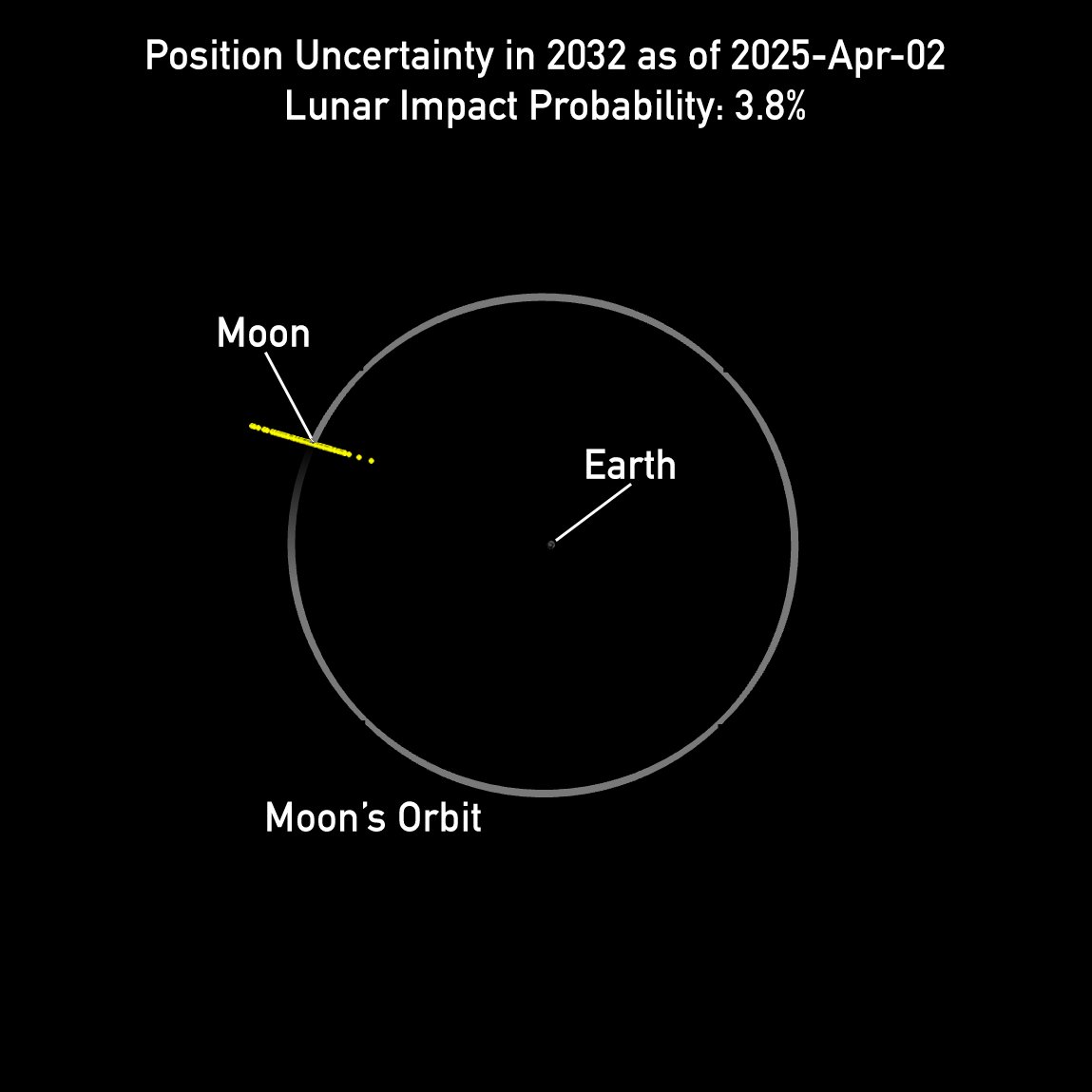
Thanks to @NASAWebb, we have more information about asteroid 2024 YR4. It's about the size of a 10-story building.
Based on data from Webb and ground-based telescopes, the asteroid also has a nearly 4% chance of impacting the Moon in 2032.
https://t.co/RbnUfekufX
The Orion Nebula! Taken last night at the Northern Sky Astronomical Society family astronomy night. 1hr 20min of 5 minute exposures imaged (and cropped) with my setup and processed with PixInsight and the RC Astro suite.
The impact probability of asteroid 2024 YR4 has dropped to 0.004%. It's expected to safely pass Earth in 2032.
Read the full update: https://t.co/wirnWv6FYE
Observations made on Feb. 19 – 20 of asteroid 2024 YR4 have further decreased its chance of Earth impact on Dec. 22, 2032, to 0.28%. NASA’s planetary defense teams will continue to monitor the asteroid to improve predictions of its trajectory.
More: https://t.co/h3KfDYcQoa
New observations of 2024 YR4 have enabled planetary defense experts to refine the asteroid's chance of impact in 2032. As nightly observations continue, the impact probability will continue to be updated.
Learn more: https://t.co/h3KfDYcQoa
The probability that asteroid 2024 YR4 might impact Earth in 2032 has risen to 2.8%.
This means that it has surpassed the chance of impact briefly held by the much larger asteroid Apophis back in 2004.
Learn more about why the impact probability is increasing and why it could quickly drop to 0 as we improve our understanding of the asteroid’s orbit ➡️ https://t.co/UFGZgCgJwd
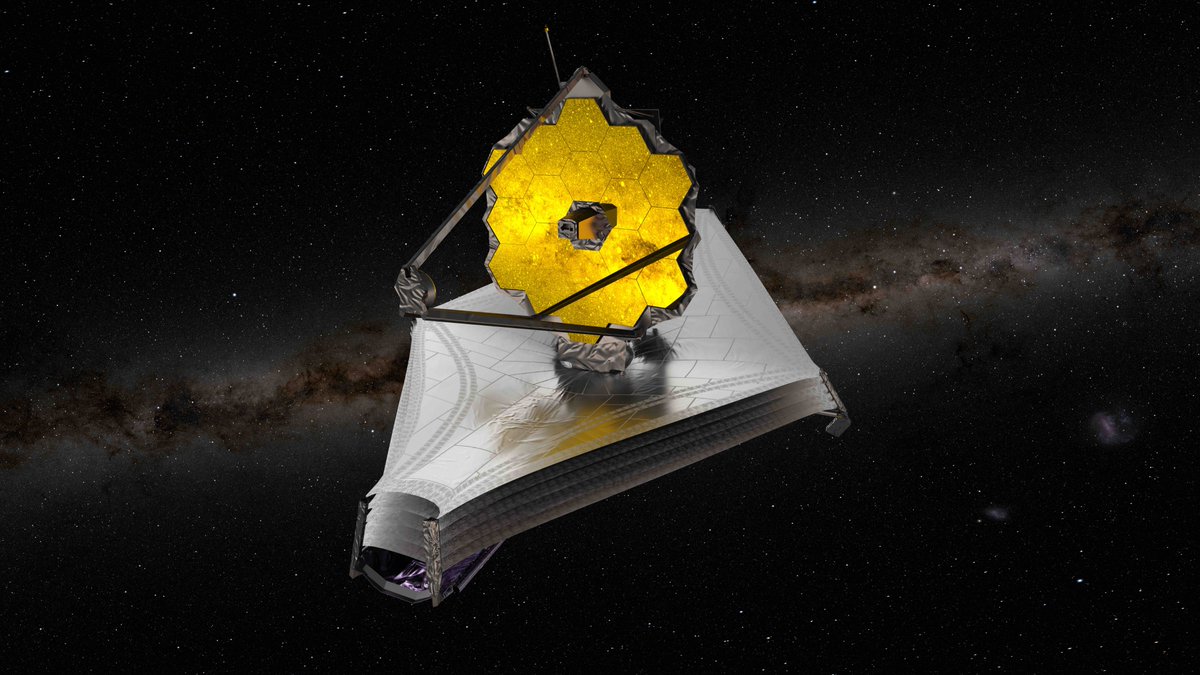
Astronomers will turn @ESA_Webb towards asteroid 2024 YR4 next month. The most powerful telescope ever launched into space will provide a more accurate estimate of the size of the asteroid, which has a very small chance of impacting Earth in 2032.
https://t.co/ZhciP6W1wr
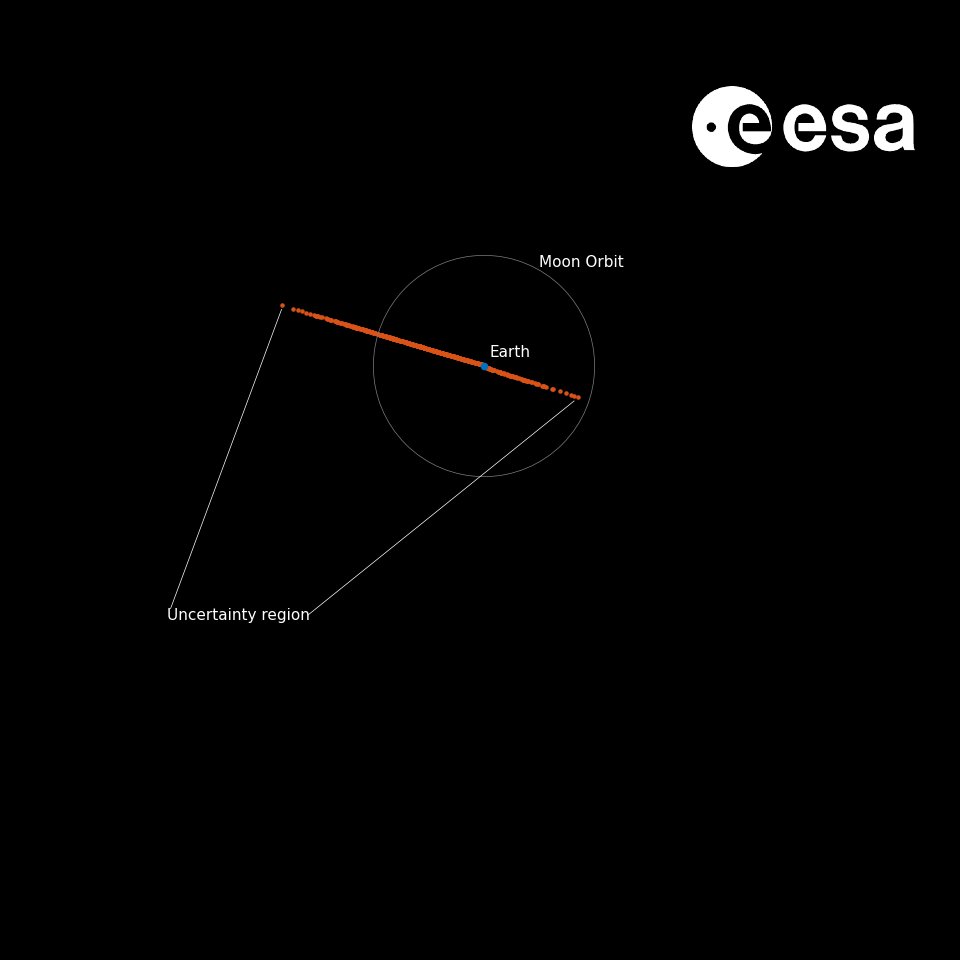
ESA is closely monitoring the recently discovered asteroid #2024YR4. The asteroid has an almost 99% chance of safely passing Earth in 2032, but a possible impact cannot yet be entirely ruled out. 2024 YR4 is estimated to be between 40 m and 100 m wide.
https://t.co/Ab8G1WH2Wp