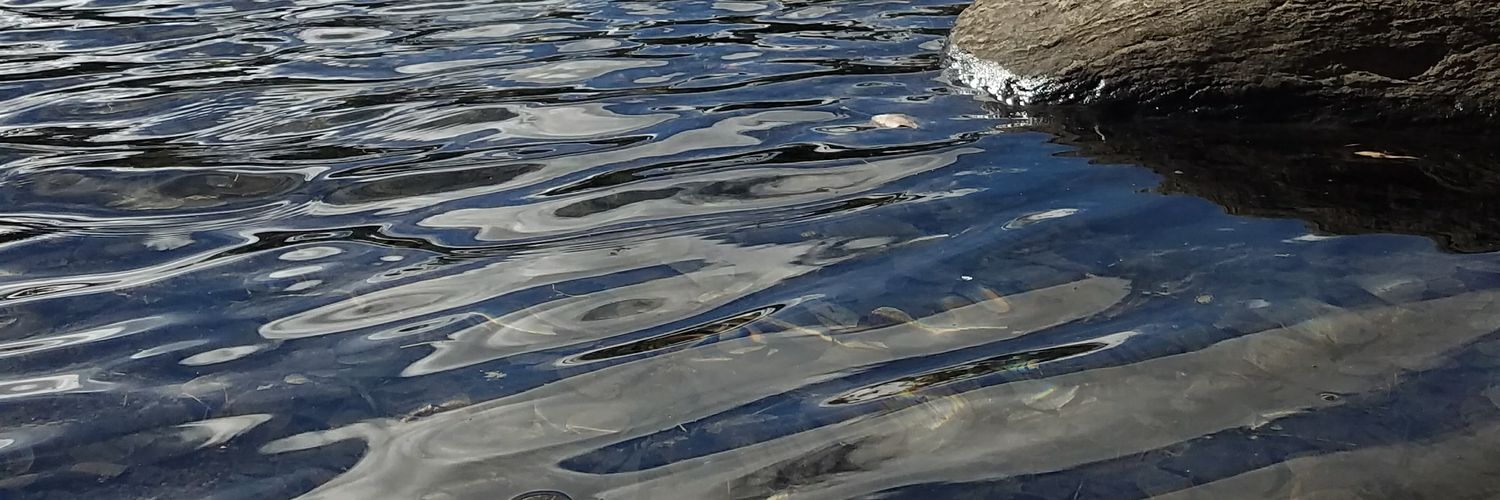
👀Before and after satellite imagery from @ESA_EO shows the unimaginable destruction left in the wake of the flooding in #Spain (which is still ongoing). It's as if a lake formed where there was normally dry land. (Credit: USGS, processed by ESA) @CNN
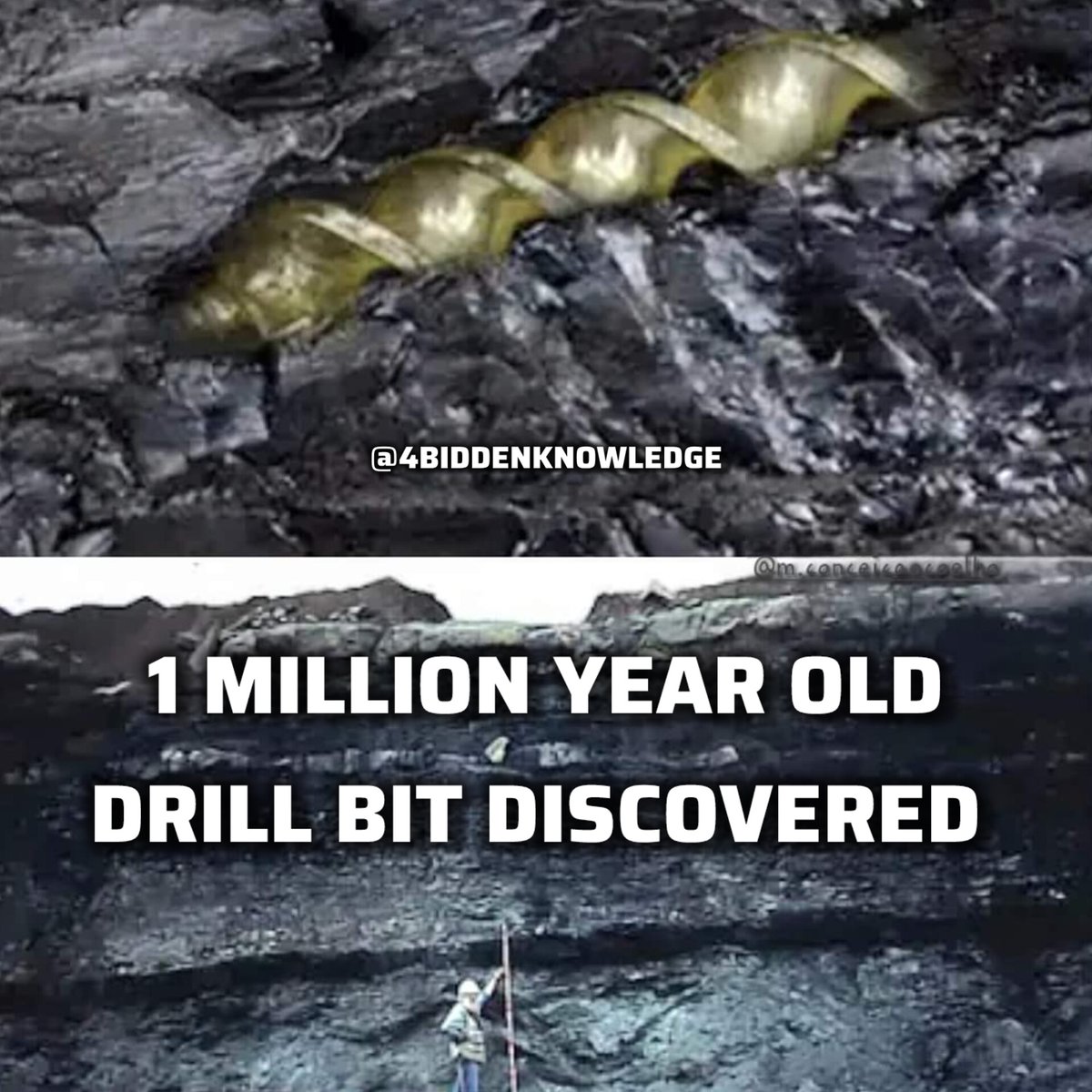
This artifact, an iron tool, was discovered within a coal seam ensconced in a layer of clay over two meters thick, presenting a conundrum to the scientific community about its origin and age. John Buchanan reported his find to the Scottish Society of Antiquaries on Dec 13th, 1852, where it was examined and debated extensively. The proposed age is over 1 million yrs based on the age of the coal it was embedded in. Billy Carson
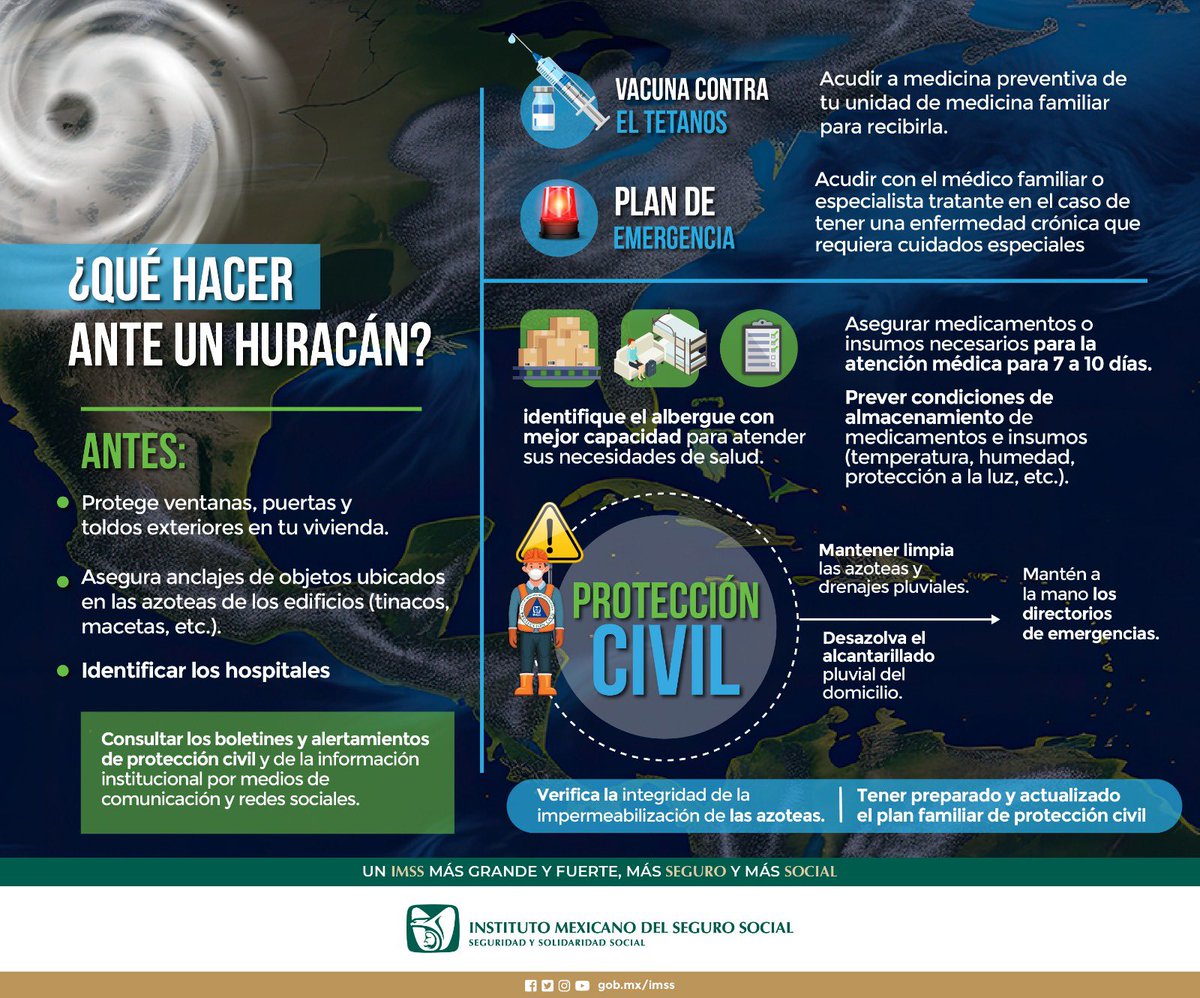
🌀🌧️¡Mantente alerta durante la temporada de huracanes!
Infórmate sobre cómo proteger a tu familia y tu hogar, sigue las recomendaciones esenciales de Protección Civil y consulta las actualizaciones y alertamientos de las autoridades.
#HuracánBeryl
A reconstruction of the inner heliosphere for the last 18 months and 926 coronal mass ejections.
This is a new method: The ambient solar wind at the inner boundary is produced from the near-Earth observations. The CMEs are still determined by coronagraph observations.
Over half of our 4,000 known native bees employ “buzz pollination,” a special technique to extract pollen from flowers by vibrating at a specific frequency!
Image of a metallic green sweatbee, one of the smallest bees that are capable of buzz pollination.
📷Tom Koerner/USFWS
Check out how quickly it got dark in Houston, Texas from the intense supercell moments ago!
Power flashes were also visible.
Camera is from the ABC13 SkyCam.
#txwx
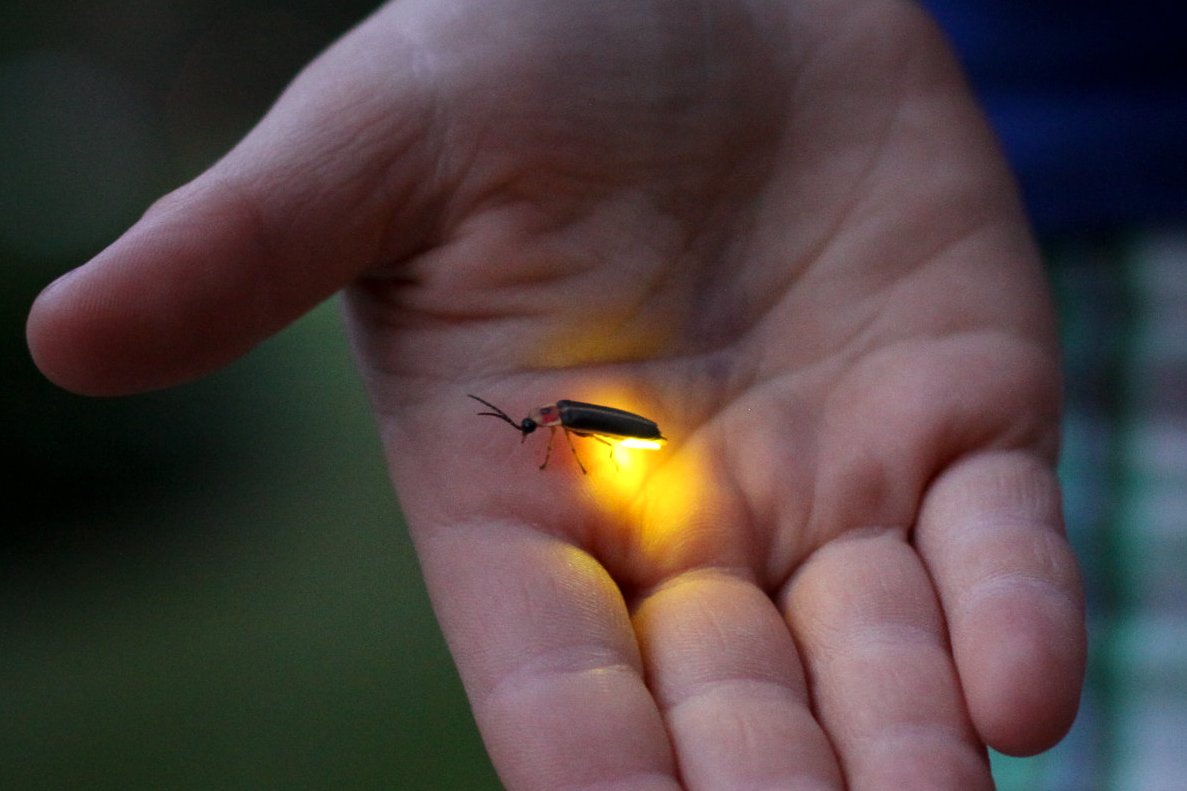
Where did all the fireflies glow?
We hear it in our comments - hey, why don't I see that many lightning bugs anymore? The simple answer is, because there aren't as many as there used to be. But why? Before we answer that, you need to know how this beetle starts out life. 🧵
"Eruption alley" has rotated around with AR3664. But as Earth gets out of the direct firing line, a new space-weather hazard presents itself. AR3664 is now close to the Earth-connected magnetic field line (white line), channelling any relativistic solar protons our way.
This video features a spectacular global coronal wave, the lower part of a shock wave driven by the fast halo CME. This event was also associated with an X5.8 flare from AR 13664, the second largest flare in solar cycle 25. The proton event had a quick rise and a hard spectrum.
Midst among the excitement of the very first Extreme G5 geomagnetic storm since 2003, sunspot region 3664 continued doing what is is best at: producing major solar flares. It produced it's strongest solar flare thus far and the second strong solar flare of the current Solar Cycle. An X5.8 solar flare that peaked at 01:23 UTC. Yet another asymmetrical full halo coronal mass ejection was launched with a likely earth-directed component. We're in for a couple of more days with stormy space weather!
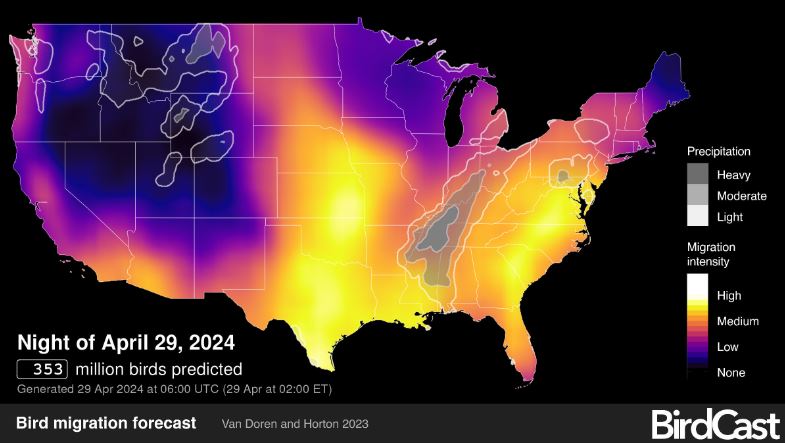
We are reaching peak bird migration in many parts of the United States. Remember to dim your lights for birds at night so that they can safely travel without becoming disoriented. 🧵
Welp, Yukon Delta NWR is getting louder! The refuge supports one of the world's largest water bird gatherings anually. 1M ducks, around 40K loons, 40K grebes, 100K swans, 30K cranes, (and more!) return each spring.
📹 Lisa Hupp/USFWS
Audio-Described: https://t.co/ONm9mVspnr