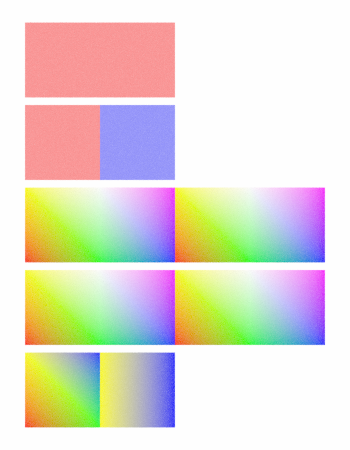
Here is a new blog post of mine, where I dive deep into the theory and math behind ReSTIR GI.
Big thanks to @nmkettunen for verifying the theory, reviewing the article, and catching a key detail I had missed.
https://t.co/6c17ODueQL
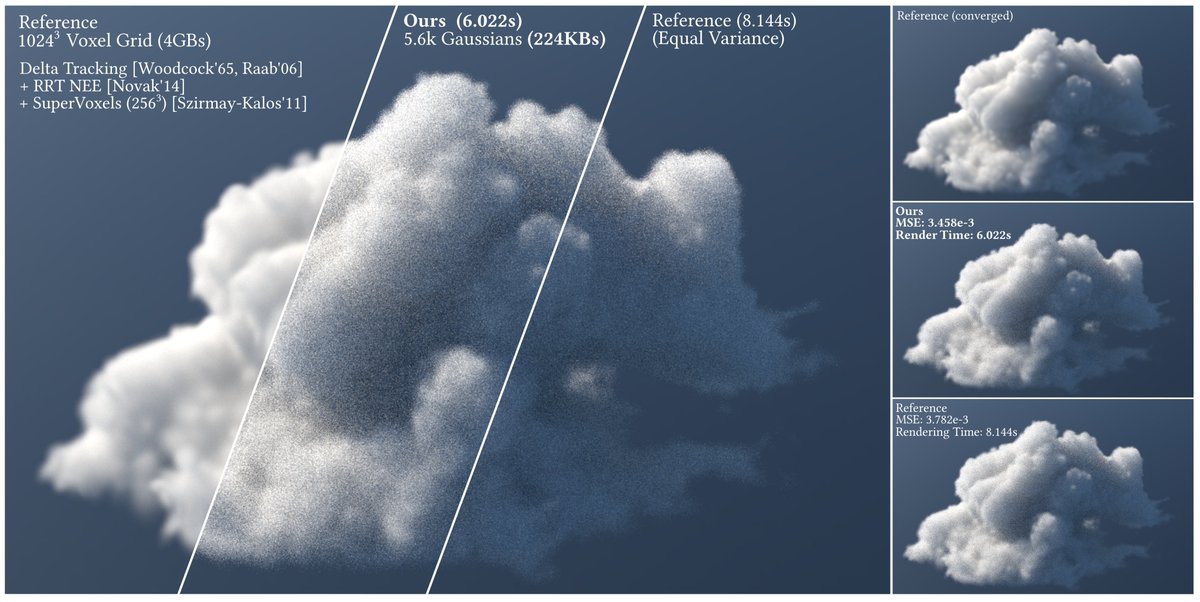
I'm very happy to announce that our paper "Don't Splat your Gaussians: Volumetric Primitives for Rendering Scattering and Emissive Media" (https://t.co/l6rZvPiCcS) was finally accepted to ACM Transactions on Graphics last month! We will present it at SIGGRAPH 2025
🧵🧵🧵 (1/11)
Juliette Talbot showed us how to create a lifelike baby seal with impressive fur, covering techniques for organizing hair clumps and adding realistic features like sand.
Read the interview: https://t.co/sC6ZhZrS2M
#grooming#characterart#3dmodeling
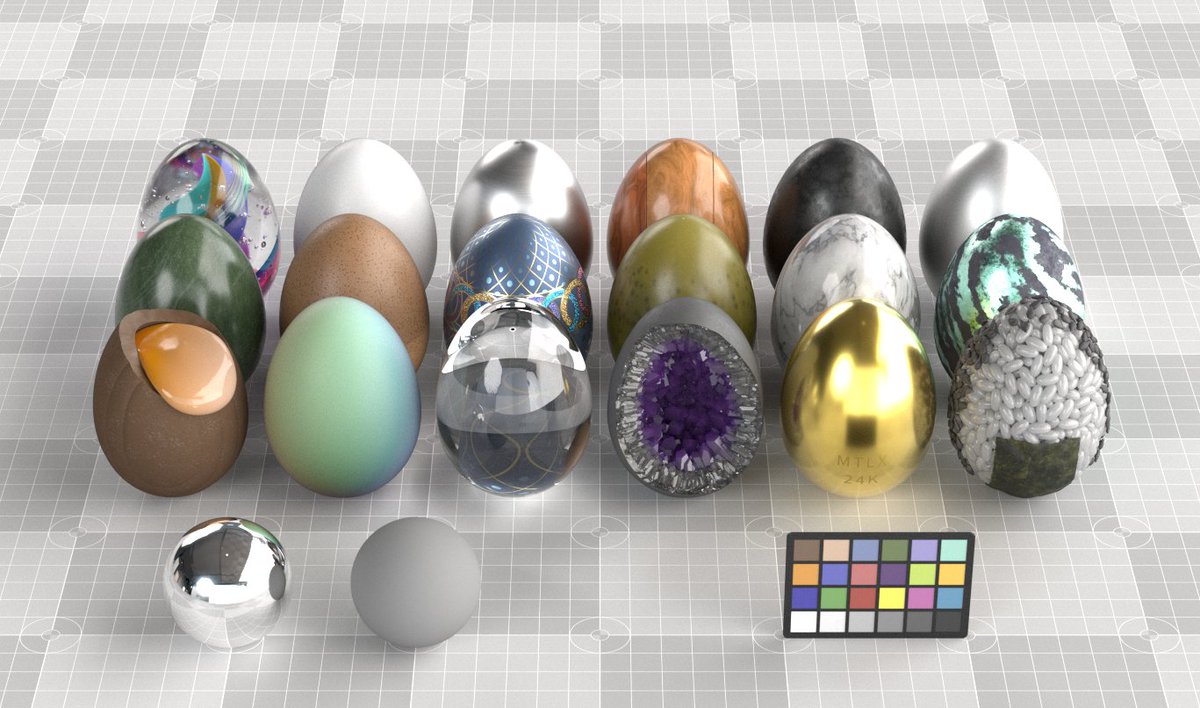
Furthermore implemented #MaterialX geompropvalues (MDL scene data), and GeomSubsets. This required quite some code rewriting, as I now store a copy of the CPU geometry data in the renderer itself. Here’s a render of stehrani3d’s MaterialEggs which make use of these features (2/4)
Made good progress with gatling lately, and one of the new features is graphical tests. They primarily run on GitHub Actions using Mesa lavapipe (supports ray tracing). Thresholds are specified as USD render settings, diff images are uploaded as artifacts (1/4)
.@Dreamworks Animation has released MoonRay 1.7, the latest version of its open-source in-house production renderer, introducing a new PortalLight type, improvements to the XPU mode, and more.
Details: https://t.co/OyBL08eWGO
#MoonRay#rendering#3D#3dart#digitalart
Apple now includes high-quality USDZ files of their products on their product pages. Since they're normal USDZ files, you can just grab them and throw them into any renderer for some fun. Here's the Pro Display XDR model rendered using @pixarsrenderman:
https://t.co/wY1SUsQqZu
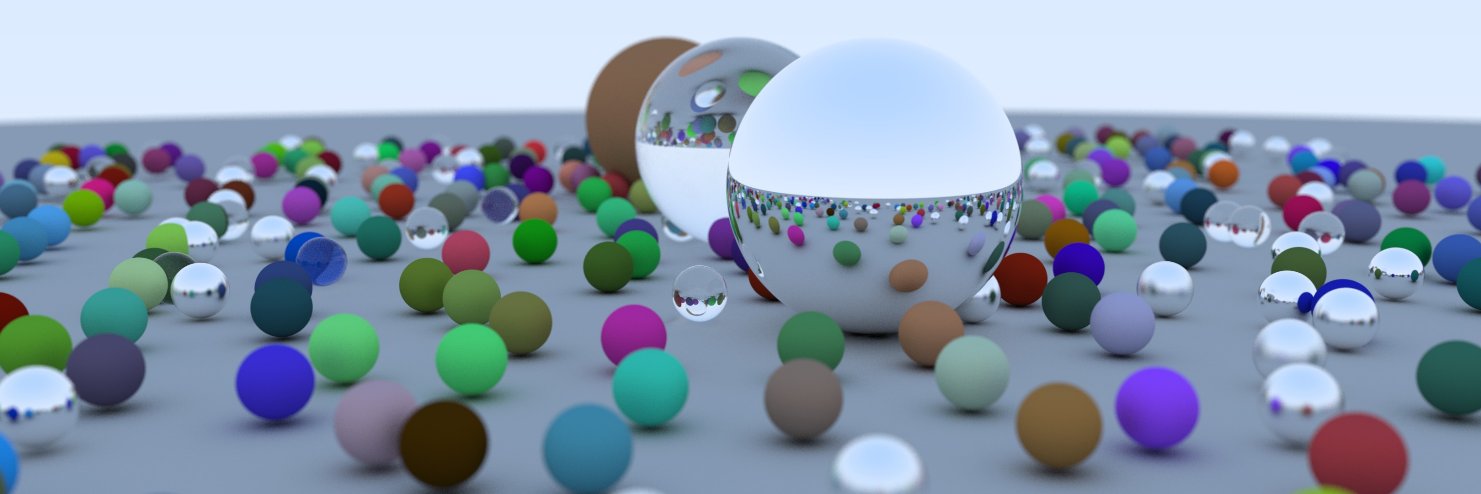
First prototype of visualizing rays. Fairly simple implementaton: store rays in UAV, then do ray-cylinder intersections in a CS.
First bounce is green, second yellow, red for the rest. Shows how dumb my tracer is with very little importance sampling, but it's fun to watch!
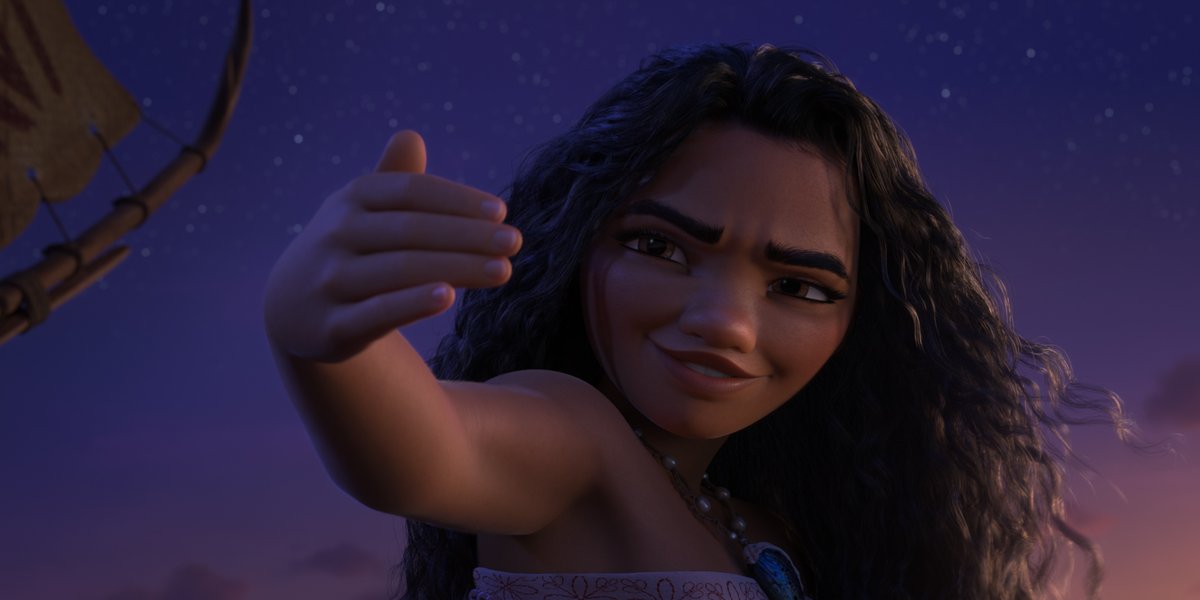
The first Moana was my first credit at Disney Animation, so working on Moana 2 was a cool opportunity to revisit/reflect over how much I've learned and worked on over the past decade. Here's a short blog post with some thoughts from working on Moana 2:
https://t.co/UIRZbdf9az
.@Yokohara_h put a digital replica of the entire Tokyo in @Blender, using the free point-cloud file released by the Tokyo Metropolitan Government.
Download it here: https://t.co/KD9HHpjKdn
#b3d#blender3d#blender#pointcloud
Meet @rapidpipeline – a platform built for 3D Tech Artists to automate and simplify tedious data prep tasks. Trusted by companies like Adobe, Shopify, and Adidas, it has powered the creation of over 4.5 million 3D models.
Explore their latest features for free: https://t.co/PQtx0ZFvRb
#3d #3dart #techart #3dcg #3dsoftware #sponsored #ad
#Autodesk has open-sourced #USD for #3dsMax plug-in, enabling users to build it with the specific version of USD required in their pipeline and customize the import and export processes.
Details: https://t.co/j3fshCbqub
#openusd#3dmodeling#3danimation#archviz
Khronos Group announces the release of the glTF Sample Viewer version 1.1! In this blog, members from UX3D explore the new features and share insights on how it is easier to integrate Sample Viewer into web applications.
https://t.co/wh3h4IrsyO
#gltf
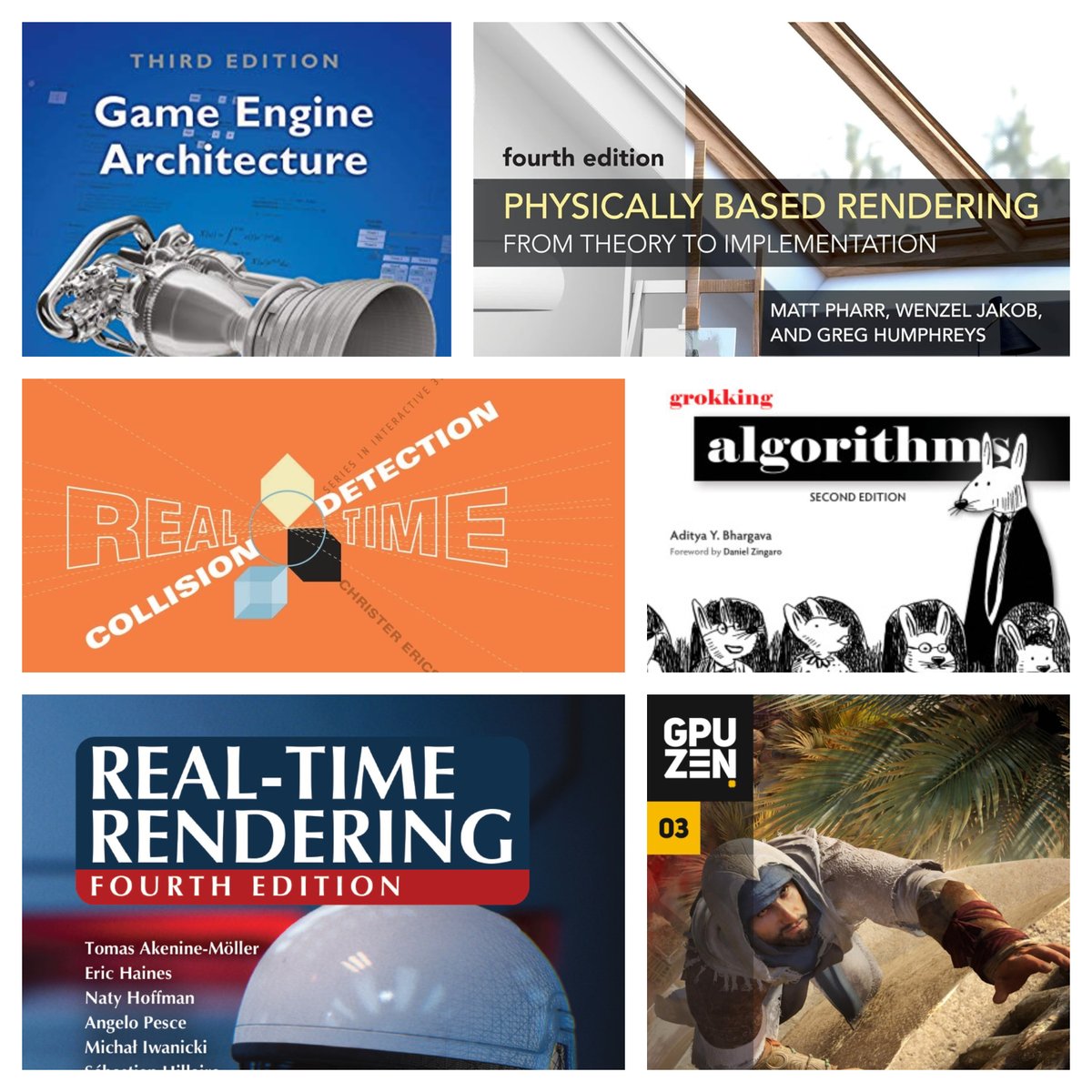
I often get asked about my book recommendations for graphics programming and game development. I updated my old list and made it easier to find on my website. With Black Friday/Cyber Monday, many are on sale right now (at least in Canada/US)
https://t.co/BKCIhKV0Iw
So @DisneyAnimation has this awesome page that describes at a high level how we make our movies, and now that Moana 2 is out in theaters today, the page has been updated with Moana 2 stuff. Check it out!
https://t.co/Se9wqm1Zqi