Cloudflare's security team spent the last few weeks testing Anthropic's Mythos against fifty of our own repositories. What we learned about offensive AI, why faster patching is the wrong reaction, and what the architecture around vulnerabilities has to look like next. https://t.co/RSrRtIhgaV
How Anthropic’s product team moves faster than anyone else
I sat down with @_catwu, Head of Product for Claude Code at @AnthropicAI, to get a peek into their unprecedented shipping pace, how AI is changing the PM role, and how to be the right amount of AGI-pilled.
We discuss:
🔸 How Anthropic’s shipping cadence went from months to weeks to days
🔸 The emerging skills PMs need to develop right now
🔸 Why you should build products that don't work yet—then wait for the model to catch up
🔸 Why a 95% automation isn't really an automation
🔸 Cat’s most underrated AI skill (introspection)
🔸 What Cat actually looks for when hiring PMs now (hint: it's not traditional PM skills)
Listen now 👇
https://t.co/uymmT55Nq6
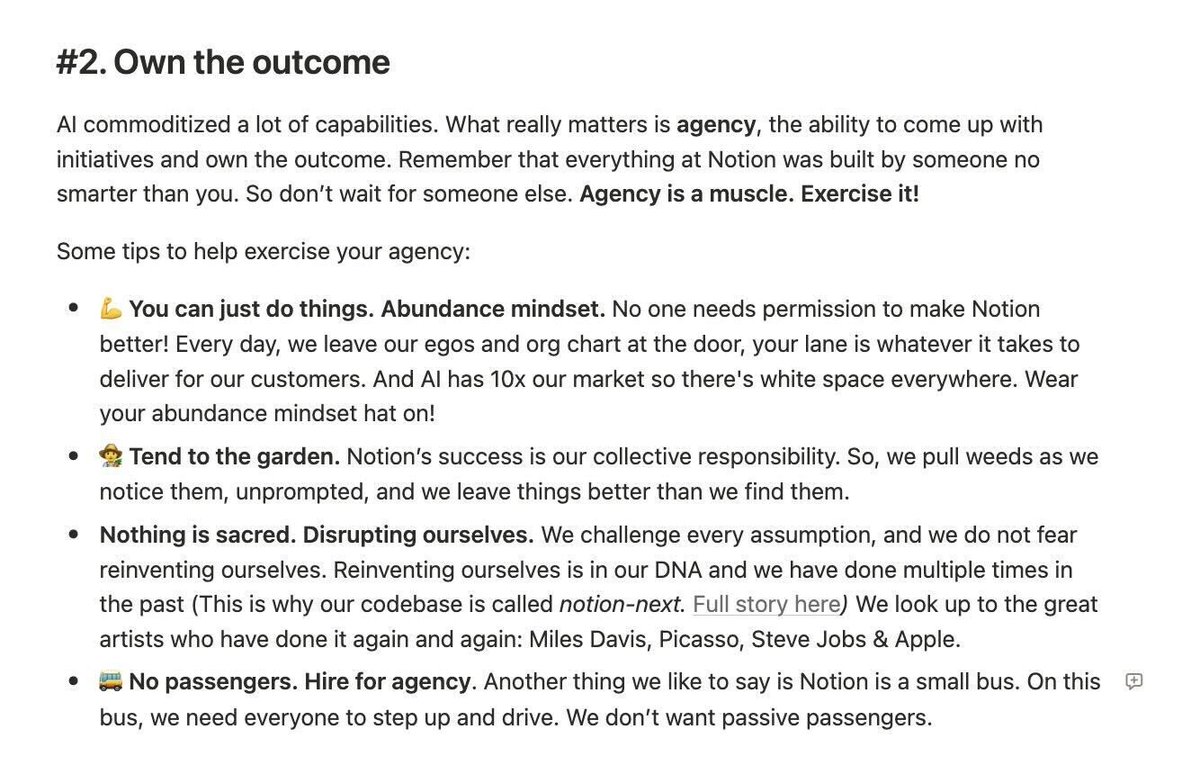
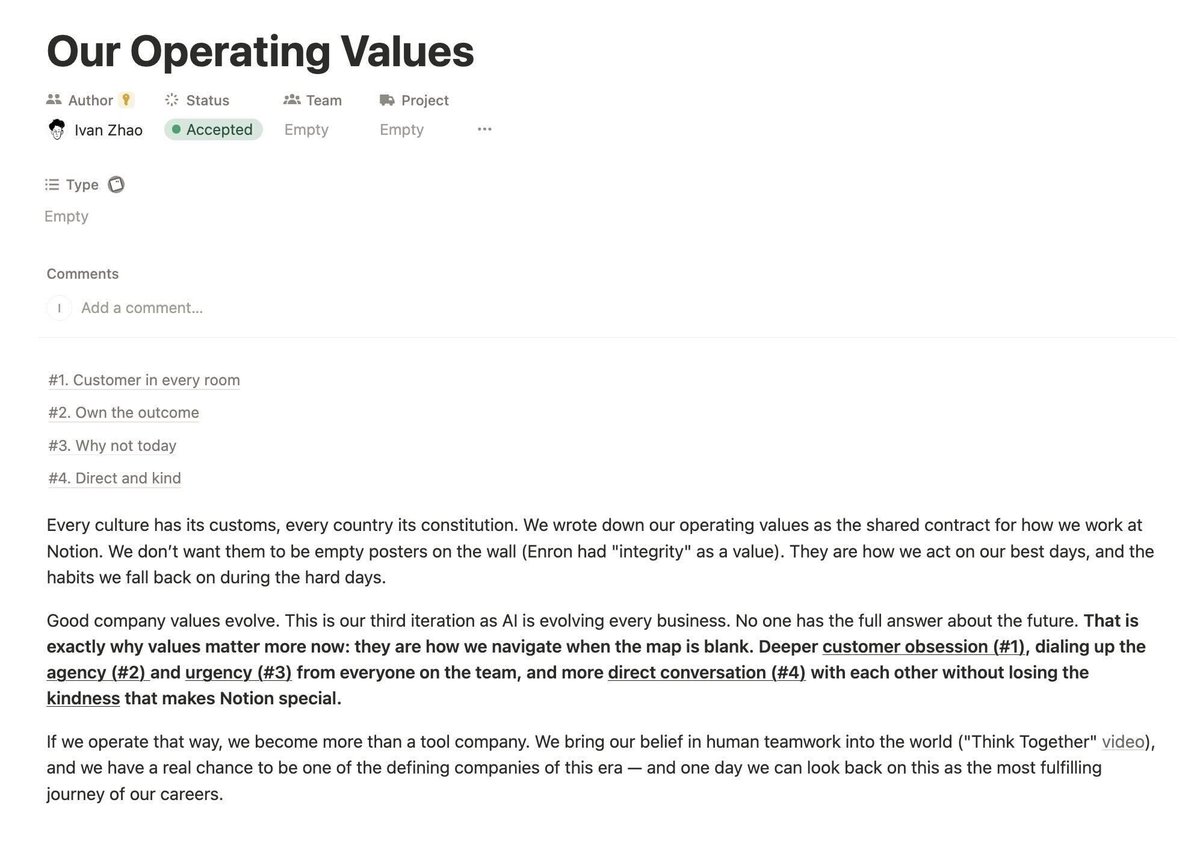
We updated our 4 company values this week to keep up with how the company has changed. Here's what I shared with the team internally. I hope it could be helpful for other companies.
The biggest opportunity for would-be startup founders is AI. But the most underpriced opportunity is probably non-AI ideas. So if you have a good non-AI idea, go for it, because everyone else is going to overlook it.
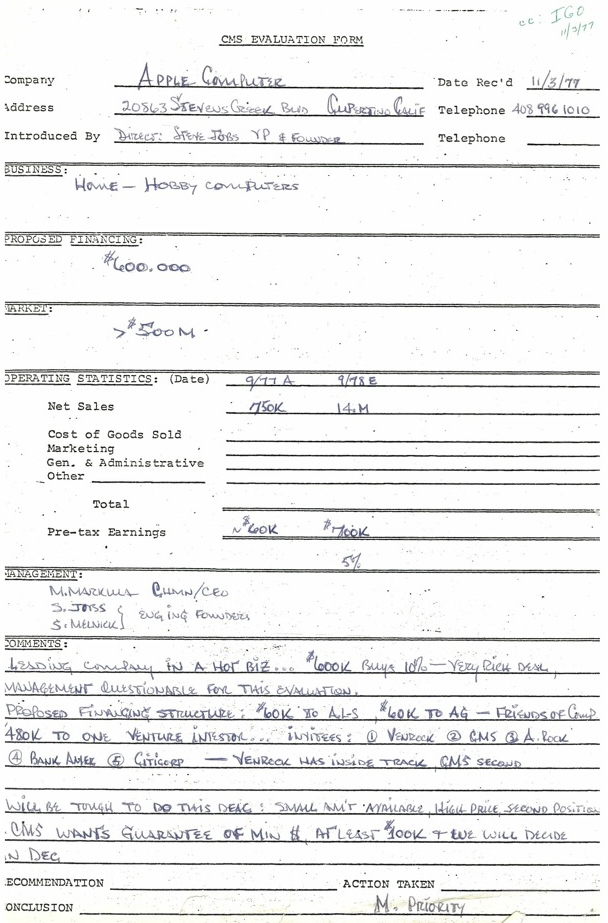
In honor of 50 years of Apple, we're sharing - for the first time ever - Don Valentine's original 1977 memo for Sequoia's investment into Apple Computer. #Apple50
P1!!! 🥇
We did it! 🤠
Thank you to everyone for the endless support over the years, it means everything ❤️
More to follow…
C&M Motorsport Sales | McKelvey Construction | MW Fire Solutions Ltd | Sligo Pallets
A few thoughts about PayPal, nearly 12 years after I left.
I woke up this morning to dozens of messages from former PayPal colleagues. It pushed me to finally speak up.
I never spoke publicly about the company after I left. Part of that was loyalty to John Donahoe, who gave me an unlikely opportunity, handing the reins of PayPal to a startup guy who, on paper, had no business running a then 15,000-person organization. But part of it was something else: I had left. I chose not to stay and fight for the changes I believed in. Speaking from the sidelines felt like armchair commentary. Easy opinions without the burden of execution. So I stayed quiet.
But twelve years of silence is long enough. And today's news makes it clear the pattern I've watched unfold isn't self-correcting.
I left PayPal in 2014 because I was deeply frustrated. We had executed a silent turnaround of a company that had lost its soul. We brought back engineering talent, shipped good products quickly, and acquired Braintree and Venmo. The company was on a tear. So much so that Carl Icahn felt compelled to accumulate a position in eBay and push for a PayPal spinoff. At the time, eBay decided to fight Icahn.
It was a difficult period for me, caught between what I felt was right for PayPal and my loyalty to the eBay team.
This is when Mark Zuckerberg approached me to join Facebook. The combination of his conviction that messaging would become foundational, the appeal of going back to building products at scale, and my growing exhaustion with the internal politics at PayPal and eBay eventually convinced me to leave and join one of the best teams in the world, one I had admired for a long time.
In the summer of 2014, I met John in a café in Portola Valley and told him I had decided to leave. During that conversation, he told me that Icahn had effectively won the fight, that PayPal was going to become an independent company, and he tried to convince me to stay on as CEO, but I had already said yes to Mark, and my word is my bond. There was no turning back.
After my departure, the board scrambled to find a replacement, and it took a few months for them to land on Dan Schulman. The leadership style shifted from product-led to financially-led. Over time, product conviction gave way to financial optimization.
Much of the momentum we had created still persisted and carried the company forward, mainly driven by Bill Ready, who came over in the Braintree acquisition and rose to COO. Under his leadership, Venmo grew exponentially, and total payment volume (TPV) accelerated quickly. But the shift under Schulman became more pronounced after Bill's departure at the end of 2019. With him went the product conviction that had defined the post-spinoff momentum. Then, for a period, COVID-fueled online shopping hid a lot of the company's new weaknesses.
During that period, the company made a fundamental miscalculation: it optimized for payment volume instead of margin and differentiation. It leaned into unbranded checkout, where PayPal had the least leverage, instead of branded checkout, where the margin, data, and customer relationship actually lived.
Visa masterfully structured a deal that effectively ended PayPal's ability to steer customers toward bank-funded transactions, which had been a core driver of PayPal's economics. Not long after, PayPal lost a significant portion of eBay's volume. Over time, it saw its share of checkout among its most profitable customers steadily erode as Apple Pay and others continued to execute well.
The same pattern repeated itself across lending, buy-now-pay-later (BNPL), and new rails.
On lending, PayPal missed the opportunity to turn it into a platform weapon. Products like Working Capital were conservative, short-duration, and optimized for loss minimization. Lending never became programmable, never became identity-driven, and never became a reason for merchants or consumers to choose PayPal over something else.
The missed opportunity in BNPL was even more striking. Klarna, Affirm, and Afterpay didn't just offer installment payments, they built consumer finance brands, persistent credit identities, and new shopping behaviors. PayPal saw the BNPL turn, entered the market, and had every advantage: distribution, trust, and merchant relationships. But BNPL was treated as a defensive checkout feature rather than an offensive category. There was no attempt to turn it into a core consumer relationship, no super-app behavior, and no meaningful differentiation for merchants. Others built platforms, PayPal added a feature.
The failure to lean into building and owning new rails followed the same logic. After the spinoff, PayPal had a once-in-a-generation opportunity to build a global, at scale payment network. Instead, the company focused on building on top of existing networks and third-party rails.
More recently, that mindset carried over to PYUSD. Technically, the product was sound. Strategically, it launched without a compelling transactional reason to exist. PYUSD had distribution, but no organic demand. It was not embedded deeply enough into flows to become a true settlement layer, a cross-border merchant rail, or a programmable money primitive. It sat adjacent to the product instead of inside the core of it.
Acquisitions during this period followed a similar pattern. Honey was not a strategic acquisition for PayPal. It added activity, but not leverage. It lived outside the transaction, monetized affiliate economics rather than payment economics, and never meaningfully strengthened PayPal's control of the customer or the checkout moment. Xoom solved a real problem in remittances, but it never compounded PayPal's advantage. It scaled volume without changing the underlying rails, identity graph, or settlement model, and as importantly, it didn’t cater to a high-value, high-margin customer archetype.
None of these were bad companies. They were just a wrong fit for PayPal and became unnecessary distractions.
The board eventually recognized the problem. In 2023, they brought in Alex Chriss, an Intuit veteran with a strong product background, explicitly to restore product conviction. It was the right instinct.
But Alex came from software, not payments. He understood SMB product development. He didn't have the muscle memory for transaction economics, network effects, or settlement infrastructure.
In hindsight, he also made an error: clearing out much of the leadership team that understood payments deeply. Executives with years of institutional knowledge departed within his first year.
This morning, Alex was removed as CEO. Branded checkout grew 1% last quarter. The board tapped another operator, Enrique Lores, the former HP CEO who's been on the PayPal board for five years.
I don’t know Enrique. And he might be a great leader, but on paper at least, he’s a hardware executive. For a payments company.
The common thread through all of this is incentive design. Once PayPal became independent, short/medium-term predictability beat long-term vision and ambition. Stock performance mattered more than platform risk and network opportunity. Financial optimization replaced product conviction.
I'm not claiming I would have made every call differently. Running a public company at scale involves tradeoffs I didn't have to make after I left. But the pattern, choosing predictability over platform risk, again and again, was a choice, not an inevitability.
Over time, the company that had every advantage and could’ve become the most consequential and relevant payments company of our time, lost its mojo, its product edge, and its ability to compete in a market that’s being rewired and reinvented in front of our eyes.
That's the part that's hardest to watch for a company I care so deeply about.
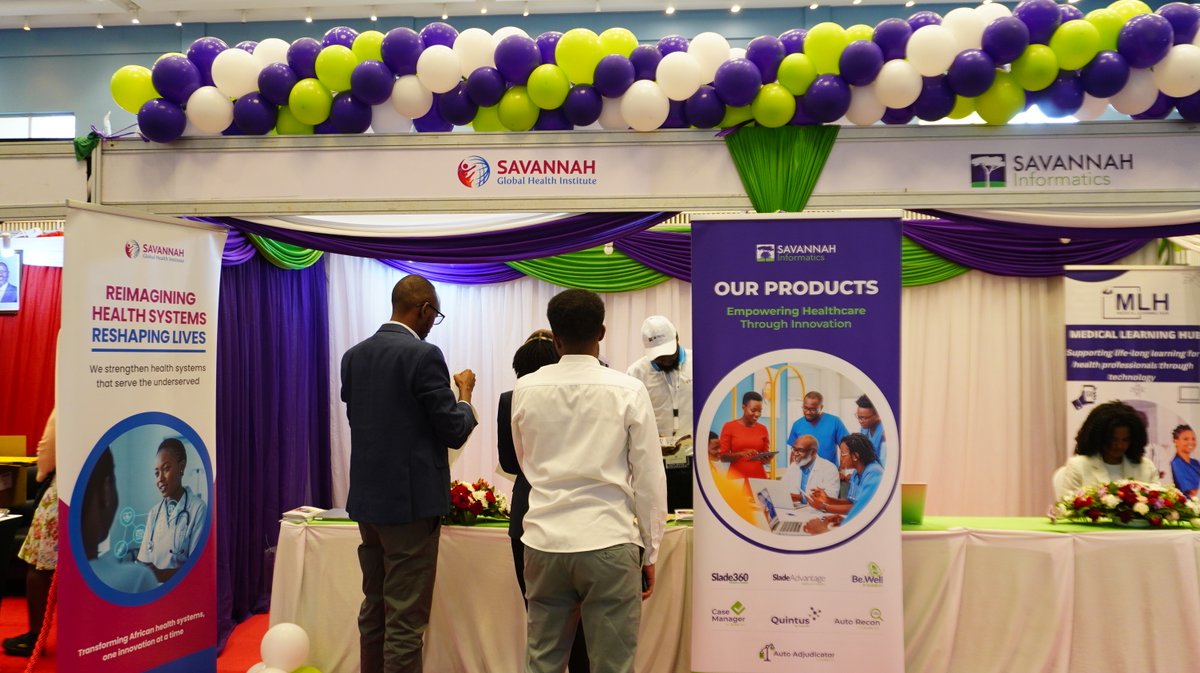
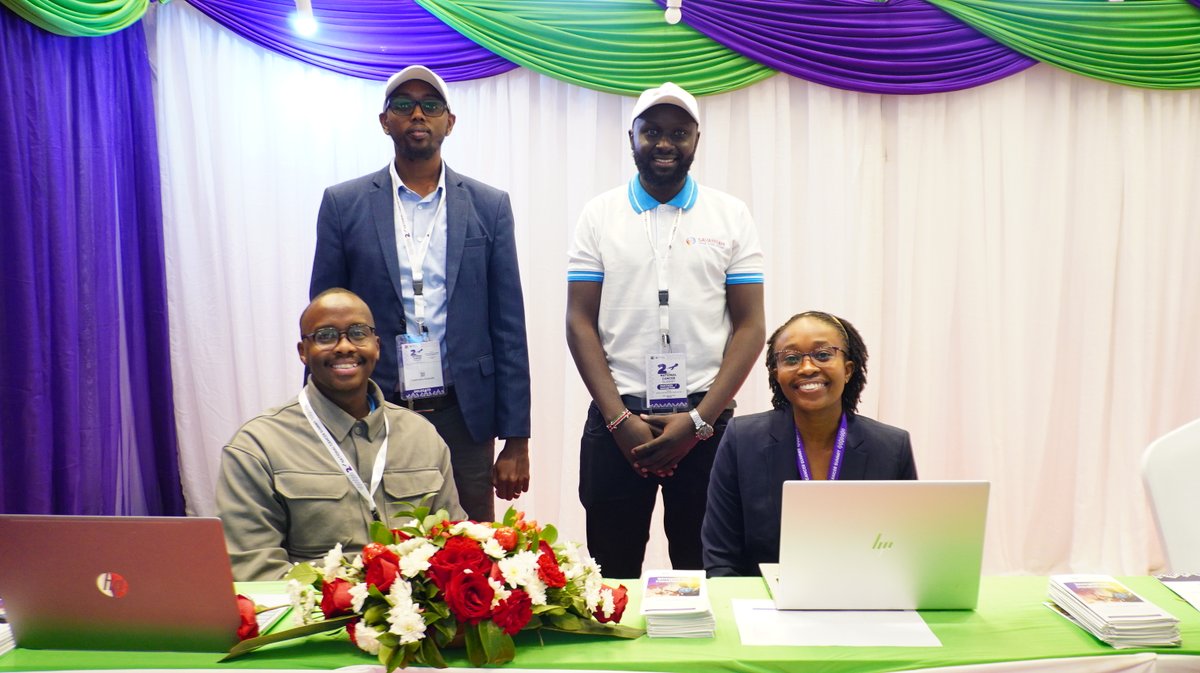
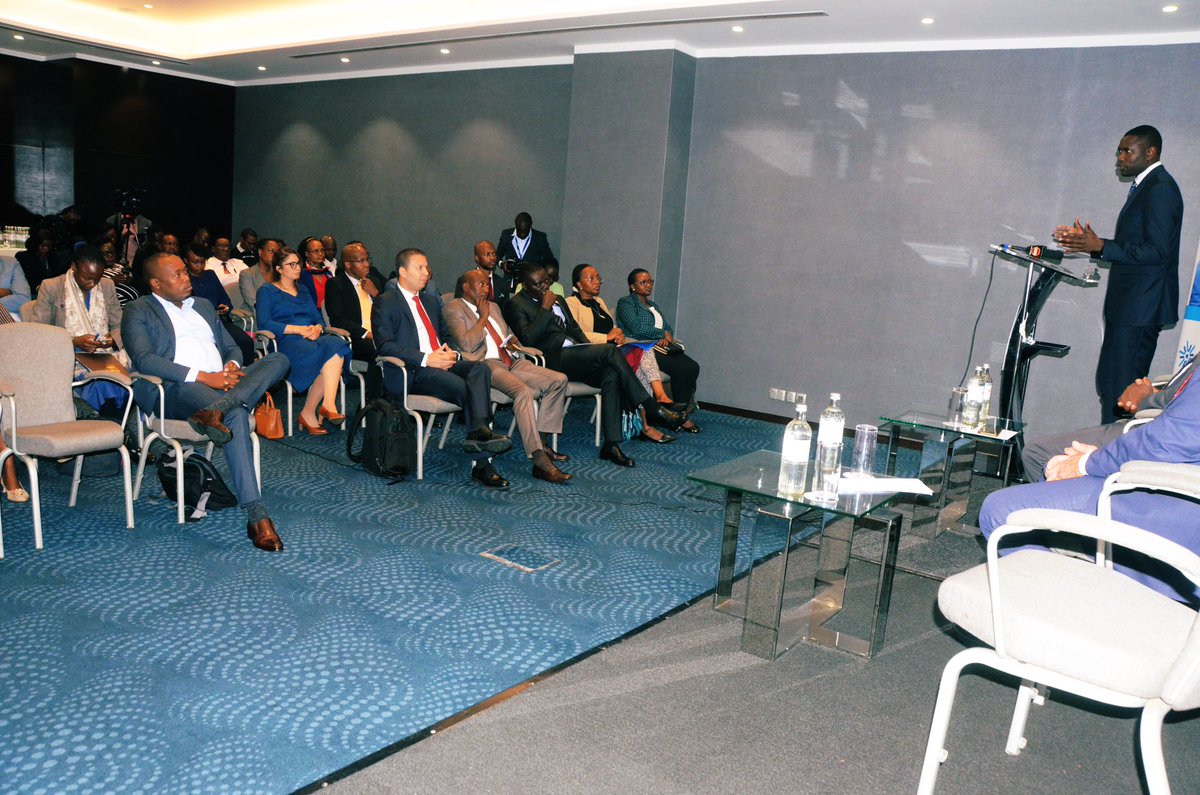
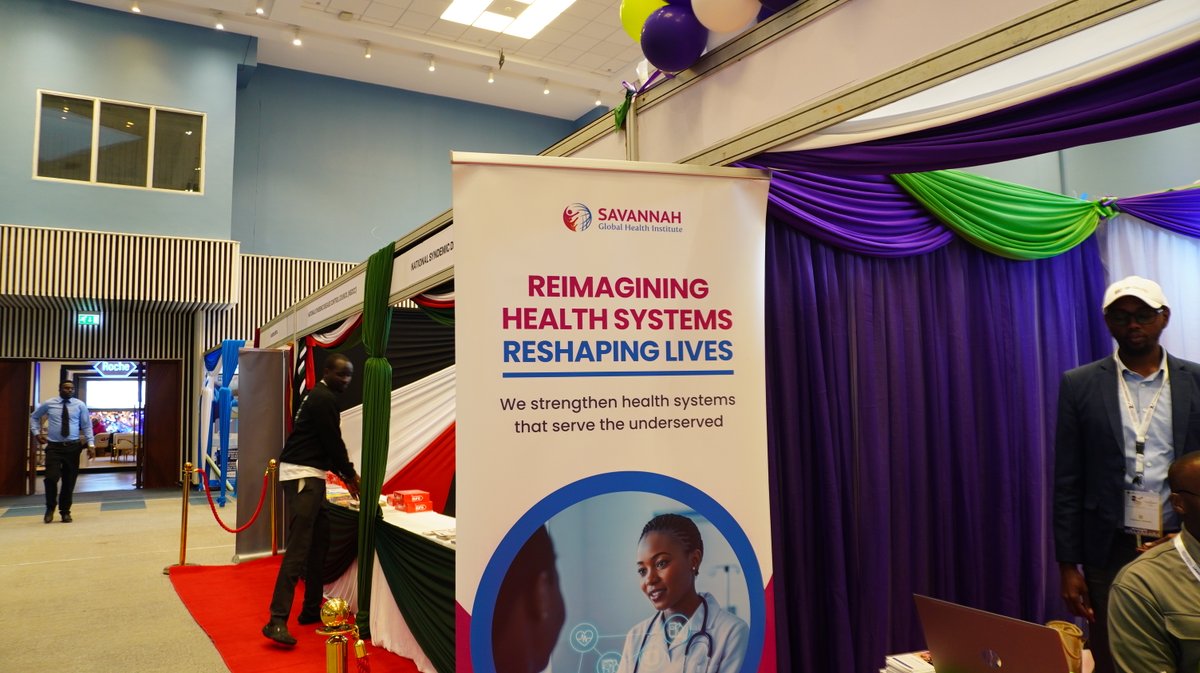
Tuko site! Our team is at the 2nd National Cancer Summit hosted by @NCIKenya. Stop by our exhibition booth to learn more about our digital health solutions for patient navigation,data-driven decision-making & improved healthcare outcomes.
#NationalCancerSummit2025#DigitalHealth
Almost everything about how we’re building enterprise software products is changing right now. For years when you built SaaS products, your entire design focus was how a user would interact with the system to accomplish their task, by themselves or collaboratively.
Now many of the core design challenges are more about how the user will work with AI Agents to do this task. This turns the questions into how the user will setup, deploy, orchestrate, or provide context to AI Agents to execute work, and then review and incorporate their work after.
Does this happen in an existing UI? Do you do this through chat? Is it through task list or queue? Is it through a workflow builder? Do you describe it as an Agent or just productive the specific outcome the customer wants?
You can see the early differences playing out just in the AI coding space right now, where there’s a debate between the IDE, terminal, web UI, or just using slack.
In all cases, one thing that seems to be clear is in many ways, to the user, software directionally gets simpler.
The nobs, toggles, switches, and components needed for people to execute tasks are less necessary in a world of AI Agents. The APIs to these capabilities still matter for the AI Agents to use (so they don’t go away), but they’re primarily leveraged in the background. And when they eventually show up for the user, it’s more for advanced use cases, exception handling, or the review process, as opposed to the common activity.
We’re in easily the most interesting period of software design that we’ve ever been in. We have to design for users as well as autonomous agents at the same time. And we’re only in the beginning phases of what that looks like.
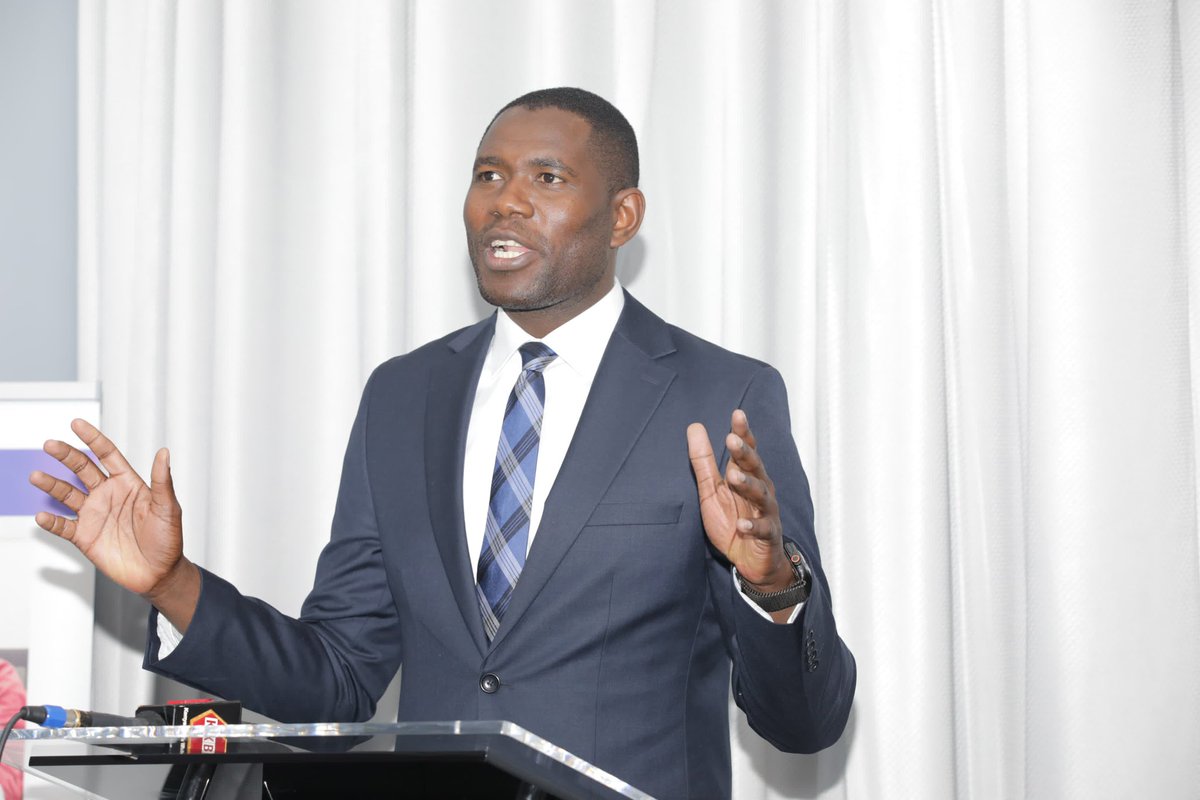
1/5: Kenya will save up to 60% on medicines for diabetes, cancer & infectious diseases under the new Ministry of Health–Pfizer Accord launched today by Principal Secretary Dr. Ouma Oluga and Mr. Nick Lagunowich, Pfizer Global President for Emerging Markets.
Global aid is shrinking — that’s a fact. But it’s not the end of the story. When aid retreats, African ingenuity steps forward. My @FortuneMagazine op-ed on building lasting systems rooted in public commitment, not dependency.
https://t.co/NBhk4x5PDz
A startup's initial problem is usually what the product should be and how to get the first users. It may sound like those are two problems, but they're not. Ideally you solve them simultaneously, and the process of trying to get users shows you what the product should be.
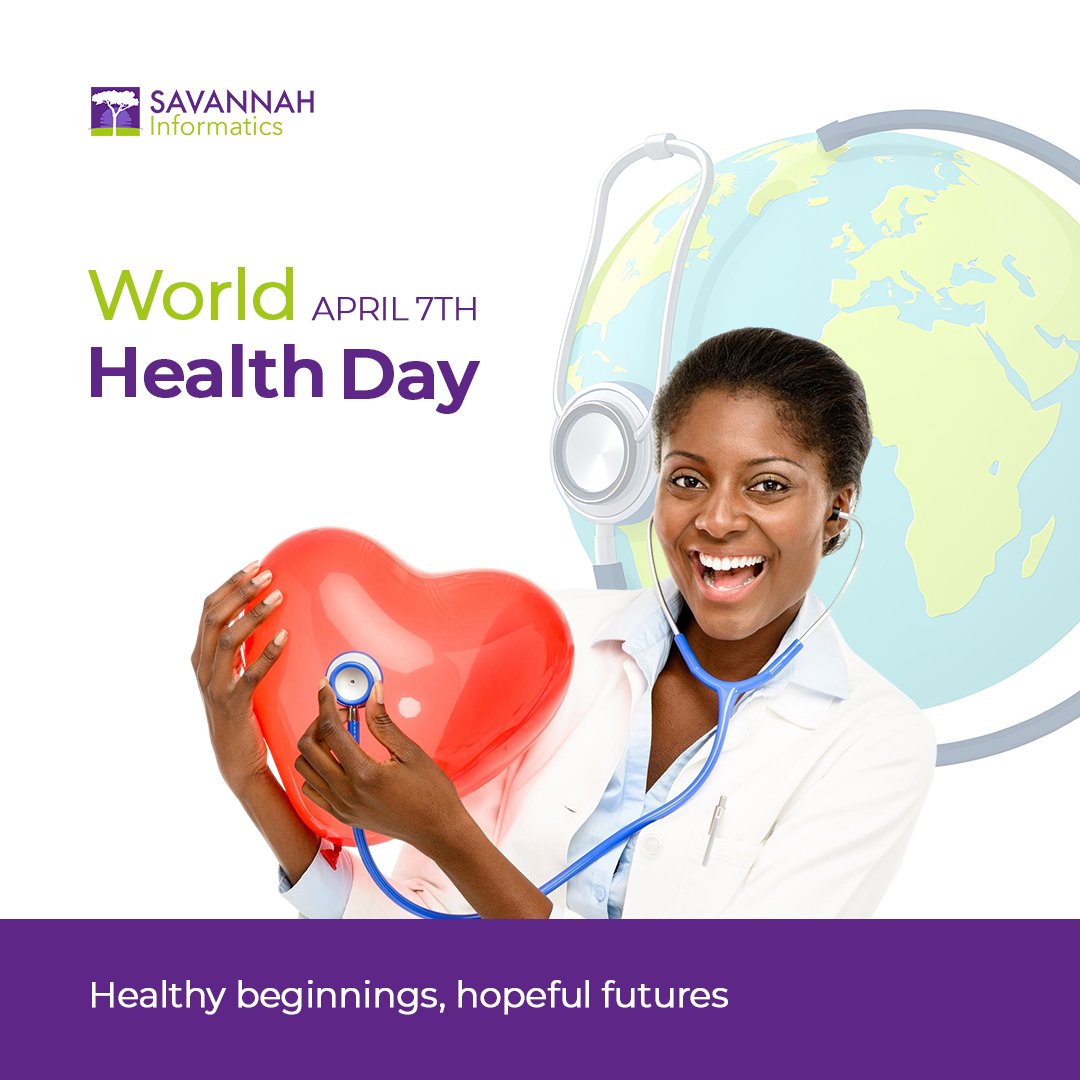
Yesterday, we celebrated World Health Day with the theme 'Healthy Beginnings, Hopeful Futures.' At Savannah Informatics, we are committed to supporting global efforts to reduce maternal and newborn mortality while prioritizing long-term health and well-being.
This man @AnwarSidi is a national treasure!!! He maps out all the Rally Routes, creates maps for crews, produces dashcams for every square inch of the 380kms of the competitive sections, produces the Media Safety Guide and the Spectator Guide and still finds time to take award winning photos at MITI MBILI.
Asante Anwar for your dedication to the WRC SAFARI RALLY. @OfficialWRC@TGR_WRC@SafariRallyWRC
No one becomes a clinician to do paperwork, but it's becoming a bigger and bigger administrative burden, taking time and attention away from actually treating and supporting patients.
That’s why we’re introducing Microsoft Dragon Copilot, the industry’s first AI assistant for clinical workflow.