Things most Americans agree on:
Groceries cost too much.
Tariffs suck and make no sense.
Congress and Presidents shouldn’t trade stocks.
The debt is a mess.
The border should be secure, but legal immigration is good.
Endless wars are stupid, especially ones that nobody wants and have never been explained.
Americans are exhausted.
AI is like my new best friend that also might be trying to take my job, my ability to think for myself, and my humanity in the process. Yo like I love you, but WTF, but I still love you.
Diversity is actually awesome! The opposite is boring AF.
Canadians are super fucking cool.
Mexicans are chill.
Putin isn’t a good guy looking out for America’s best interest. Rocky IV and Miracle are great movies.
Good neighbors are a blessing.
Freedom of religion and coexistence without having to blow each other up is probably a good idea.
We all question, are we alone in the universe?
We all fuck up along the way.
Epstein didn’t hang himself.
The Trumps and Epstein were best friends for decades. It’s like Bert trying to tell us Ernie was just an acquaintance in the same social scene on Sesame Street back in the day.
The Cowboys suck. Go Birds!
Things we’re told to fight about:
Me.
Laptop.
Vaccines.
Transgenders in sports.
Pronouns.
That’s the joke.
The first low Earth orbit (LEO)-optimized Centaur upper stage is now integrated atop the Vulcan rocket at ULA's @AmazonLeo Integration Facility!
Integrating the vehicle with the new LEO 85K Centaur upper stage allows the team to perform first time procedures, validate stage and ground support equipment interfaces with a planned Wet Dress Rehearsal to validate new technologies in advance of the first Vulcan Leo mission.
Learn more in our blog:
https://t.co/thnd65wusQ
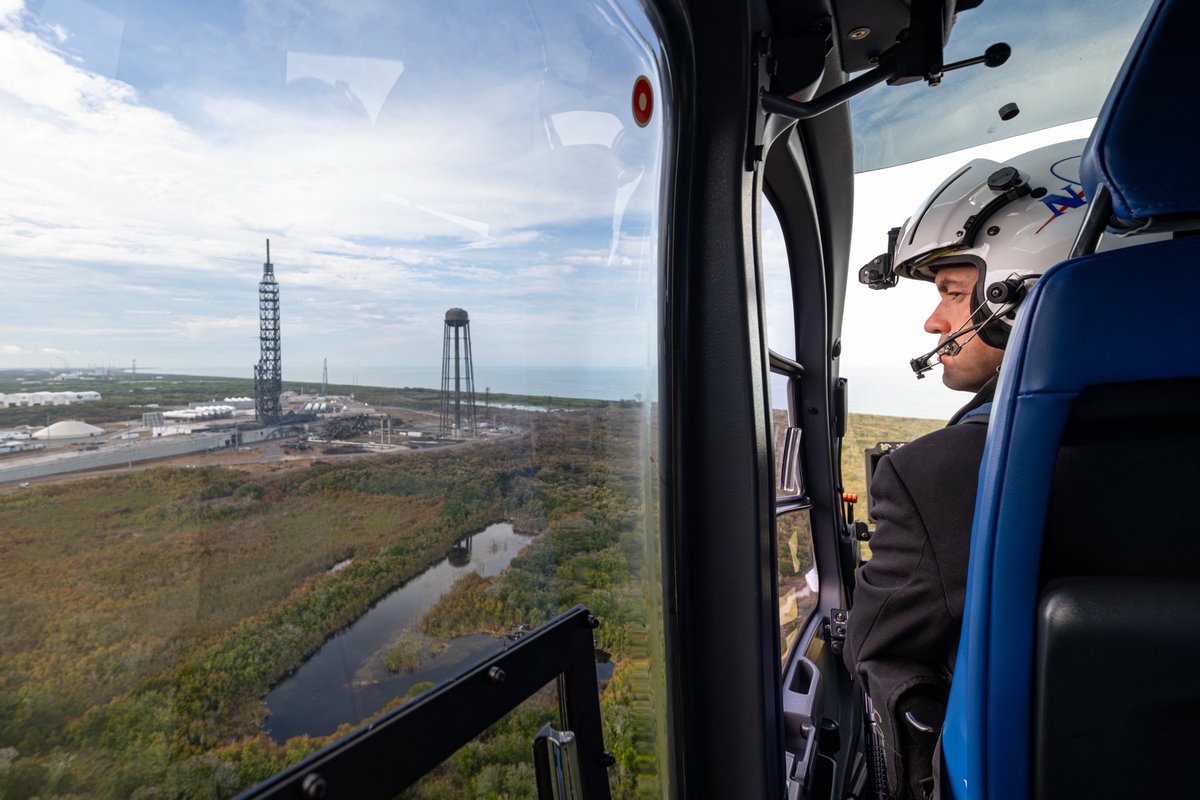
We go where we need to be, and today that was @NASAKennedy.
Some of my senior engineers and I spent time at @blueorigin with @JeffBezos and @davill, speaking with the workforce and seeing the damage at LC-36 firsthand. I appreciated the opportunity to hear directly from those working through the aftermath and better understand the challenges ahead.
There is a lot of work to do, but this is exactly why people choose careers in aerospace, whether at NASA, Blue Origin, or across the industry. The talent in this field thrives under pressure and performs at its best when solving the toughest problems.
We have been saying for months at NASA that we are not going to sit on our hands and wait for the capabilities necessary to achieve the nation’s most pressing objectives. We are going to take an active role alongside our partners, just as we did in the 1960s, to overcome setbacks, remove obstacles, and deliver the intended outcomes.
@NASA is committed to helping the Blue team recover, continue to advance their lunar lander and get New Glenn back to launching as soon as safely possible.
America’s greatest achievements in space were never the result of avoiding setbacks. They came from overcoming them. We have done it before, and we will do it again🇺🇸
All personnel are accounted for and safe. It’s too early to know the root cause but we’re already working to find it. Very rough day, but we’ll rebuild whatever needs rebuilding and get back to flying. It’s worth it.
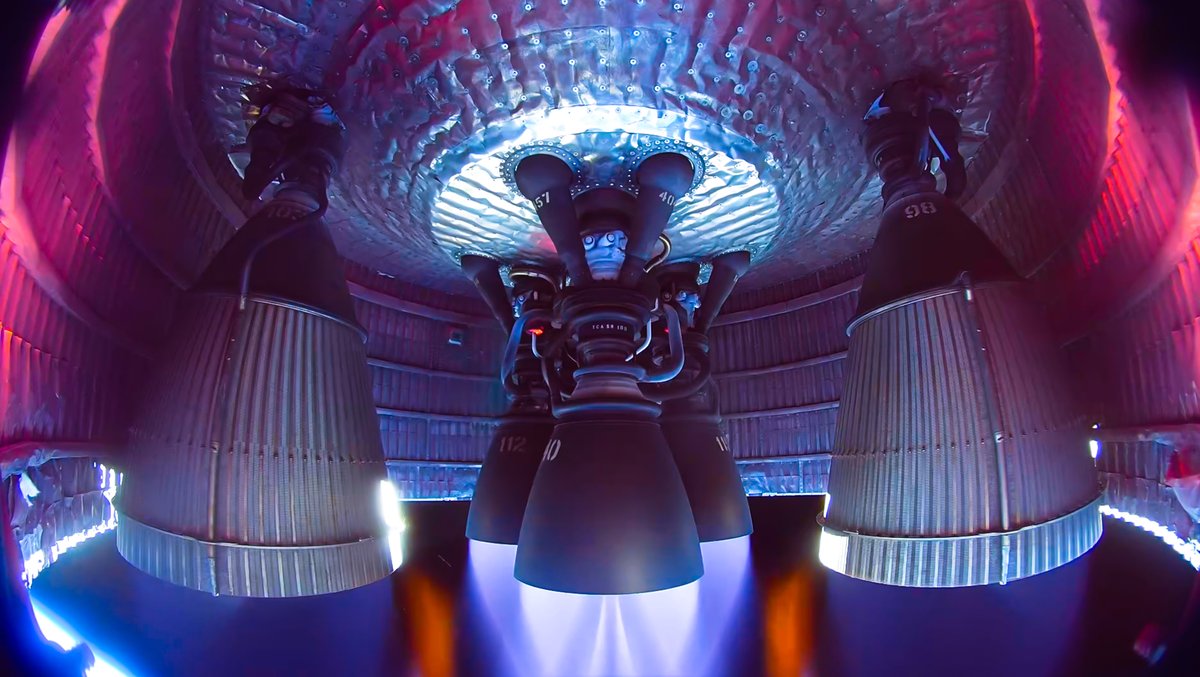
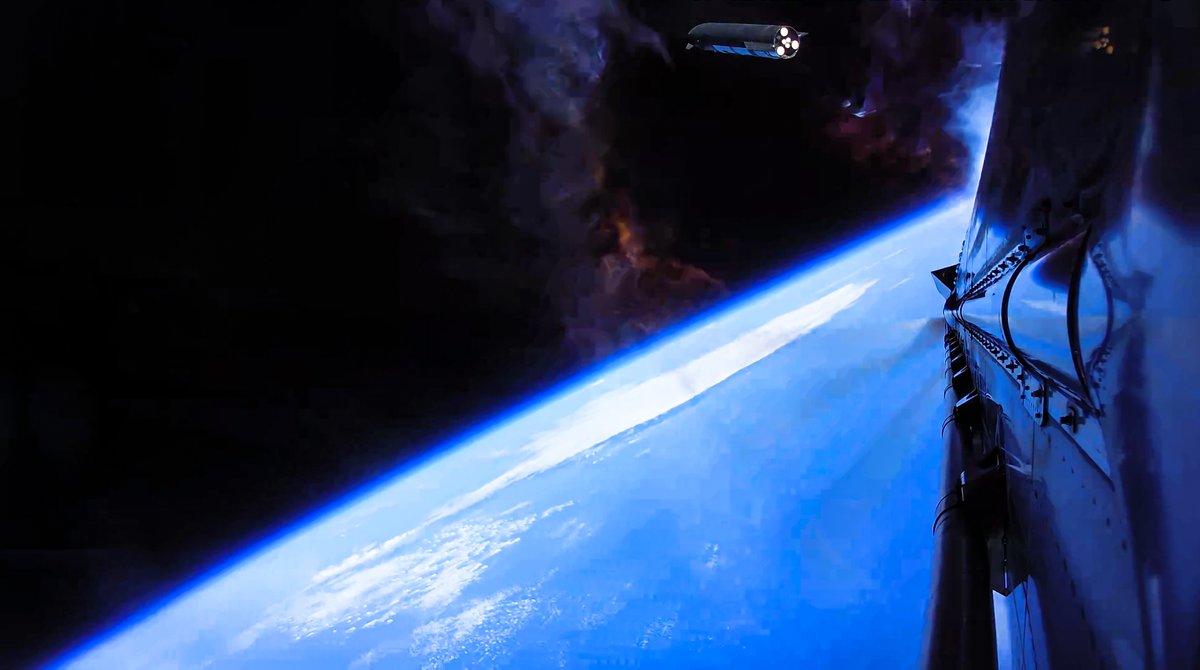
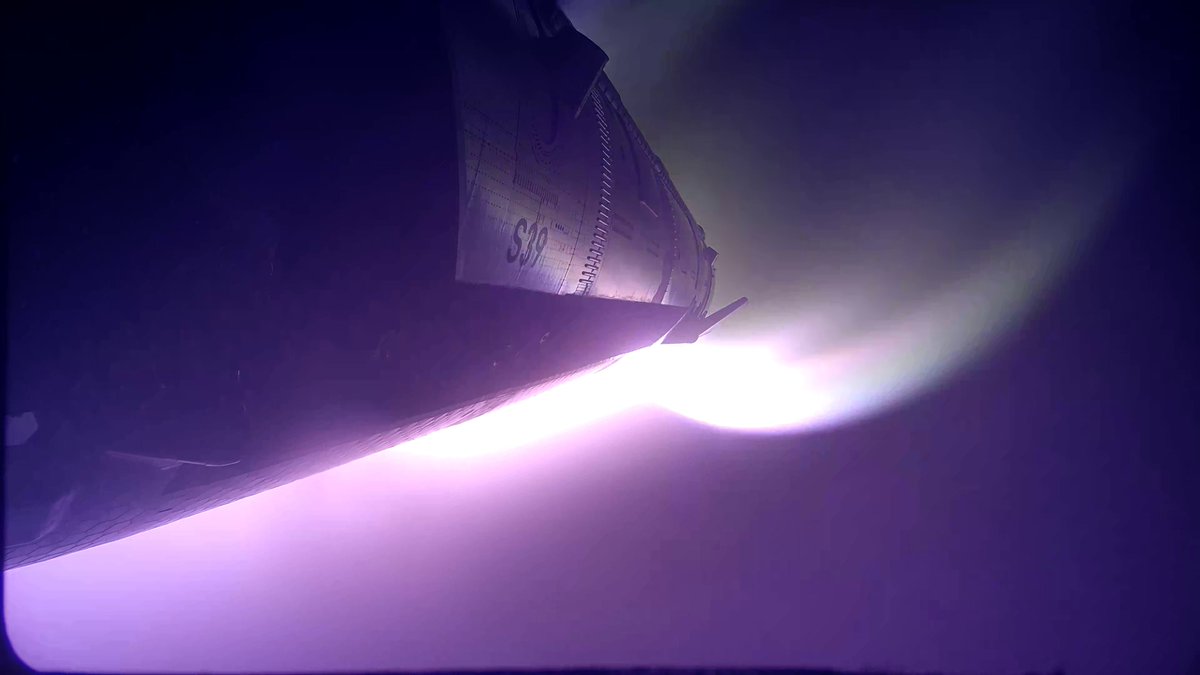
Onboard views from Starship and Super Heavy V3, which are equipped with upgraded cameras capable of streaming 4K video through every phase of flight via @Starlink
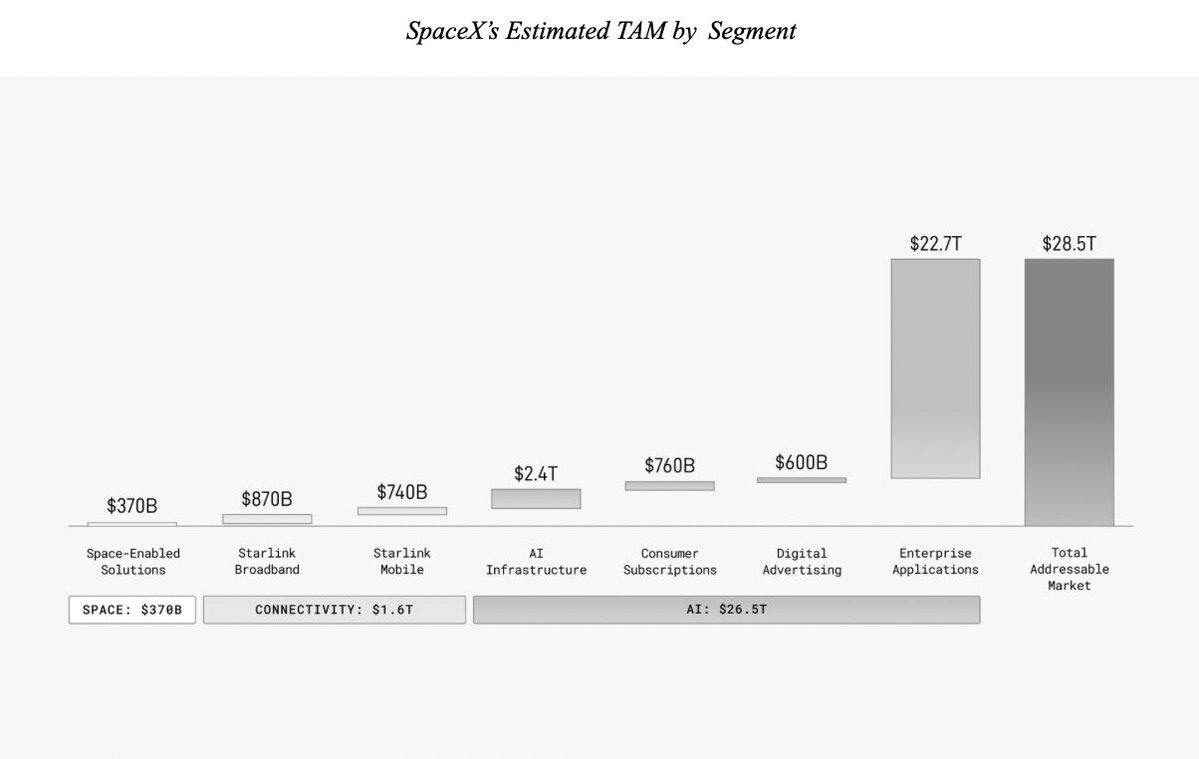
SpaceX drops the hypiest IPO filing and says "we believe we have identified the largest TAM in human history", and you're like, my interplanetary east India company, what delectable spice have you decided to ship across the stars, and it's like... 22 trillion dollars of b2b saas
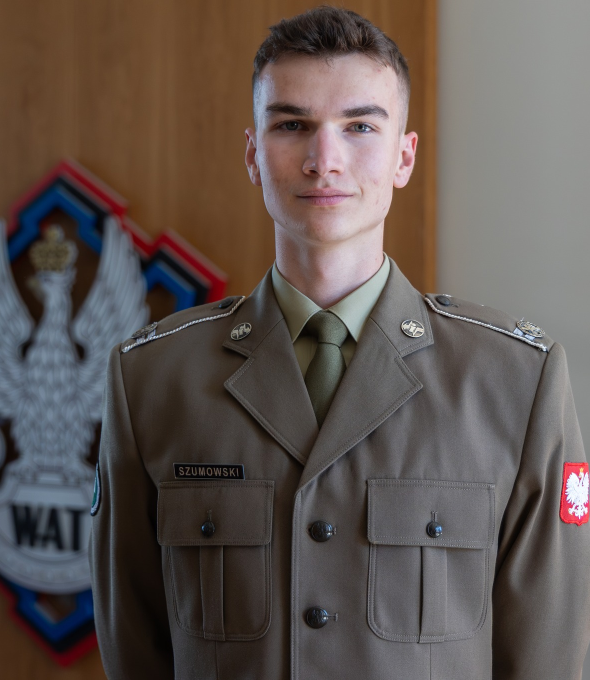
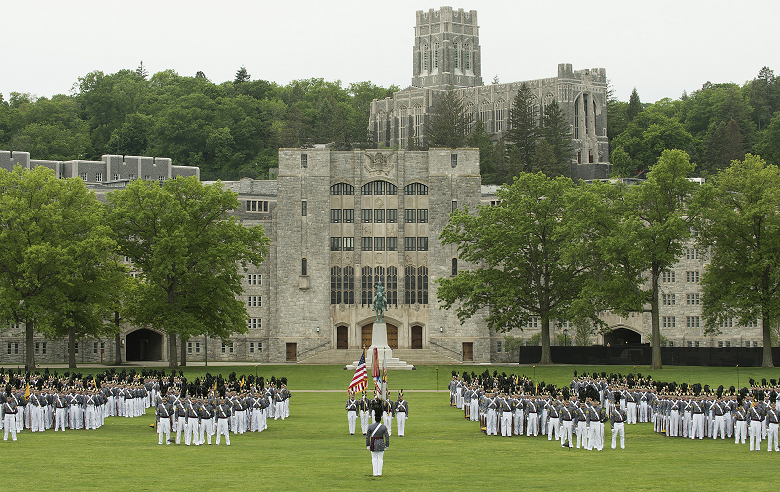
Polish Cadet Bartosz Szumowski, a second-year cryptology and cybersecurity student at the Faculty of Cybernetics at the Military University of Technology in Warsaw (Poland), has been accepted into the elite U.S. Military Academy at West Point, the oldest military academy in the United States.
This is an extraordinary achievement as West Point limits its international intake to only about 15 foreign candidates per class.
It is also symbolic, because Polish General Tadeusz Kościuszko was appointed by the Continental Congress to oversee the fortifications of West Point from 1777-1780 during the height of the Revolutionary War, when George Washington considered West Point to be the most important military post in America.
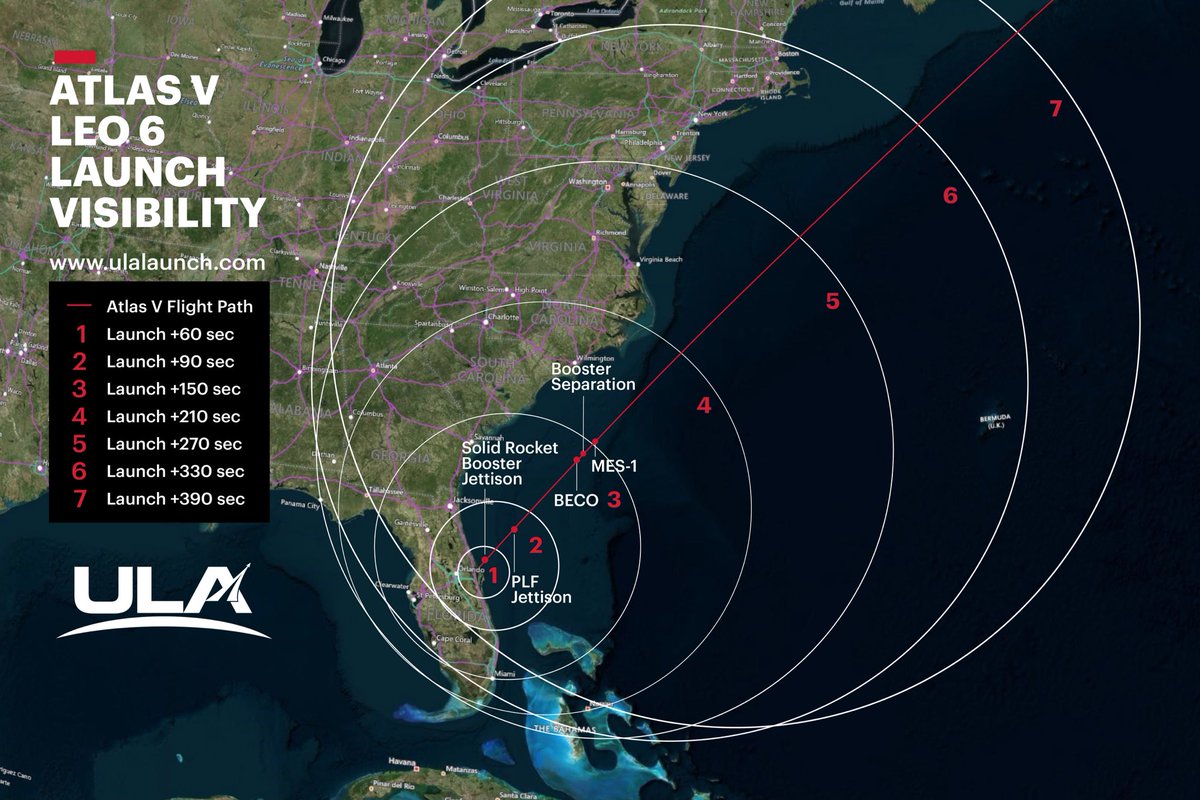
United Launch Alliance has successfully completed today's launch of the Amazon Leo 6 mission by the Atlas V rocket! All 29 advanced broadband satellites have been released into low Earth orbit, matching the venerable rocket family's record for the largest and heaviest payload ever launched.
Atlas V has delivered a total of 168 Amazon spacecraft into orbit through a total of seven successful flights -- Protoflight and six launches for the Leo constellation.
Next up, Leo 7 with another 29 satellites, is planned for May 22.
https://t.co/t5WBijXrSn //@AmazonLeo
Insane that we'll end up producing 99% of our energy from space, and send it down as intelligence. Literally no other way to send this much energy back — intelligence ended up being the densest form of energy we discovered.
We are working with the Philippines to build a FORWARD DEPLOYED INDUSTRIAL BASE in Luzon — a peaceful platform designed to secure vital supply-chain inputs for American and aligned companies, built with a strong sovereign partner, iterated on as we learn.
Statecraft, at its best, is a product. American products don’t just compete. They enchant and delight. That is the edge this country has. And it’s the foundation of the State Department’s economic statecraft strategy.
Four thousand acres. Roughly one-third the size of Manhattan — the equivalent of everything from Times Square south to the very tip of the island. A hub for industrial cooperation, shared growth and economic security. It is the first of its kind. We are doing new things because we are in new times! 🇺🇸 🇵🇭
https://t.co/8Wv9putTGX
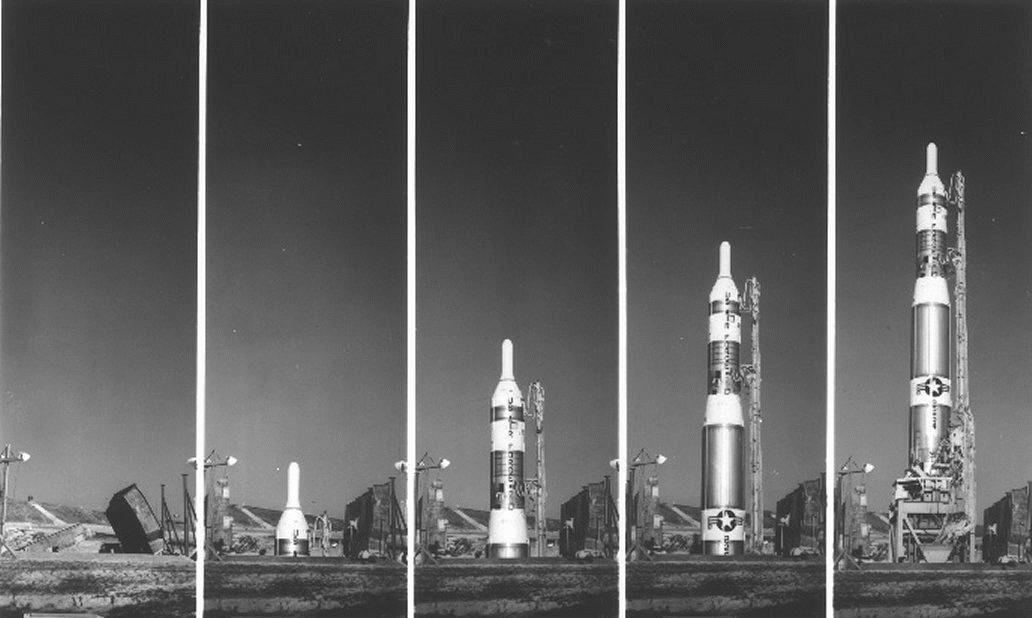
One of these abandoned Atlas F silos in the Adirondacks is now owned by Mr. Hopmeier. He paid $575,000 for it and created a military training compound. American and Ukrainian forces are using it. https://t.co/pqwuk08hbH
Data center capex will hit $930 billion in 6 years. Everyone calls this the biggest infrastructure buildout in history. The chart says US railroads were eleven times bigger relative to GDP, and they ran for seventy-one years.
At its 1880s peak, railroad capex consumed 9% of annual US GDP. Data centers will peak at 0.8%. The Apollo Program peaked at the same 0.8%. The Marshall Plan, a one-off wartime aid package, peaked at 2%. The Interstate Highway System, which paved over the country, peaked at 0.6%.
Measured against the economy around it, the AI buildout is not historically large. It fits comfortably inside the range of things the US has built before.
The unusual variable is compression. Railroads took seventy-one years to spend $550 billion. Data centers will spend $930 billion in six. That's an annualized rate roughly twenty times higher than the average year of railroad construction, in real dollars.
The railroad era ran through a massive bubble before it finished. The Panic of 1893 put 156 railroad companies into receivership, roughly a third of total US track mileage. After every bankruptcy, the track was still there. The infrastructure outlived the companies that financed it.
Data centers will likely follow the same arc. Some of the $930 billion will be wasted on capacity that never fills. Some of the companies doing the building will not exist in ten years. The buildings and chips and fiber will be there anyway, and they will get absorbed into whatever the next wave of software looks like.
The chart's real lesson is that the US has always built infrastructure ahead of demand, and the economy has always caught up. The AI bet is a speed bet. The economy has absorbed buildouts this big before. It has never absorbed one this fast.
During the peak years of the railroad industry in the United States — roughly from the 1870s through the early 1900s — railroad stocks dominated the U.S. stock market, comprising about 60% to 70% of total market capitalization.
Just how much are we spending on AI?
Compared to other massive infrastructure projects, AI is the sixth largest in US history, so far.
World War II dwarfs everything else at 37.8% of GDP. World War I consumed 12.3%. The New Deal peaked at 7.7%. Railroads during the Gilded Age reached 6.0%.
AI infrastructure today sits at 1.6%, just above the telecom bubble’s 1.2% & well below the major historical mobilizations.
Companies like Microsoft, Google, & Meta are investing $140B, $92B, & $71B respectivelyin data centers & GPUs. OpenAI plans to spend $295B in 2030 alone.
If we assume OpenAI represents 30% of the market, total AI infrastructure spending would reach $983B annually by 2030, or 2.8% of GDP.
To match the railroad era’s 6% of GDP, AI spending would need to reach $2.1T per year by 2030 (6% of projected $35.4T GDP), a 320% increase from today’s $500B. That would require Google, Meta, OpenAI, & Microsoft each investing $500-700B per year, a 5-7x increase from today’s levels.
And that should give you a sense of how much we were spending on railroads 150 years ago!
https://t.co/fz7Xb4LyhC
In the 1940s, my grandfather would ride the International Railway Company (IRC) street cars from the edge of the Village of Lancaster over to South Buffalo where his mom worked. By then the IRC rolling stock was end of life and hadn’t been replaced with newer units.🧵
This freshly painted brick barn on Forest Avenue across from the @RichardsonCtr near @buffalostate dates back to when it served International Railway Company (IRC) electric street cars that operated in Buffalo from the 1880s to the 1940s. 🧵
I’m a bit nostalgic about how far you could take street cars for rail travel around WNY before automobiles became widespread. From Olcott Beach on Lake Ontario to the Port of Buffalo to Niagara Falls, Ontario. Gilded Age mobility. 🧵
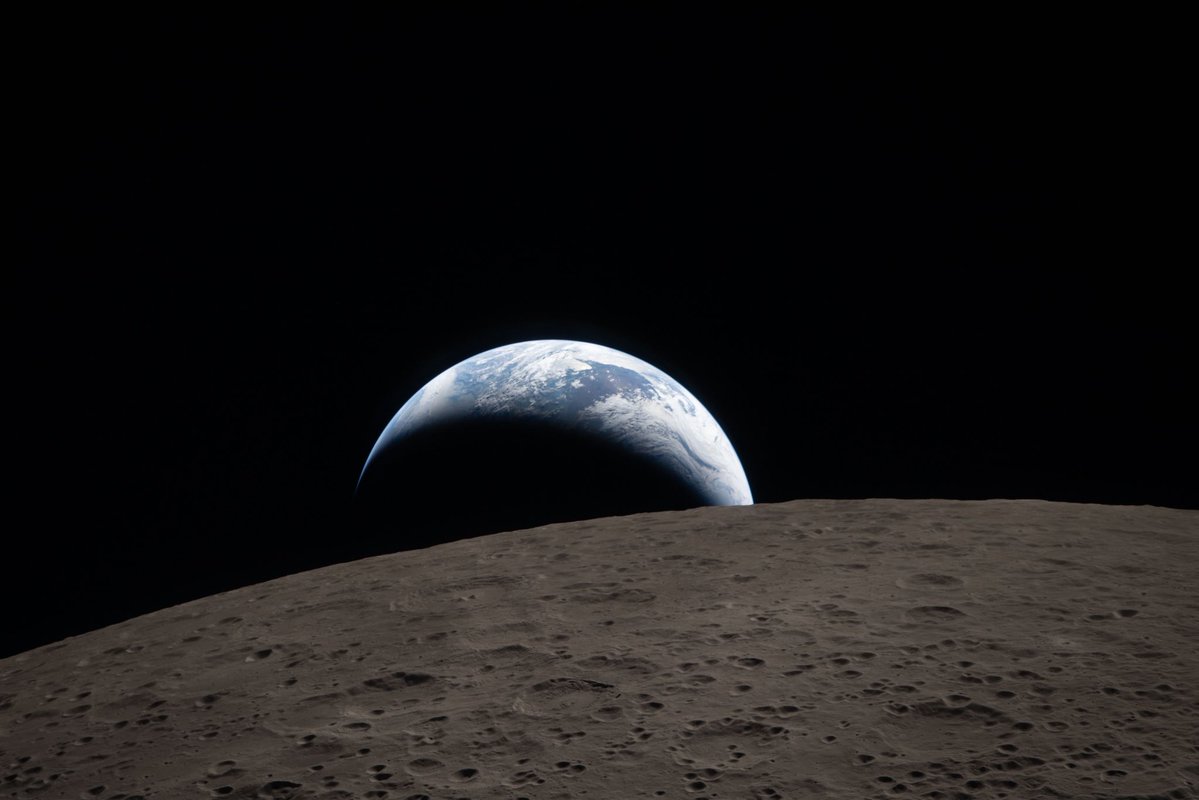
EARTHSET.
April 6, 2026.
Humanity, from the other side. First photo from the far side of the Moon. Captured from Orion as Earth dips beyond the lunar horizon. Photo: NASA
Pleased to share my favorite high-resolution capture of the Artemis II launch- the moment the SLS is clearing the tower, captured by a sound-triggered camera placed near the pad.
I'll have prints linked in my bio for this one, and here's a short thread about how it was captured