@lukeweston @Goossens66Peter Heard of this type of trickery as well. Always wondered how the logistics around putting on resistors upside down in automation would work, if feasible. Currently using regular (albeit 0201) resistors and mounting techniques in a 10 GHz LO application, works just fine.
The IKEA-based home lab is more or less done! Since last time, proper light and a display has appeared in addition to some quality-of-life improving tools. 1/4
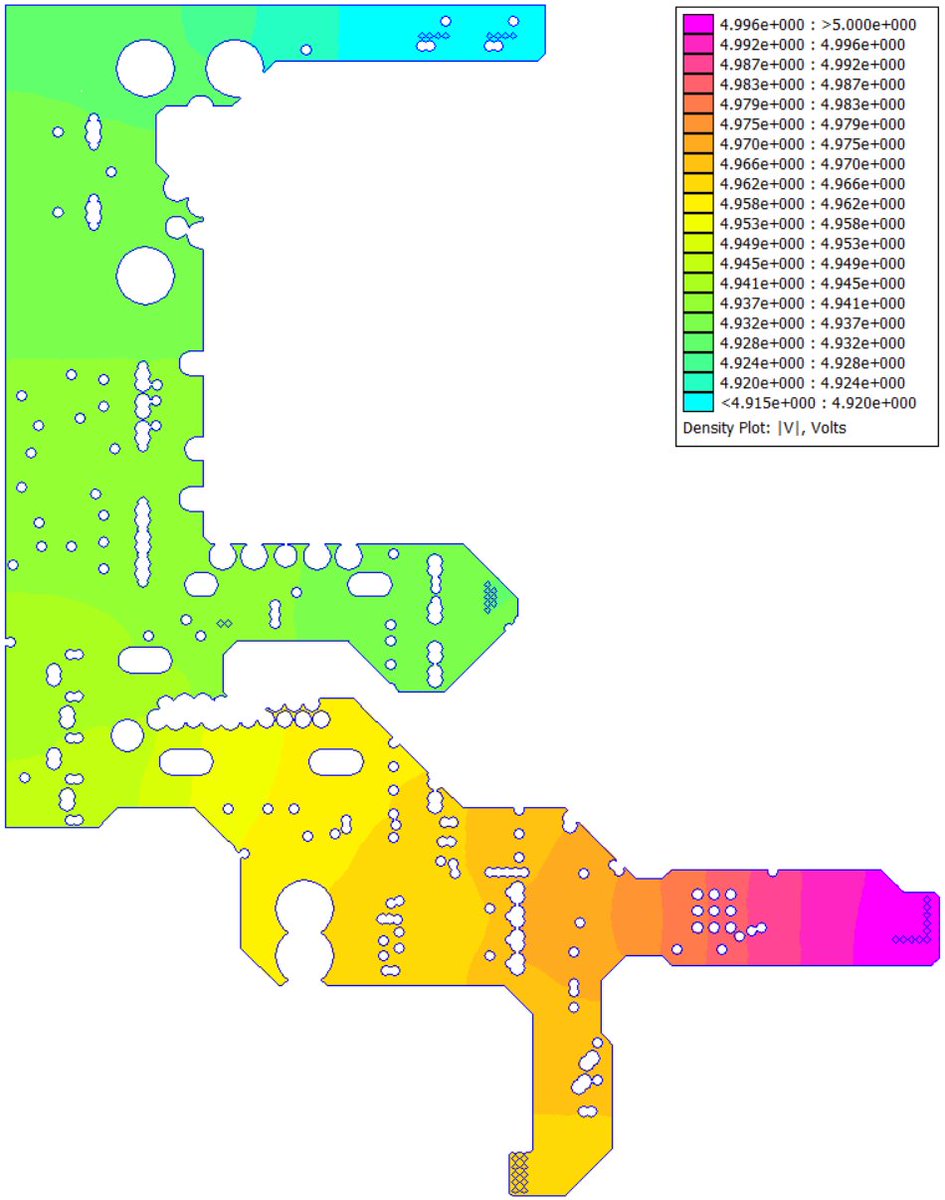
If you want to analyze the DC drop of a simple power delivery polygon you can do so in 2D with the freeware tool FEMM. You can import the DXF contour of the polygon you want to analyze and assign fixed voltages and load currents.
@OMEGATHUNDER I see the same behavior as you. Read-only from PC and the only way to clear the memory is by pressing the clear-button on the front with a pin. PDF stays put. I suspect it has to do with how they implemented the USB storage device in FW. Haven't tried getting around it.
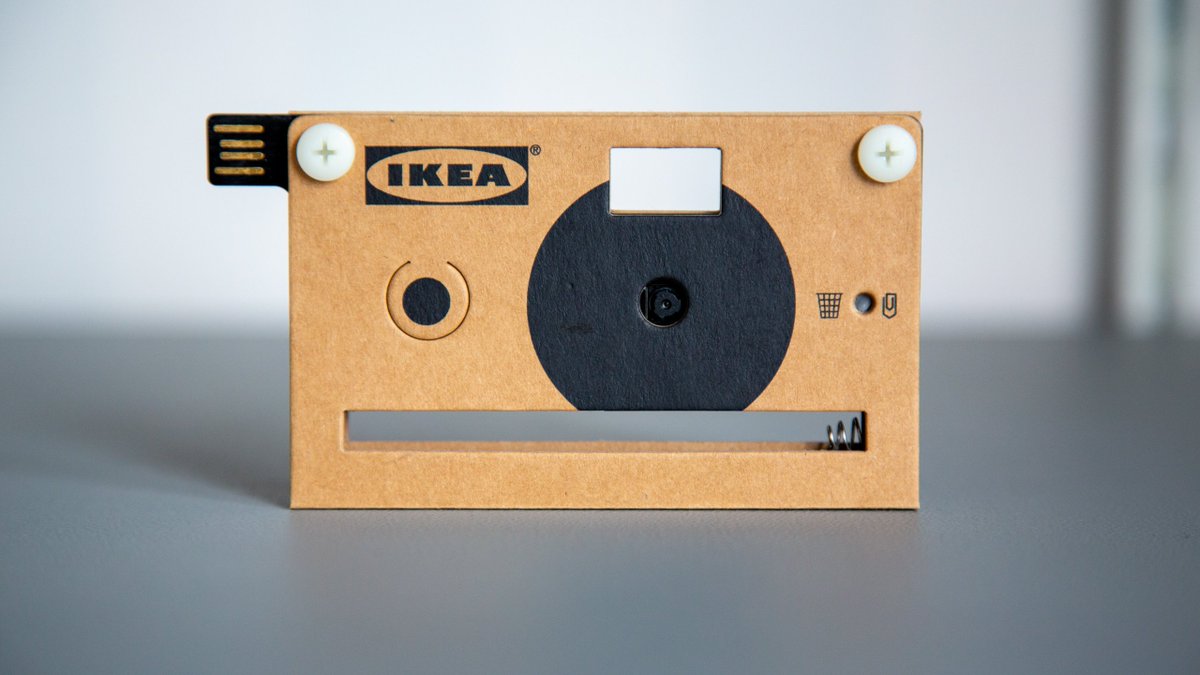
The IKEA Knäppa, a 1.2MP digital camera that was handed out/sold for a short while in 2012. It could be described as a minimum viable product, although I think "viable" is questionable. Here's a quick look under the hood. 1/4
@Iffyaria I tend to select a voltage rating at 2-3x the operating voltage at minimum, depending on application and requirements. When I first learned about the derating of capacitance due to DC bias, it felt like treason, like the presentation of specs was misleading.
@Iffyaria Depends a bit on what dielectric, but that 6.3V MLCC is gonna lose a lot of capacitance at 5V due to DC bias effects. Can you tolerate the effective capacitance being much less than the specified 220n?
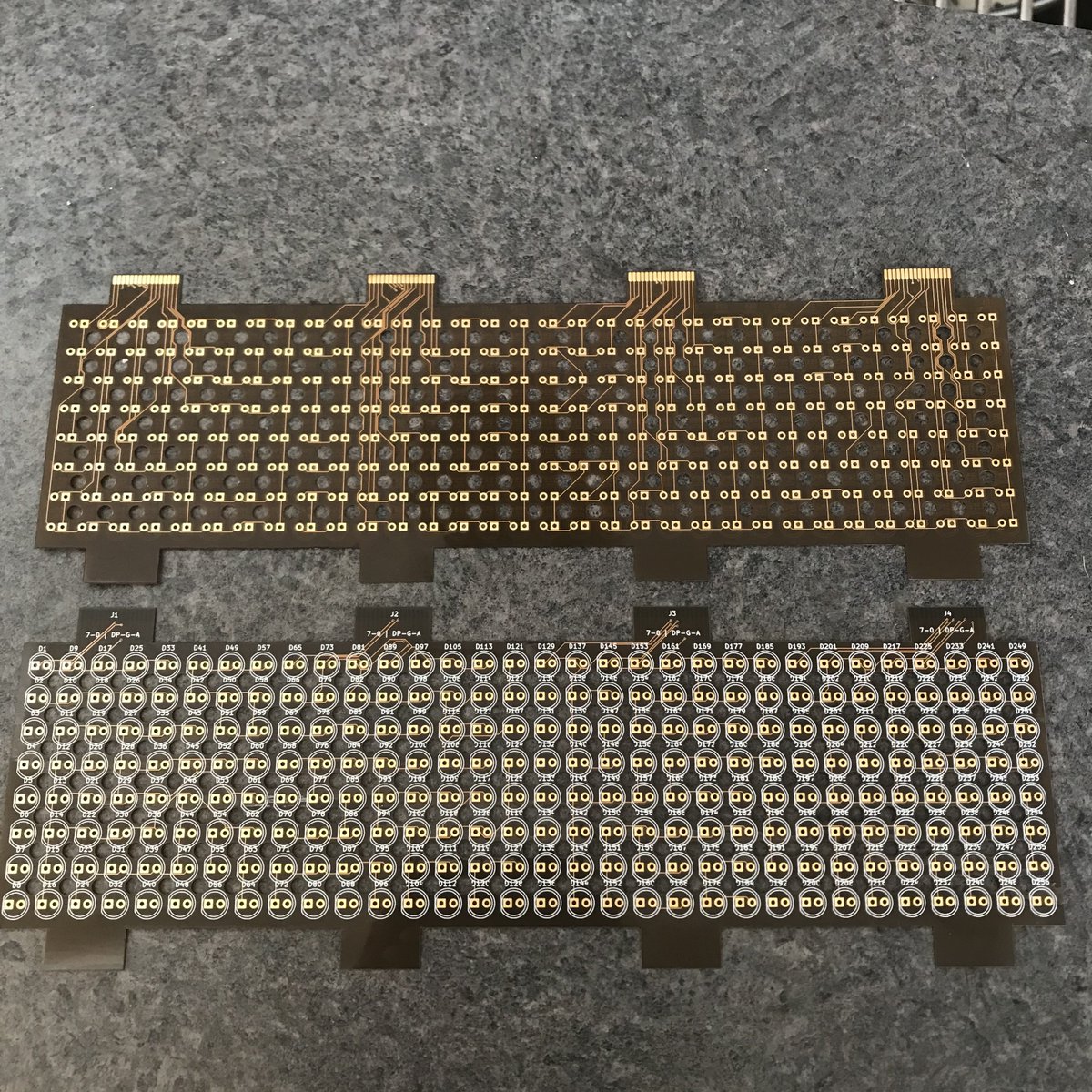
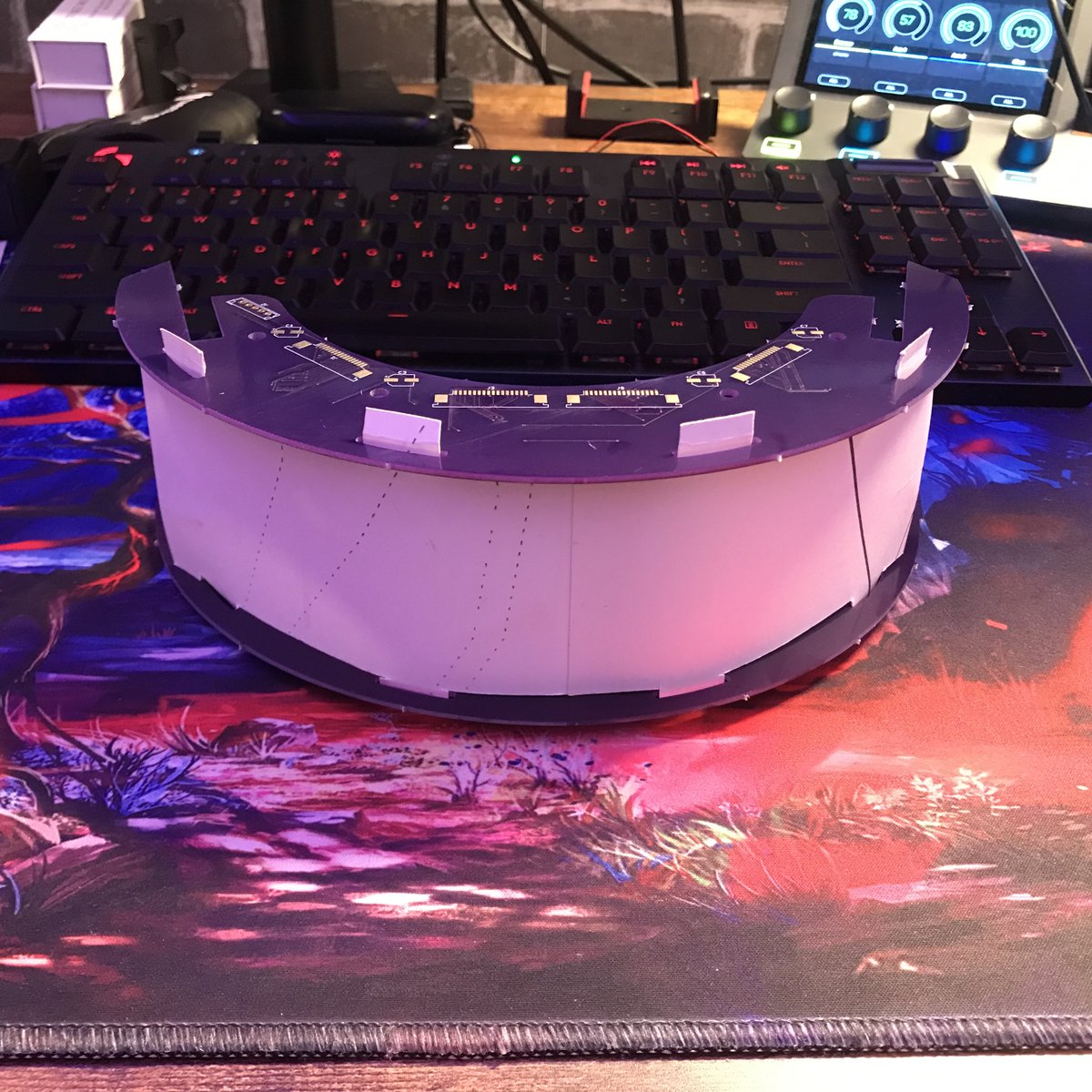
First set of @oshpark boards came in yesterday for the Daft Punk helmet! Compared to its 3D printed counterpart, it looks great! Expecting the main LED display probably next week so tentative assembly stream will be Saturday, April 9th.
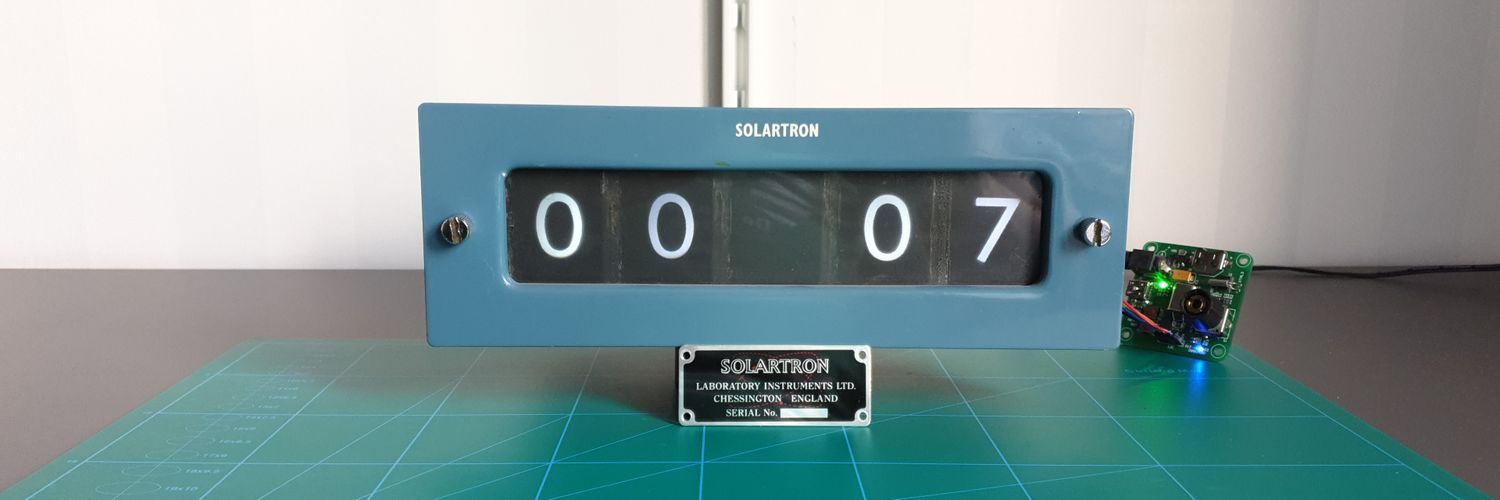
This odd display from a Solartron instrument made the perfect subject for surgery, turning it into a clock. All hardware got completed, but ended up in deep-storage until recently. A thread on this display technology and the way to make it useful again. 1/6
Ever wanted to debug your microcontroller over USB-C?
(I'm talking JTAG/SWD, not just USB!) If you already have a USB-C connector, there's no need to have an additional connector to program (or tag-connect pads, which are super nice)
Here's one way to do it: 🧵
Xilinx is now part of @AMD, creating the industry’s high-performance and adaptive computing leader. You can still find our updates on our Xilinx social media channels for the time being. We will update you here if that changes. More info on the deal here: https://t.co/E6IaUKcrE3