The next-generation spacesuit is coming.
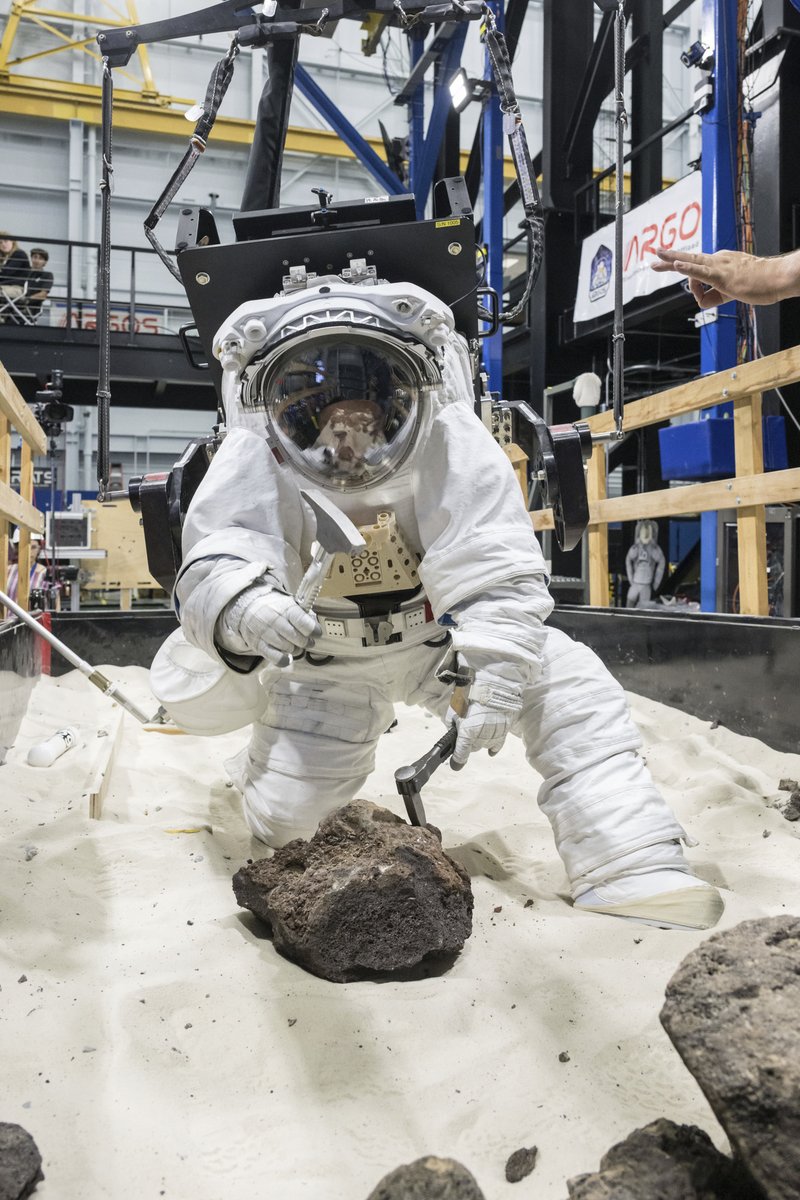
NASA and @Axiom_Space have completed the critical design review (CDR) for the Axiom Extravehicular Mobility Unit spacesuit—the first CDR on a NASA EVA spacesuit in over 40 years.
A new study has detailed one of the oldest Mars meteorites ever found on Earth.
Called Teghaza 001, scientists say this more than 4.1-billion-year-old Mars rock provides a rare snapshot of the planet’s ancient crust and formation. ½
💫Ganymede Occultation of Io on 2026-10-20
Credit: Michael Wong
Location: Hong Kong SAR, China
Telescope: Celestron C14HD
Mount: Sky-Watcher AZ-EQ6
Camera: QHY5III585C
Barlow / Filters: Tele Vue 2x PowerMate, UV/IR Cut (Luminance) filter
#jupiter#imx585#planetaryimaging#Cosmos
Post-flight analysis confirms the Artemis II Orion heat shield performed as expected during its Mach 39 reentry, protecting the spacecraft and the astronauts aboard as they returned from the 694,481-mile journey around the Moon. https://t.co/lfibBY6AQc
Apollo 16 'Grand Prix' Rover Test on the Moon HD 60FPS Stabilised
Full video on the Moonpans Youtube channel
During the Apollo 16 mission in April 1972 the crew were tasked with putting the Lunar Roving Vehicle through a series of tests to asses its capabilities. Commander John Young drove the electrically powered rover through a series of maneuvers—including S-turns, hairpin turns, hard stops, and acceleration to "high" speeds of roughly 6–11 mph (10–18 km/h)—while Charles Duke (lunar module pilot) filmed it with a 16 mm camera from a safe distance.
This video has been upscaled in quality, interpolated to 60FPS, Stabilised and synced with mission audio by Moonpans
Original Source Footage: Apollo Flight Journal
The landing location has officially been named for NASA's Dragonfly mission!
The global body responsible for designating objects in space has approved a name for the large dune field on Saturn's moon Titan: Ahmakiq Undae.
Here's the story behind it: https://t.co/fnKD6NnvMp
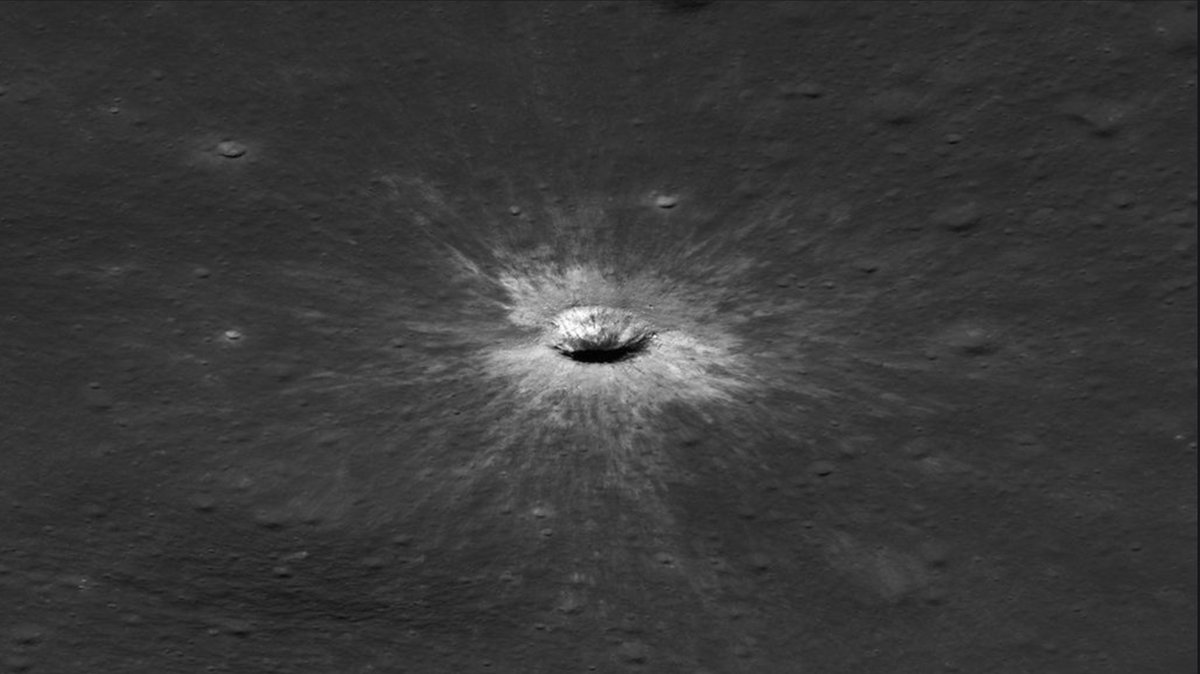
The Moon’s got a big new crater! 🕳️
Spotted by NASA’s Lunar Reconnaissance Orbiter, the McGetchin crater formed when a rock as big as a six-story building crashed into the Moon. It’s 141 feet deep and wider than the length of two football fields.🪨💥🌕
https://t.co/I2fX7bPts1