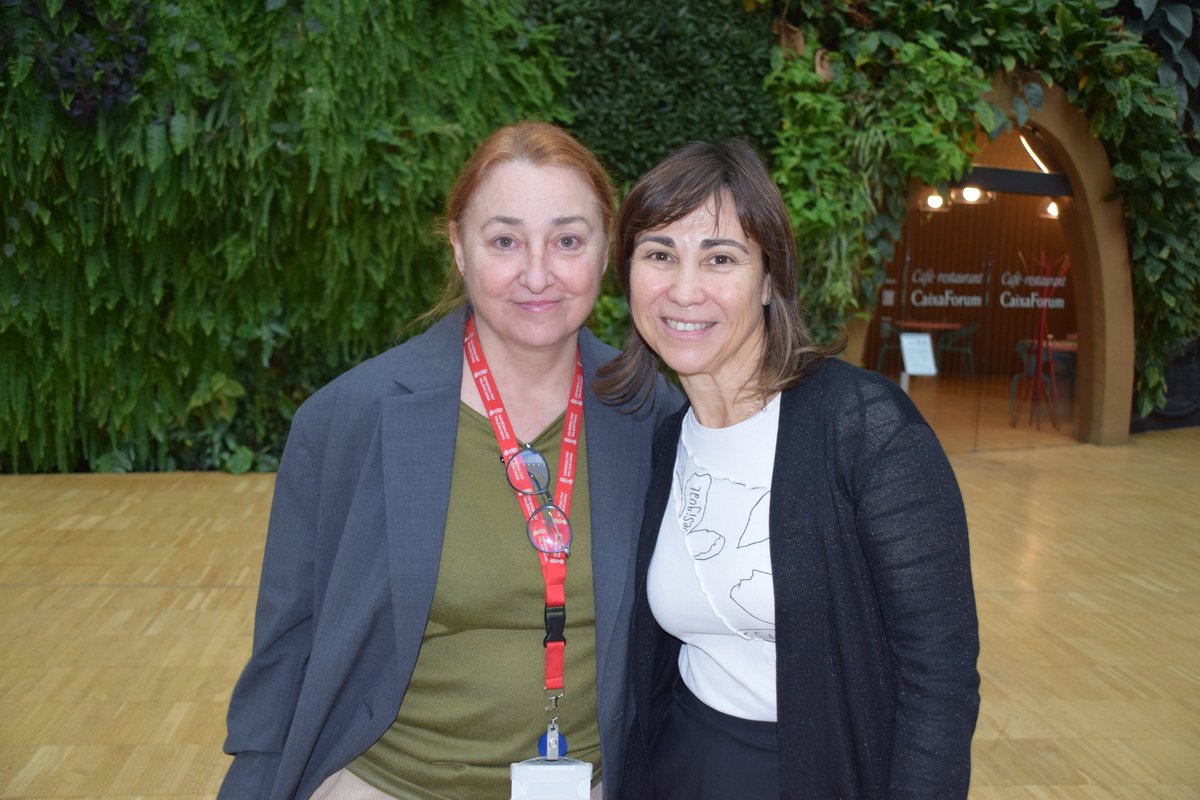
Hoy hemos participado en el II Foro de Investigación Enfermera del @GVAdsarnau🏥
Nuestra directora gerente, Marisa Caparrós, y Andrea Seguí (Área de #Innovación) y Arantxa García (Área de #Proyectos I+D+i) han intervenido sobre cómo transformar ideas en proyectos de salud🚀🔬
🔬 Fisabio crea un Comité de Ética de la Investigación con medicamentos para reforzar las garantías en investigación biomédica
📍El comité ya ha celebrado su primera reunión tras recibir la acreditación oficial de la Conselleria de Sanidad
🔗Toda la info:https://t.co/WZ1N01HfXK
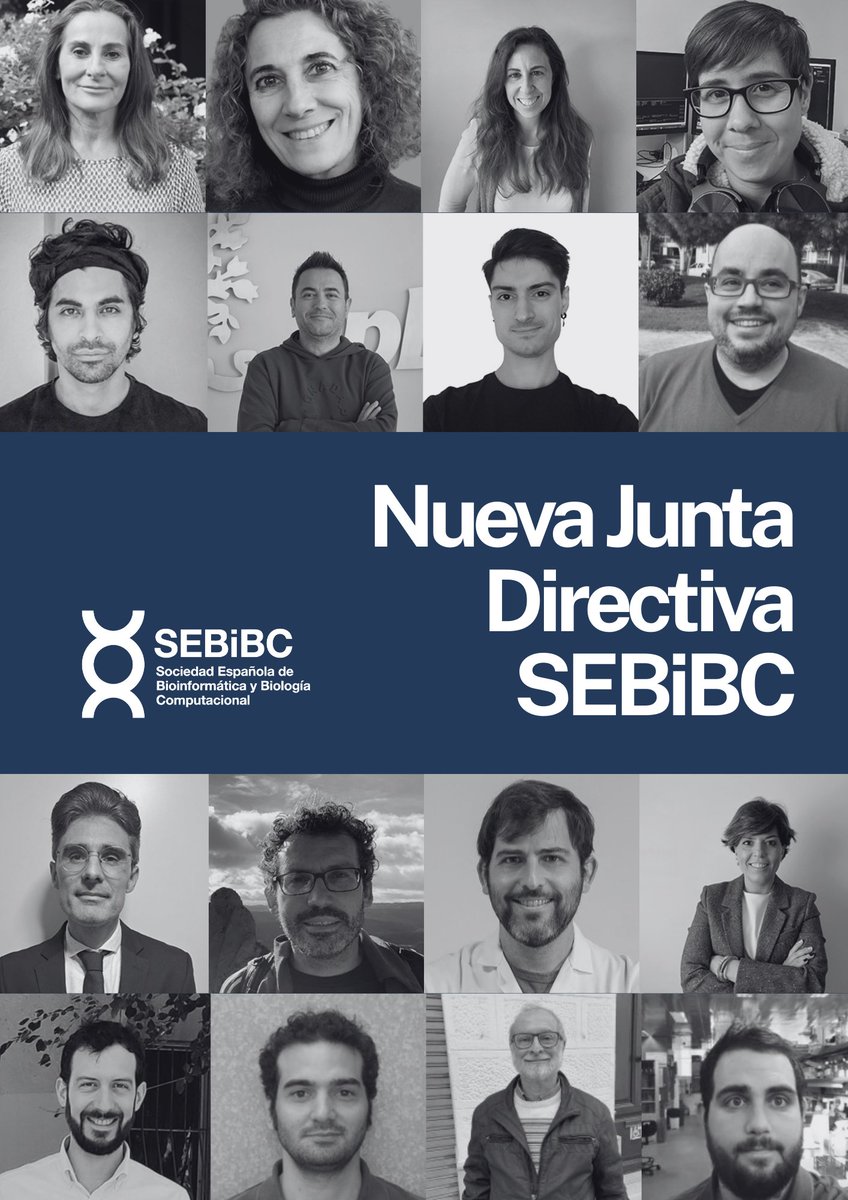
🔵 Presentamos la nueva Junta Directiva de @SEBiBC_es, acordada en la Asamblea General del 11/12/2025.
Presidencia: @anaconesa
Vicepresidencia: @icuestap
Secretaría: @sara_mfdez
Tesorería: @fsanchezcabo
Conoce a toda la Junta y sus vocalías👇
https://t.co/fRVtufNR1t
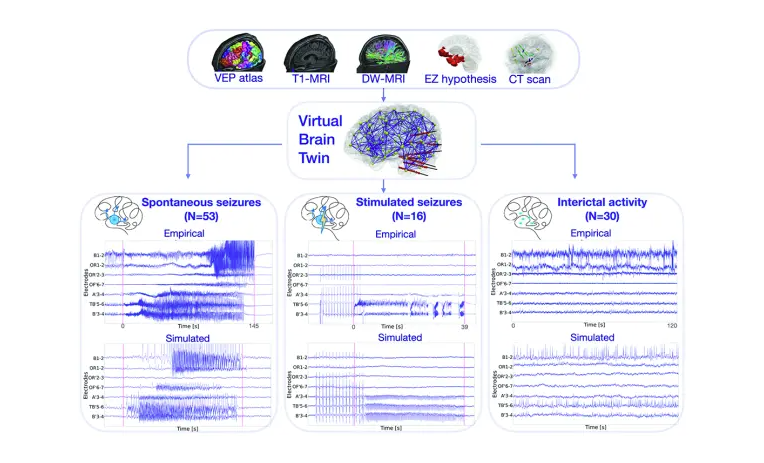
On #WorldEpilepsyDay, EBRAINS highlights its role as a European Research Infrastructure supporting and hosting the tools used by Virtual Brain Twin (VBT) project.
By enabling the creation and analysis of personalised virtual brain twins, EBRAINS provides the digital infrastructure, tools, and services needed to generate robust ground truth for epilepsy research.
These models support a deeper understanding of individual brain dynamics and help bridge the gap between neuroscience research and clinical applications.
This work reflects EBRAINS’ commitment to advancing brain health through open, federated, and interoperable research infrastructure that supports innovation across Europe.
Interesting results of the researchers work are available here: https://t.co/PrjwKI1LsO
The drug design engine we’re building at @IsomorphicLabs is extending the SOTA further across key benchmarks, showing huge progress in accuracy and capabilities critical for in-silico drug discovery. Incredible work from @maxjaderberg and the entire team at Isomorphic Labs!
🤝 @GVASanitat lidera la coordinación y comunicación científica en el proyecto de investigación contra el cáncer JANE2 en el que participan más de 29 países
🔬 El objetivo es impulsar la investigación contra el cáncer a nivel europeo
Las momias prehistóricas de Atacama guardan un detalle anatómico fuera de lo común: así se explica la reducción del cerebro tras miles de años en el desierto https://t.co/3sIsStLGfQ
Una jornada para promover alianzas estratégicas y mayores éxitos en las convocatorias más competitivas en el marco europeo, impulsada por la Dirección General de Investigación e Innovación y el servicio de Fomento de Redes y Centros de Excelencia de @GVAsanitat
Querida Maria Jesús, toda la plantilla del CIPF celebra tus logros. Te felicitamos por el merecido premio @PremiosReiJaume Una trayectoria brillante y pionera en nanomedicina, emprendedora y muy inspiradora. El CIPF cumple 20 años en 2025 y qué prestigioso regalo nos ha traído.
🤝#Fisabio y el @GTRecerca lideran estudios pioneros con inteligencia artificial para mejorar los diagnósticos médicos
🔎💻Mediante algoritmos computacionales, transforman im��genes médicas en datos para extraer información sobre órganos o lesiones🫁
https://t.co/1EhttvQqIN
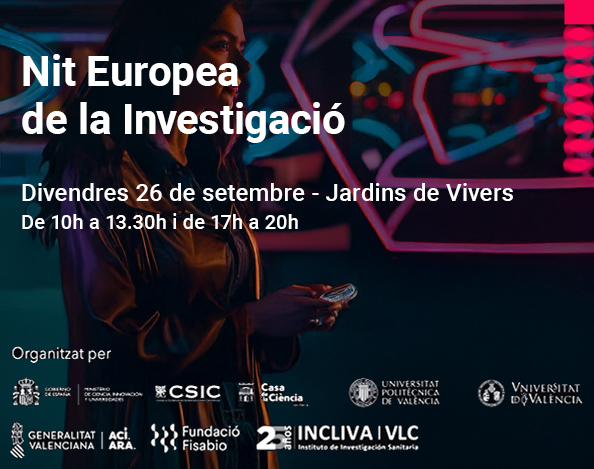
🍊¿Buscas un plan diferente en #València?
Ven a la #NochedelaInvestigación el 26 de septiembre y participa en talleres científicos para toda la familia 👨👩👧👦
🔬Biomedicina, genética, tecnología y más
🎟️Gratuito
📍Jardines de Viveros
¡La ciencia te espera!
https://t.co/yeG8t8wt2J
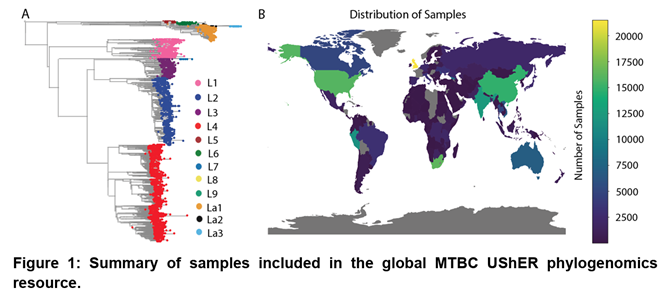
We have team up with @RussCorbett lab to bring the fantastic SARS-CoV-2 UShER to TB phylogenomic data. We explore applications in phylogenetics, public health and aDNA using de novo phylogenies and for placing samples in a >129K genome phylogeny! 👇
https://t.co/v0ZDOSyDvt
Excited to share our latest releases to the FAIR Chemistry’s family of open datasets and models: OMol25 and UMA! @AIatMeta@OpenCatalyst
OMol25: https://t.co/UhIDiFFzzN
UMA: https://t.co/eQ2wPIxbxY
Blog: https://t.co/VFaeynyZN7
Demo: https://t.co/Dj29ZfhBRO
Congratulations Irene Pérez! Great thesis defense today at CIPF: "Development and application of novel computational approaches for the characterization of cancer subtypes", directed by Mª de la Iglesia-Vayá and Fco. García García #PhD#cancer
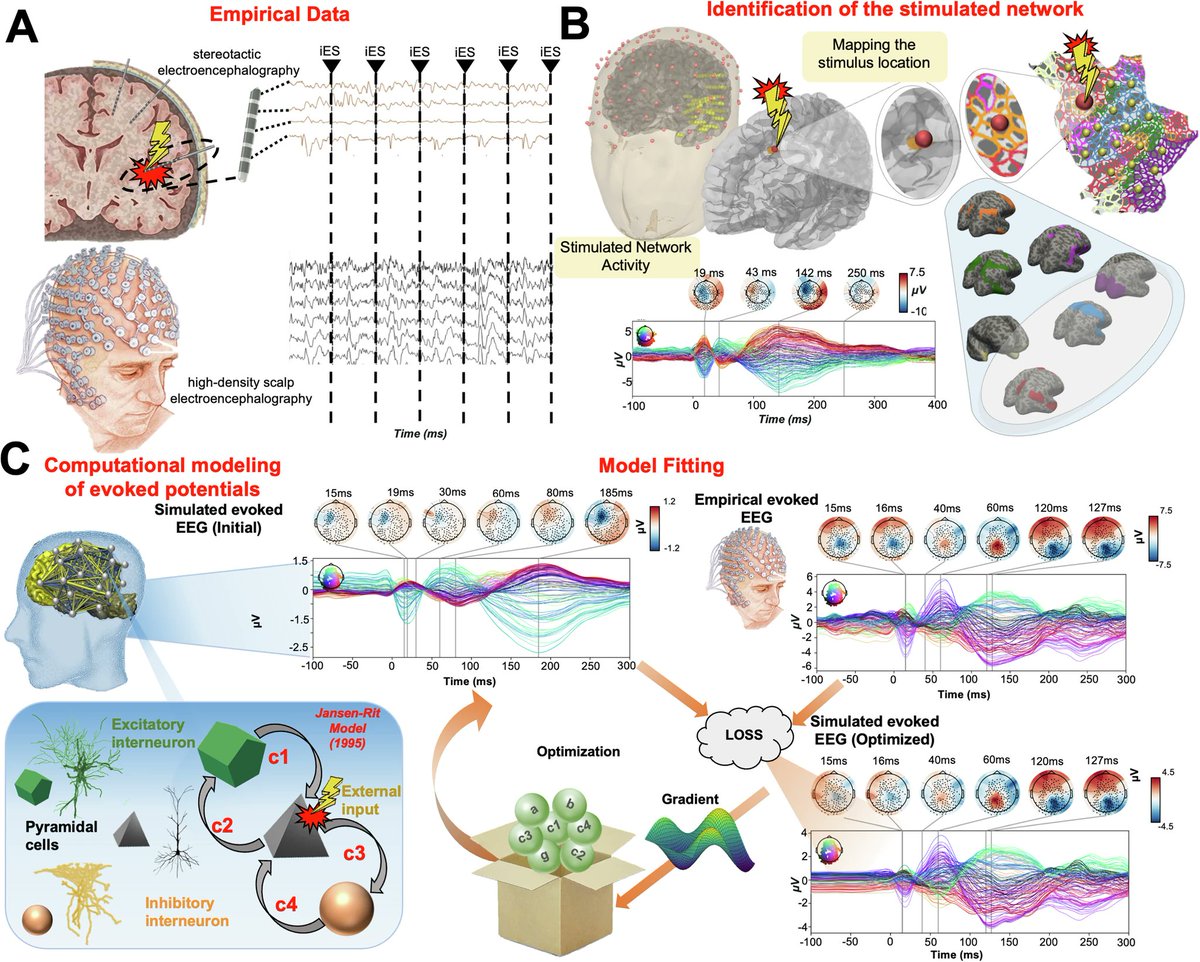
1/11 How does our brain's hierarchical organization impact its response to stimulation? We found striking differences between "high-order" networks (involved in complex cognition) vs "low-order" networks (handling sensory/motor functions) @NatureComms
https://t.co/LyjzKhEbju