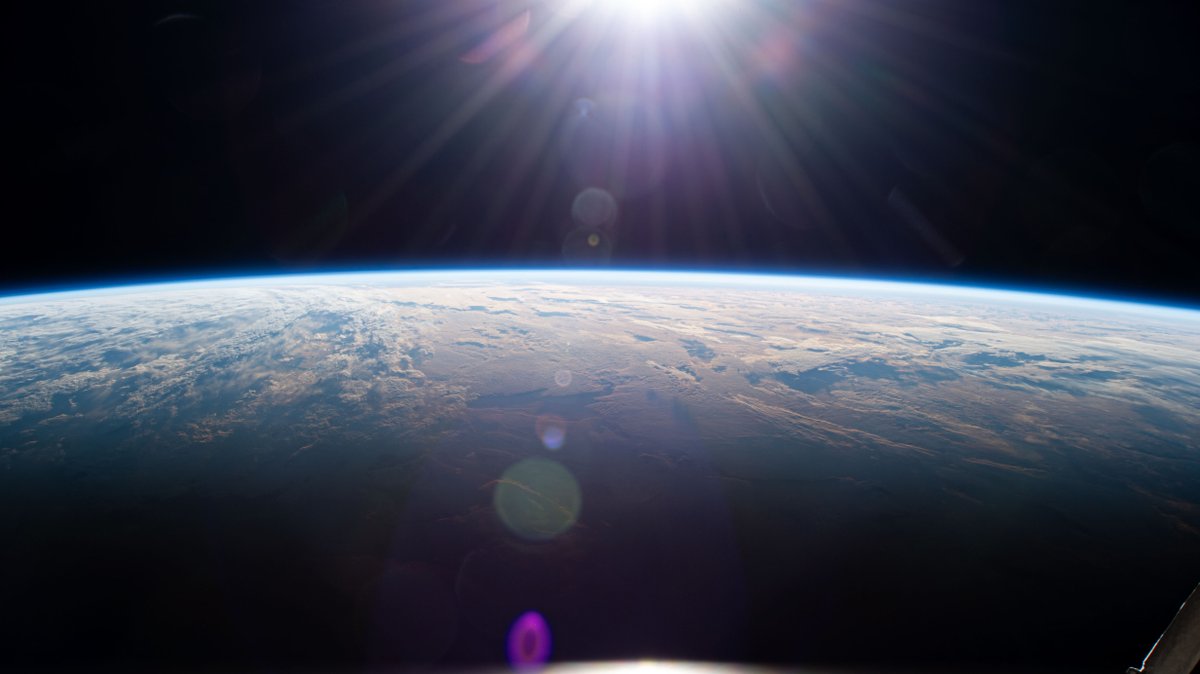
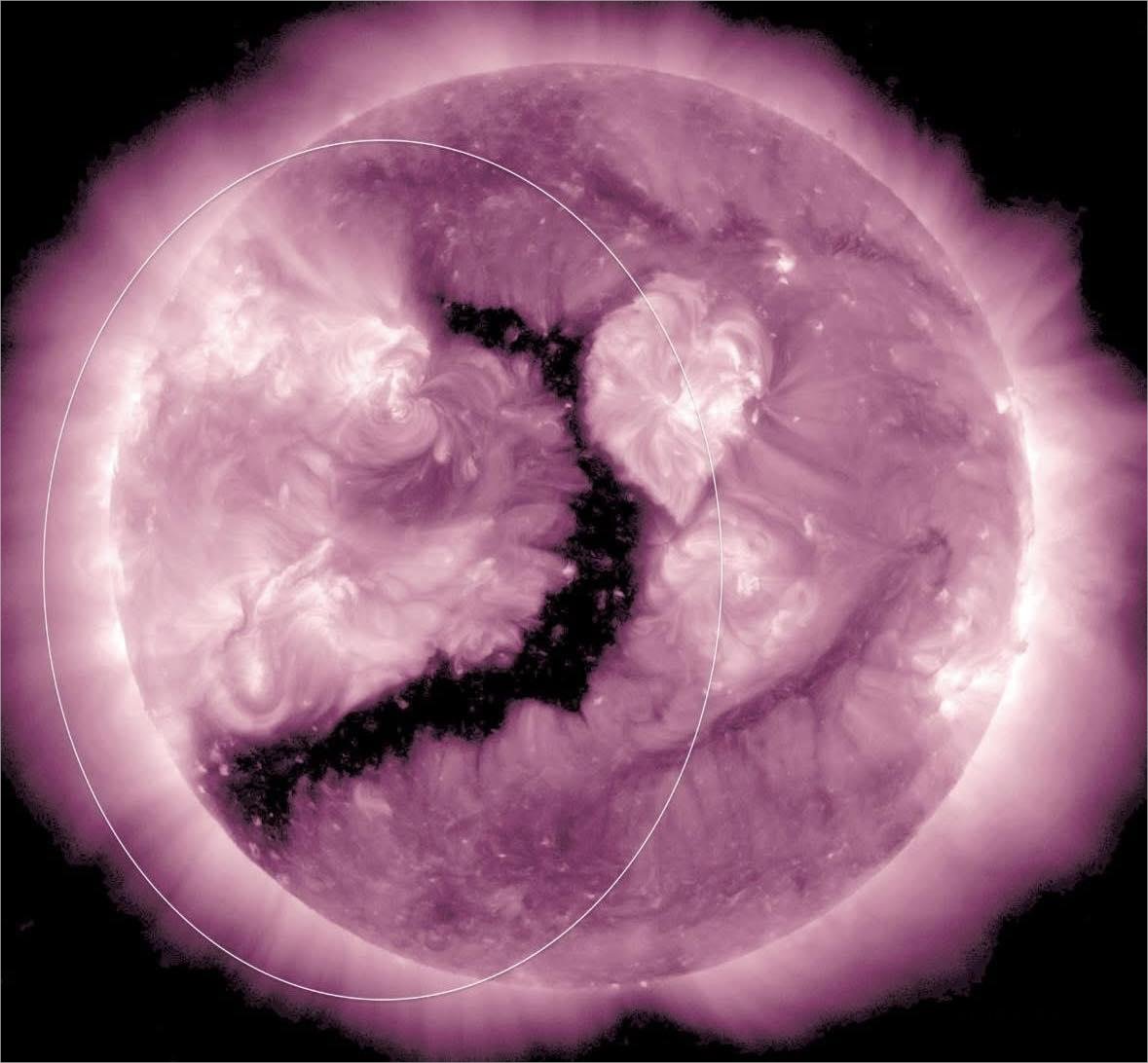
Happy summer solstice ☀️
Today marks the start of astronomical summer in the Northern Hemisphere and the longest stretch of daylight. It’s the day the Northern hemisphere is most tilted toward the Sun. https://t.co/k0qPHyGw5l
Danielle Smith campaigned and still claims "smaller government" as one of the UCP pillars. Here are some facts:
Cabinet Size by Premier:
• Stelmach-19
• Redford-21
•Prentice-21
•Notely-12!!!
• Kenny-23
Danielle Smith-38!!!
Make your own conclusions from this information.
Fist bump! 👊
The Artemis II crew is now under 35,000 miles from Earth. The astronauts are preparing the spacecraft for reentry and the weather is looking good for splashdown.
The Whore Media won't report this, but Ireland is rising up. Their anger is directed at the ruling class which has made it quite plain the ambition is to replace the Irish as the native population. Ireland is now the canary in the genocide coal mine.
Un dato curioso:
Orión tardó 42:50 minutos en cruzar el lado oculto de la luna.
The Dark Side of the Moon dura exactamente 42:50 minutos.
Guiños involuntarios de la historia 😉
#ArtemisII
Every cup of coffee you’ve ever drunk worked because gravity pulled the liquid down and tipped it toward your mouth when you tilted the mug. Take gravity away, and the coffee floats in a ball. Won’t go near your lips.
For decades, astronauts drank everything from sealed plastic bags through a straw. Coffee, water, juice. Like a grown-up juice box. NASA astronaut Don Pettit, a chemical engineer with a PhD from the University of Arizona, got tired of it. So during a two-week shuttle mission to the International Space Station in November 2008, he grabbed some leftover plastic film and heat-resistant tape floating around the cabin and built himself a cup. 250 miles above Earth. On his own time. He called it “just goofing around.”
The shape is everything. It looks like a squished teardrop with a narrow groove running from the bottom to the rim along one wall. That groove does what gravity normally does. It uses something called capillary flow, which is the same force that makes a paper towel soak up a spill. Liquids naturally creep through tight spaces on their own, no gravity needed. When Pettit tilts the cup toward his face, the coffee crawls up that groove and reaches his lips, pulled along by the way liquid molecules cling to surfaces and to each other.
That cup earned the first patent ever granted for something invented entirely in space. Mark Weislogel, a researcher at Portland State University in Oregon, later took Pettit’s taped-together prototype and 3D-printed a proper version from food-safe plastic. NASA tested it in flight. A porcelain version ended up on the station permanently, and you can buy one online for under $100 from a company called Spaceware.
Rocket fuel tanks deal with the exact same problem, which is what makes this cup more than a novelty. In zero gravity, fuel drifts randomly inside the tank instead of pooling at the bottom where the engine can reach it. If the engine sucks in gas bubbles instead of liquid fuel, it shuts down. So engineers build tiny grooves inside fuel tanks, called capillary vanes, that use the same physics as Pettit’s coffee cup to pull fuel toward the outlet. Every spacecraft ever flown has carried extra fuel because these groove systems still can’t squeeze out every last drop.
Italy took the coffee obsession further. In 2015, the Italian Space Agency teamed up with coffee company Lavazza to send a 44-pound espresso machine to the station, called ISSpresso. Astronaut Samantha Cristoforetti brewed the first real espresso in orbit on May 3rd that year. Before that, the only coffee in space was freeze-dried powder mixed with lukewarm water.
Pettit landed back on Earth in April 2025 on his 70th birthday, after spending a total of 590 days off the planet across four missions (about a year and eight months in orbit). He is NASA’s oldest active astronaut. The cup he taped together on a slow afternoon in 2008 is now informing how engineers move liquids through the spacecraft headed for Mars.
I'm doing a Reddit AMA on r/Alberta tomorrow (Tuesday April 7th) at 10am MT. People have asked for a while and the timing felt right. Mostly talking https://t.co/o21IZ73Yav but it is an Ask Me Anything so happy to field a few music ones too. https://t.co/gNIWQX0MGa
You can model a lightning strike by letting it solve a maze.
If there is no connection, nothing happens. The air simply resists.
If there is a connection, that path becomes the easiest route, so the discharge snaps through it.