It is hard to communicate how much programming has changed due to AI in the last 2 months: not gradually and over time in the "progress as usual" way, but specifically this last December. There are a number of asterisks but imo coding agents basically didn’t work before December and basically work since - the models have significantly higher quality, long-term coherence and tenacity and they can power through large and long tasks, well past enough that it is extremely disruptive to the default programming workflow.
Just to give an example, over the weekend I was building a local video analysis dashboard for the cameras of my home so I wrote: “Here is the local IP and username/password of my DGX Spark. Log in, set up ssh keys, set up vLLM, download and bench Qwen3-VL, set up a server endpoint to inference videos, a basic web ui dashboard, test everything, set it up with systemd, record memory notes for yourself and write up a markdown report for me”. The agent went off for ~30 minutes, ran into multiple issues, researched solutions online, resolved them one by one, wrote the code, tested it, debugged it, set up the services, and came back with the report and it was just done. I didn’t touch anything. All of this could easily have been a weekend project just 3 months ago but today it’s something you kick off and forget about for 30 minutes.
As a result, programming is becoming unrecognizable. You’re not typing computer code into an editor like the way things were since computers were invented, that era is over. You're spinning up AI agents, giving them tasks *in English* and managing and reviewing their work in parallel. The biggest prize is in figuring out how you can keep ascending the layers of abstraction to set up long-running orchestrator Claws with all of the right tools, memory and instructions that productively manage multiple parallel Code instances for you. The leverage achievable via top tier "agentic engineering" feels very high right now.
It’s not perfect, it needs high-level direction, judgement, taste, oversight, iteration and hints and ideas. It works a lot better in some scenarios than others (e.g. especially for tasks that are well-specified and where you can verify/test functionality). The key is to build intuition to decompose the task just right to hand off the parts that work and help out around the edges. But imo, this is nowhere near "business as usual" time in software.
The bias for action , has produced so many ‘busy’ people . What’s required is bias for improvement , bias for iteration, bias for celebration.
In AI world , the hardest thing is going to be making people resist FoMo . FoMo on entertainment, knowledge, growth, money .
As I've grown older, I've become increasingly health-conscious. If I could go back in time and change one thing, I would've started focusing on diet, nutrition and sleep much earlier.
With each passing year, I've been thinking more about health and fitness, and I've been trying to encourage those around me, both personally and at work, to prioritise their health.
I've also realised that simple and repeatable behaviours make the biggest difference. It's not about running marathons, living in the gym, or doing Hyrox, or whatever. It's about making small daily choices, such as walking outside instead of doom scrolling, attending a Group fitness class instead of Netflix, opting for grilled over deep-fried, questioning the source of everything you eat, and more. These small decisions, compounded over time, can have a significant impact.
Most of us on the core team in the office are health-conscious, which has led to numerous conversations about how we can help others become healthier. That's when we started supporting founders working on making Indians healthier through @rainmatterin. Given the current state of air and water quality in our cities, I've been increasingly thinking about what more we can do.
The newest initiative we recently started, @peakst8_club, aims to create offline experiences centred on health. The hope is that these events will encourage people to begin their health and fitness journeys. We've been experimenting with different formats, and now we're hosting our first mega event on Jan 10th in Bengaluru, a full-day health festival with Rainmatter Health portfolio startups and friends from the ecosystem.
If you're interested, sign up: (link in comments)
But even otherwise, January is supposedly a good time for resolutions. But honestly? Today is as good as it gets.
🚨 It's been just 88 hours since the ChatGPT Agent launched.
And the Internet is already losing its mind.
Here are 15 WILD ways people are using it (wait till you see #5):
Cursor + Cluely tip
go to a page you want to clone
ask @cluely to reverse engineer it's prompt
copy prompt and paste in cursor
get a similar website in minutes🤯
Cursor is literally the best AI coding tool.
But most AI projects break because of 3 core issues:
- AI hallucinations
- Loop of errors
- Context awareness
Here’s the system I use to fix all 3.
It’s called the Context Boundary Method ↓
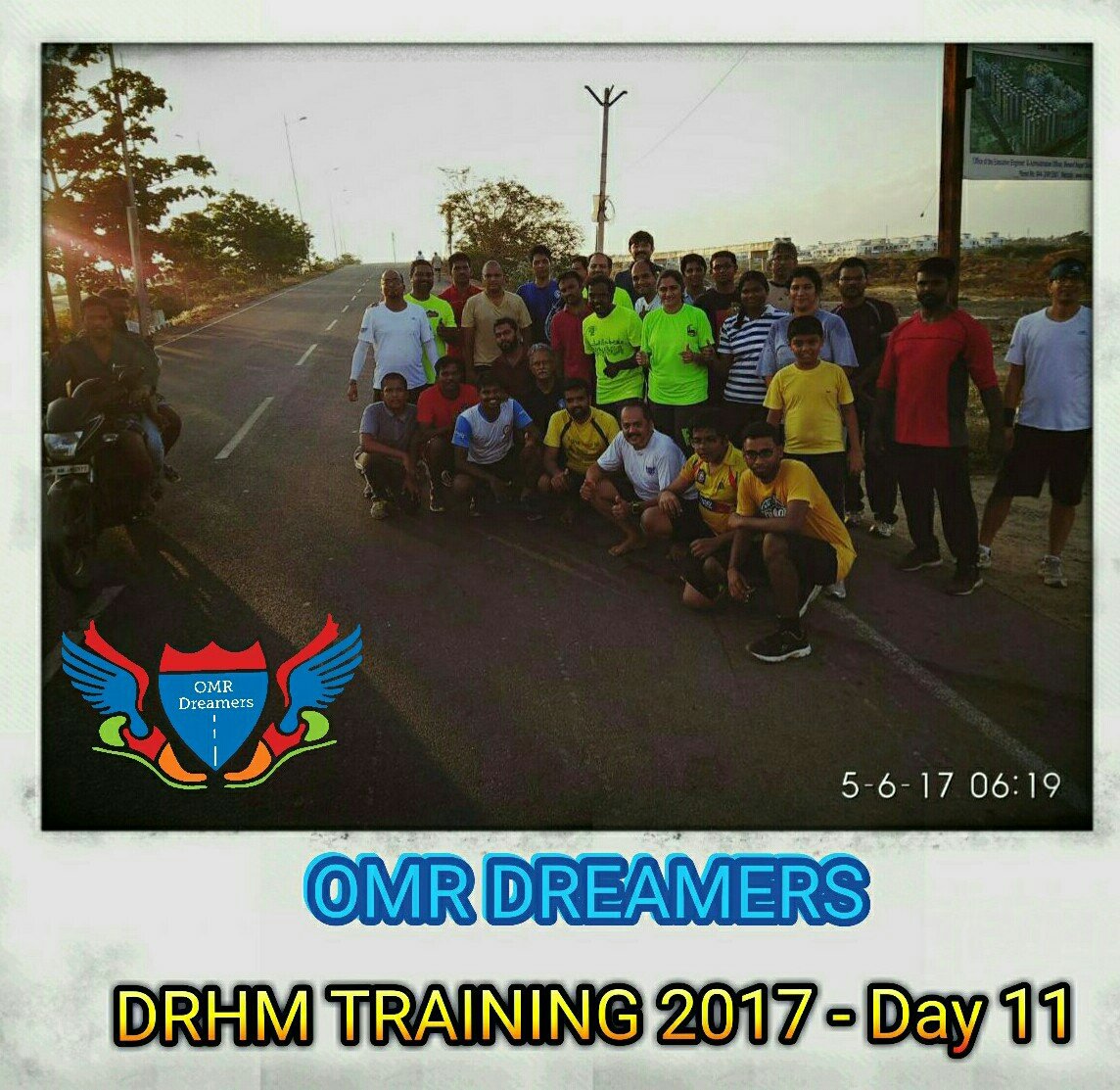
10 years strong and still going @omr_dreamers!
OMR Dreamers marked a decade of determination with an energizing Runderful Sunday at Free Hitz Sports, Sholinganallur. This special session wasn’t about the miles-but the muscle.
I code with AI tools for 6-7 hours daily.
Built over 36 projects in last 12 months.
Truth: "Build me ........... app" in 1 prompt is not possible.
So, here're all the MISTAKES you might be making with AI code:
Over the last six months, I’ve built 16+ SaaS products using Cursor.
If you’re a beginner, this thread has everything you need to get started and make the most of Cursor
Cursor introduces AI Agents
🎯 Hands-on Tutorial to create an App
🔍 What is Cursor AI?
⚙️ How to Install?
🏃♂️ How to Use?
🔌 How to Create Applications?
💡 Key Features
⚖️ Comparison with @Replit Agents and https://t.co/PJn7JFMxF2
@cursor_ai
The summer we've all been waiting for is here. Thala has returned and the yellow army is back. What are you waiting for? #WhistlePodu. #Yellove#SummerIsHere 💛🦁