Personal update: I've joined Anthropic. I think the next few years at the frontier of LLMs will be especially formative. I am very excited to join the team here and get back to R&D. I remain deeply passionate about education and plan to resume my work on it in time.
Now that Artemis II has launched we have 10 days to get everyone on Earth a Planet of the Apes costume so we can do something hilarious when the astronauts return 😁
I am proud of the NASA team, and we will never stop elevating our game. SpaceX mission streaming is top notch. They have had a few hundred launch opportunities to dial it in. As we improve our launch cadence - I promise we will improve the streaming coverage along with it. In the interim, Artemis II is headed to the Moon.
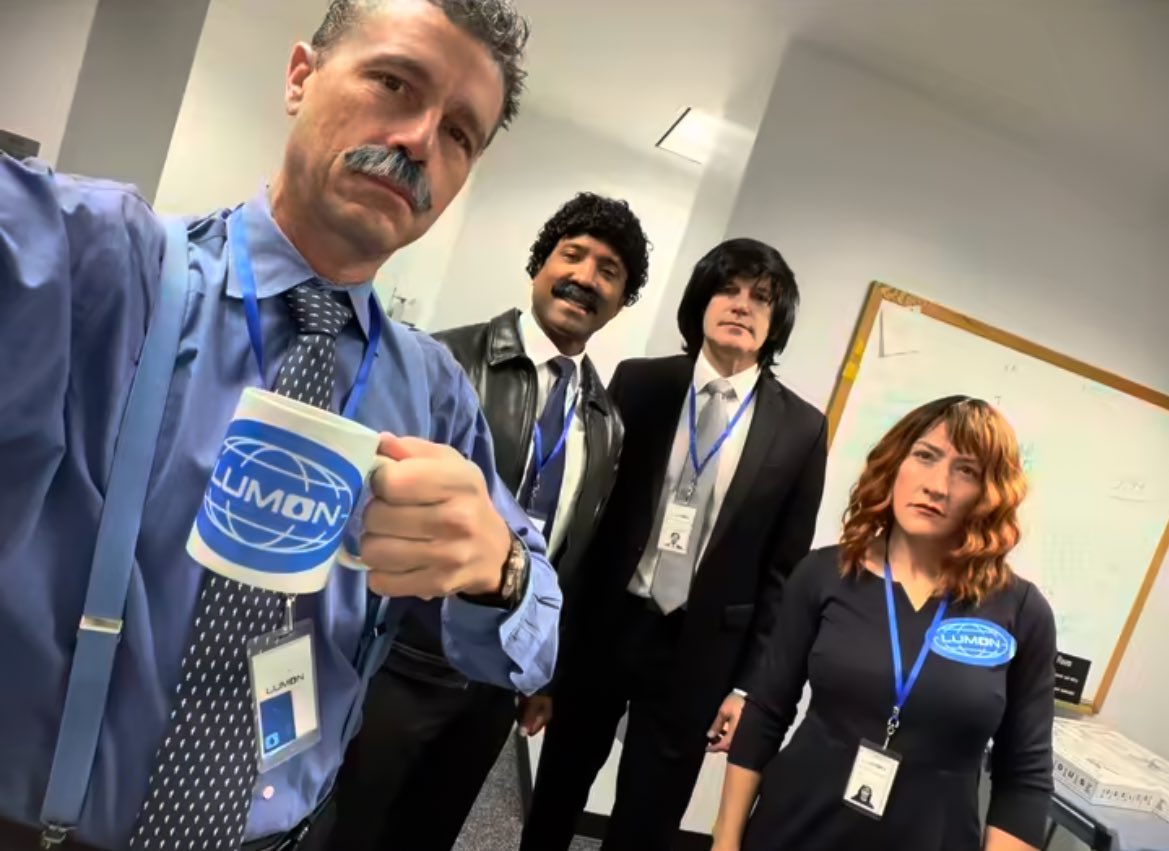
In honor of yesterday’s Artemis II mission launch, here’s a photo of the Artemis II crew dressed up as the characters of Severance for Halloween 2025! 🩵
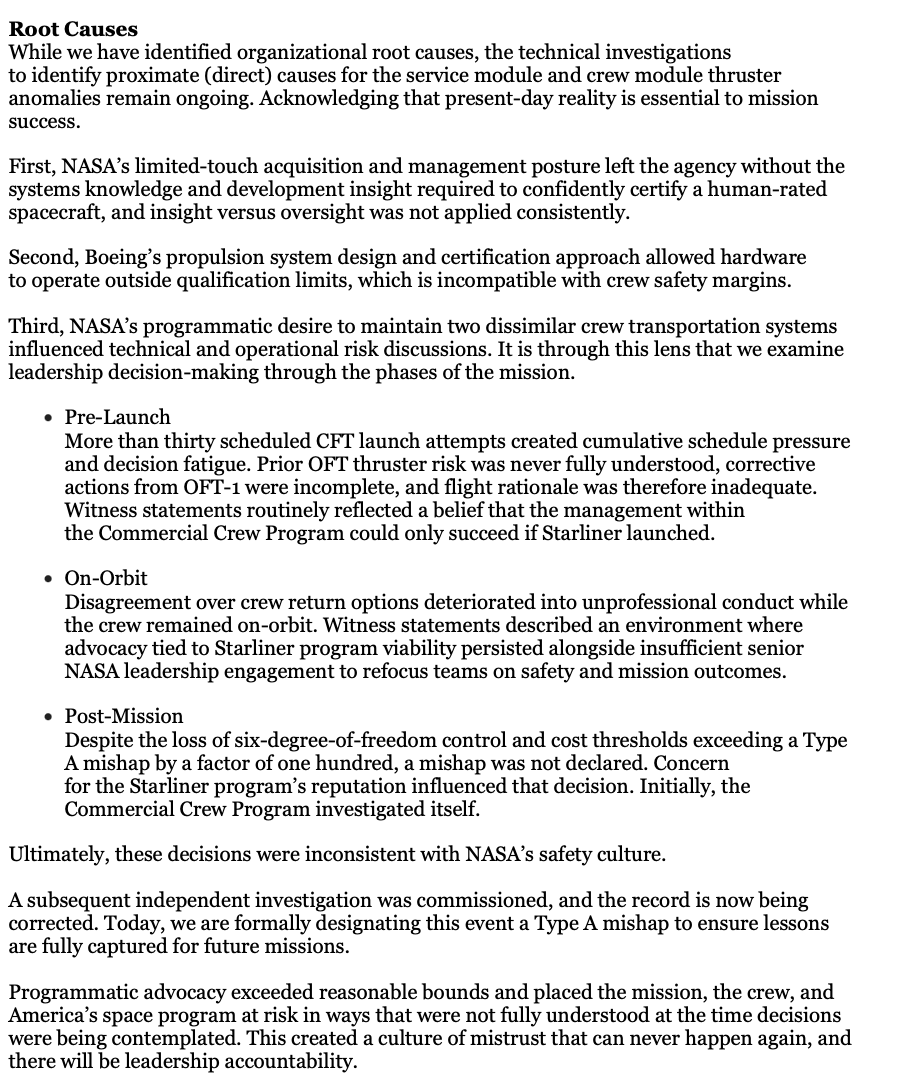
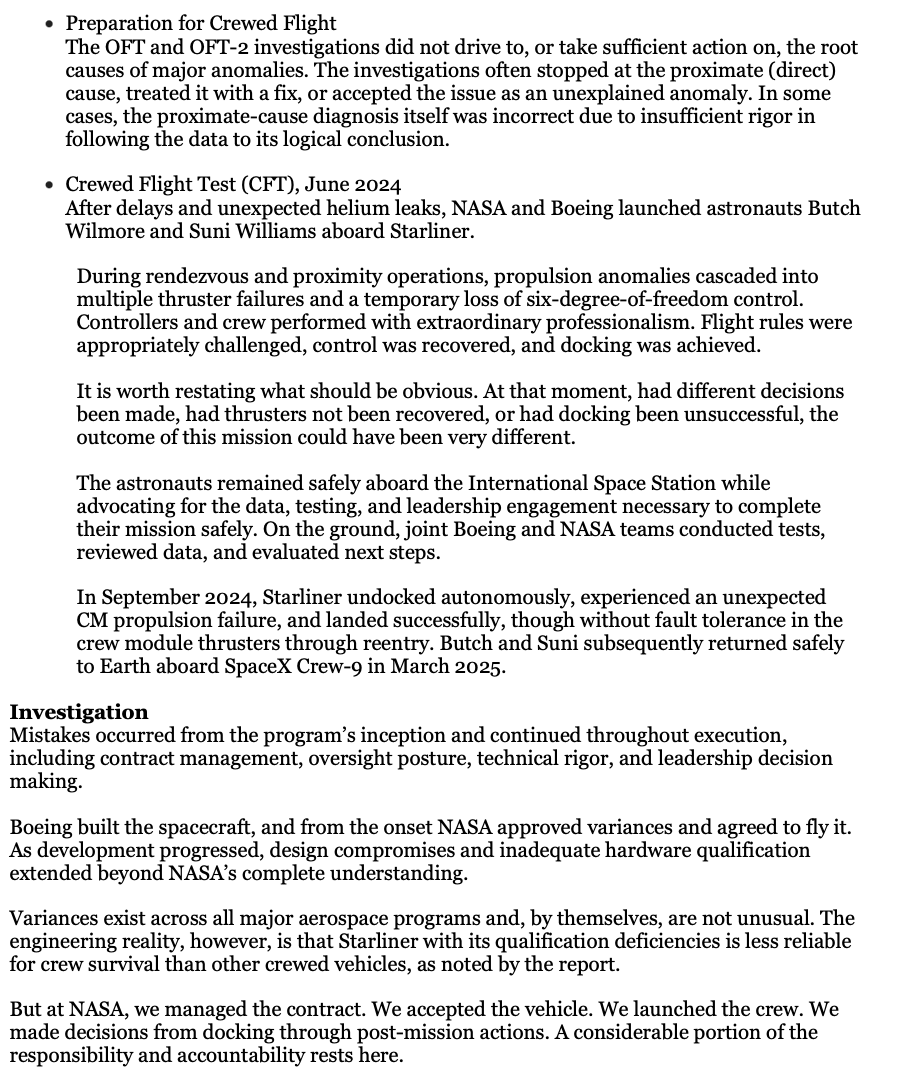
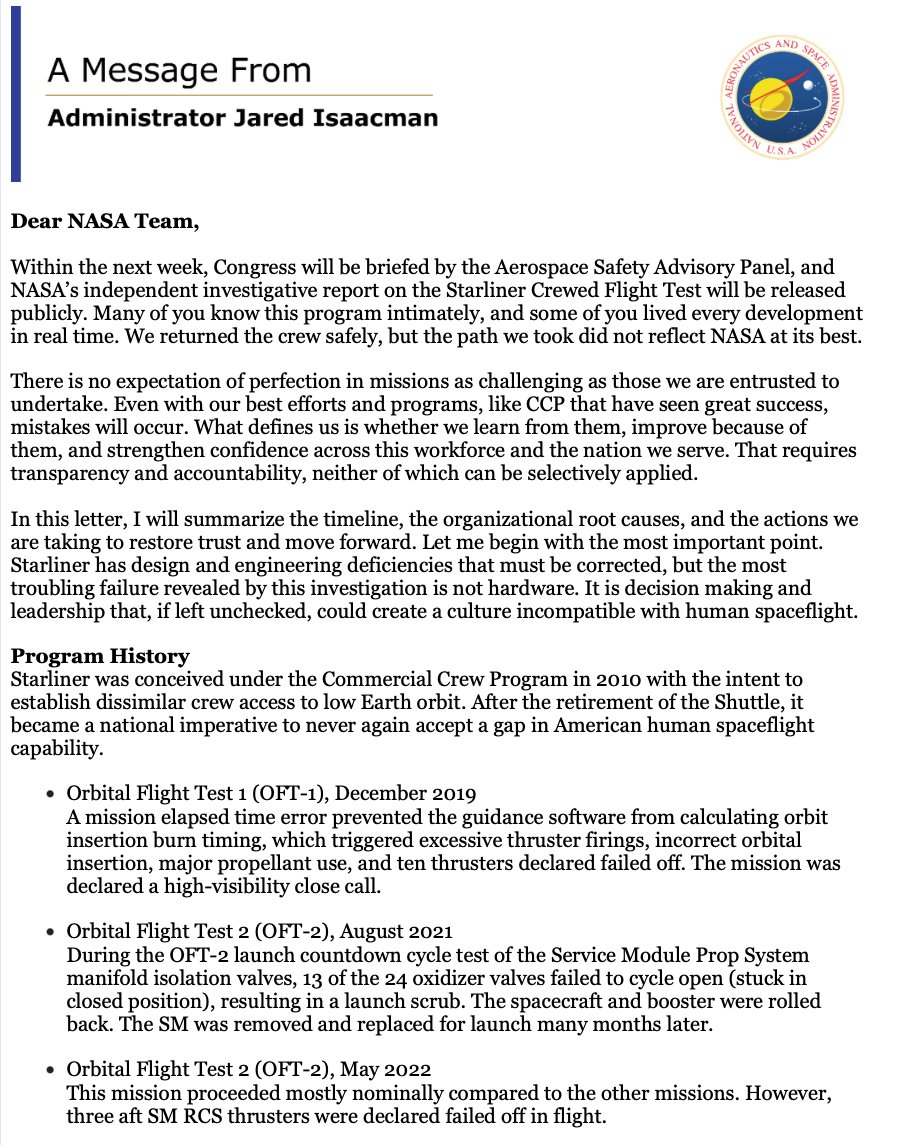
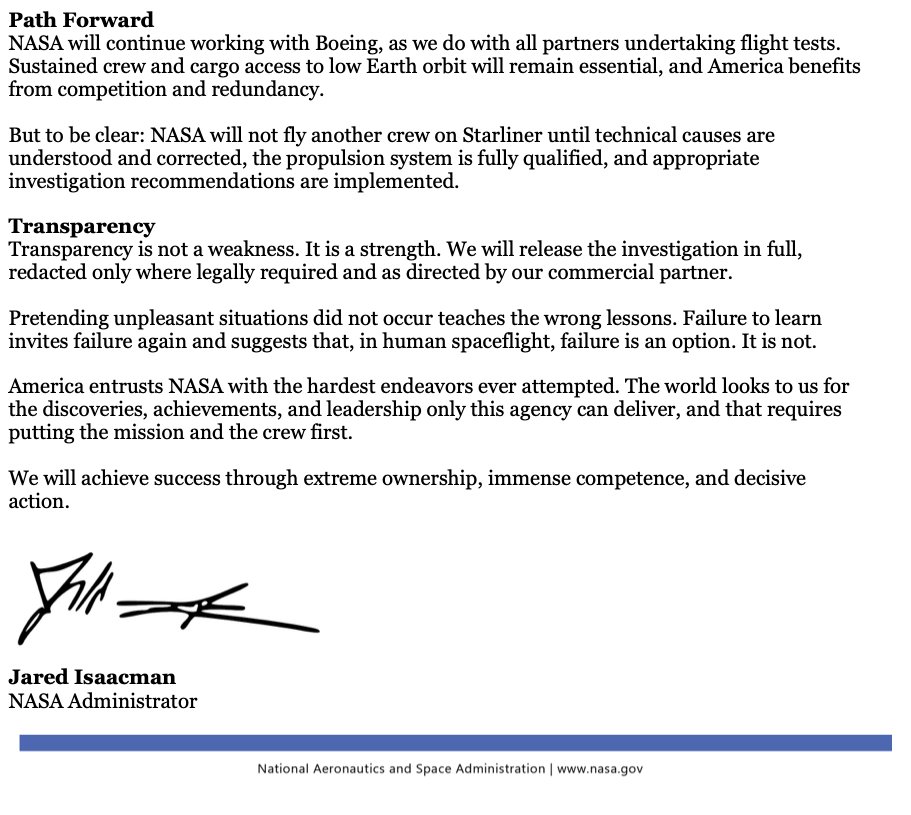
Below is the note that I sent to the NASA workforce today as we release the report on the Starliner Crew Flight Test Investigation.
We will achieve success through extreme ownership, immense competence, and decisive action.
Google just released TimesFM (a Time Series Foundation Model) - a 200M-parameter model that can forecast time-series data it has never seen before, with no additional fine-tuning required.
Time-series forecasting is required everywhere - retail, finance, healthcare, etc. And for the longest time, this was the domain of traditional statistical methods. Then deep learning models came along and did better, but they involved long training and validation cycles before you could even test them on new data.
TimesFM changes this. All we need to do is point it at a new dataset, and it gives you a solid forecast immediately - zero-shot.
The architecture is decoder-only, the same idea as GPT. Instead of words, it works with "patches" - groups of contiguous time-points treated as tokens. The model predicts the next patch from all the ones before it.
The model was pre-trained on 100 billion real-world time-points, mostly from Google Trends and Wikipedia Pageviews - which naturally capture a huge variety of patterns across domains.
On benchmarks, zero-shot TimesFM matches PatchTST and DeepAR that were explicitly trained on those datasets, and even beats GPT-3.5 on forecasting tasks despite being far smaller.
The model is open on HuggingFace and GitHub if you want to try it.
In the last dozen years, tech has dramatically reshaped our lives. And, somehow, it also reshaped my face.
My final @WSJ video looks back on 12 crazy years of tech and of my tech videos. Seriously, who let me do some of this stuff!?