3rd Year Aerospace Engineering Undergrad |
Combustion : my only friend and enemy |
I design, analyze Rocket Propulsion systems and Aerospace Structures | CFD |
@neerajKh_ Sir, are there any internship openings ?
I am pre-final year Aerospace engineering undergrad here in Bangalore, deeply passionate about Rocket Propulsion and Launch vehicles.
@devakumar_t@astrobase_space Sir, are there any internship openings ?
I am pre-final year Aerospace engineering undergrad here in Bangalore, deeply passionate about Rocket Propulsion and Launch vehicles. Would love to contribute towards Indias growing Spacetech journey !
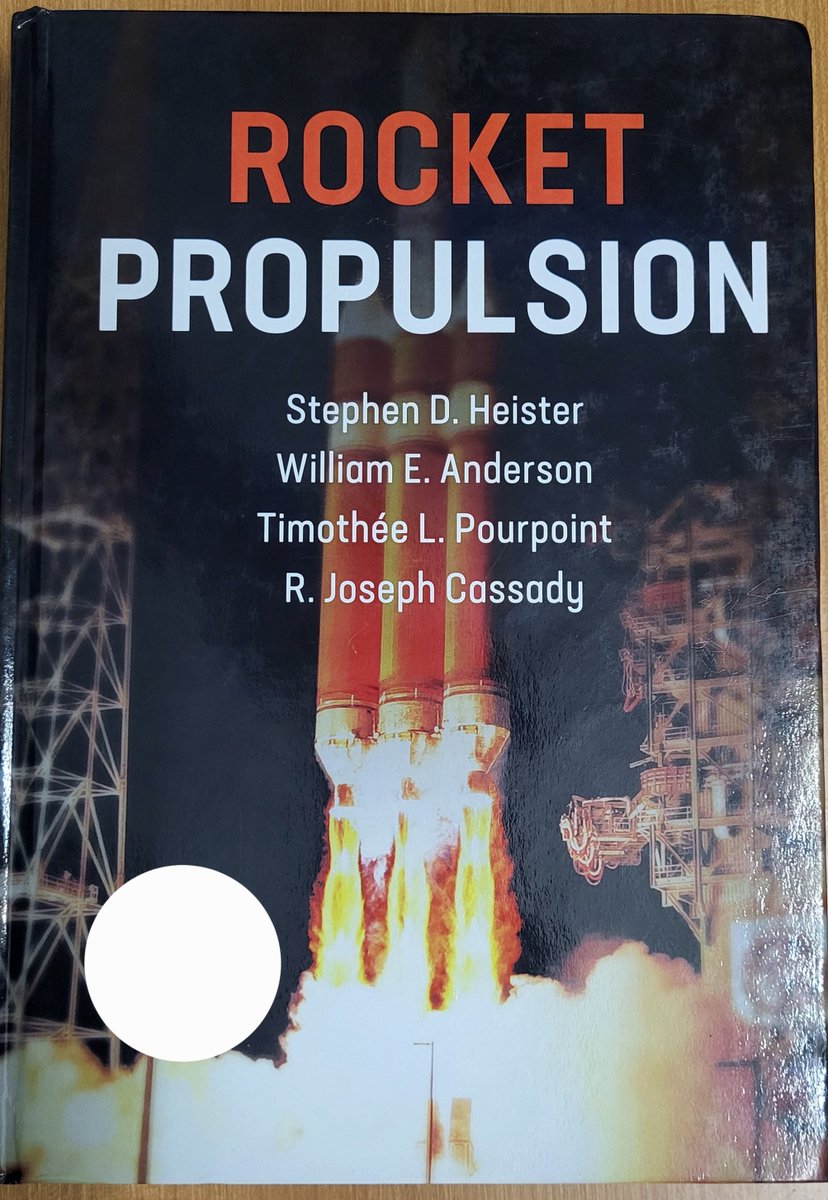
The depth on turbomachinery, power balance, inducer design, turbine fundamentals, rotor dynamaics, injectors design, combustion instability, is just incredible.
If anyone wanna truly understand every subsystem of a LRE, I can't recommend this book enough.
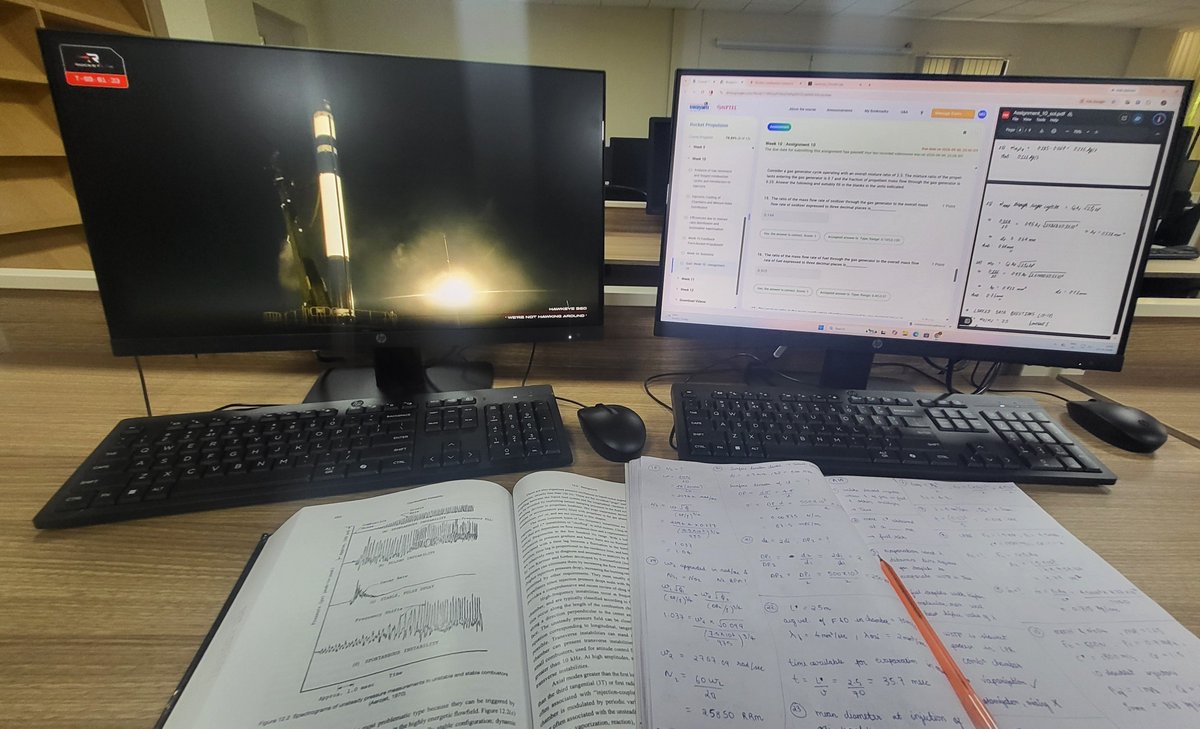
Major project update - moving to the next phase: design of Turbopumps & Turbines, now diving deep into the heart of a LRE.
Currently reading this gem Rocket Propulsion by Heister. Along with Sutton's RPE, this is hands down one of the best references for LREs.
Engineered a 500 kN Thrust class Liquid Rocket Engine CD Nozzle targeting Full Flow Staged Combustion (FFSC) cycle.
design done in tools like RPA (Rocket Propulsion Analysis) & NASA CEA to balance the tradeoffs between Performance & Thermal Analysis and validated in Ansys Fluent
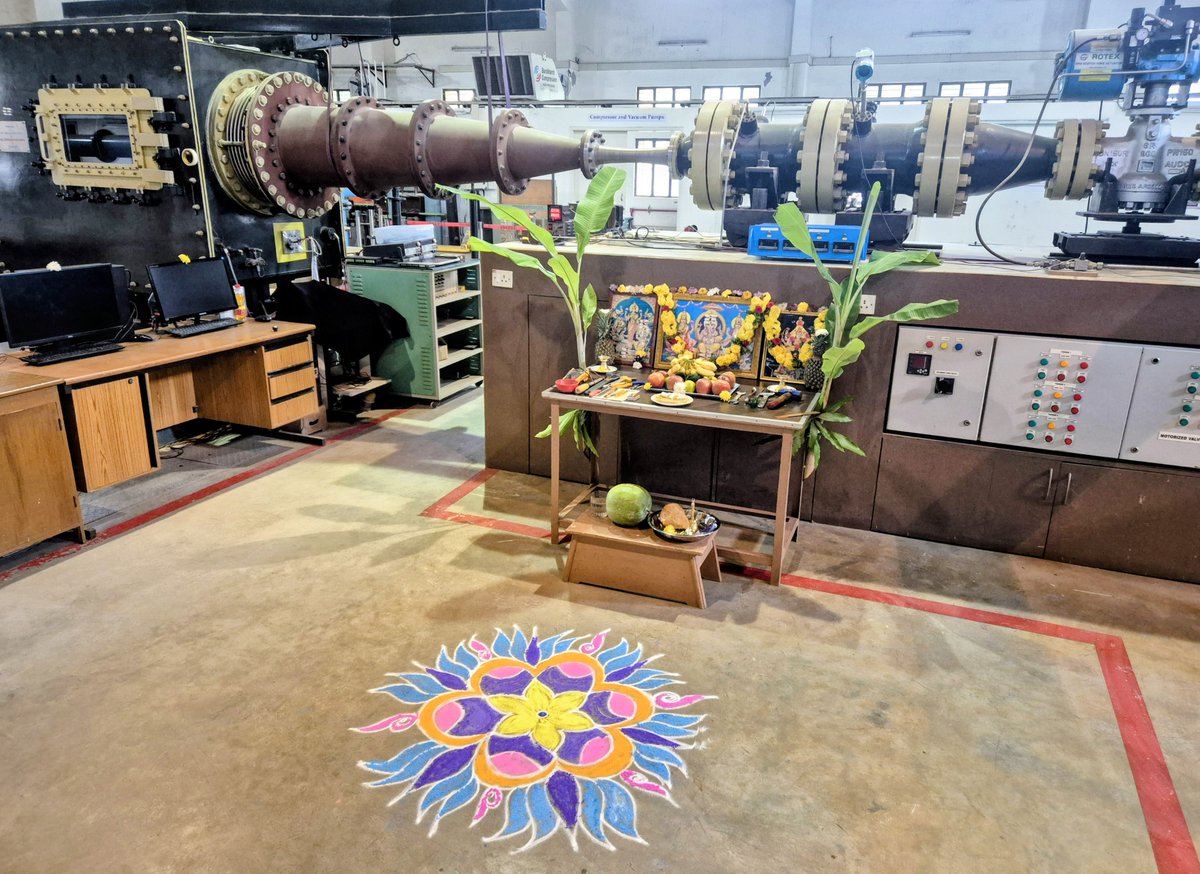
In keep with the long-standing traditions at @iiscbangalore Aerospace, today we performed Ayudha Pooja to the Roddam Narasimha Hypersonic Wind Tunnel (RNHWT) in my lab! We revere RNHWT for providing us with fantastic physical insights (and data) on various research ... [1/2]
this open source 3d render of raptor v3 engine is so cool - one of the finest engineering marvels to exist till date.
Atleast once in my life, i wanna experience a live Starship flight, these 33 beasts firing in a perfect harmony, the sheer physics involved just blows my mind.
ISRO successfully completes Crew Module Service Module separation tests for the Gaganyaan human spaceflight programme, validating a critical system that will separate the crew capsule from the service module before re-entry into Earth's atmosphere.
ISRO shares a detailed update on its LOX-Methane engine programme, the propulsion planned for the Next Generation Launch Vehicle (NGLV) and for the future heavy-lift vehicle for India's crewed lunar landing (target 2040).
Why methane?
- Clean combustion
- Low maintenance, which helps reusability
- Can be made on Mars from CO2 + water ice, which helps future Mars missions and human settlement
LM20-TD: the demonstrator (2019–2020)
- 20-tonne thrust technology demonstrator built from existing CE-20 cryogenic engine subsystems
- Converted to LOX-CH4 by modifying the propellant flow control and engine start-up systems
- Gas generator cycle, with thrust chamber, fuel-rich GG, LOX & fuel turbopumps, igniter, and a mixture ratio control valve with electric drive
- Test sequence worked out with an in-house mathematical model
- 1 cold flow + 5 hot tests at IPRC
- Gave key data on chill-down, ignition, engine start, combustion and rotor-dynamics
LME1100: the main engine (started 2023)
- 1100 kN thrust, Gas Generator Cycle
- Designed to be industry-friendly and cost-effective
- Over 70% of components made by additive manufacturing (3D printing) with industry partners across India
Gas Generator
- 3D printed, in qualification tests at IPRC
- Sub-scale GG tests worked out the ignition sequence with a spark torch igniter and tested the 3D-printed injector elements
- First ignition test of the full-scale GG on October 9, 2026, with more tests planned
Thrust Chamber
- Sub-scale hot test campaign at IPRC
- Proved the new manufacturing methods planned for the full-scale chamber
- Settled the best injector configuration
- Showed both oxidiser-rich and fuel-rich spark torch igniters working
Turbopumps
- LOX and methane turbopumps made by Indian industry
- 3D-printed LOX pump impeller spin-tested at LPSC up to its rated speed
- Seals and bearings in qualification at LPSC and IPRC
- Cold flow tests of the integrated turbopumps ongoing at IPRC
Ignition systems
- GOX-GCH4 spark torch igniters, oxidiser-rich and fuel-rich
- Semiconductor spark plug igniter (LPSC + VSSC + IIST)
- Laser ignition, demonstrated with GOX-GH2 and GOX-GCH4
What's next
- Integrated LME1100 engine ready by mid-2027, followed by a hot test series including different thrust throttling profiles
- Design completed for a 2400 kN Full Flow Staged Combustion Cycle (FFSCC) engine, meant for a future human-rated heavy-lift launch vehicle for crewed lunar landing missions
Source: https://t.co/sXzrx0ej9D
#ISRO #LOXMethane #LME1100 #NGLV #IndianSpace
🚨 𝗚𝗮𝗴𝗮𝗻𝘆𝗮𝗮𝗻 𝗖𝗠-𝗦𝗠 𝘀𝗲𝗽𝗮𝗿𝗮𝘁𝗶𝗼𝗻 𝘁𝗲𝘀𝘁
ISRO has successfully conducted a test of Gaganyaan's Crew Module (CM) - Service Module (SM) separation system at VSSC! 🔥
Near the end of every orbital mission of Gaganyaan just before atmospheric reentry, it is crucial for the CM to cleanly separate from the SM for a safe return to Earth.
The goal of the test was to not only test the mechanical separation of the CM from SM, but also to demonstrate the smooth severing of the umbilical lines containing electrical and fluid connections running between them, as well as, testing the ability of the subsystems on board CM to survive the shocks and vibrations generated by the separation event.
🚨 ISRO conducts series of tests on LME-1100, engine to be ready by mid-2027! 🔥
Recently, ISRO has performed the following sub-scale & full-scale test activities on their methalox LME-1100 engine under development -
1. Full-scale Gas Generator cold flow test
2. Sub-scale Thrust Chamber hot test
3. LOX turbopump impeller spin up test
4. Fuel & oxidizer rich spark torch igniters, semiconductor based spark plug, laser based igniters tested
ISRO has stated that the full-scale integrated engine is expected to be ready by middle of 2027, which will be followed by a series of hot tests to characteristize its performance.
LME-1100 will be used on ISRO's upcoming partially reusable NGLV rocket.
🇮🇳 Methalox is the future, and India knows it: ISRO completed the first full-scale gas generator ignition test for its 1,100 kN LME1100 engine! Full-engine hot fires target mid-2027 for NGLV, while design of 2,400kN FFSC engine for crewed lunar landing already completed
#INSPACE
ISRO shares a detailed update on its LOX-Methane engine programme, the propulsion planned for the Next Generation Launch Vehicle (NGLV) and for the future heavy-lift vehicle for India's crewed lunar landing (target 2040).
Why methane?
- Clean combustion
- Low maintenance, which helps reusability
- Can be made on Mars from CO2 + water ice, which helps future Mars missions and human settlement
LM20-TD: the demonstrator (2019–2020)
- 20-tonne thrust technology demonstrator built from existing CE-20 cryogenic engine subsystems
- Converted to LOX-CH4 by modifying the propellant flow control and engine start-up systems
- Gas generator cycle, with thrust chamber, fuel-rich GG, LOX & fuel turbopumps, igniter, and a mixture ratio control valve with electric drive
- Test sequence worked out with an in-house mathematical model
- 1 cold flow + 5 hot tests at IPRC
- Gave key data on chill-down, ignition, engine start, combustion and rotor-dynamics
LME1100: the main engine (started 2023)
- 1100 kN thrust, Gas Generator Cycle
- Designed to be industry-friendly and cost-effective
- Over 70% of components made by additive manufacturing (3D printing) with industry partners across India
Gas Generator
- 3D printed, in qualification tests at IPRC
- Sub-scale GG tests worked out the ignition sequence with a spark torch igniter and tested the 3D-printed injector elements
- First ignition test of the full-scale GG on October 9, 2026, with more tests planned
Thrust Chamber
- Sub-scale hot test campaign at IPRC
- Proved the new manufacturing methods planned for the full-scale chamber
- Settled the best injector configuration
- Showed both oxidiser-rich and fuel-rich spark torch igniters working
Turbopumps
- LOX and methane turbopumps made by Indian industry
- 3D-printed LOX pump impeller spin-tested at LPSC up to its rated speed
- Seals and bearings in qualification at LPSC and IPRC
- Cold flow tests of the integrated turbopumps ongoing at IPRC
Ignition systems
- GOX-GCH4 spark torch igniters, oxidiser-rich and fuel-rich
- Semiconductor spark plug igniter (LPSC + VSSC + IIST)
- Laser ignition, demonstrated with GOX-GH2 and GOX-GCH4
What's next
- Integrated LME1100 engine ready by mid-2027, followed by a hot test series including different thrust throttling profiles
- Design completed for a 2400 kN Full Flow Staged Combustion Cycle (FFSCC) engine, meant for a future human-rated heavy-lift launch vehicle for crewed lunar landing missions
Source: https://t.co/sXzrx0ej9D
#ISRO #LOXMethane #LME1100 #NGLV #IndianSpace
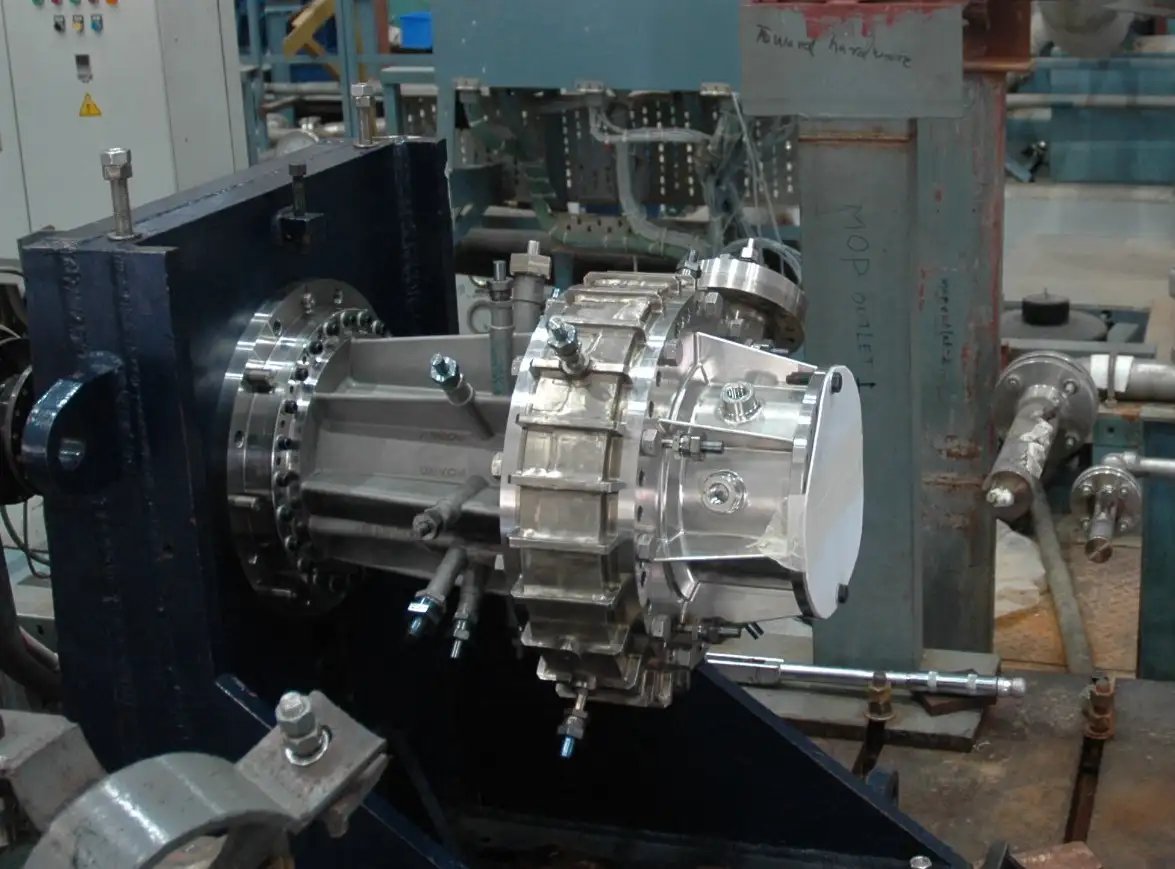
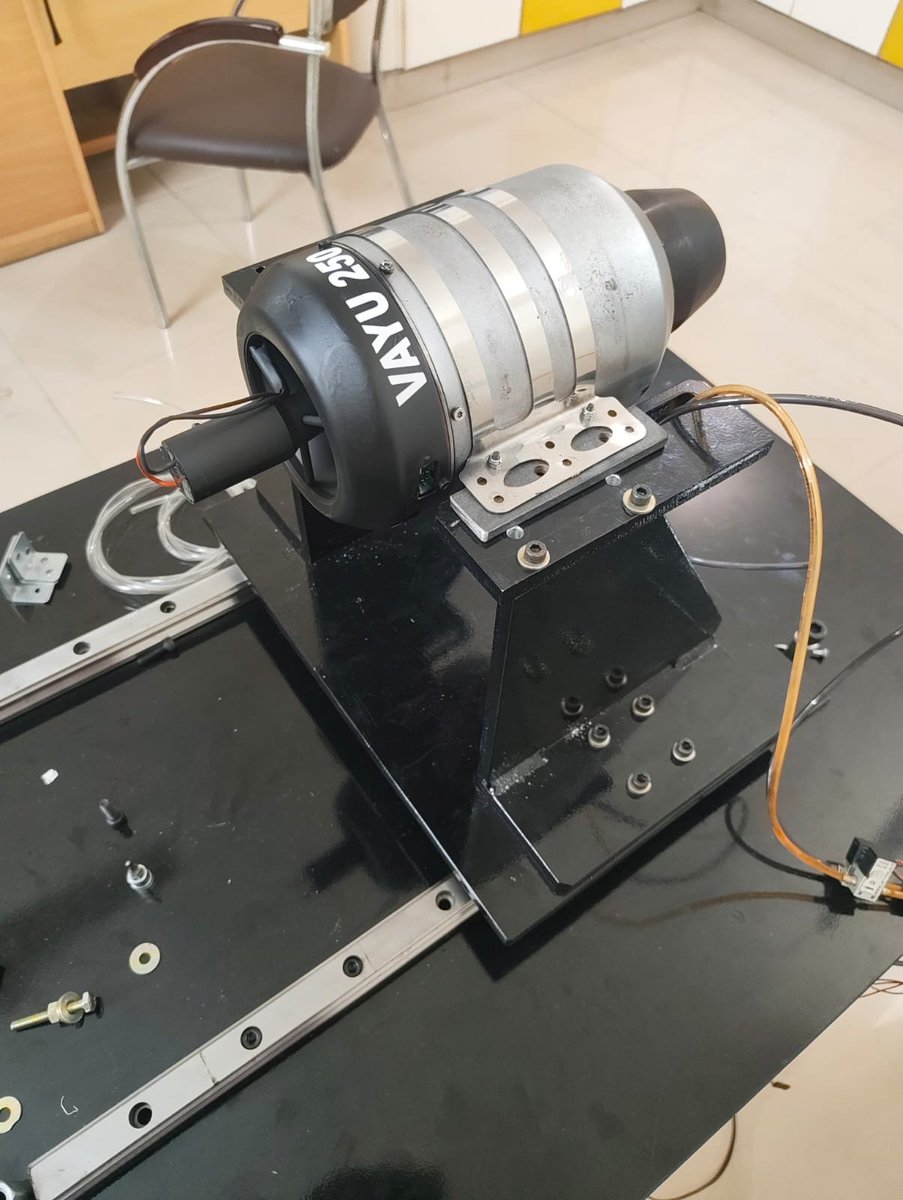
Our micro jet engine is now integrated with the test bench, and the countdown to the first firing has begun.A lot of engineering, hard work, and persistence have gone into reaching this stage. Excited to move into the next phase and see our engine come to life.
More updates soon!
Watch our latest video on YT: Hands of the Guild | Decades of mastery behind a new pursuit - Full Reusability
They helped take India to the Moon and Mars. Their collective contributions include Chandrayaan 1, 2, & 3, Mangalyaan, and Aditya, alongside the PSLV, GSLV, and LVM3.
Full reusability still poses problems they had never encountered before. Each with 30+ years of experience, they shaped the judgment behind innovation and invention. The rationality behind our audacity.
https://t.co/Tllnqm0ZTQ
Nine months ago, this did not exist.
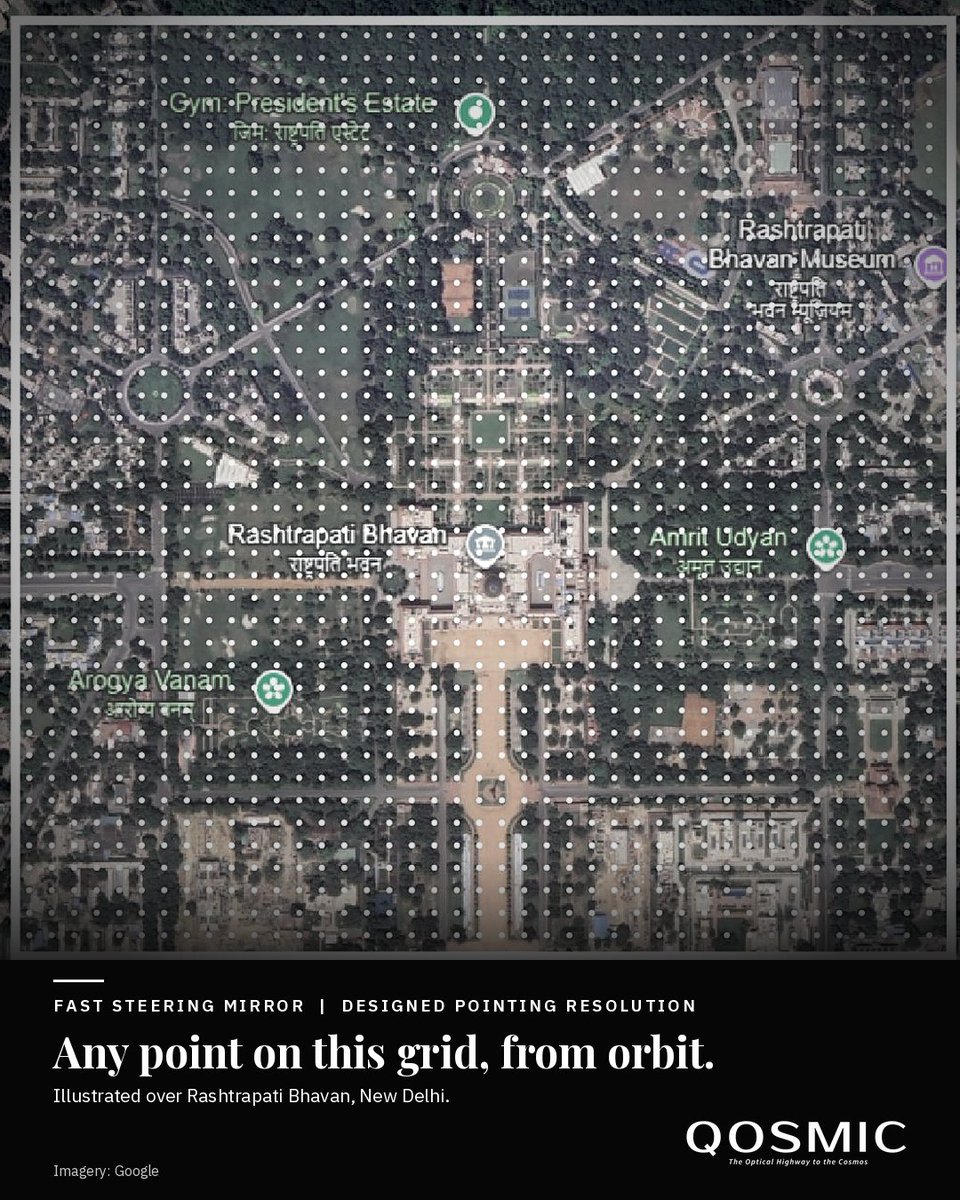
Today, India can build its own Fast Steering Mirror. QOSMIC’s FSM has cleared thermal vacuum and vibration qualification, both on the first attempt.
The FSM is the fine-pointing core of every optical link: satellite to ground, satellite to satellite, ground to ground. It holds a laser locked on target while everything around it moves, making hundreds of tiny corrections every second.
To put that precision in perspective: lay a grid over Rashtrapati Bhavan. From 500 km above your head, our FSM is designed to point a laser link at any single point on it.
Only two or three suppliers worldwide build this class of hardware. So we built ours.
From nothing to space-qualified in under a year.
Built to survive launch. Now it waits for one 👀
#ICSO2026 #ICSO #NewSpaceIndia #OpticalCommunications #LaserCommunication
@Jain_Shrey_@RohitKR79@aalokelab@shashank_huh@js_2606@Accel@AccelAtoms@AccelIndia@spc_india@spc@artparkindia