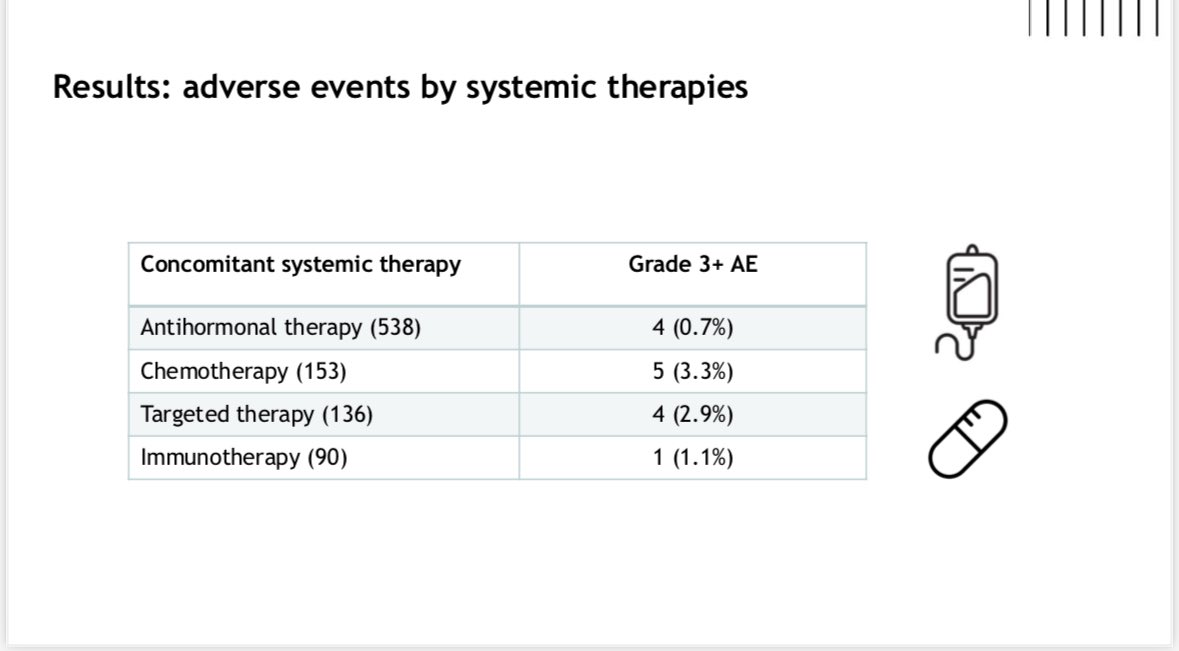
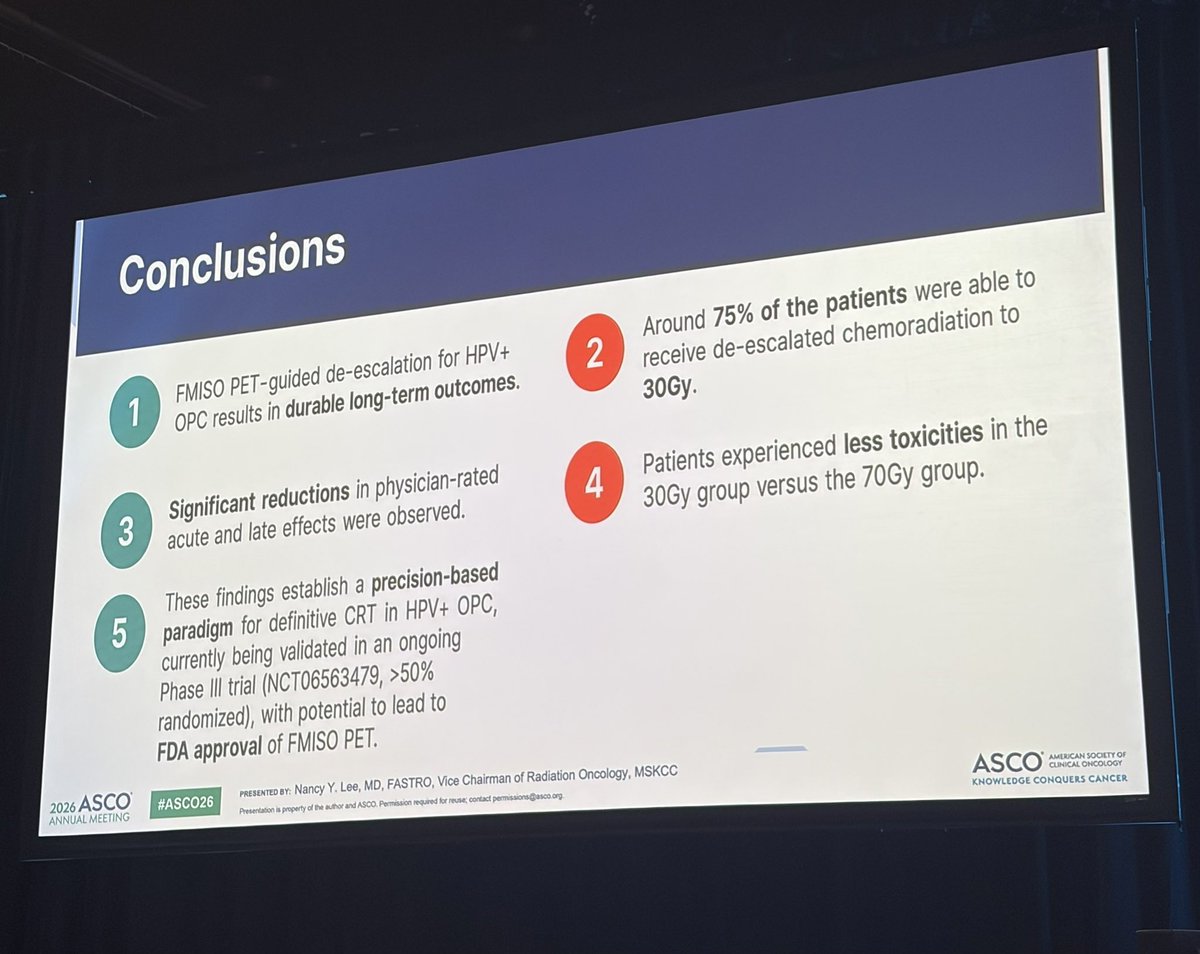
Today at #ASCO26: MSK radiation oncologist Dr. Nancy Lee (@imrtlee) shared long-term results showing that many patients with HPV-positive #oropharyngeal cancer were able to receive lower-dose radiation while maintaining durable outcomes and experiencing fewer side effects.
Kudos to our @Sunnybrook medical physics, electronics and therapy team as we have successfully installed the Varian ETHOS as the 1st of 2 matched units. Critical step as we transform our department to realize the Cancer Ablation Adaptive Therapy (CAAT) Program mission.
#ESTRO26 - 📣 FASTRACKII final results, median F/U of 5 years. Thank you patients, funders, investigators - #kidneycancer#kcsm
1) 100% Local Control: No local recurrences were observed at 36, 60, or 84 months.
2) 100% Cancer-Specific Survival
3) Grade 3 AEs remain at 10%
Absolutely terrific work by @DrSymYoung to report the long-term outcomes of our INRT experience from two prospective trials (INRT-AIR and DARTBOARD).
Short version: with long-term follow-up (median 5.2 years for INRT-AIR, 3 years for DARTBOARD), we've seen zero solitary elective nodal recurrences.
Longer version: ESTRO has highlighted novel approaches to managing the elective neck in HNSCC, and I believe the future will be very different than the present. Current ENI fields deliver the majority of the integral dose to patients and contribute substantially to critical structures (swallowing and xerostomia OARs). Minimizing ENI dose and volume may meaningfully improve the short- and especially long-term tolerance of radiotherapy.
A few more thoughts on our INRT paradigm below:
Great letter by @SeanMcbride laying out real concerns with the OS claim in @SJFrankMD's proton vs. photon oropharynx trial. Compelling enough that Yingzhi Wu and @EChrisDee pulled our own data. We see no OS difference between protons and photons. Together with UK TORPEdO RCT, this adds to the concern that the randomized trial’s OS finding may be hypothesis-generating rather than causal.
Excited to share our publication in @TheLancetOncol on the primary results from the UNITED study: a new paradigm in radiotherapy for patients with glioblastoma /1 @Sunnybrook@UofTDRO https://t.co/SDon3EOlEh
The entire @Sunnybrook spine #SBRT team has come together to share 17 years of research and clinical observations in this review for @NatRevClinOncol. We are a true multidisciplinary team that have had a singular focus to develop the technique and evidence https://t.co/IHALJ97ZCa
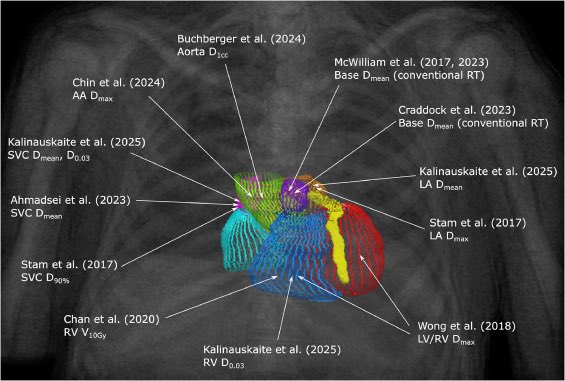
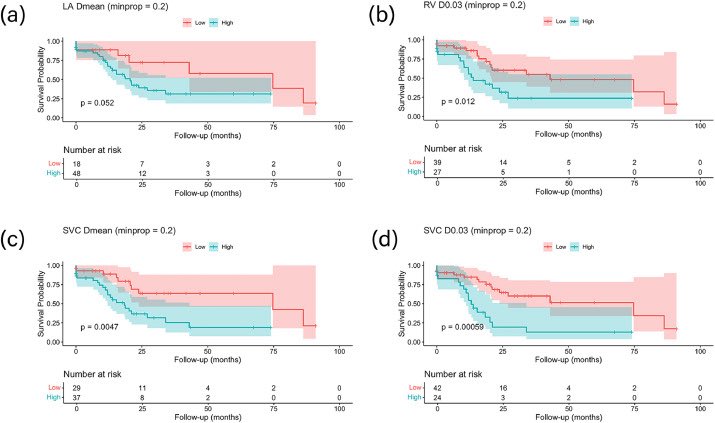
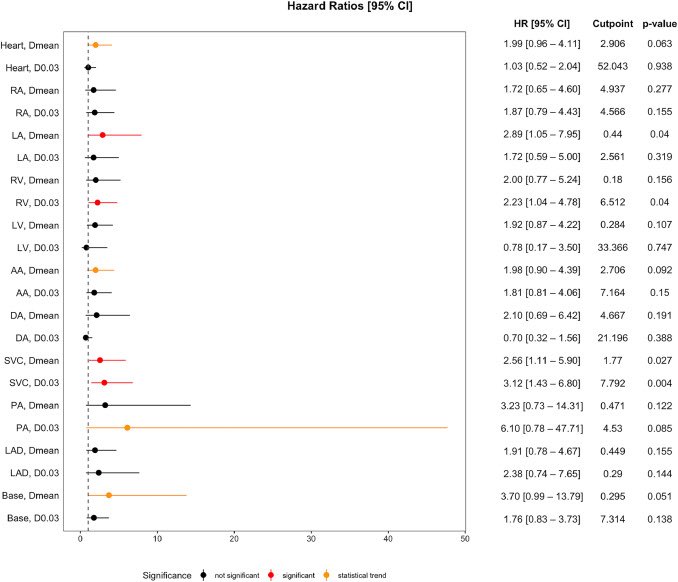
📌 Cardiac Dose and Survival Outcomes Following SBRT for Primary and Metastatic Lung Tumors: A Substructure-Based Analysis
🔗 https://t.co/KYfHxowL1K
@ASTRO_org@ChariteBerlin
👉🏻 Dose–response relationships are driven by cardiac substructures rather than by whole-heart exposure.
👉🏻Elevated EQD₂ doses to upper cardiac structures, such as the left atrium and superior vena cava, were independently associated with reduced overall survival.
👉🏻 There was a trend toward decreased survival with higher doses to the cardiac base, indicating a consistent vulnerability of this region.
🔥 Hot off the press: "Prognostic Value of Impaired Vocal Cord Mobility in T2N0 Glottic Cancer Treated With IMRT"
➡️In T2N0 glottic cancer, impaired vocal cord mobility is associated with worse LRF (aHR 3.7) and DFS (aHR 2.7)
https://t.co/vEvZRH2EpV
@PMResearch_UHN@UofTDRO
🫁 International practice patterns for radiation planning and treatment of limited stage small cell lung cancer (LS-SCLC)🫁
🗣️Calling on the #lcsm#radonc community to participate in this survey from our team led by @UofTDRO@Sunnybrook@DrAlexLouie (PI) and Neelabh Rastogi (PGY-3 Resident)
Study link and QR code below: https://t.co/xKwH9NyspU
@drdavidpalma@mctjong@SALfaifi_
Similar model in last few years at @Sunnybrook#hncsm#radonc (not just NPC) w/ 1:1 RD + MD pairing from pre-treatment through follow-up with proactive weekly RD assessments during on-treatment review visits. Requires support as volumes and team grow but a worthwhile venture.
That’s David Harpole at #WCLC25 pointing out that with 70% already accrued to the VALOR study, more than 120 participants have already completed their 5y follow-up period. #CSP2005
Honored to support the very first World Radiotherapy Awareness Day today, September 7th! 🌍
By working together, we can ensure every person facing cancer has access to life-saving radiotherapy.
#WorldRTDay@CamdenClarkMC
📚 Learn more: https://t.co/2617CSWDak
☢️ Finally published the High-Dose Versus Standard-Dose Twice-Daily Thoracic Radiotherapy for LS-SCLC.
✅OS 43.5 versus 22.5 mo, (HR 0.68, 95% CI 0.48–0.98, p = 0.037)
No more acute or late onset toxicity.
✅ Would you now consider 60 Gy bid the new standard of care?
#LCSM@SclcSMASHERS
https://t.co/rmA6SdqnXJ
Nasser Altorki's team publishes new data investigating the role of preop SBRT for NSCLC. This time, reporting their institutional data comparing preop SBRT-IO vs Chemo-IO. The results demonstrate a significant association with improved RFS at 2 years with SBRT delivered BEFORE immunotherapy (92% vs 64%, HR = 0.19). Technique = 8 Gy x 3, omiting the LNs https://t.co/FqWe10hQ1E
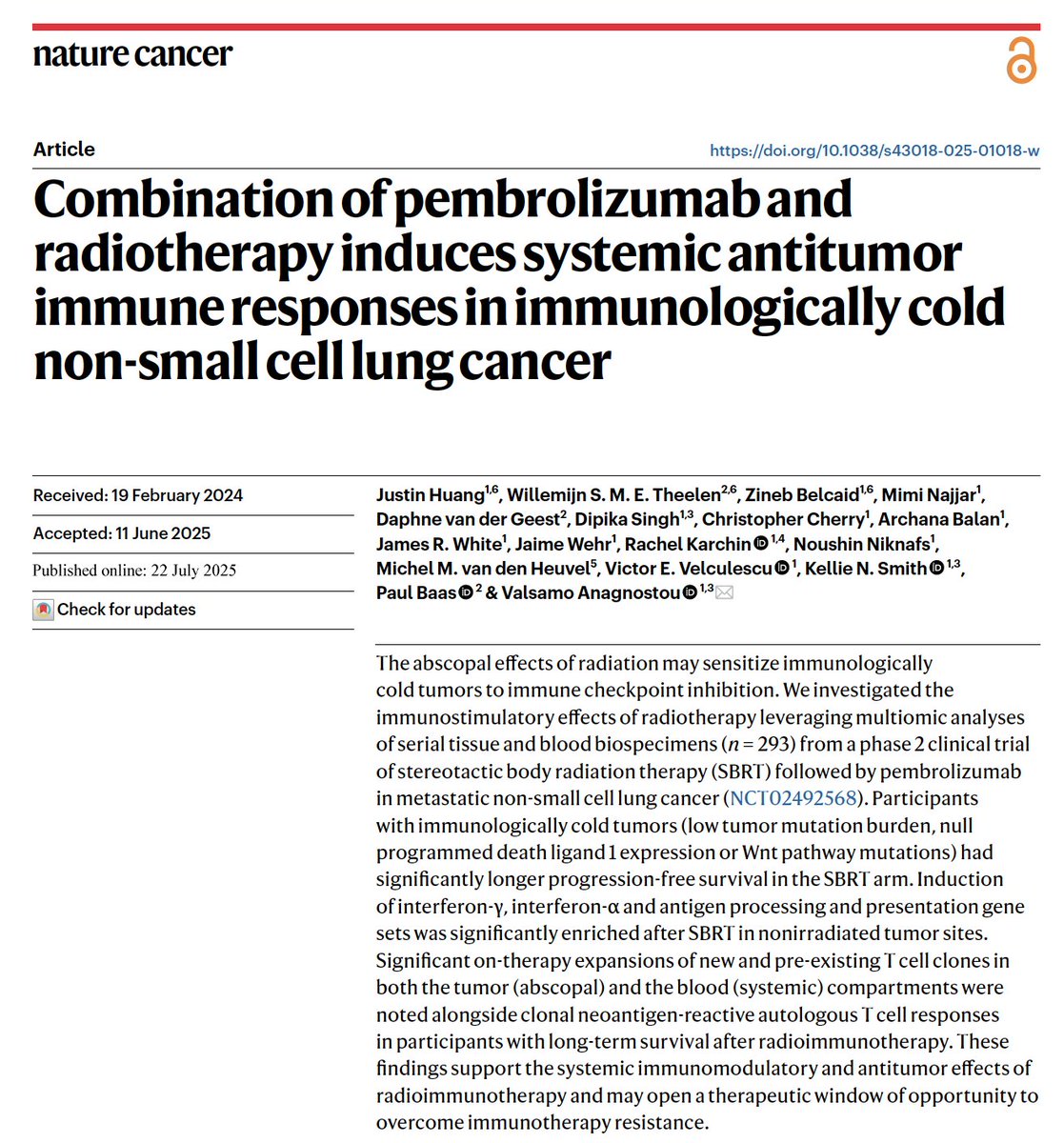
New data from the randomized PEMBRO-RT study demonstrate when an ICI-mediated Abscopal effect is most likely to occur in patients with stage IV NSCLC. @rweichselbaum@SeanPitroda@dramycummings https://t.co/9ZjIHfSB4J
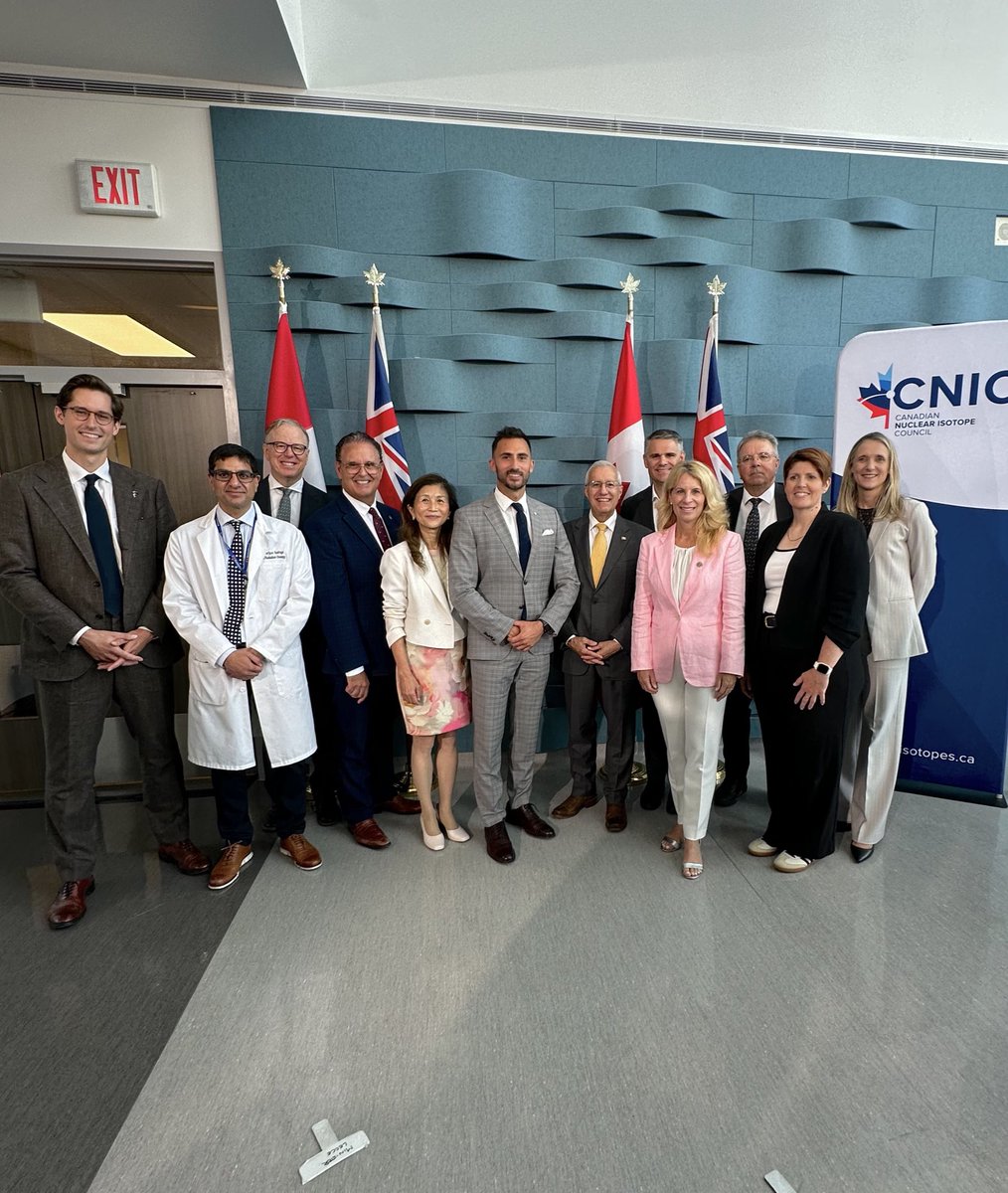
It hit home as I returned to @Sunnybrook, where my own mother received cancer treatment with a message of HOPE to all who fight this disease.
To help the more than 247,000 Canadians this year alone who will be diagnosed with cancer, I was proud to announce an ambitious plan to double the production of life-saving medical isotopes by 2030.
Nuclear isotopes produce the essential treatments that help to destroy tumors and diagnose cancers earlier.
The Nuclear Isotope Innovation Council of Ontario will save lives and create jobs — a legacy we can all get behind.
1/10
📢 Excited to share our new systematic review looking at risks and outcomes of definitive radiotherapy for patients with comorbid ILD and early-stage NSCLC! @IJROBP@Melissasamsoon@DrAlexLouie@HoudaBahig@drdavidpalma
https://t.co/aeaI2yEJ6V