Our kind of fireworks: fruit fly neurons stacked in a rapid succession of rainbow colors. This video shows a small sampling of the more than 135,000 neurons in a typical fruit fly's brain, imaged by researchers at our Janelia Research Campus using multicolor flipout technique 🎆
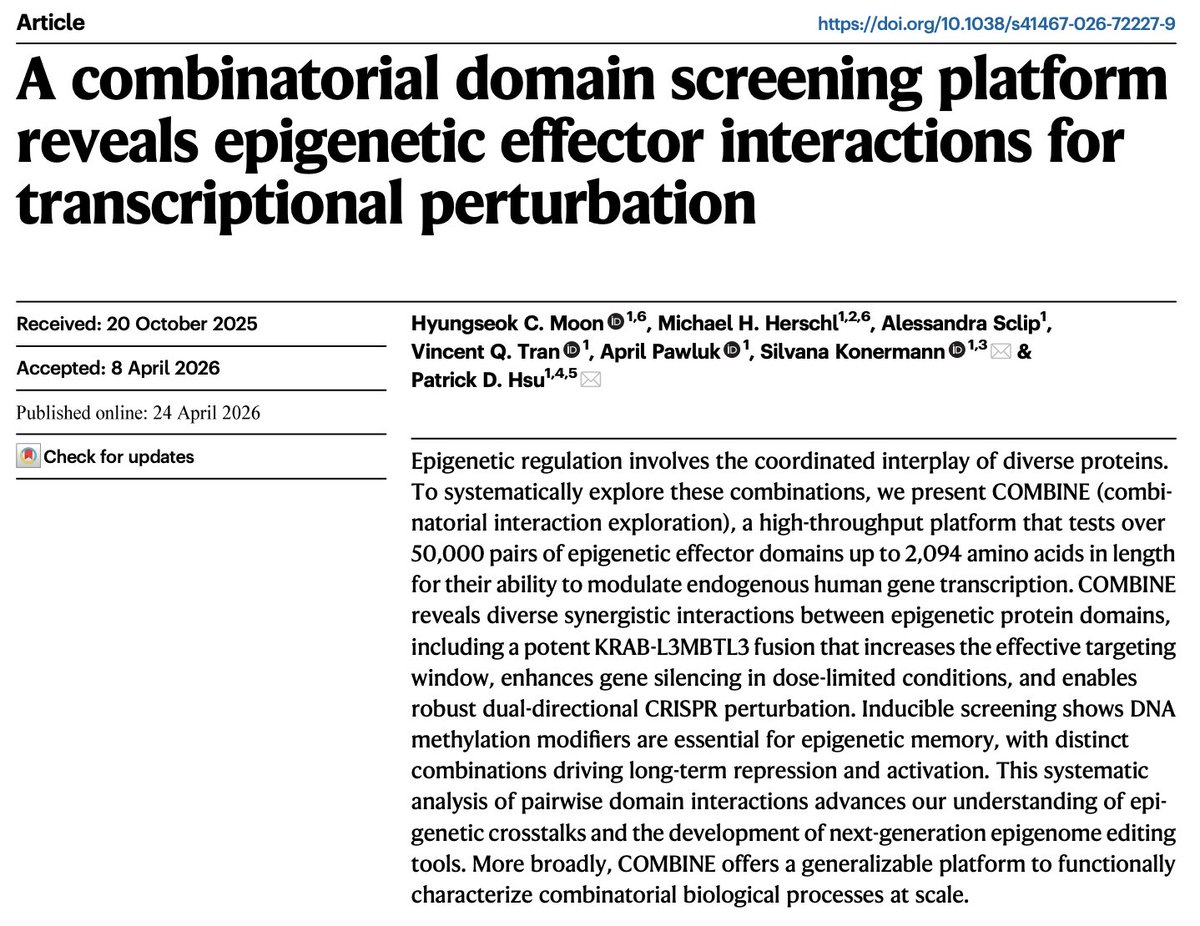
Cells control gene expression through combinatorial interactions between readers, writers, and erasers of chromatin marks, but most epigenetic editing tools rely on a single effector in isolation.
The @pdhsu & @SKonermann labs developed COMBINE: the first platform to systematically test those combinations at scale, screening 50,000+ effector pairs.
For decades, biology textbooks have enshrined a simple rule: DNA is made by copying a template. After one enzyme unzips a DNA double helix into separate strands, another called a polymerase builds a complementary sequence, base by base, for each strand. Presto: two copies of the original DNA.
But recent research into how bacteria defend themselves from viruses now shows this synthesis rule isn’t absolute. The team describes a bacterial enzyme that synthesizes DNA without a nucleic acid template, using its own structure as a guide.
Learn more: https://t.co/TeUWvyO0OD @NewsfromScience
Happy Independence Day! 🇺🇸
Wishing everyone a safe and enjoyable Fourth of July. Grateful for the opportunity to work alongside talented colleagues, partners, and friends who help drive innovation and progress every day.
Have a wonderful holiday!
#IndependenceDay
It’s a mystery that stumped Darwin and many researchers since: what exactly drives the snap shut of a Venus flytrap?
Now, researchers in Science have the answer: a rapid, one-second softening of the cell walls on the outer epidermis of the trap.
📄: https://t.co/mw3V6mzgcW
#SciencePerspective: https://t.co/Q7rWJljY6o
From love songs to lullabies, songs spanning the globe—despite their diversity—exhibit universal patterns, according to the first comprehensive scientific analysis of the similarities and differences of music across societies around the world.
Learn more on #WorldMusicDay: https://t.co/1zGEZN2TZv
Interesting work by James Collins et al. In Science Translational Medicine
@ScienceTM
Deep learning–enabled discovery of antibiotics effective against Neisseria gonorrhoeae | Science Translational Medicine https://t.co/QQoK1hbqix
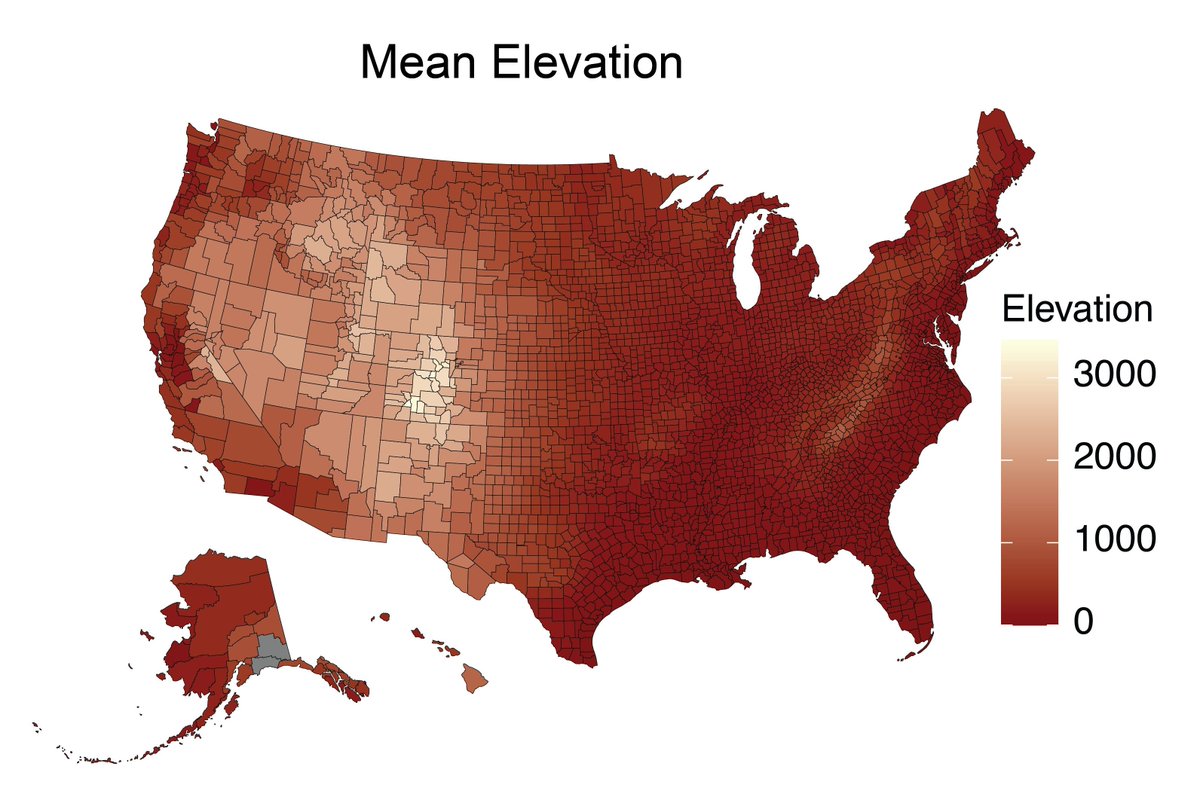
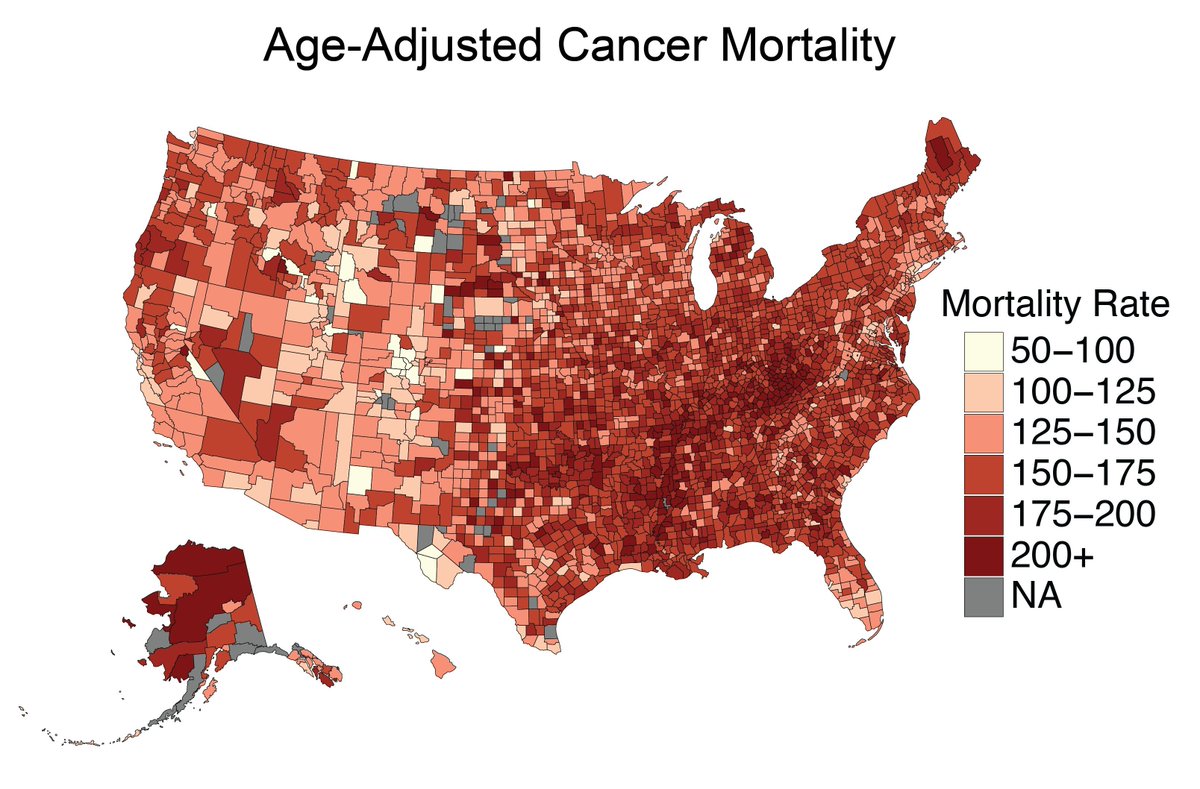
we have long known that people who live at altitude die less from cancer. @arcinstitute investigators developed an "altitude-in-a-pill" drug that tunes how your red blood cells bind to oxygen
today, they demonstrated this enables potent anti-tumor activity in cancer models 🫢
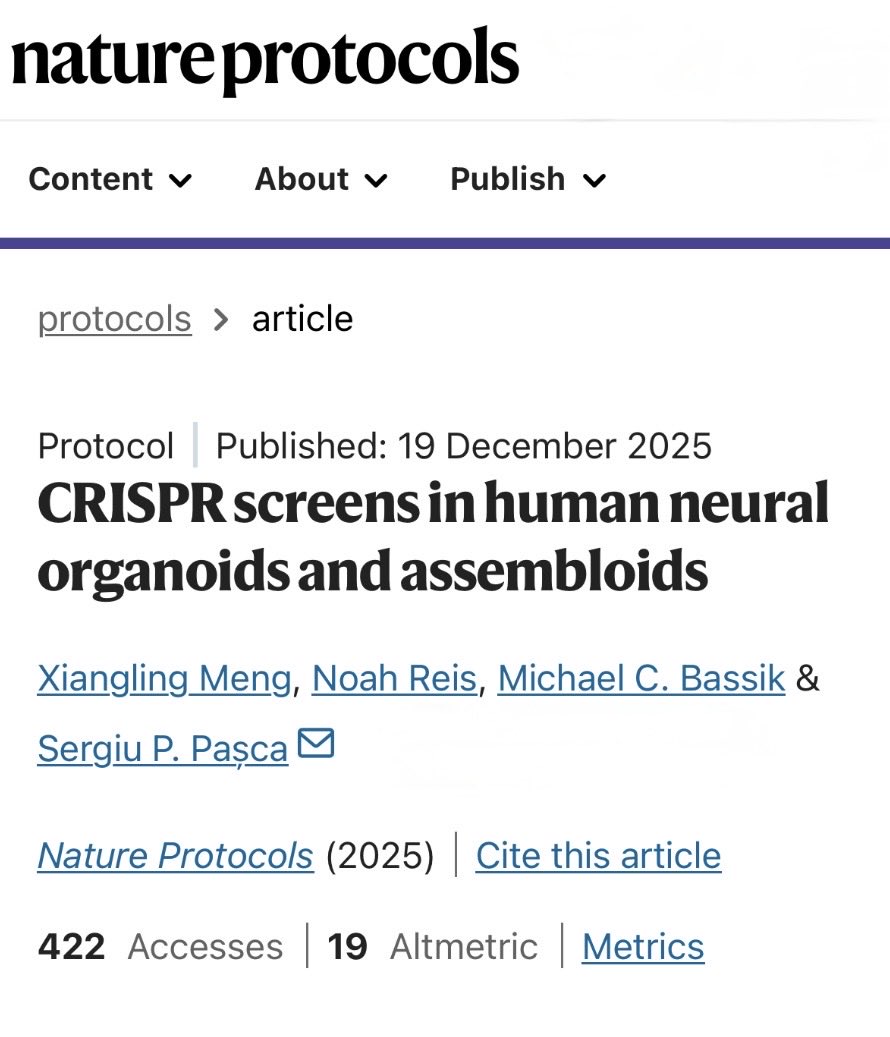
In our most recent publication in @NatureProtocols, we outline detailed methods for performing CRISPR screens in human neural #organoids and #assembloids.
The integration of these screening approaches with human models is becoming increasingly powerful for uncovering human biology and gaining mechanistic insights into disease.
This is the 4th article in our series of detailed protocols describing the generation of regionalized neural organoids and of assembloids, and their transplantation, and it serves as a foundation for our hands-on course in our Stanford @BrOrganogenesis.
Work led by XiangLing Meng (now running her own lab at Baylor) with Noah Reiss!
Single-molecule live-cell fluorescence in situ hybridization uses an RNA-targeting CRISPR–Csm complex to image and track endogenous RNAs https://t.co/02qWtBBWow
https://t.co/isioY3qOCA
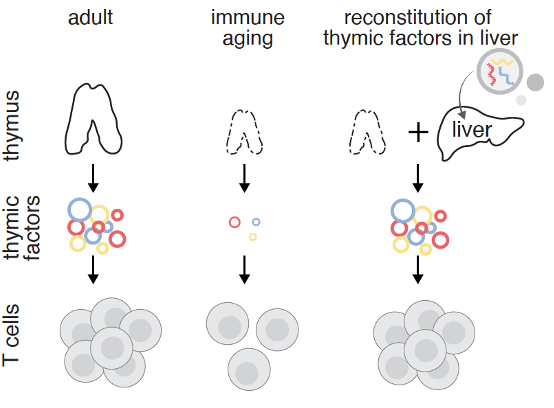
Excited to share our new work on immune aging! We explored whether the liver could serve as a temporary "factory" to produce immune factors that decline with aging, potentially helping to rejuvenate aged immunity. @mircoscopy.
As we approach 2026, I want to take a moment to thank my friends and colleagues for an incredibly productive, research-filled year. Wishing you all a Merry Christmas, a joyful holiday season, and a New Year full of exciting progress and shared success.
#NewYear#Christmas
This October I’m drawing 1 molecule a day inspired by proteins in pdb @buildmodels#Inktober2025
Day 19/31
Prompt ARCTIC
Pdb: 3UYU
Meet ice-binding protein (LeIBP) from Arctic yeast that acts like antifreeze!
Next: RIVALS
Suggestions?
This October I’m drawing 1 molecule a day inspired by proteins in pdb @buildmodels#Inktober2025
Day 16/31
Prompt BLUNDER
Pdb: 8G5J
DNA mismatch blunder being fixed by mitochondrial DNA polymerase γ.
Next: ORNATE
Suggestions?
He, Arnau and Kaman absolutely nailed it! Super happy that I could have my small contribution to this HUGE paper in @ScienceMagazine. Will be super exciting to find out what amazing properties of these rings will be revealed in the future! https://t.co/o1oxbykW7U