🧬Cool paper on the evolution of water lilies.🌺
What I liked most was how they adapted to aquatic life. The authors found 481 genes that water lilies have lost, including:
Genes involved in cell wall development — On land, plants need strong tissues to stand upright. In water, buoyancy helps support them, so some of these genes became less necessary.
Immune defense genes — Some land pathogens don’t survive in water, so water lilies likely needed fewer resistance genes.
Genes involved in toxin metabolism — On land, toxins help plants defend themselves. In water, the threats are different, so some of these genes became less necessary.
https://t.co/yREEtC8gUg
#WaterLily #Evolution #Genetics #Adaptation
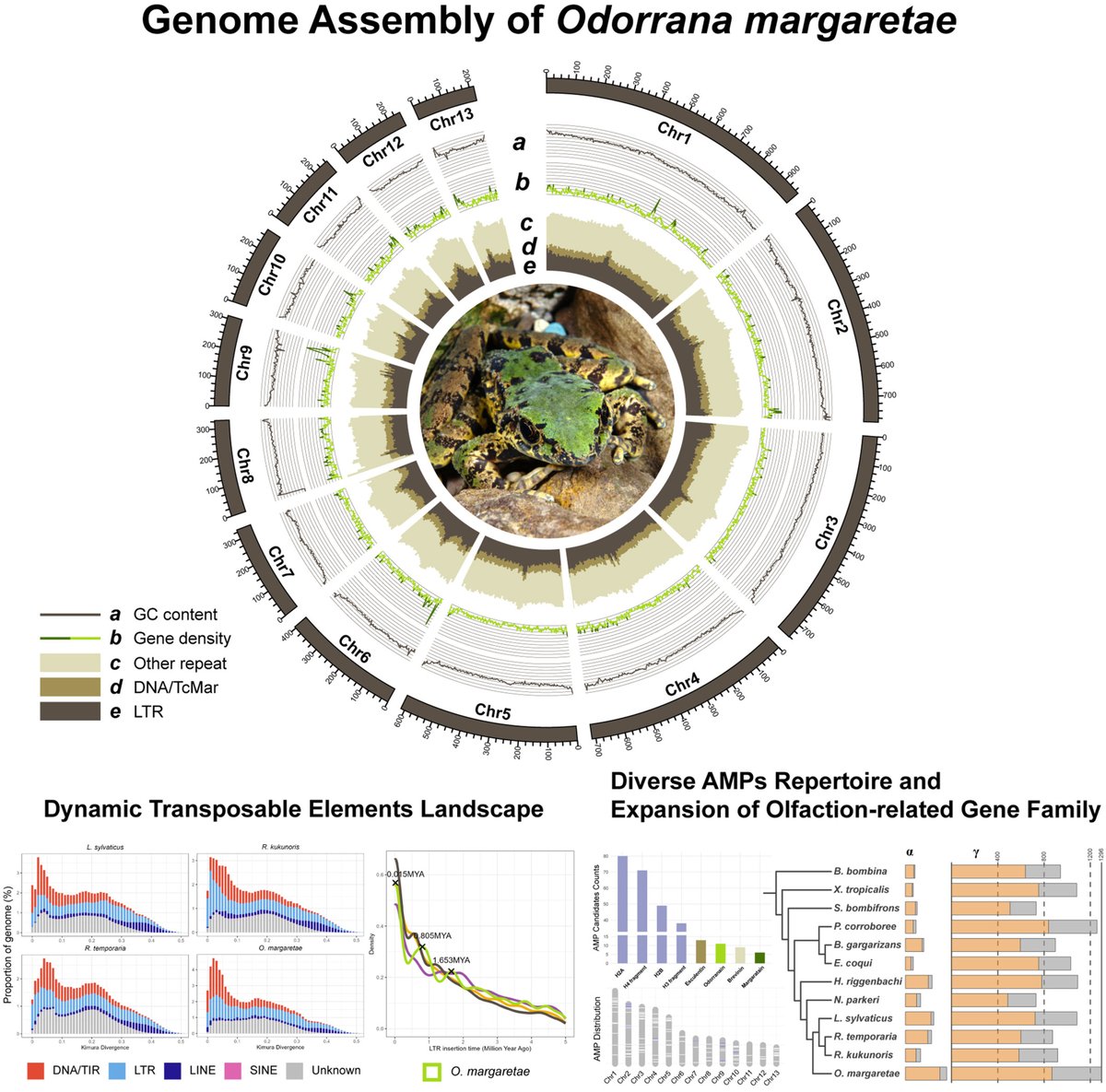
🐸Anuran #skin secretions are fascinating and complex compounds with great potential for a range of #biomedical applications.
This high-quality reference #genome will aid future studies on #genetic regulation of #frog skin secretions!🐸
https://t.co/a5KmJvrIGP @WileyEcology#JSE
Hiding in plain sight! 2.3M conserved non-coding sequences traced back 300M years across 284 plant species
Ground-breaking study in First Release @ScienceMagazine from labs of Madelaine Bartlett, Idane Efroni & Zach Lippman
▶️ https://t.co/7Ukf22WwrC
▶️ https://t.co/OiFhHoDd4Q
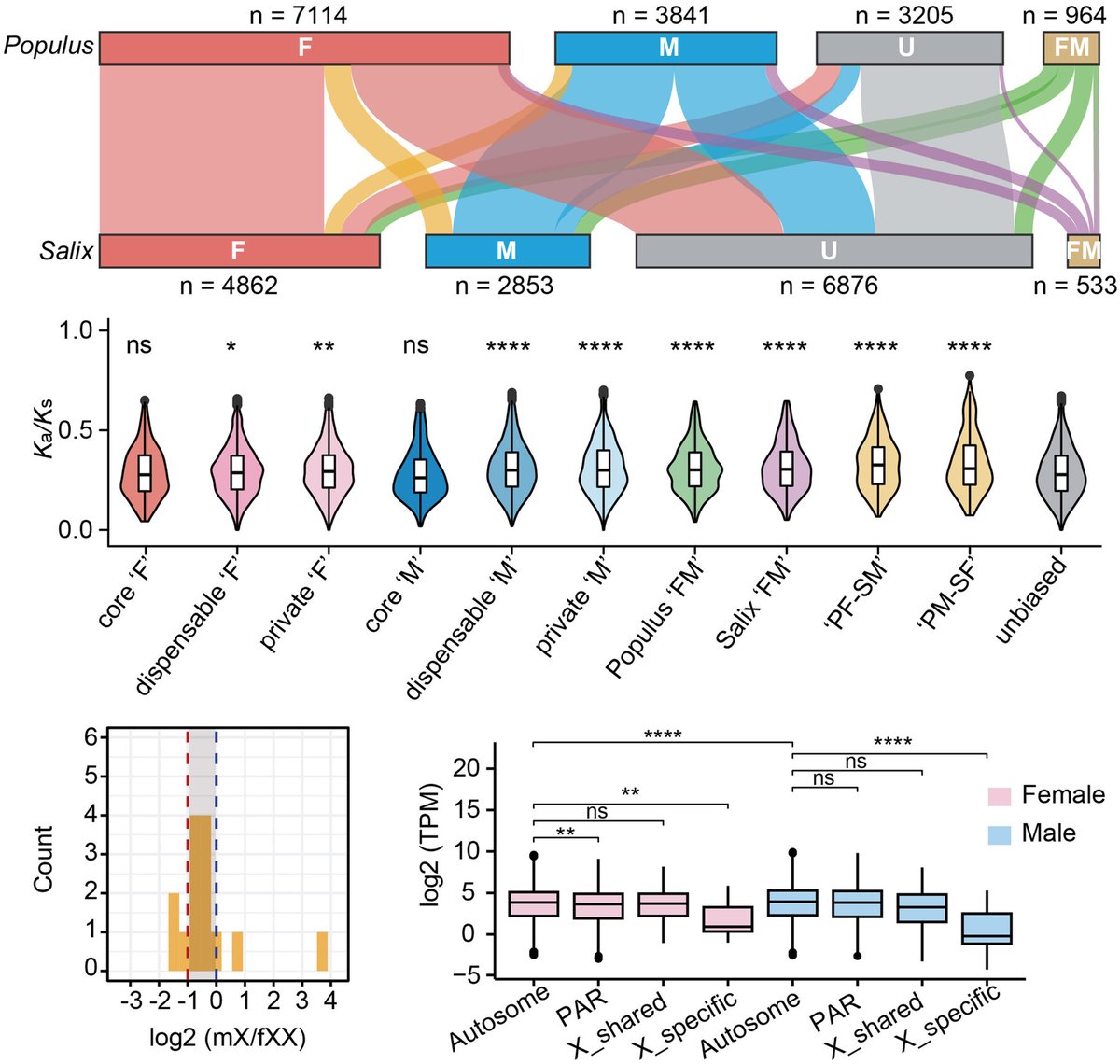
Analysis of♂️and♀️#gene expression in floral and leaf tissues of 8 dioecious willow spp. provides novel insights into how sexually dimorphic gene expression evolves during repeated turnovers of sex chromosomes in #plants.
https://t.co/LfmqAJshD0 @WileyEcology#PlantSci#evolution
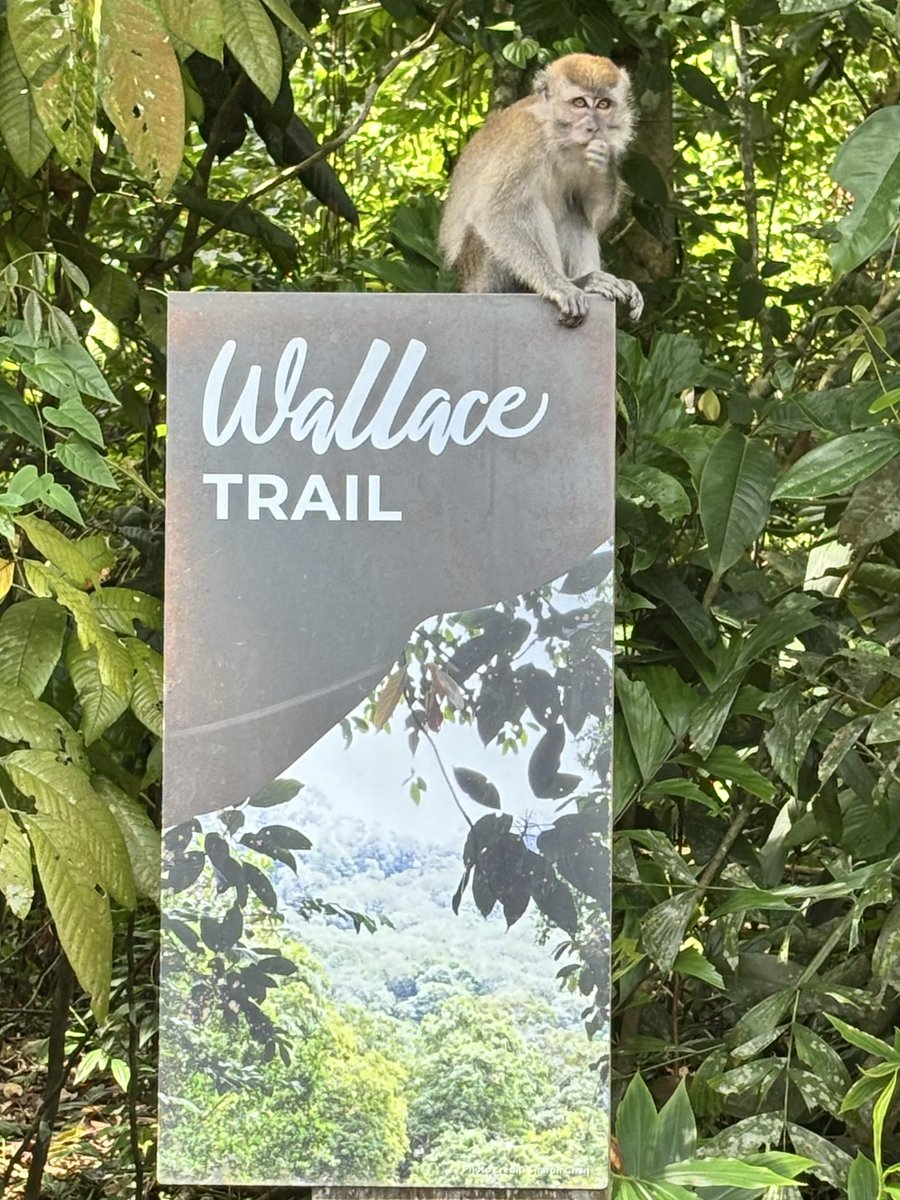
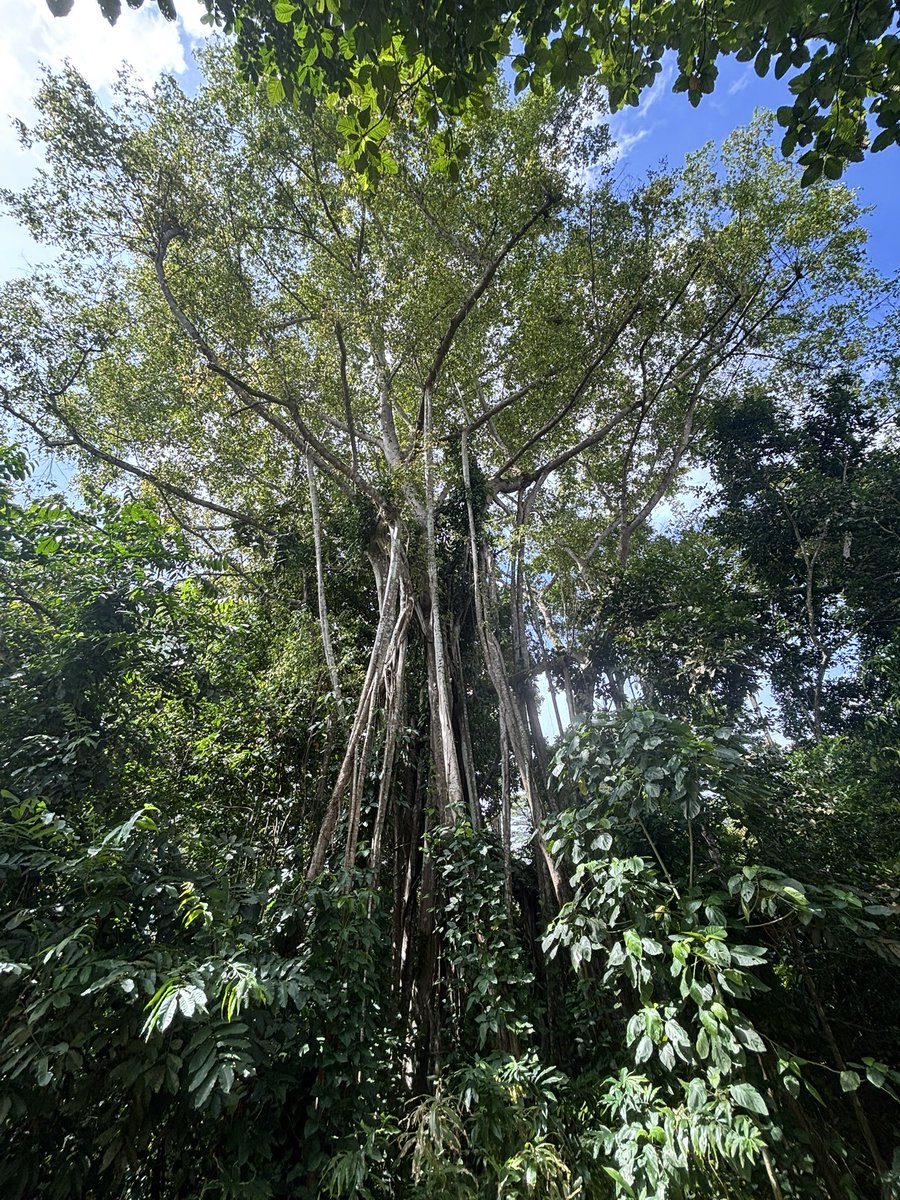
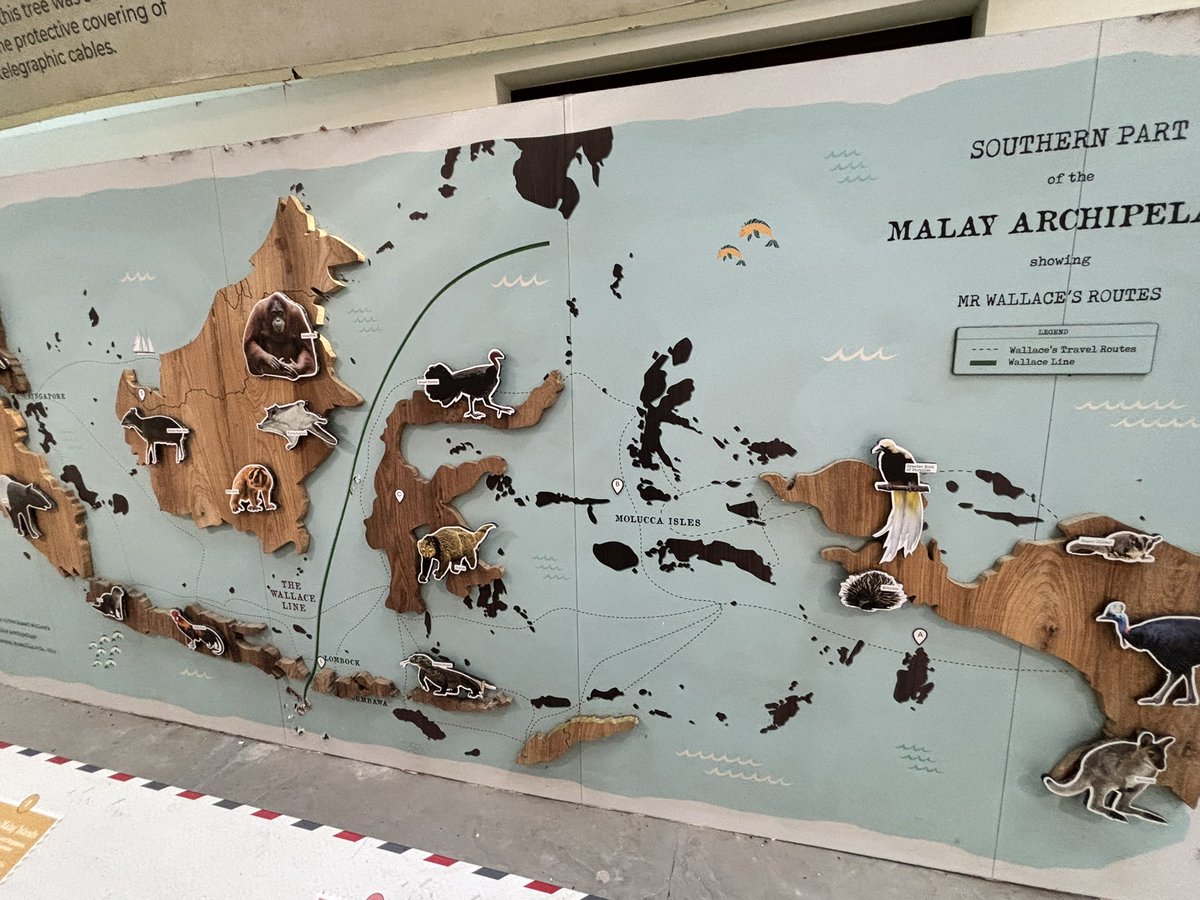
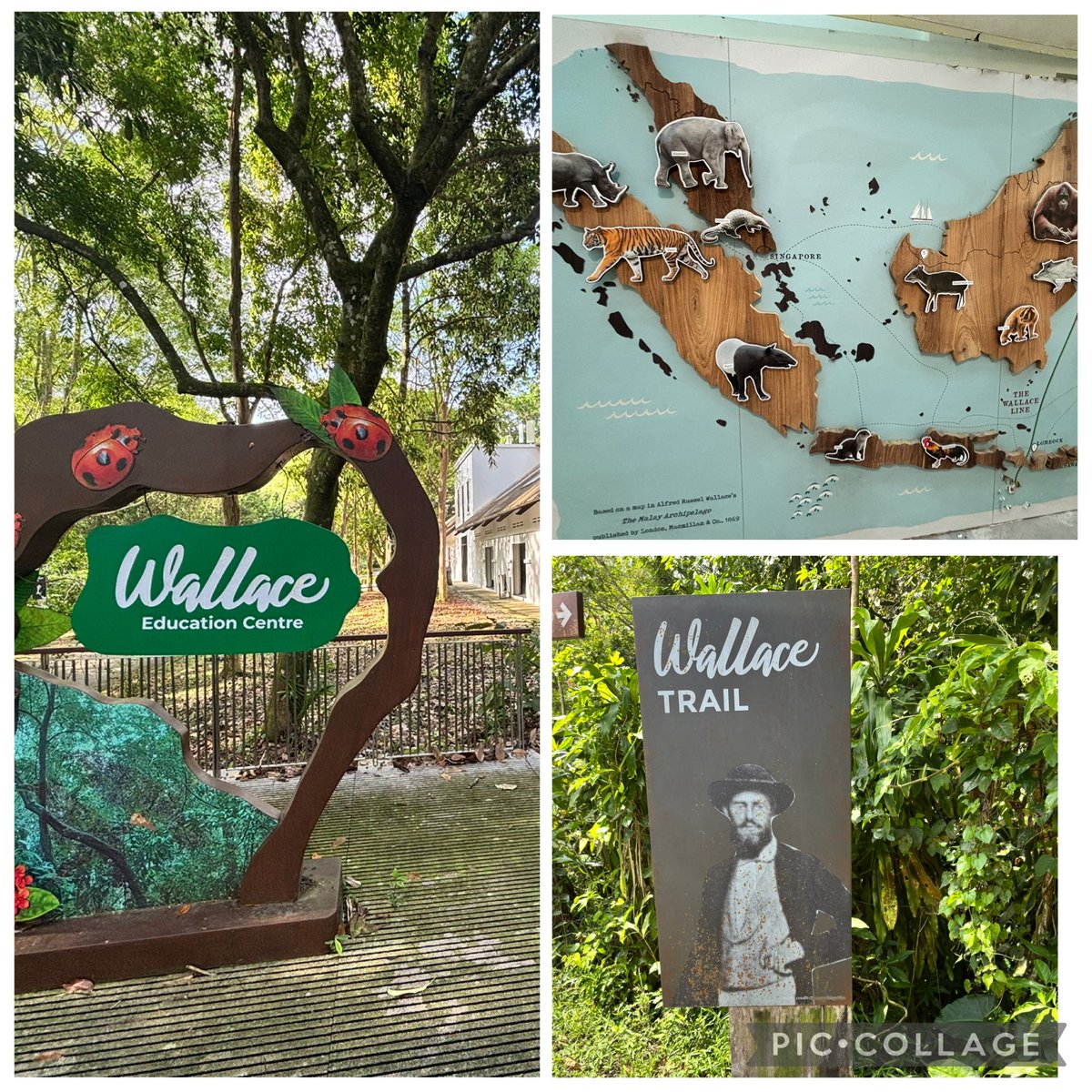
Wallace Trail and Wallace Education Centre in Dairy Farm Nature Park. Good to visit and learn about Wallace and the Wallace Line, and stroll through some forest too. Welcoming party too! @nparksbuzz#Singapore#macaque
https://t.co/QHJBXoIFQl
https://t.co/dmaPAmT6JV
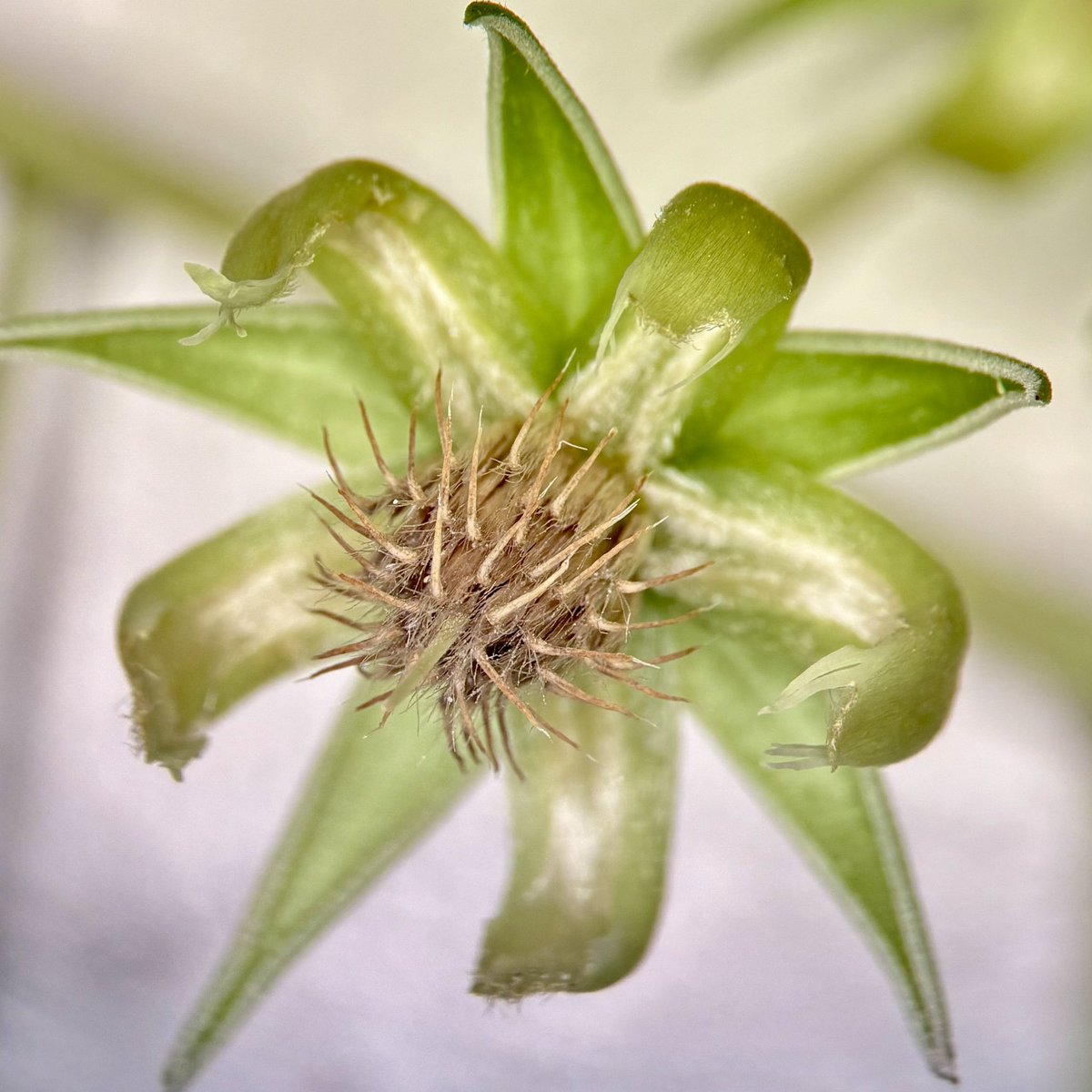
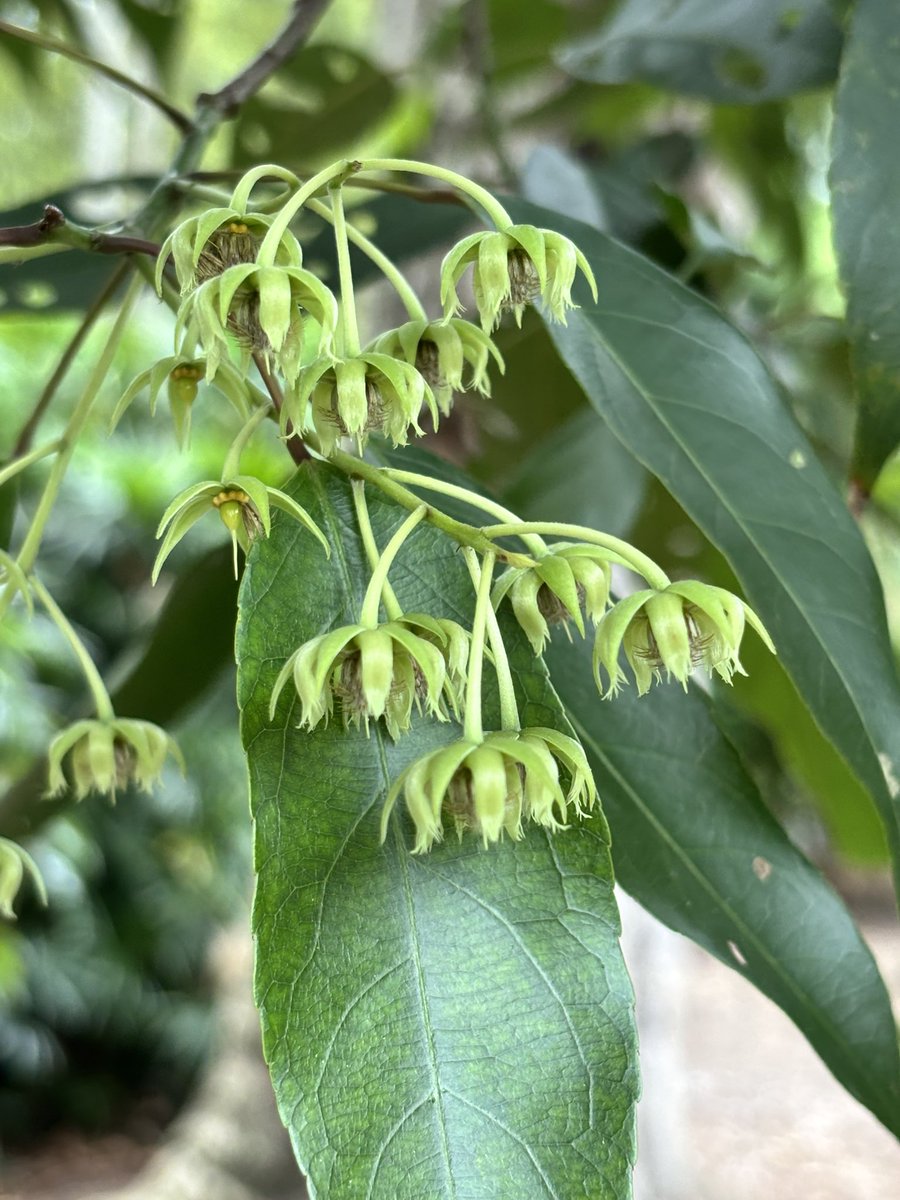
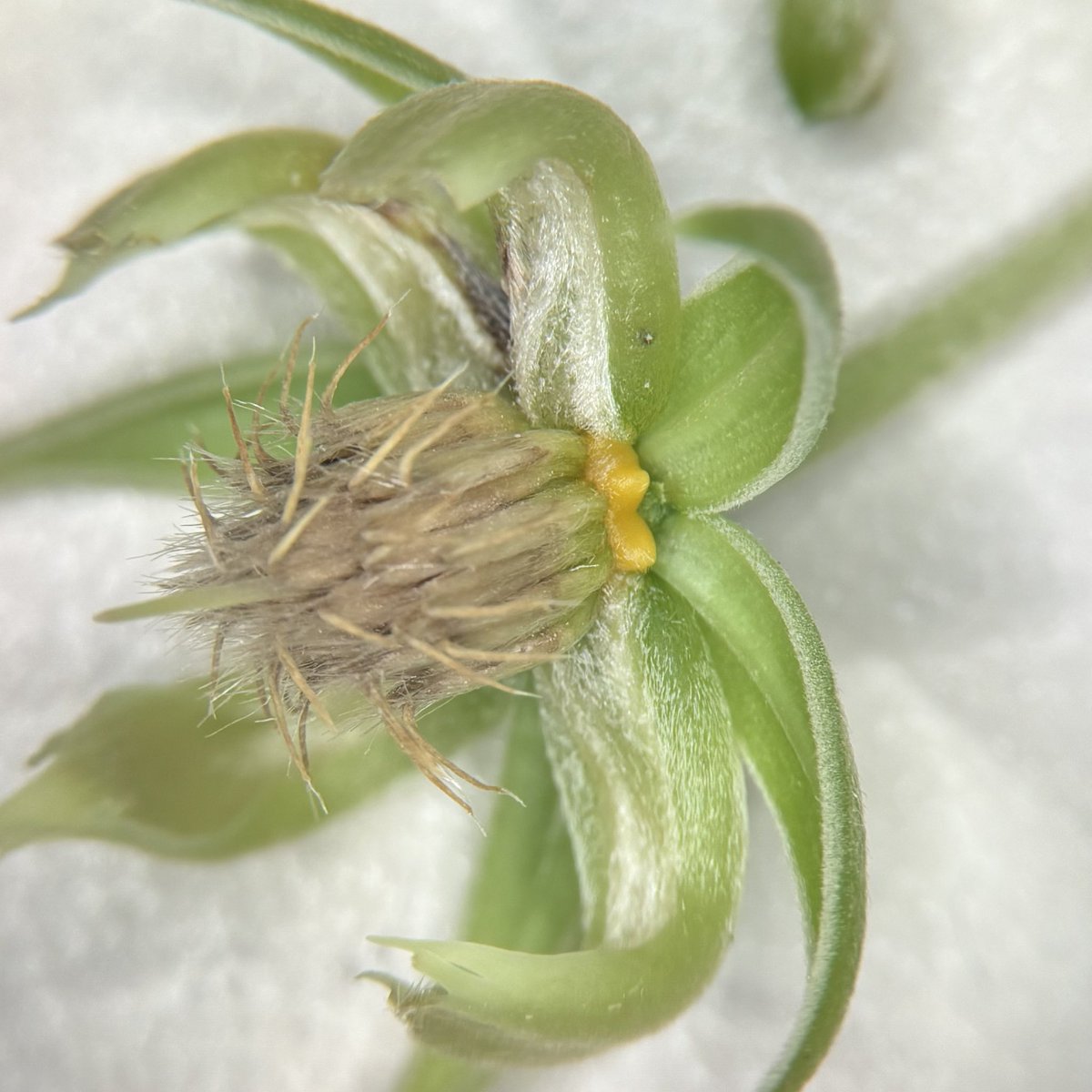
Elaeocarpus griffithii (Wight) A.Gray (Elaeocarpaceae) flowering again at Singapore Botanic Gardens. Here some close-ups of the flowers. Note the awned stamens and bright yellow disk. Slight hint of sweet honey. #SBGScience
From octopuses to snails, the complicated molluscan family tree has been mapped in unprecedented detail, researchers reported earlier this year in Science.
This includes sequences for 13 new complete genomes from across the phylum. https://t.co/RlAGlQry2v
A new study in Science reveals that the global seafood trade plays a substantial role in driving exposure risk to PFAS pollutants worldwide.
The findings illustrate the need for stronger international cooperation and stricter policies to reduce human exposure to “forever chemicals” through the marine food system. https://t.co/3Q30eleqbV
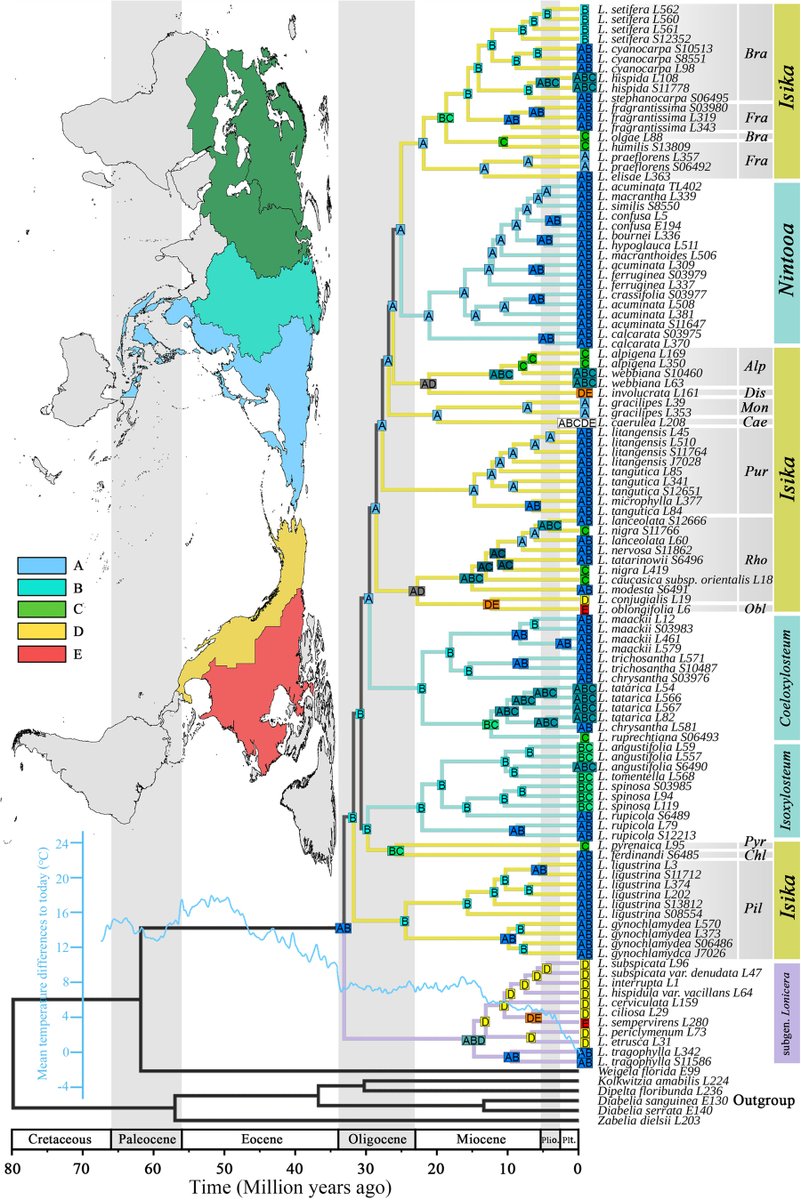
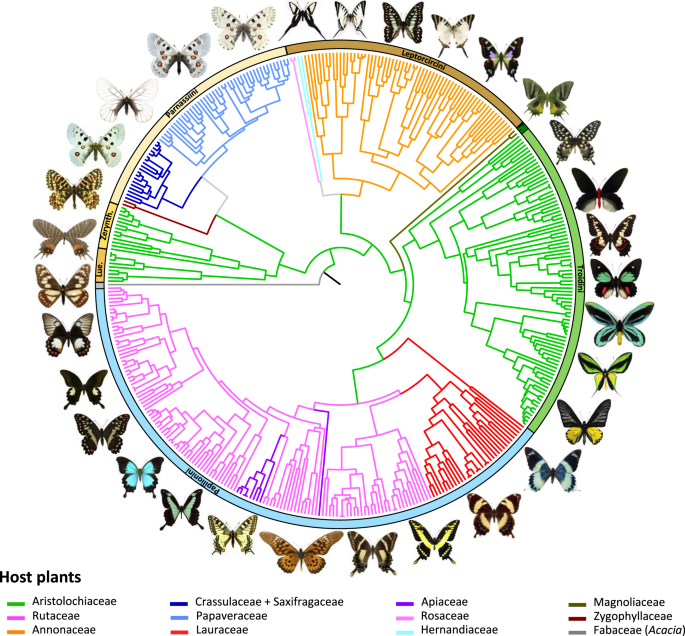
Key innovations, traits that stimulate net diversification, is another popular hypothesis. Here, the evolution of traits that allow butterflies to feed on a host plant family.
https://t.co/UvvUDNju38
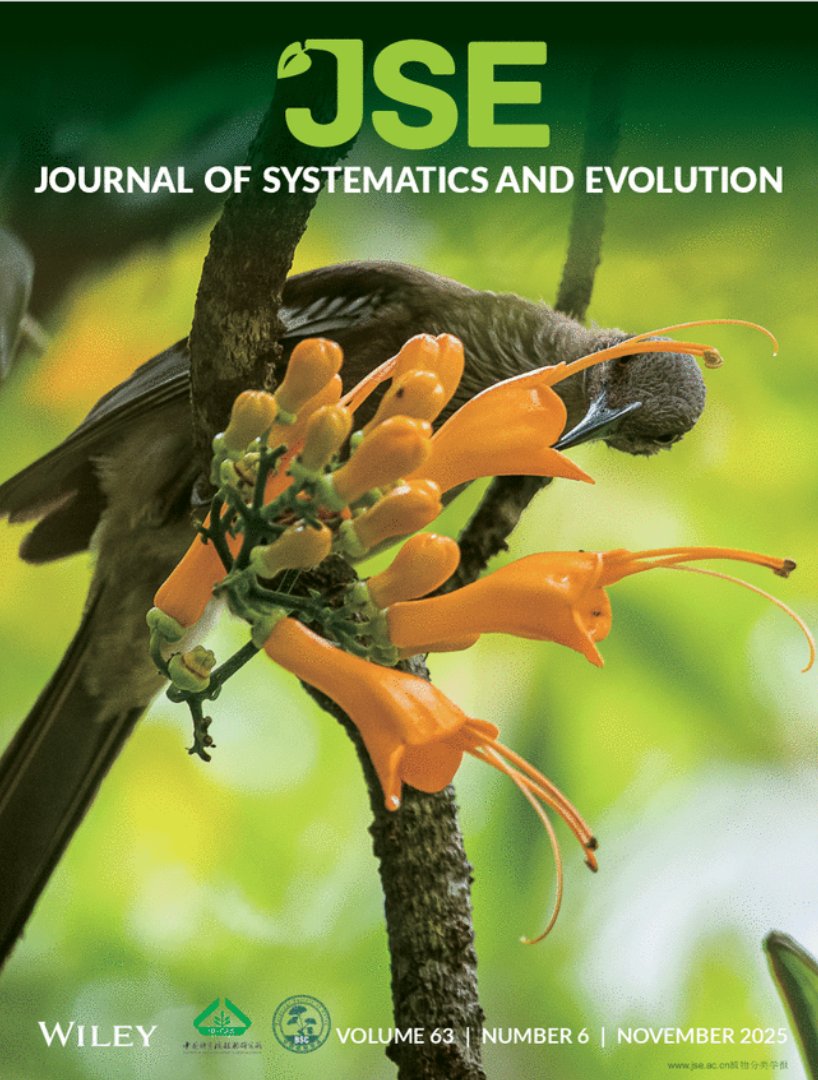
Have you seen our gorgeous November cover?
Featuring the work of Gâteblé et al., who report on #honeyeater-driven #sympatric speciation associated with corolla shape shift...
Read it for free!⬇️
https://t.co/rDqpIL6kQN @WileyEcology#JSE#evolution#diversity