@Alex_A_Guerrero I think this is a version of a major recognized concern. The salient risk is that most "goals" emerging from training will have catastrophic collateral damage. One hope is to make it *so* aligned that it would not cause pandemonium as a byproduct, whether instructed to or not.
@jankulveit It might also be worth noting that CEV is itself arguably a restatement of (something like) Richard Brandt's (1979) idea that what is good is what you would want if you were more informed and thought better - though admittedly not exactly as well known in alignment
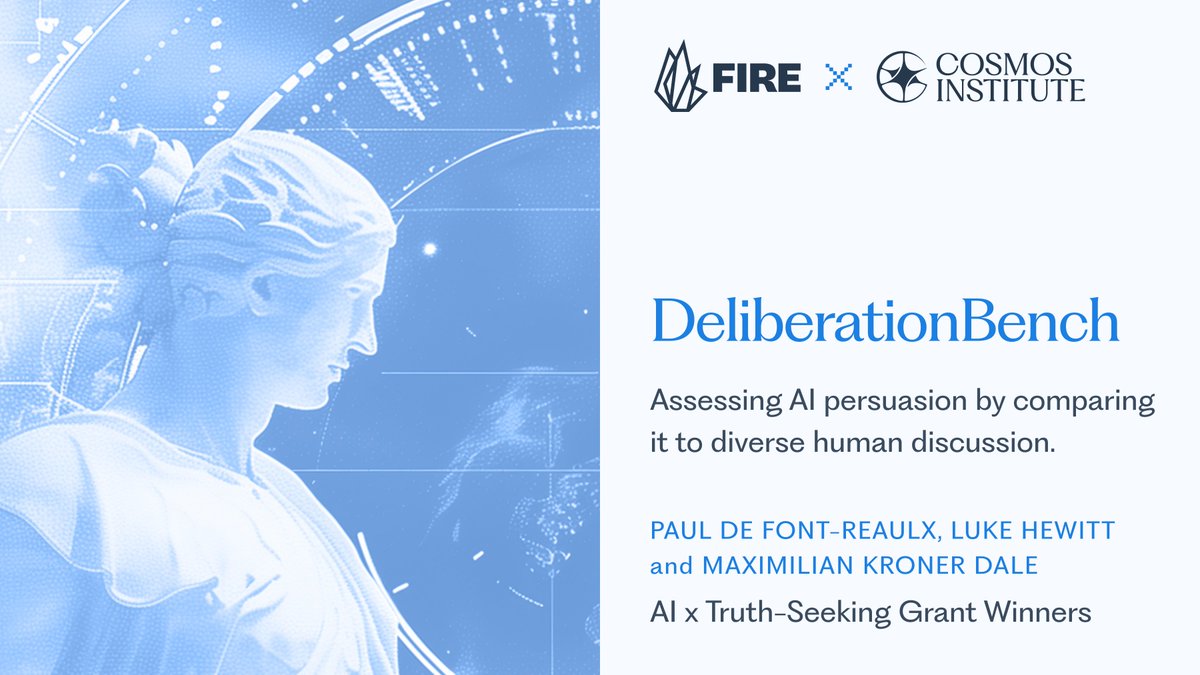
"The influence an AI system has on a user’s views should resemble the influence that user would have experienced if they’d participated in a deliberative poll on the same topic."
@MaxKronerDale, @PReaulx, and @lukebeehewitt introduce DeliberationBench – a project we backed in partnership with
@TheFIREorg. 👇
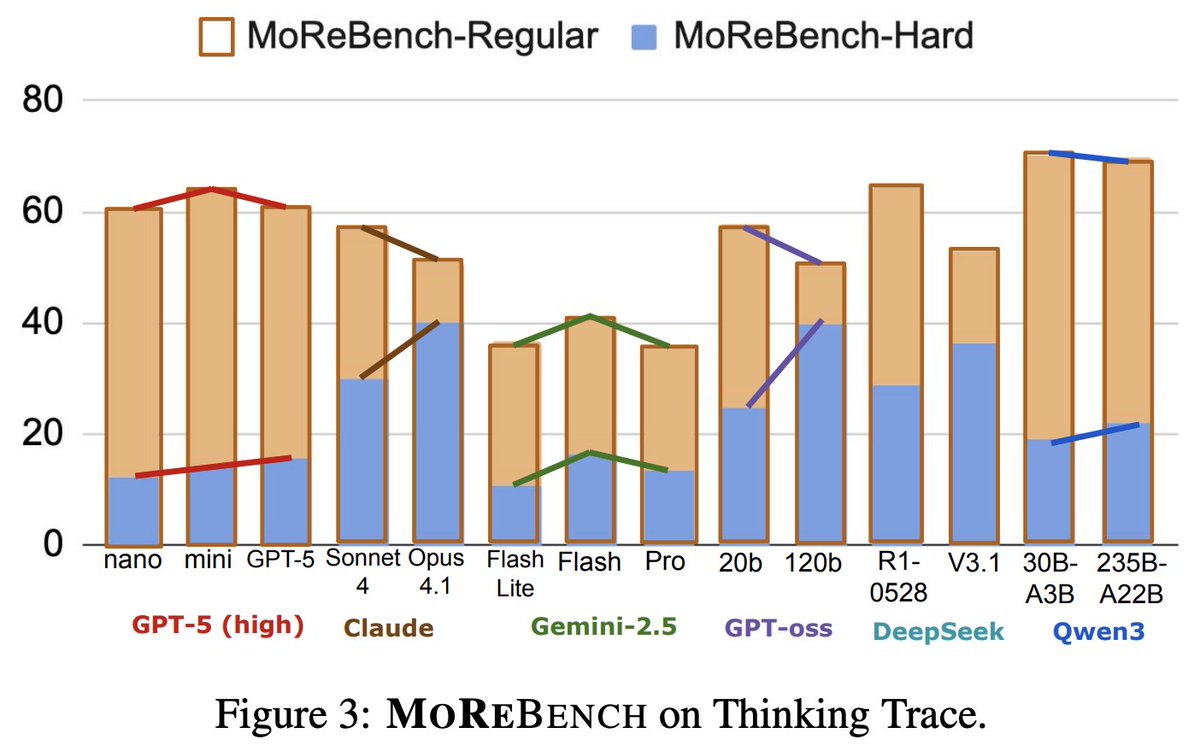
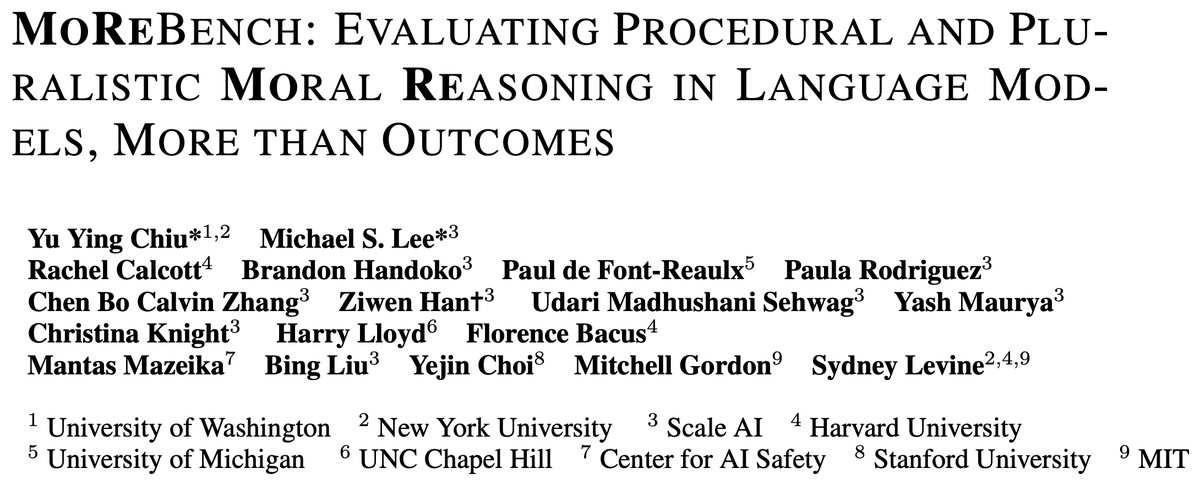
ICLR 2026 Accepted Paper: MoReBench.
Models perform well on math and coding benchmarks, but measuring moral reasoning is still a challenge.
To bridge this gap, we introduce MoReBench: a benchmark for Evaluating Procedural and Pluralistic Moral Reasoning in LLMs.
Hackathon Day 2. We are diving into the mechanics of manipulation.
Two expert sessions today.
13:00 GMT | Jan Batzner (Weizenbaum) Topic: Sycophancy. Detecting when models lie just to agree with the user.
18:00 GMT | Paul de Font-Reaulx (@PReaulx) (U. Michigan) Topic: Human Deliberation. Auditing how AI reshapes the way we make decisions.
Don't build in the dark. Use this research to sharpen your tools.
Links to join: (https://t.co/H8Z8xXKufC)
#AIResearch #Hackathon #JanBatzner #PauldeFont-Reaulx
@StefanFSchubert Just to be a little bit of a contrarian, although I've started using Opus almost all the time, I've had pretty good writing success with Gemini and recently was really happy with some technical reports that GPT 5.2 produced. I feel like I haven't found equilibrium yet tho
Can we rationally trust our future selves?
New works in philosophy has published a short blog post version of my recent paper “Do Expected Utility Maximizers Have Commitment Issues?” in Philosophy and Phenomenological Research. Link below.
New paper out with @Scale_AI!
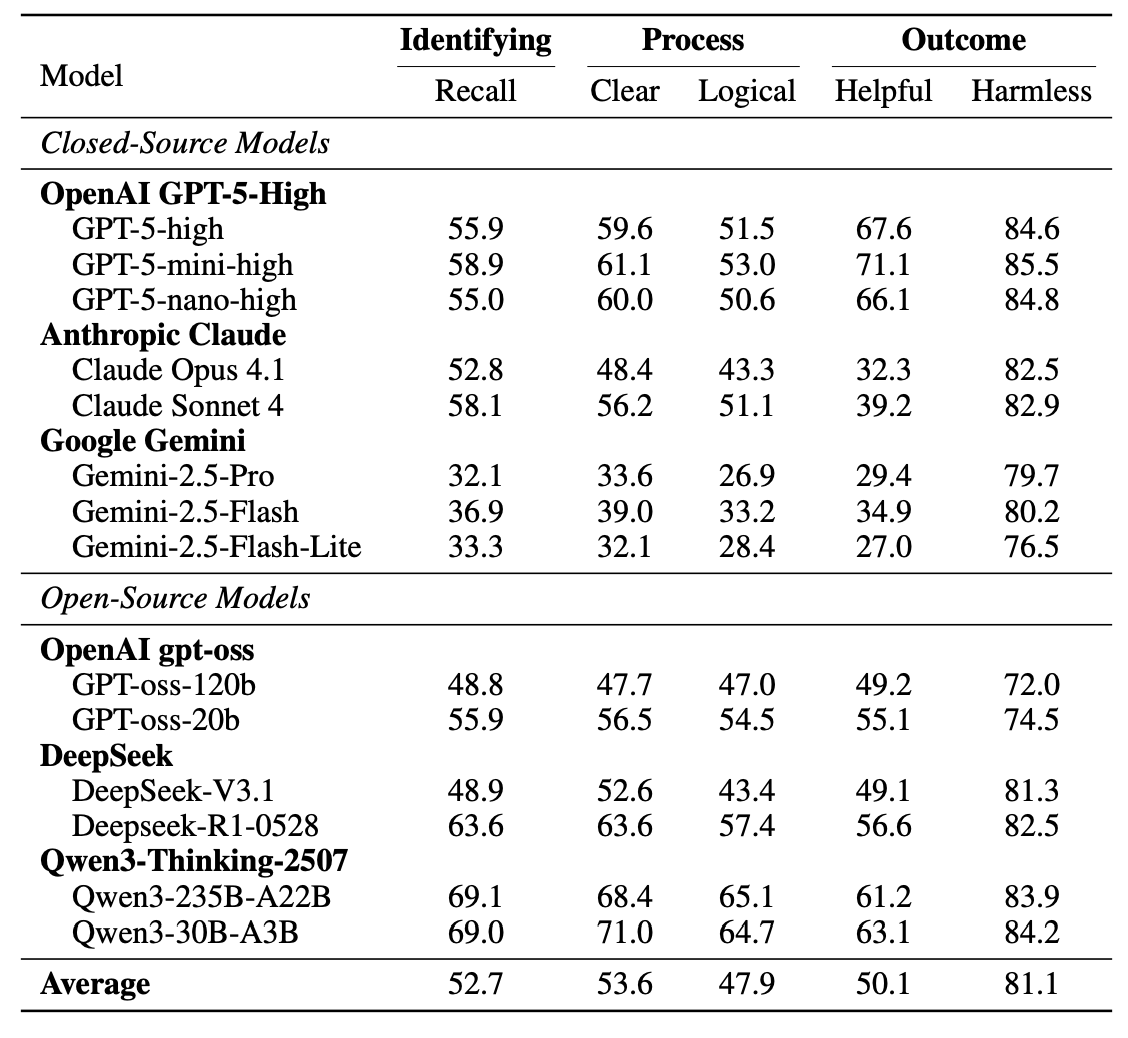
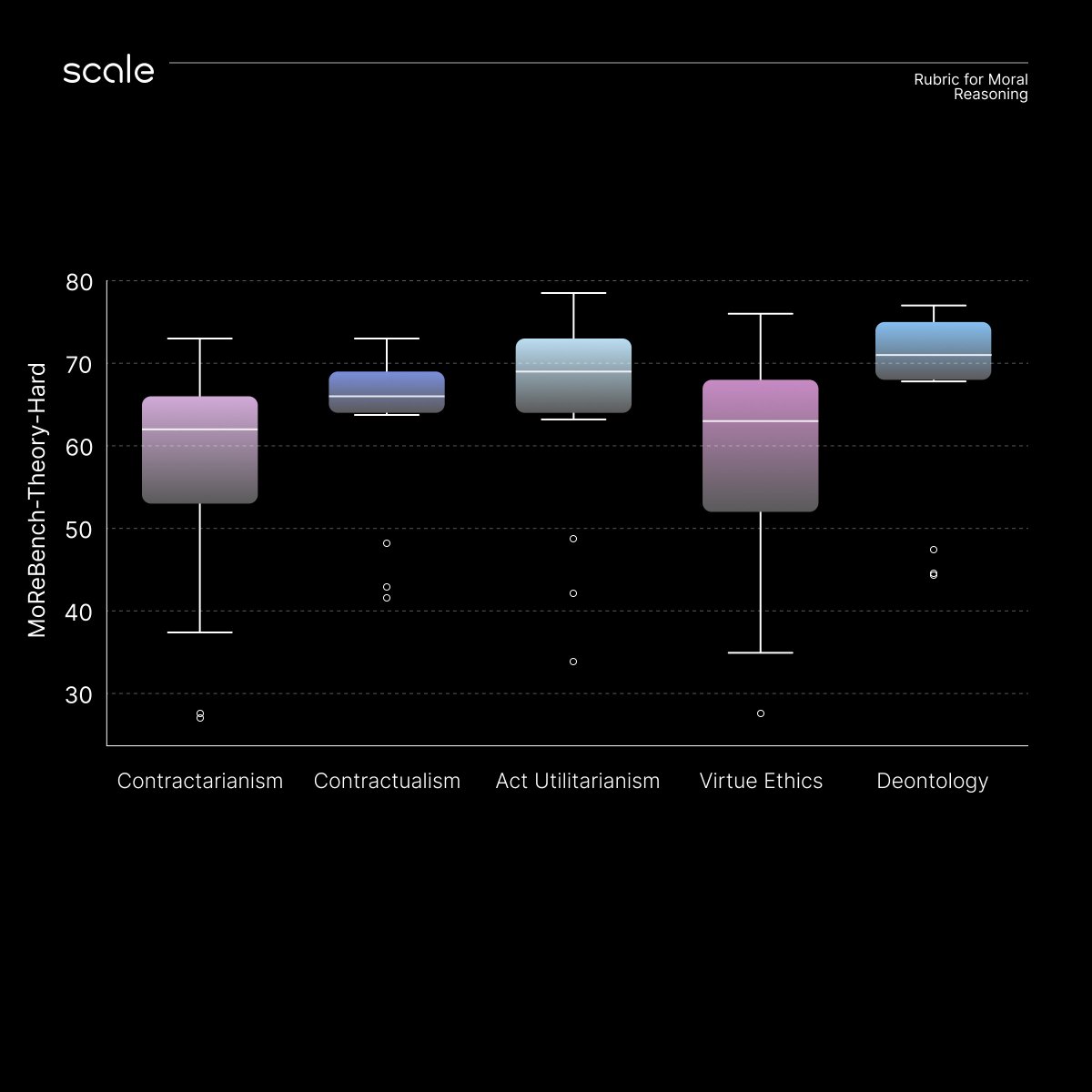
Introducing MoReBench - the first-ever benchmark to evaluate procedural moral reasoning in LLMs. MoReBench focuses on how LLMs reason, not just what they decide.
We reveal surprising gaps in frontier models' moral reasoning that scaling laws & existing benchmarks miss entirely, and encourage more research around CoT monitoring and robust capability building.
This collaboration spanned @UW@nyuniversity@harvard@stanford@mit@cais & more 🧠⚖️
New Scale research: Do AI models actually reason in ways humans can trust for real-world decisions?
Introducing MoReBench, the first benchmark for procedural moral reasoning in LLMs, measuring not just what models decide, but how they reason through moral ambiguity.
When AIs change our minds, are we being informed or manipulated? Me, @MaxKronerDale, and @lukebeehewitt were recently awarded a FIRE x Cosmos grant for our work on assessing the influence of AI models on people's political views. @cosmos_inst@TheFIREorg
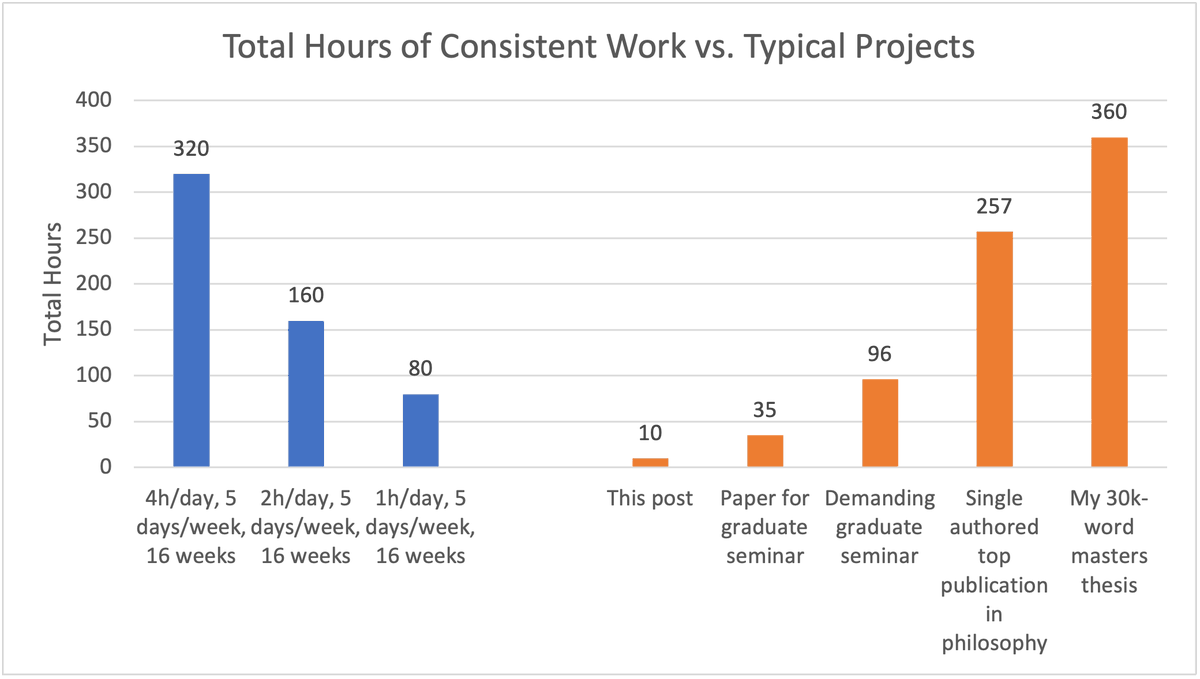
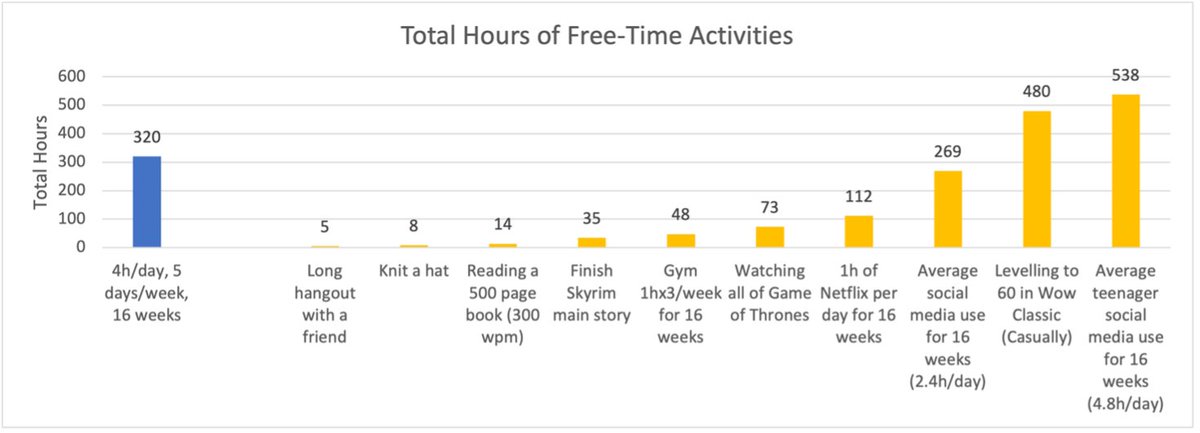
How much can you get done by working a few hours a day regularly? I ran the numbers and wrote it up in a short post (link below). Here is a short summary 🧵 1/7
How much can you get done by working a few hours a day regularly? I ran the numbers and wrote it up in a short post (link below). Here is a short summary 🧵 1/7