Timing is everything in life… and in the brain! Many theories suggest that the precise communication of sensory information across brain areas may rely on fast temporal dynamics. However, can this be proven without altering firing rates? 🧐
BREAKING NEWS
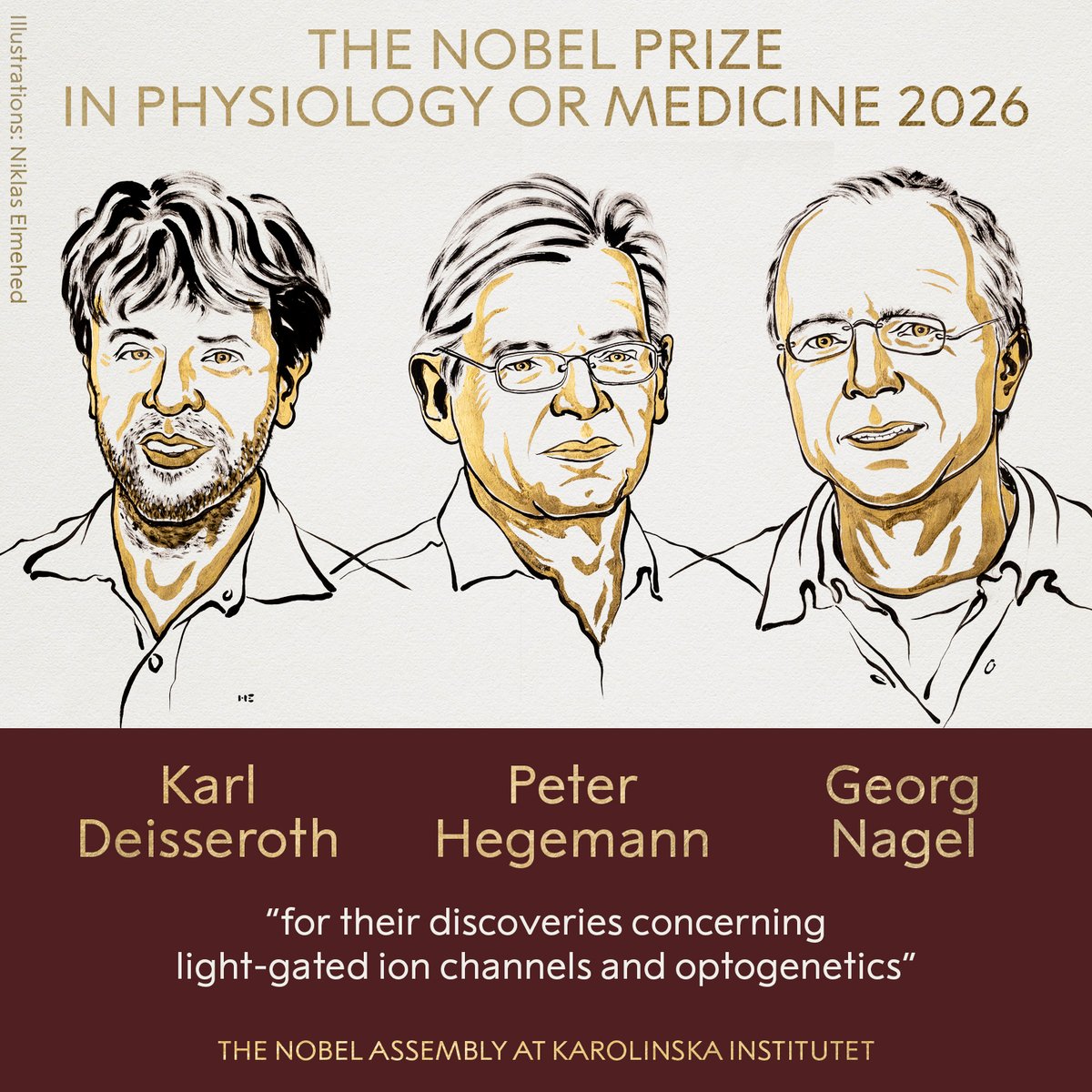
The 2026 #NobelPrize in Physiology or Medicine has been awarded to Karl Deisseroth, Peter Hegemann and Georg Nagel “for their discoveries concerning light-gated ion channels and optogenetics.”
Today in @Nature, we report a new approach to studying human brain development and modeling disease in vivo.
Human neural #assembloids and #organoids have opened new ways to study development in vitro, but they also have important limitations. Transplantation can provide a more physiological environment, yet human cortical cells then develop within a rodent brain that matures much faster, constraining their growth and integration.
To address some of these limitations and obtain more advanced functional readouts relevant to disease biology, we generated #apallial mice, in which ~98% of the cortex and hippocampus fail to form, creating space for transplanted human cortical organoids to grow and integrate extensively.
We call these #xenocortical mice (XCX).
Nearly 7 years in the making. Congratulations to an extraordinary team and wonderful collaborators!
Link to the article below 👇
Introducing a complete map of the male fruit fly brain and central nervous system, created in partnership with @HHMIJanelia. With over 166,000 neurons, this is the largest cellular brain map to date. Learn more: https://t.co/nrzbKDdTX1
A humanoid robot can perform aerial cartwheels on uneven ground and land smoothly, thanks to a new framework called BeyondMimic.
Learn more in @SciRobotics: https://t.co/zEXO4rrPUw
⚠️PREPRINT ALERT⚠️
How can we better understand distributed brain activity across temporal and spatial scales?
In this collaborative project, we combined ultra-flexible electrodes with two-photon imaging to illuminate brain-wide neural dynamics.
https://t.co/IfC3OLhL2y
1/8
Welcome back to alumnus Dr. Anthony Wang! Thank you for an excellent Grand Rounds presentation on "Surgical Revascularization in Cerebral Arterial Steno-occlusive Disease." We appreciate you sharing your expertise with our residents and faculty. @UCLANsgy@umichneuro
🧠✨We’re asking you to join us on our path to progress by making a contribution to the ASSFN Research Fund. This fund does more than put dollars to a project—it sparks breakthroughs.
🔗 Scan the QR code or visit https://t.co/n9d3BPwemE
to learn more and donate.
#neuroscience
NEW PREPRINT OUT!
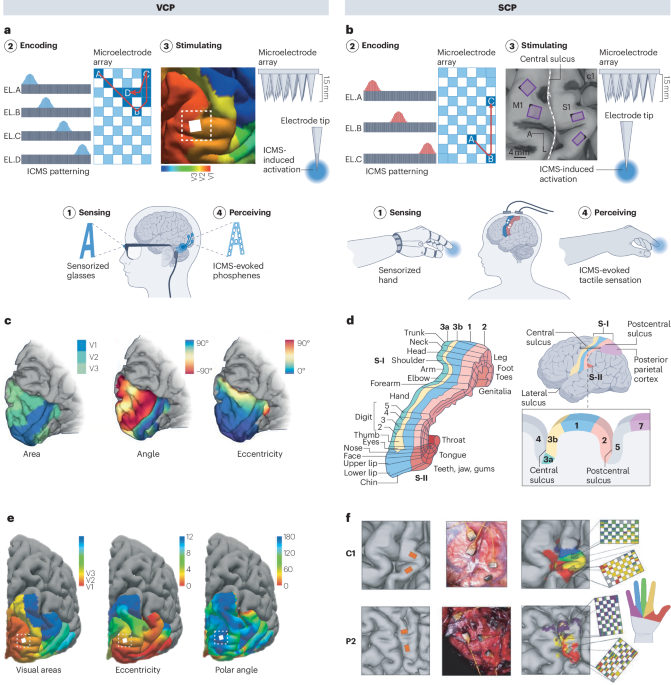
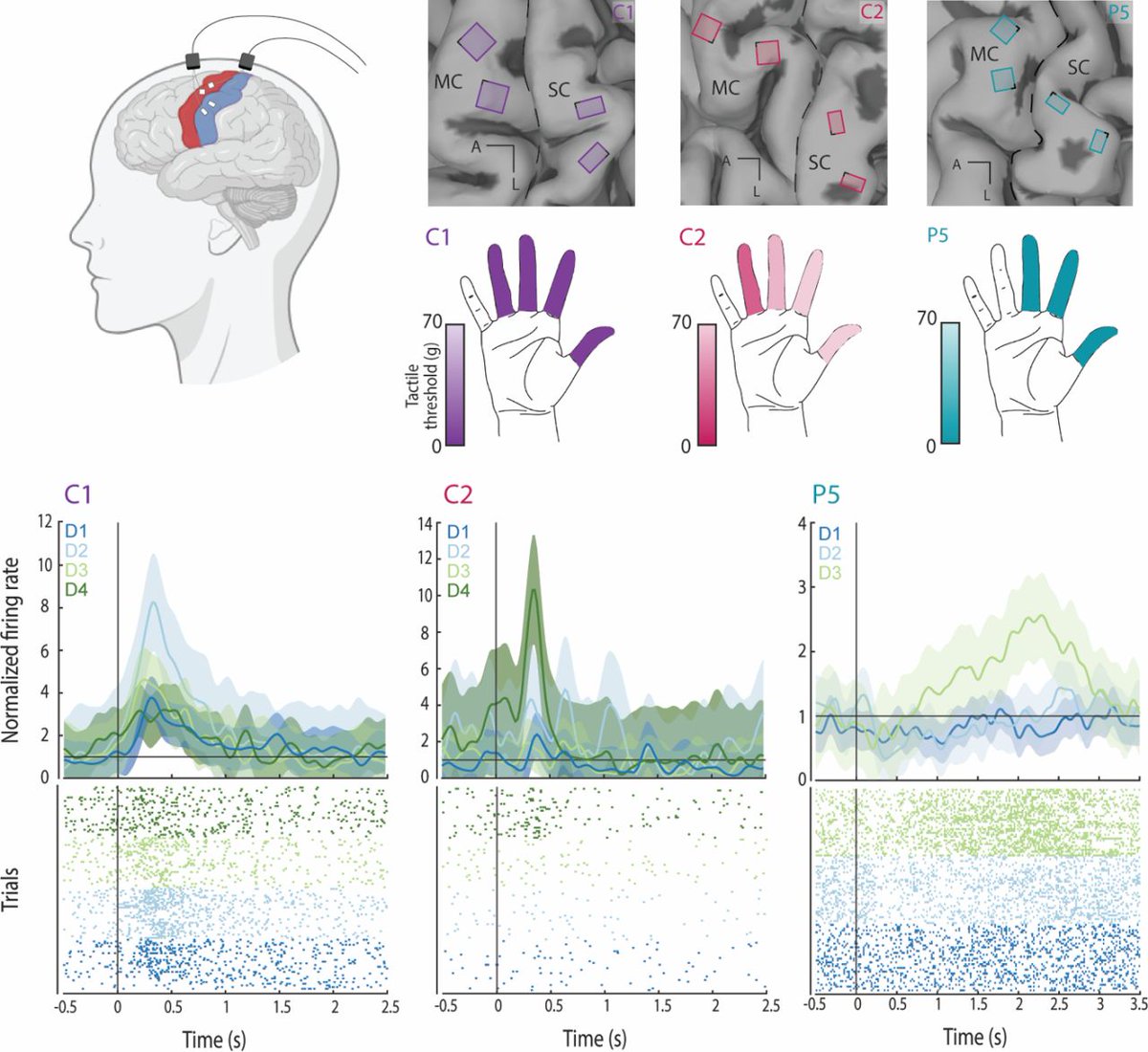
Happy to share that our #preprint on how the human #brain encodes #touch: https://t.co/ntS6Ytjhjb
We investigate how touch is encoded in the human #somatosensory and #motor cortices recorded via #microelectrode arrays across different tactile conditions
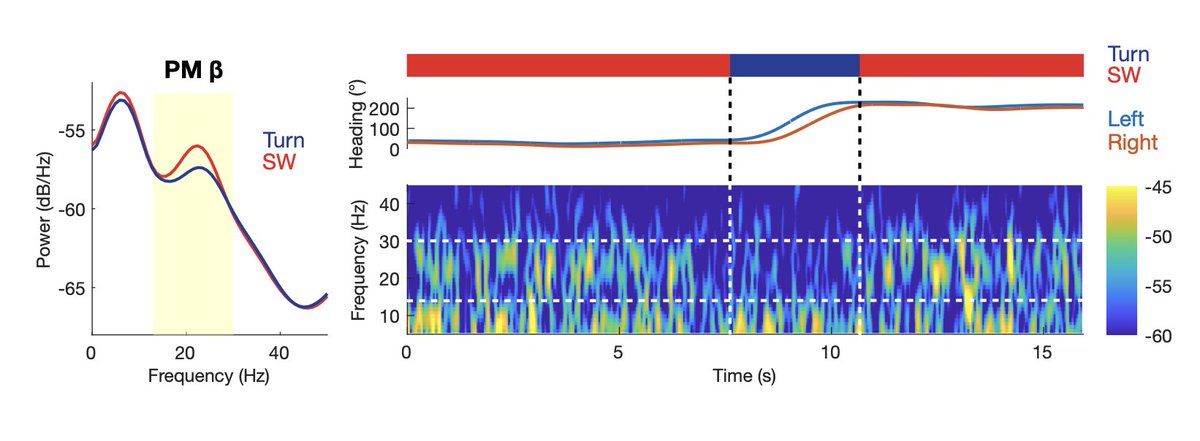
🚶🏽♂️🔄 Turns are one of the biggest challenges for people with Parkinson's disease. But what does brain activity actually do during a turn in the real world? 🧠🏠
📖 Check out our new preprint to find out!
https://t.co/NhKNSHSBjh
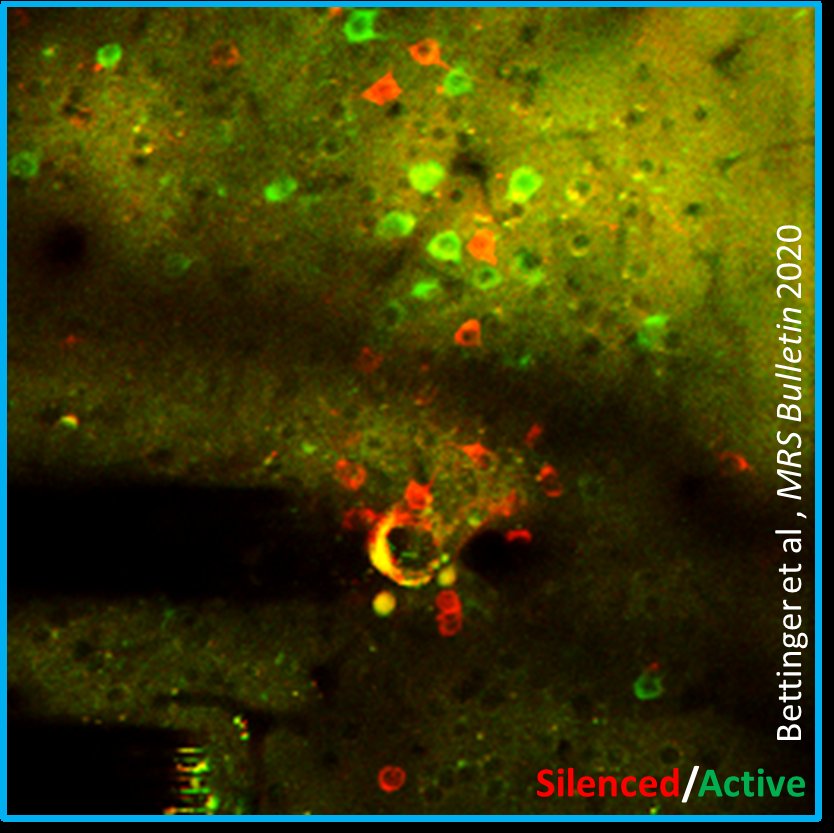
The brain uses 20% of your body's energy with 2% of its mass. Implant an electrode, and you sever the blood vessels delivering that energy. Nearby neurons don't die. They go silent. They're rationing fuel.
Our live tissue clearing paper is out in @naturemethods! We achieved optical clearing of mammalian brain tissues without compromising normal neuronal function. Big congrats to @Shigenori774 and our wonderful collaborators! 🎉
https://t.co/joMB5odihK (1/10)
A new Nature paper from Johns Hopkins (by Prof. Lin @DingchangLin ) just solved one of the hardest problems in biology: how do you record what every cell in a tissue experienced over time, not just what it looks like right now?
The answer: GEMINI — Granularly Expanding Memory for Intracellular Narrative Integration.
It works exactly like tree rings.
Cells are genetically engineered to express a computationally designed protein assembly. As the assembly grows inside the cell, it captures cellular activity as fluorescent ring patterns — each ring a timestamp, each ring's properties encoding signal intensity. Look at a cross-section under a microscope and you can read the cell's history backward, with ~15-minute resolution.
The key: cells build the recorder themselves. GEMINI doesn't interfere with normal function — it just quietly writes.
What they demonstrated:
In a full tumor xenograft, GEMINI captured every cancer cell's activity history across the entire tumor while it continued to grow normally. For the first time, researchers can look back and see how different regions of the same tumor responded differently to therapy over time — not snapshots, but film.
In a mouse brain, GEMINI recorded neural activity dynamics without disrupting behavior, coordination, or memory. It could temporally resolve the history of a brain seizure.
Why this matters:
Every tool we have in biology gives you state — what the cell looks like now. Sequencing, imaging, proteomics — all snapshots. GEMINI gives you trajectory. It's the difference between a photograph and a video, applied to every cell in an organ simultaneously.
The team is explicit that AI-based decoding tools will be central to reading GEMINI's output at whole-brain scale. This is the data layer that makes temporal single-cell atlases possible.
Paper: https://t.co/TsObknQqga
Congratulations @DingchangLin
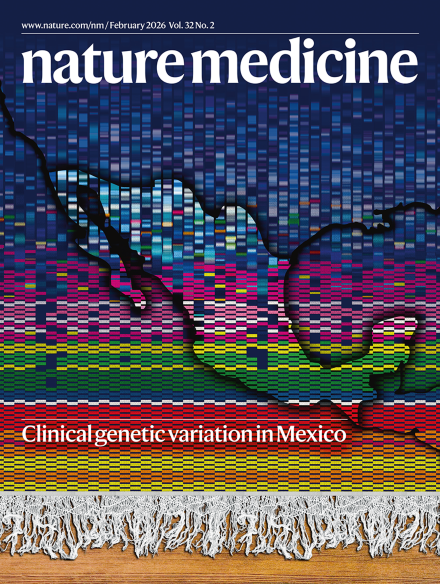
Last month, I published part of my PhD thesis in @NatureMedicine : Clinical genetic variation across Hispanic populations in the Mexican Biobank.
🔗 https://t.co/yOmI7h2Ui4 ... and we got the cover of the February issue!