MFS by conventional imaging identical between ENZARAD and PROTEUS at 5 y and both trials negative for addition of ARPI. This was the initial primary in PROTEUS and hard to see why should be viewed as positive. PET imaging triggered by PSA >0.2 hence PROTEUS MFS = PSA PFS
There are now 5 RCTs addressing the Q of ENI in high/very high risk prostate cancer (NRG 9413, 0924; GETUG-01; POP-RT and PEACE-2). Only POP-RT is positive (less than 4%) of total.
All show increase adverse events.
I think the data are clear. But debates will be inevitable
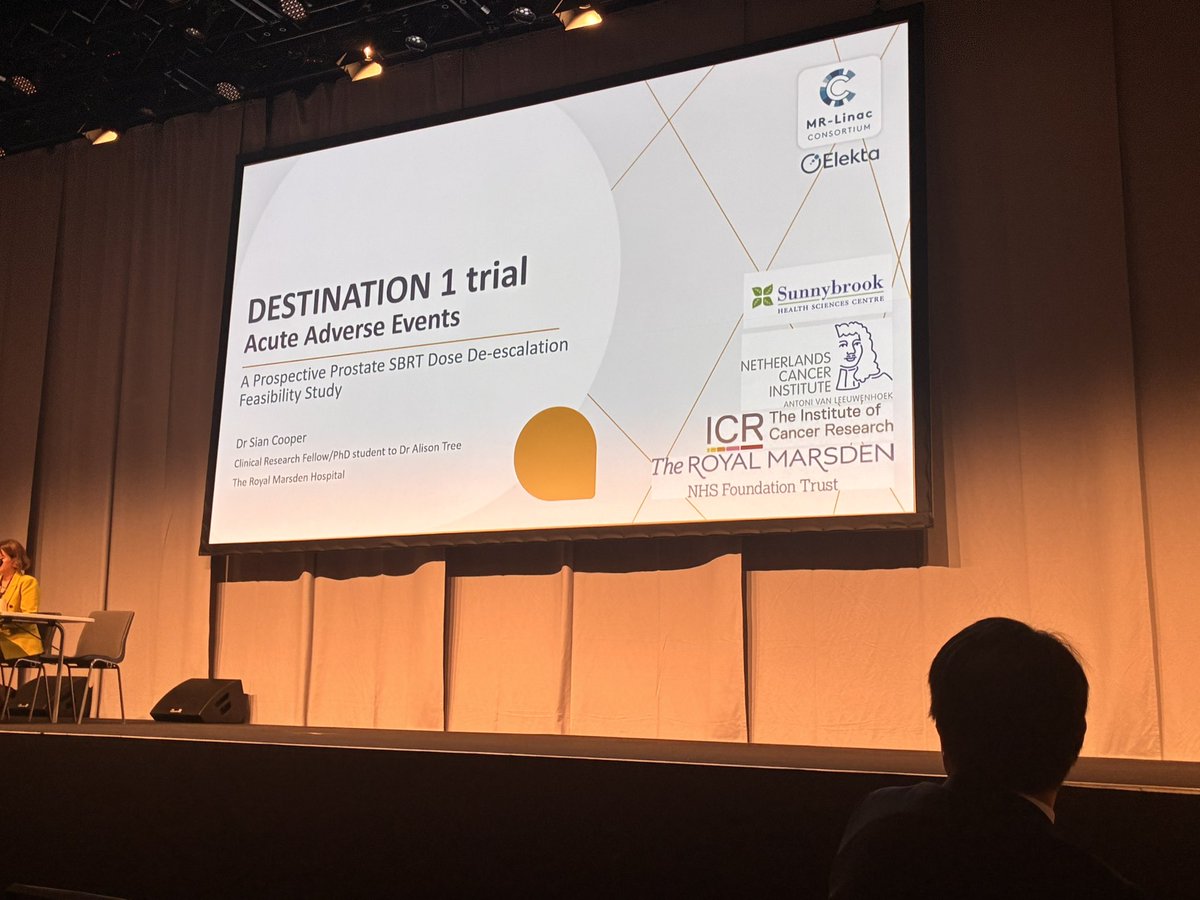
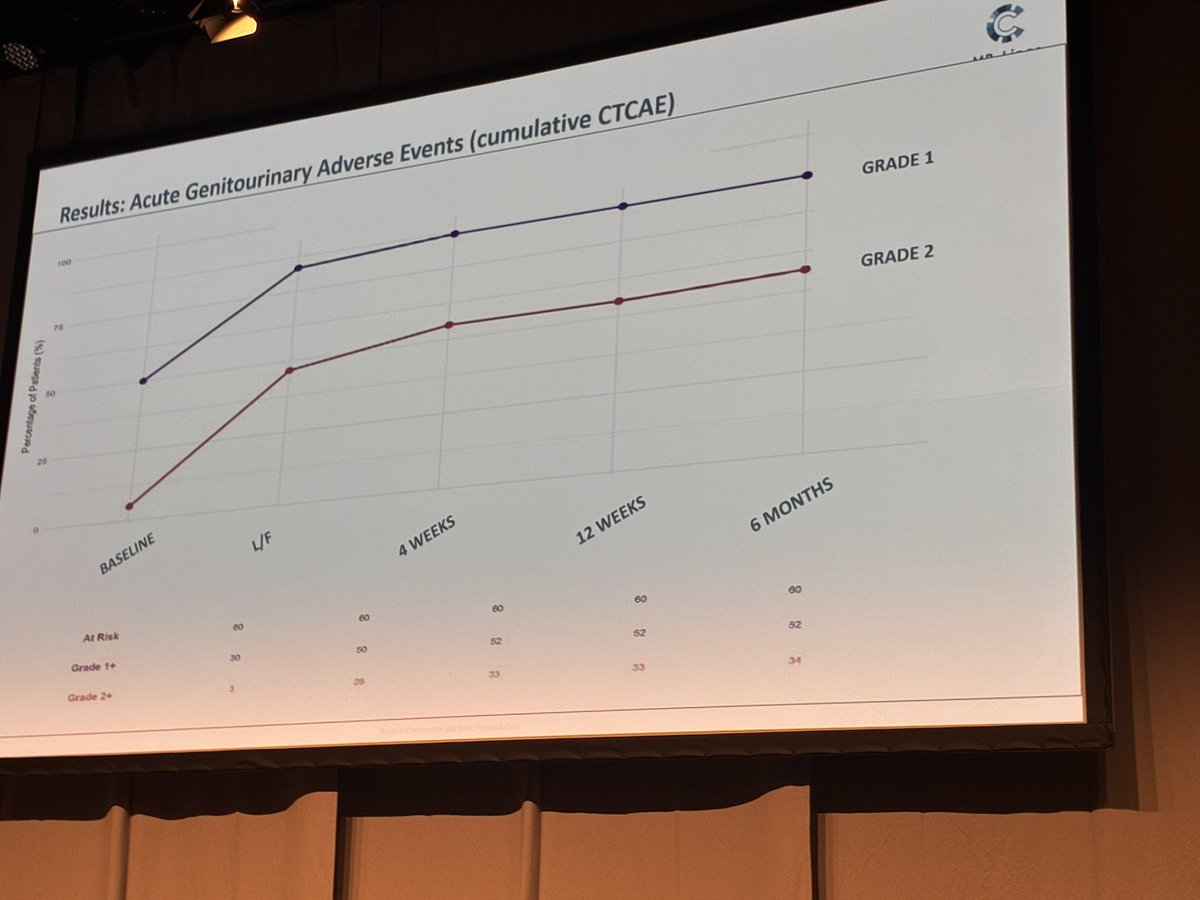
Great presentation from @DrSACooper on the DESTINATION 1 trial - dose escalation to GTV and simultaneously de-escalating rest of gland appears to have similar adverse events to PACE B. Thanks to collaborators @MOMENTUM_study@dr_vesi@royalmarsdenNHS Uulke van der Heide
Excited to share our publication in @TheLancetOncol on the primary results from the UNITED study: a new paradigm in radiotherapy for patients with glioblastoma /1 @Sunnybrook@UofTDRO https://t.co/SDon3EOlEh
Our @Sunnybrook innovation de-escalating the volume of normal brain tissue irradiated by 40 to 70%, for patients with #Glioblastoma, using @Elekta Unity MR Linac technology is out @TheLancetOncol. Possible only due to adapting weekly in real time using MR-guidance. Progress made!
SBRT vs HDR Brachytherapy for Intermediate-Risk Prostate Cancer
Post hoc analysis = 5 prospective trials
247 men = Intermediate Risk Prostate Cancer [ No ADT]
SBRT had significantly lower BCF and acute genitourinary AEs, and there was no significant difference in late PR-QoL
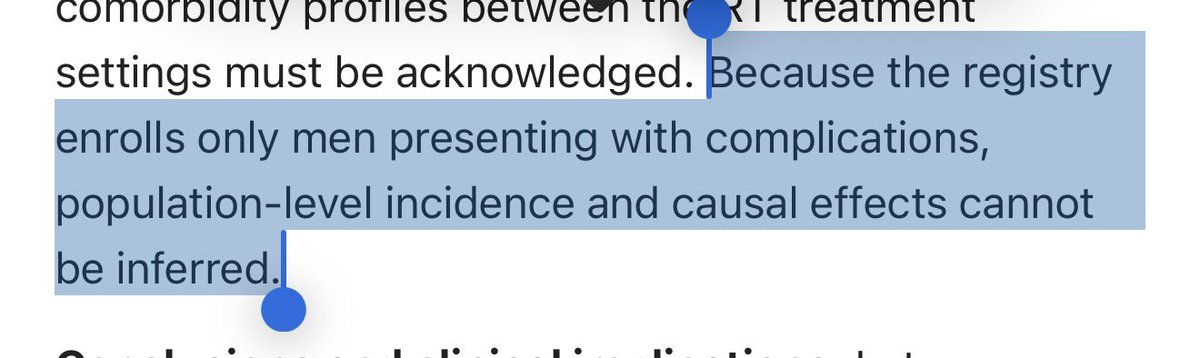
@DrAndrewLoblaw@dr_vesi LOL. A fancy graphic with percentages of patients with serious toxicity; and this in the abstract. Also, half the patients had surgery and RT and no differentiation for late toxicity between the two, but sold as “late radiation adverse events”
Extramammary Paget's disease is a rare neoplasm that typically presents in the genital area.
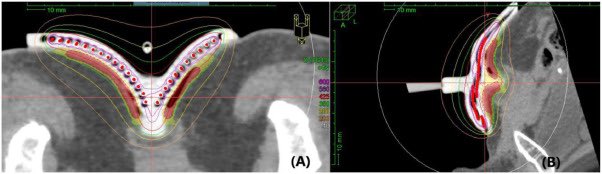
In this series, we present an innovative approach using brachytherapy with custom-made 3D-printed molds. @DrAmanTaggar
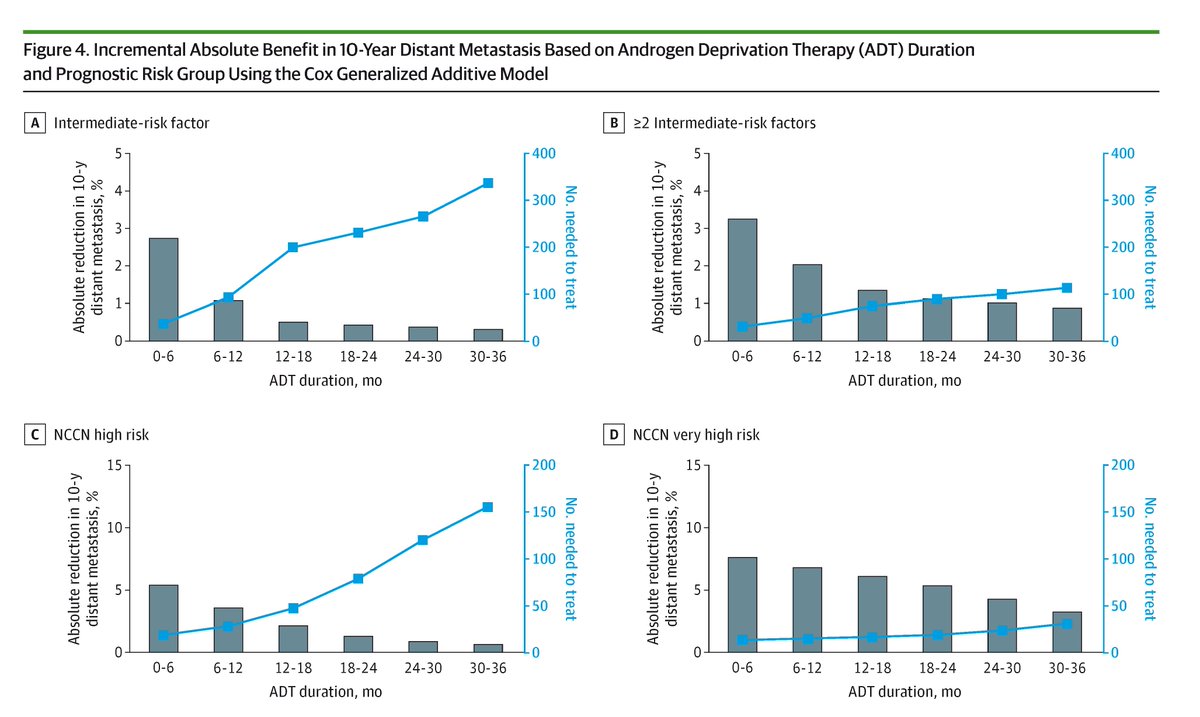
Meta-analysis: Among patients with intermediate-, high-, or very high-risk prostate cancer, the ideal duration of ADT with radiotherapy demonstrated nonlinear benefits, with diminished gains after 12 months and variation in benefit by risk group. https://t.co/corNHgWM5b
@RDC13ro presenting active surveillance for men with low and intermediate risk #ProstateCancer@Sunnybrook
N=1699, 18% GG2
mFU 9.4y
37% treated, 50 pts developed mets, 31 PC death
APP4 1-5% had same low risk of M1 and PCM (compared to pure GG1)
#ASTRO25
As expected people resist letting go of dogma. Lets review the common examples people grasp at:
1. Nodal field size: cited as why GETUG01 was negative (S1/S2), then cited why RTOG 9413 was negative (L5/S1), then POP-RT positive (L4/L5), but definitive trial of RTOG 0924 (L4/L5) negative
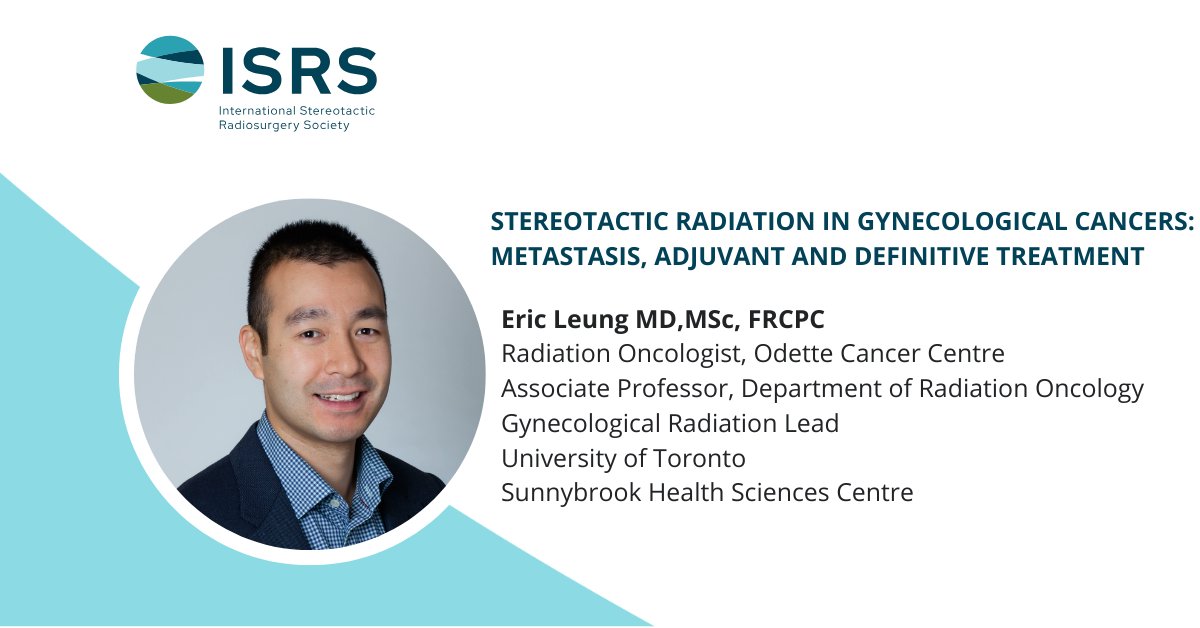
ANNOUNCING: The next #ISRSWebinar 📣
“Stereotactic Radiation in Gynecological Cancers: Metastasis, Adjuvant and Definitive Treatment”
🗓️ Tues, 23 September, 2025, 4pm CET
🥼Eric Leung, MD MSc FRCPC
@leunger22
The goal of this presentation is to review the indications of stereotactic radiation in gynecological cancers and its role and treatment for metastasis , definitive local treatment and adjuvant treatment.
This important webinar is FREE when you join us Live!
👉 REGISTER: https://t.co/fv258FBw88




![roxboxfix's tweet photo. SBRT vs HDR Brachytherapy for Intermediate-Risk Prostate Cancer
Post hoc analysis = 5 prospective trials
247 men = Intermediate Risk Prostate Cancer [ No ADT]
SBRT had significantly lower BCF and acute genitourinary AEs, and there was no significant difference in late PR-QoL https://t.co/tv4VSuU0AP](https://pbs.twimg.com/media/HCD0gtTaMAIC0n6.jpg)
![roxboxfix's tweet photo. SBRT vs HDR Brachytherapy for Intermediate-Risk Prostate Cancer
Post hoc analysis = 5 prospective trials
247 men = Intermediate Risk Prostate Cancer [ No ADT]
SBRT had significantly lower BCF and acute genitourinary AEs, and there was no significant difference in late PR-QoL https://t.co/tv4VSuU0AP](https://pbs.twimg.com/media/HCD0grraMAEf7P1.jpg)
![roxboxfix's tweet photo. SBRT vs HDR Brachytherapy for Intermediate-Risk Prostate Cancer
Post hoc analysis = 5 prospective trials
247 men = Intermediate Risk Prostate Cancer [ No ADT]
SBRT had significantly lower BCF and acute genitourinary AEs, and there was no significant difference in late PR-QoL https://t.co/tv4VSuU0AP](https://pbs.twimg.com/media/HCD0gqLb0AA2amM.jpg)






![roxboxfix's tweet photo. SBRT vs HDR Brachytherapy for Intermediate-Risk Prostate Cancer
Post hoc analysis = 5 prospective trials
247 men = Intermediate Risk Prostate Cancer [ No ADT]
SBRT had significantly lower BCF and acute genitourinary AEs, and there was no significant difference in late PR-QoL https://t.co/tv4VSuU0AP](https://pbs.twimg.com/media/HCD0gtZbkAAfVt1.jpg)