Our recent @ScienceMagazine article has been downloaded 24,806 times! So encouraging to see so much interest in our crowdsourced, open-science effort to find an accessible and affordable #COVID19 antiviral.
Here's the link in case you missed it ➡️https://t.co/I3LF86v8Va
Our latest paper now out @NatureComms
describing a simple bioconjugation approach to make covalent biologics that can target cysteines, but more importantly lysines! A thread 1/x https://t.co/mOjBPRE0S9
📢 Results of the 2023 ERC Consolidator Grant competition are out.
€627 million for 308 researchers.
Who has been offered funding?
What topics and questions will they investigate?
Where will they conduct their research?
🇪🇺@HorizonEU#ERCCoG news 👉 https://t.co/uO5oo5YsLV
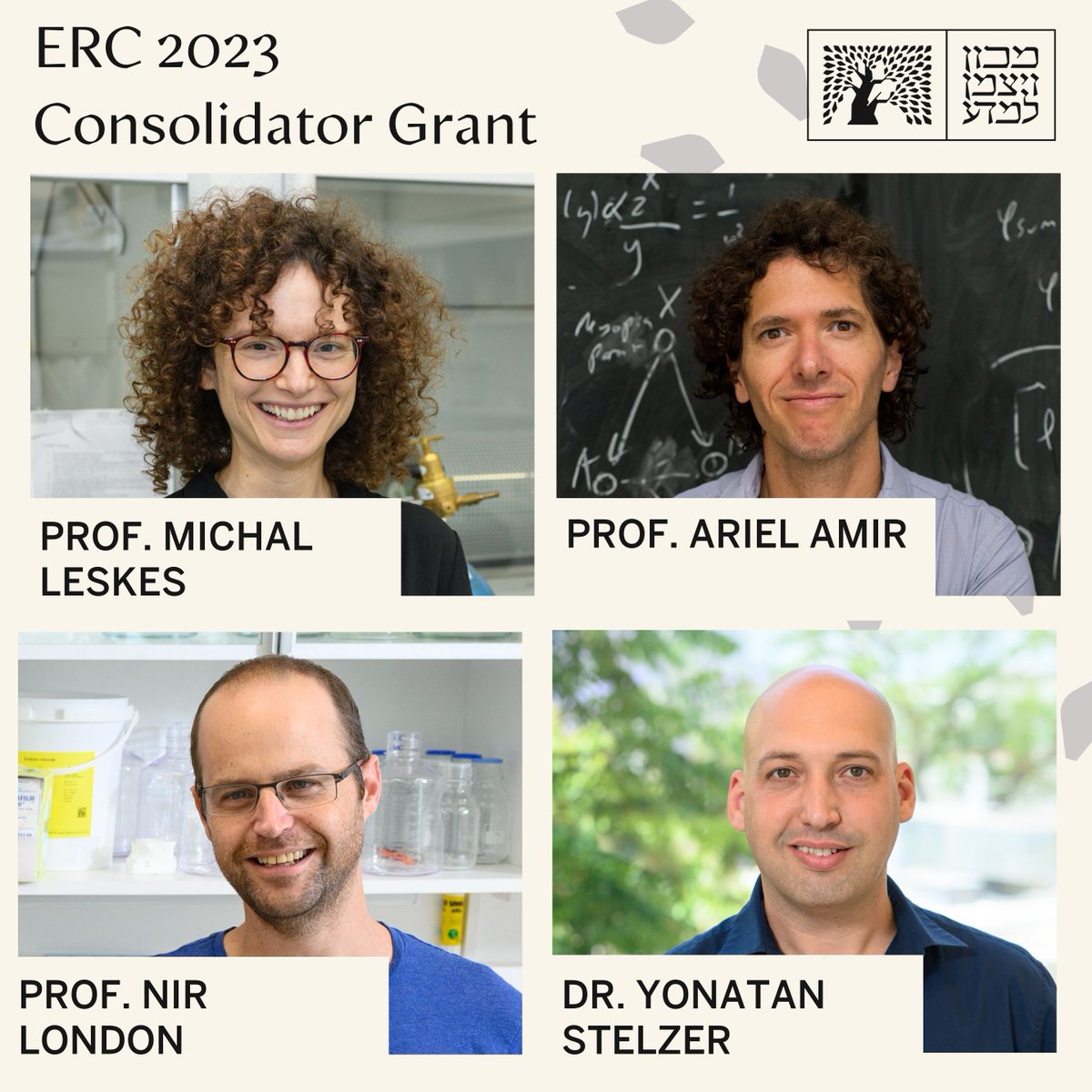
We’re proud to announce the talented researchers who have been awarded the @ERC_Research Grants for 2023!
Congratulations to Dr. Yonatan Stelzer of the Molecular Cell Biology Department, Prof. @Ariel_4321 of the Physics of Complex Systems Department, Prof. @michal_leskes of the Molecular Chemistry and Materials Science Department, and Prof. Nir London @london_lab of the Chemical and Structural Biology Department upon receiving the Consolidator Grant; and to Prof. Noam Sobel of the Brain Sciences Department, who was awarded the Synergy Grant
#ERCSyG
Thrilled and grateful to receive an #ERCCoG award to make Covalent Proximity Inducers 🤩 Thank you @ERC_Research for the big vote of confidence. Special thanks to all of the colleagues and mentees who paved the way here. Positions available at all levels - feel free to email me
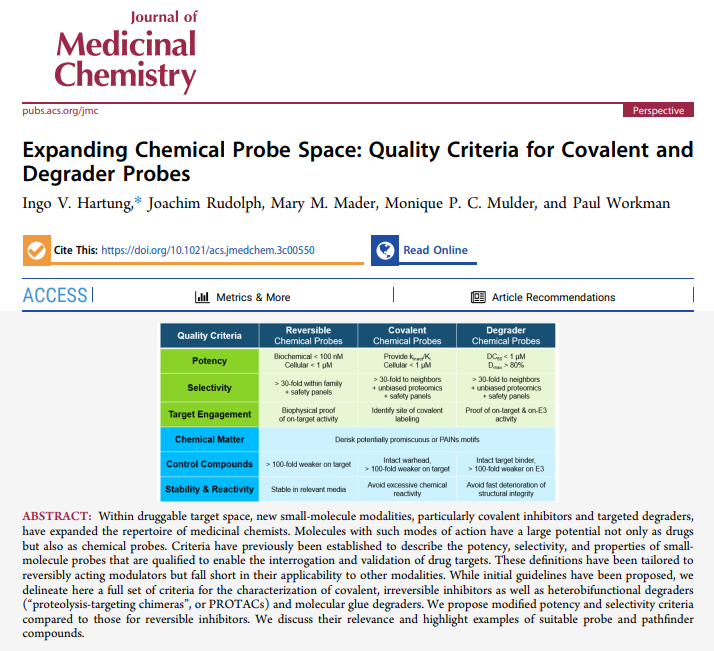
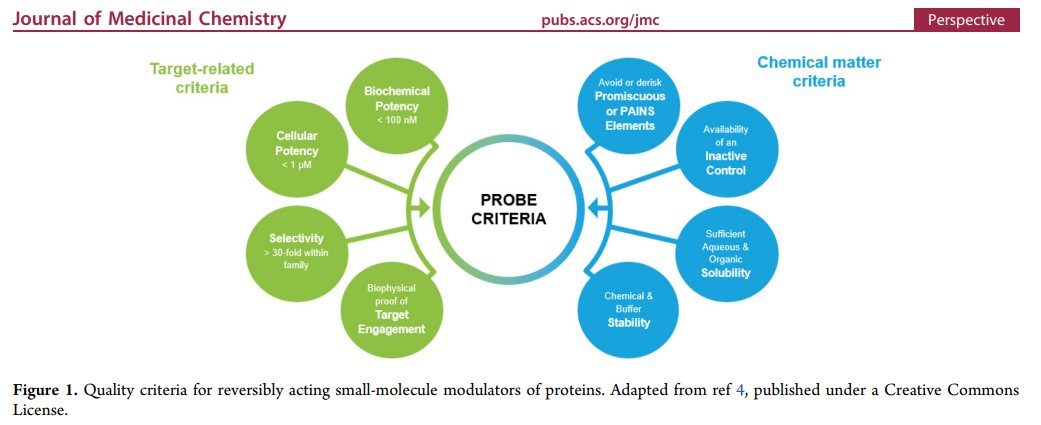
Chemical #probes are important tools for validating drug targets. Covalent inhibitors & molecular degraders are expanding the druggable space. We now propose quality criteria for covalent & degrader probes: @ACSBioMed https://t.co/ZcL4zmxF6C @Chemical_probes@thesgconline#TPD
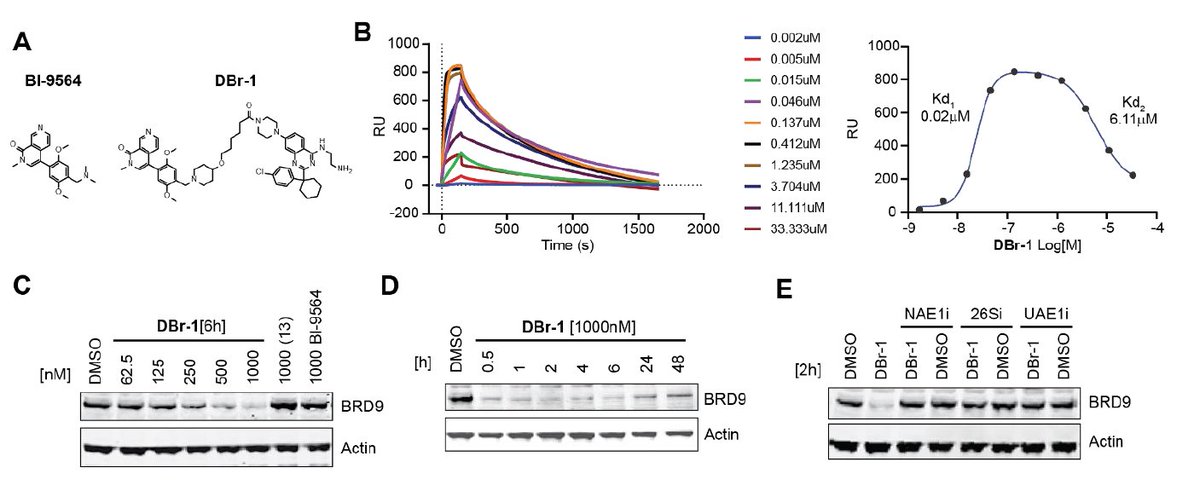
Finally I read up on #DCAF1 based #PROTACs@NovartisScience. A recently disclosed non-covalent WD40-binding DCAF1 ligand enabled degradation of BRD9, Csk, Limk2, TEC, TNK2 & BTK. Hijacking essential DCAF1 may break resistance to CRBN PROTACs. @BioRxiv#TPD https://t.co/PCzPmXk5Pz