We are inviting you to submit your original works to the AgriEngineering Special Issue titled "Complex Interactions of Applied Artificial Intelligence, Machine Leaning and Plant Science in #space#food#production ".
@MDPIOpenAccess@AgriEng_Mdpi
https://t.co/TgVPOPNx7R
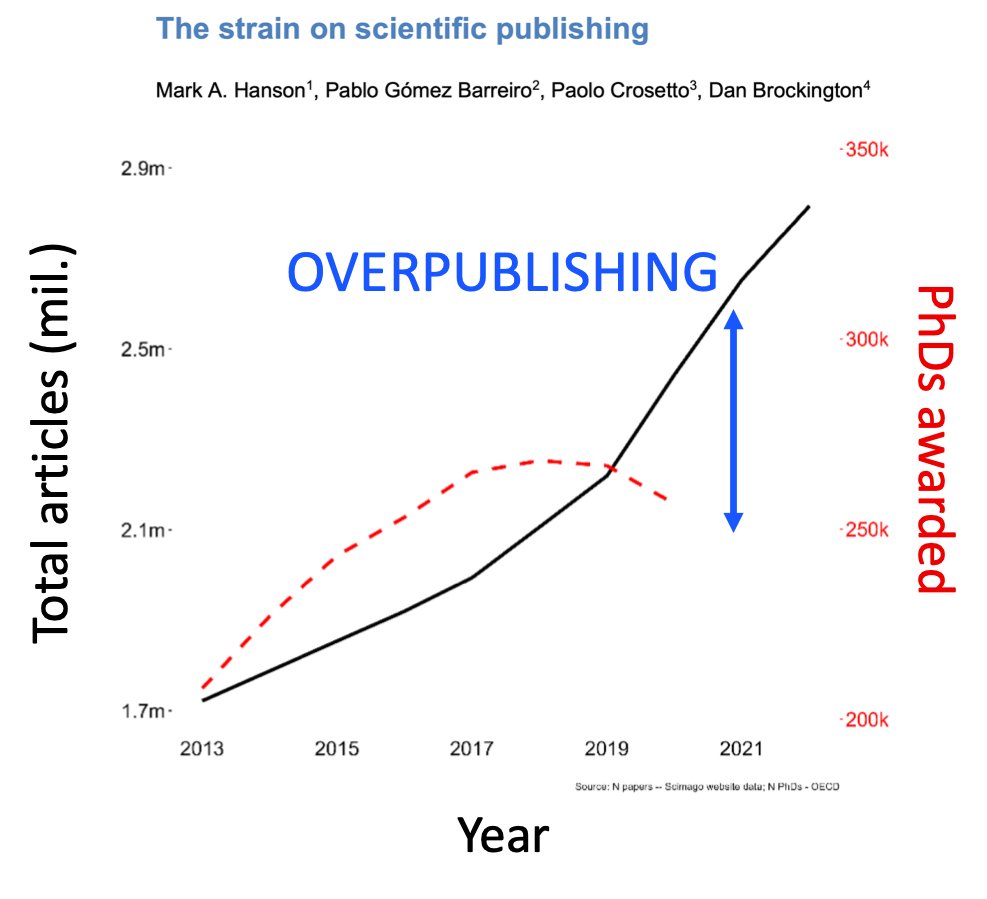
Overpublishing puts enormous stress on students and PIs.
And brings tons of money to publishers in STEM.
A new study shows that the number of papers is increasing FASTER than the number of #PhD graduates.
It’s an amazing work with very useful statistics. Huge kudos to the authors!
▫️
Main outcomes:
1️⃣ In 2022 the number of articles is 47% higher than in 2016. The amount of writing, reviewing and editing workload per scientist is increased enormously.
2️⃣ “Special issues” is a strategy for publishing lots of papers with reduced review time. This is possible due to the “publish or perish” pressure and clearly benefits the publishers.
3️⃣ The publishing time varies widely!
MDPI = 37 days. Frontiers = 72 days. Elsevier = 134 days. Springer = 157 days. Nature = 185 days.
4️⃣ The article rejection rates do not seem to correlate with publisher growth. However, rejection rates decline with increased use of special issue publishing.
5️⃣ Certain for-profit gold-open-access publishers create an increasing number of special issues, with uniquely reduced turnaround times, and in specific cases, high impact inflation and reduced rejection rates.
6️⃣ The authors suggest a new metric - Impact Inflation, which is reflected in self-citation within the same journal. For example, MDPI has a high impact inflation due to excessive self-citation compared to other publishers.
Conclusions and my opinion:
- Scientists have to spend a lot more time on reviewing and writing than before (on average).
- The more papers are published, the more the quality is compromised.
- Scientific progress has become partially bound to the business models of publishers and their revenue (a sad reality today).
- There is a huge lack of transparency. Much of these data had to be ‘web-scraped’ from numerous sources in order to get a full picture. We clearly need regulators to mandate open access to publisher’s statistics.
- Reduce the number of special issues! Those typically have low standards.
▫️
Science, publishing and funding make a trio that is very hard to disentangle.
However, research quality is controlled by the community.
This is why preprint + community review can make a big difference.
#AcademicTwitter #AcademicChatter
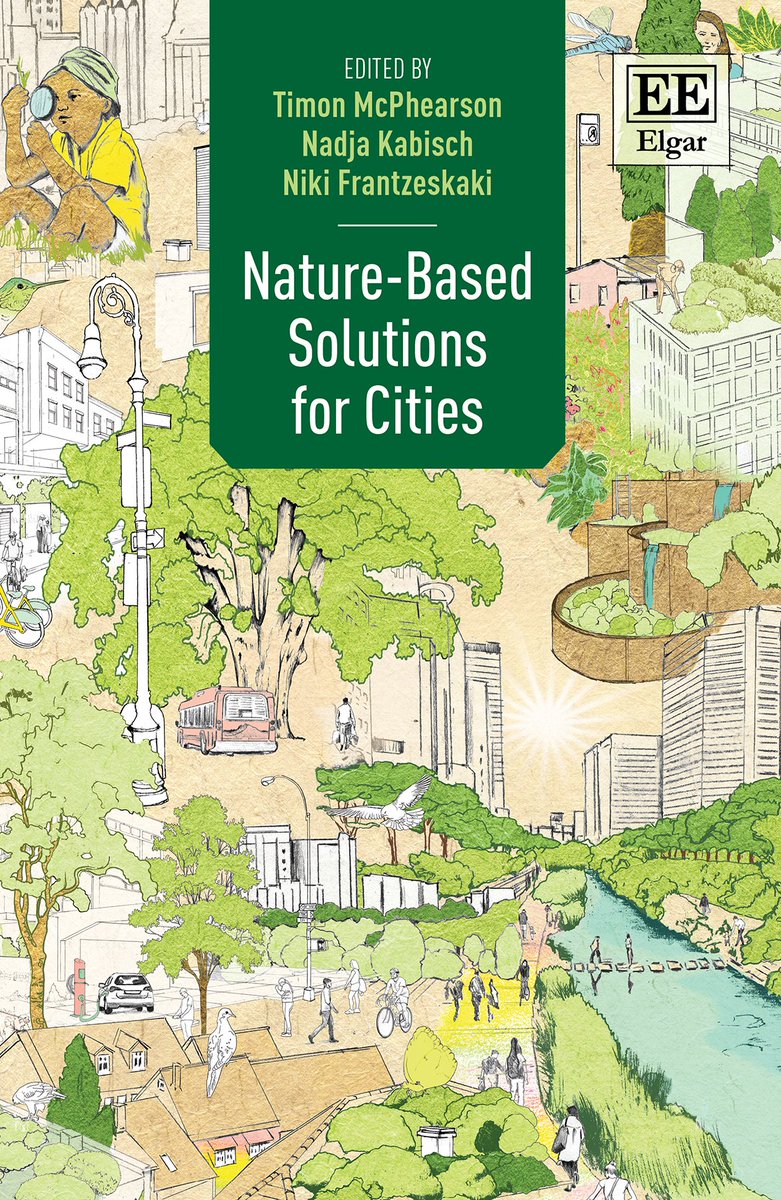
🎉 New open access book, Nature-based Solutions for Cities, is now available from @ElgarPublishing, edited by @timonmcphearson @NadjaKabisch @NFrantzeskaki. Explore the state of the art in advancing NBS for cities across the world 👉 https://t.co/pgPdbQuC7X
🤔 Ever tried to draft a design, only to realize you've drawn something Picasso might reject? Fear not! Our new paper (https://t.co/dbUoM3UL6k) is here. Spoiler: It's like having Da Vinci & Ford in your pocket! 🎨🛠️
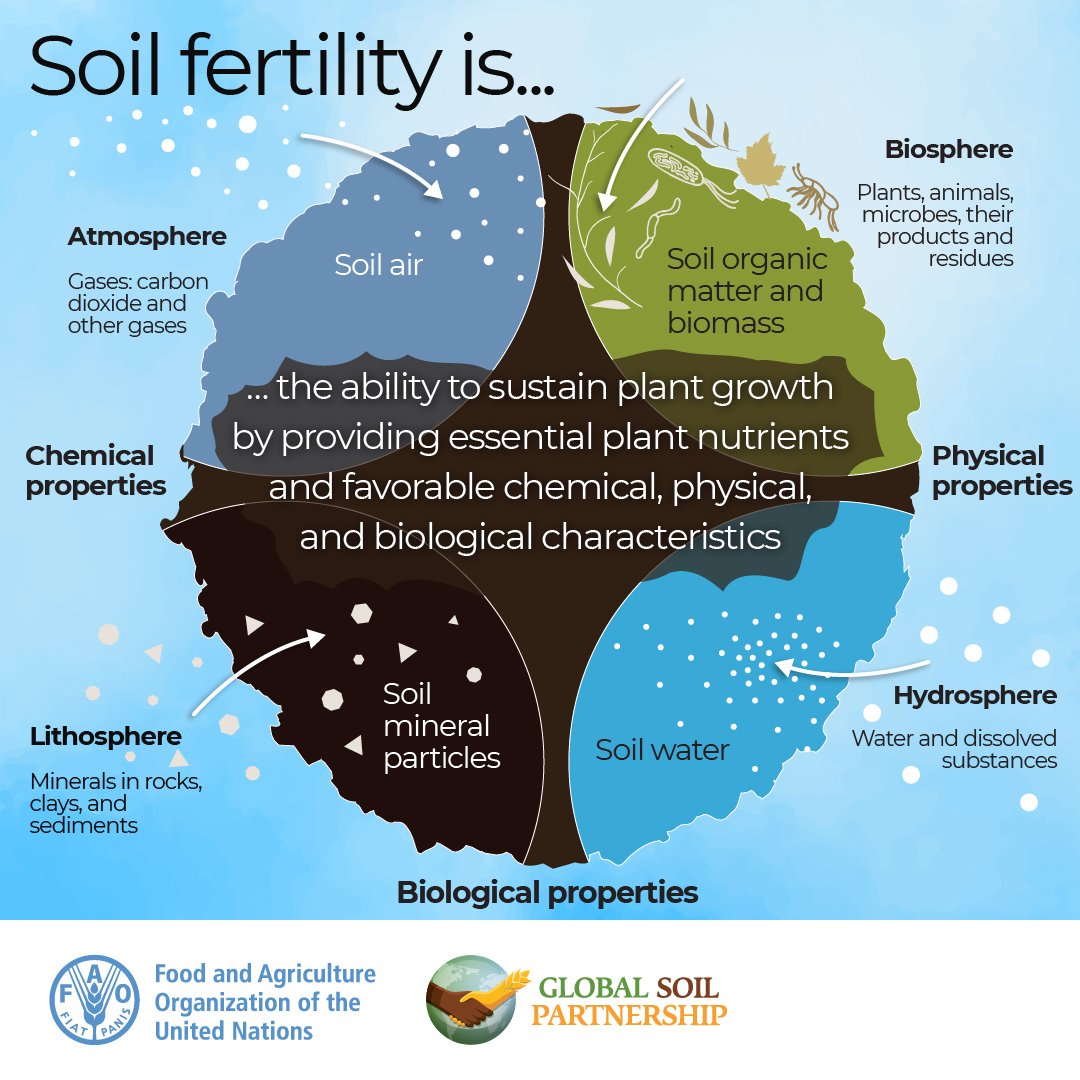
What is soil fertility & how is it important?
Healthy soils sustain life. 🌿🌦️
But soil degradation leads to, among other things, the loss of #soil fertility constituting a risk to #FoodSecurity#Soils4Nutrition
I have been looking all day for a very specific picture of my cultivation setup during my PhD and ended up scrolling the 568 pages of my dissertation. 😅
Our recent work entitled "Genetic Termite Colony-Optimized Arbuscular Mycorrhizal Fungi Concentration for Glycophyte Plant Resilience to Saline Environment" is now published in IEEE Xplore (check it here: https://t.co/ZmtwyHBagz). #dlsu#fungi#evolutionarycomputing#glycophyte
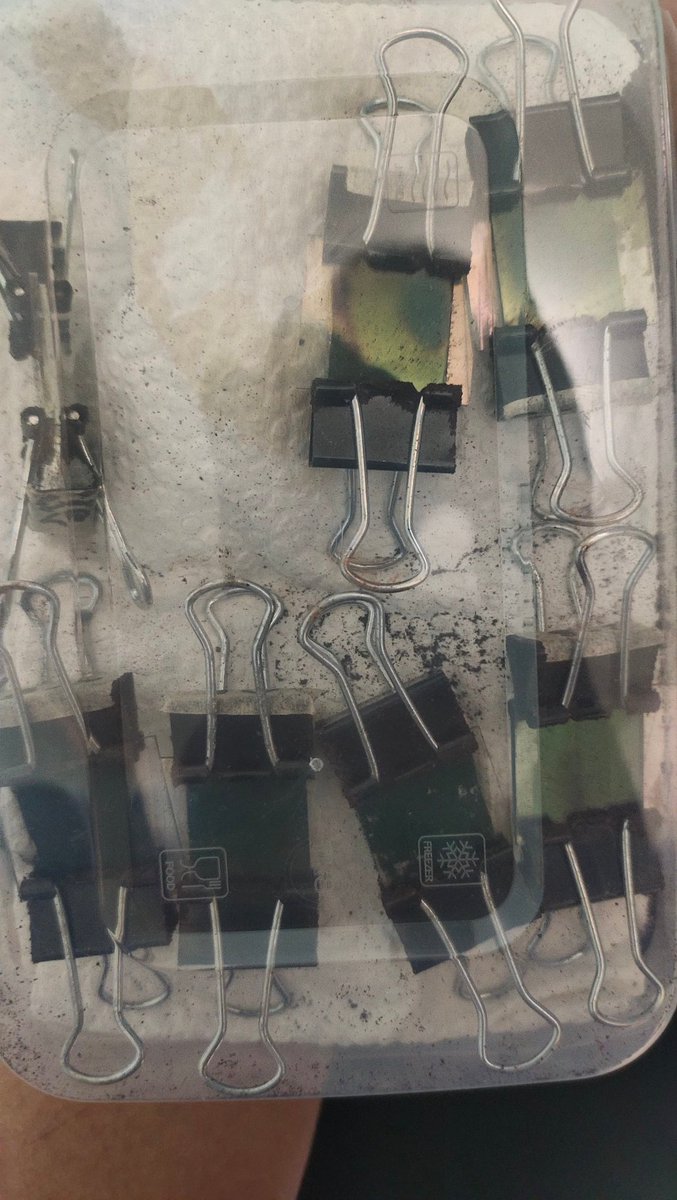
Some of the dye-sensitized solar cells I made during my PhD two years ago, still functioning despite the fast evaporation rate of iodide/triiodide electrolyte. Had a great time mixing chlorophyll and anthocyanin pigments as photosensitizer though :)
@CornellAgriTech May I know what holds the seedling in an upright position in the first image? I noticed the hole is thicker than the plant stem. Probably there is a mantle of plastic or tape above the white plastic but I am not sure what it is. Thank you in advance!
Postdocs do some amazing things on our campus, including develop new technologies to help growers in the field. Daniel Winter Heck's newest mobile aims to help growers improve disease and pest management practices while saving time, effort and resources. https://t.co/JyjbIDDzuD