In a short @ScienceMagazine piece I argue that natl politics and policy, more than ambition-chasing targets, will be the locomotive that pulls the carbon economy. This implies rebalancing the 'ambition cycle' toward supporting & enabling national processes https://t.co/ynOpAZdU2k
This is the sort of ambition to be proud of, as Universities, local councils and companies lead the way, well ahead of governments, towards the rapid transition to net zero carbon emissions that’s critical in limiting ongoing, dangerous #climatechange
It was great to see a focus on regional climate change at #COP27 this month! A challenge for COP28 is to consider the role of aerosol changes on regional climate.
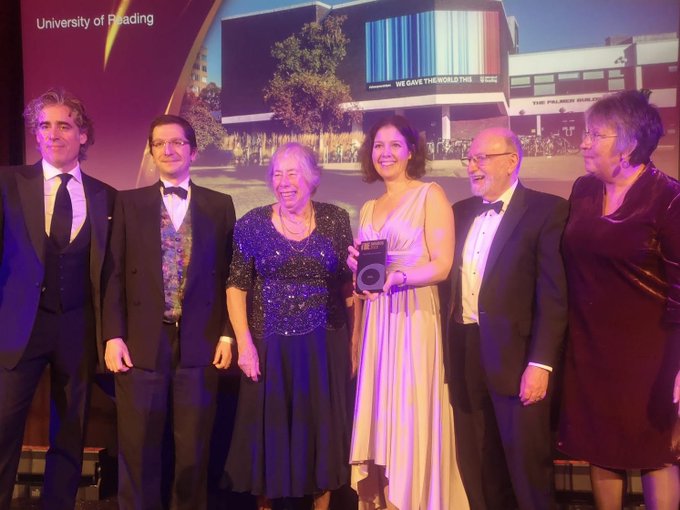
Congratulations to Paul Williams, Nancy Nichols and Cathie Wells for winning the STEM Research Project of the Year at the #THEAwards2022, for their groundbreaking work on reducing aircraft emissions.
https://t.co/0CdoUSrfAr
Interested in learning more about Climate and Finance? Henley Business School are offering a new MSc in Climate Change, Sustainable Business and Green Finance https://t.co/0NJH5PEjf7
Is overshoot “good” or “bad”? – it depends on your counterfactual, which often gets lost in the discussion. We hear a lot of “Problem with o/s is…” and also “o/s is achievable” which sound at odds. Here’s why we should be more careful with the narrative 🧵
At Reading, we work towards one common goal: to make the world a better place.
As the future of our planet is discussed at @COP27P, our people continue to further understanding of climate science.
Together we can create a more climate resilient future.
https://t.co/Cm1uXqp1sg
The @UN says progress on cutting emissions that cause global warming has been "woefully inadequate" since @COP26.
Talking to @BBC5Live today, @Ed_Hawkins says we must continue to focus on cutting emissions.
Listen from 12:55 with @TherealNihal.
https://t.co/ItheqABNPR
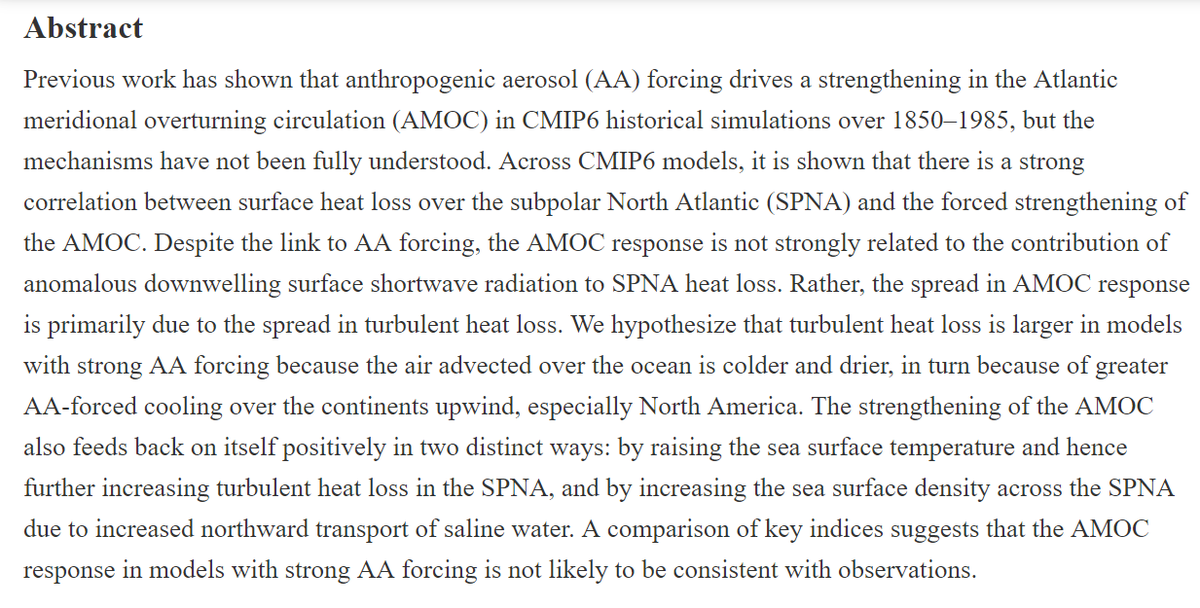
Just Published: "The Role of Anthropogenic Aerosol Forcing in the 1850–1985 Strengthening of the AMOC in CMIP6 Historical Simulations", Journal of Climate 35, 20 (2022): 3243-3263, https://t.co/BWF271W162 #JClimate
1/2
If you are thinking of applying for a research fellowship (e.g. NERC, Royal Society) have you considered doing it at @UniRdg_Met?
We have a (hybrid) open day on Monday 7th November, and reasonable domestic travel costs will be covered:
https://t.co/2YsixKyIzF
A new project called @CANARI_Science will focus on understanding the atmosphere, ocean, and the pathways by which Arctic #climatechange can influence the latitudes below.
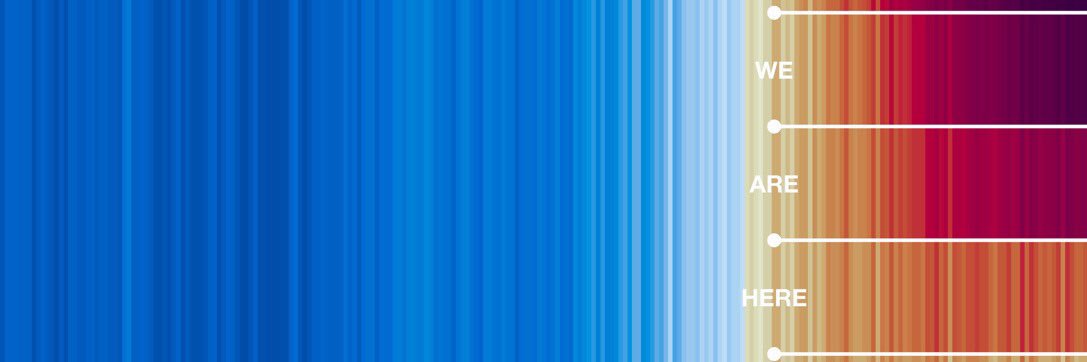
A beautiful take on our climate stripes.
Thanks to glass artist @CathrynShilling for creating these striking models, based on graphics by @ed_hawkins, which will start climate conversations at a London art exhibition next month.
Read more: https://t.co/U5VnfQrTCs
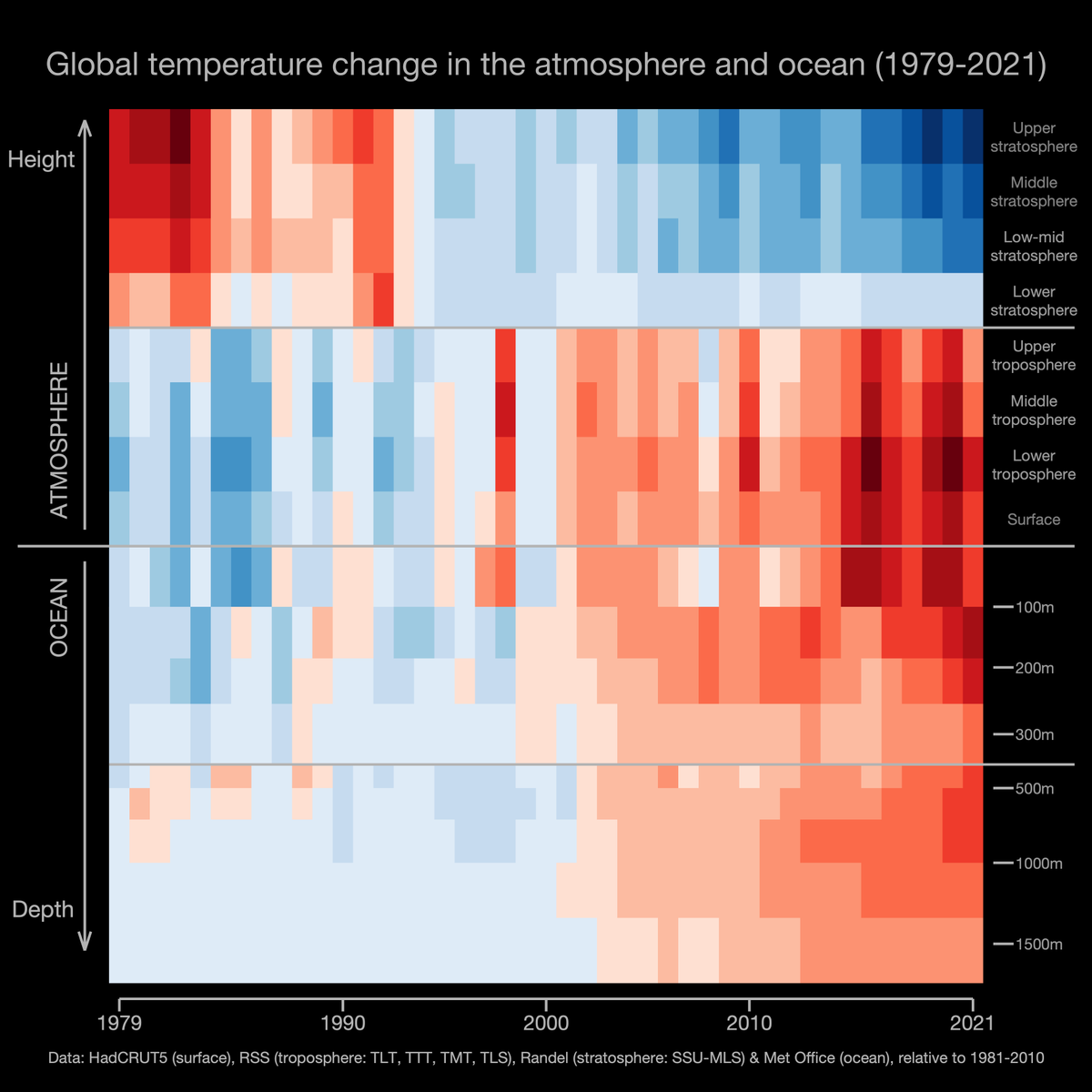
Changes in temperature from the upper stratosphere to 2km deep in the ocean for 1979 to 2021.
Red is warmer, blue is cooler.
The lower atmosphere & ocean is warming due to greenhouse gas emissions.
The stratosphere is cooling due to changes in ozone & greenhouse gas emissions.
In case you are wondering... ACSIS twitter account has morphed into CANARI, which aims to take an all-in-one view of the Arctic – North Atlantic climate system, to understand the impacts on the UK arising from changes taking place in these regions. @Len_Shaffrey@AtmosScience
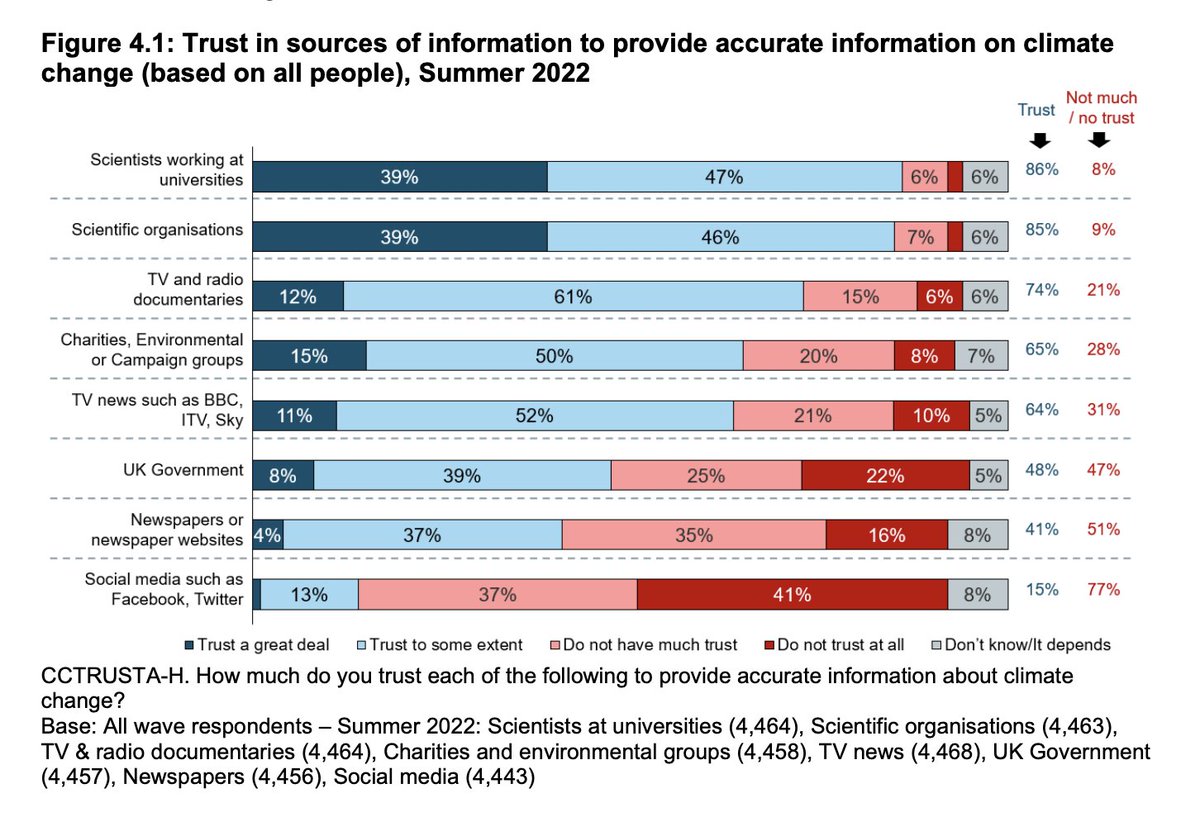
This is a v important chart buried in latest quarterly UK govt "public attitudes tracker" survey.
The public REALLY trusts scientists when it comes to info about climate change
Newspapers, govt, social media... er, less so
https://t.co/BdtRXsLRcY
At a renaming ceremony on campus last week, the Meteorology Building was renamed after one of its most distinguished professors, Sir Brian Hoskins - recognised by many as the pre-eminent dynamical meteorologist of his generation.
Find out more: https://t.co/out9UKpAGT
Today I am delighted to be starting a new part time role as Research Dean for the Environment @UniofReading. I will also be continuing to work for @AtmosScience including on #UKNCSP. I look forward to working with many colleagues on climate & environmental science and solutions.
#Arctic sea ice extent has already fallen below what used to be the average annual minimum in the 1980s... The "melt season" typically ends in early/mid September.
[*Small differences will exist between different datasets]







![ZLabe's tweet photo. #Arctic sea ice extent has already fallen below what used to be the average annual minimum in the 1980s... The "melt season" typically ends in early/mid September.
[*Small differences will exist between different datasets] https://t.co/Hr5jjqyNM6](https://pbs.twimg.com/media/FYti5B5XoAAxMUD.jpg)



