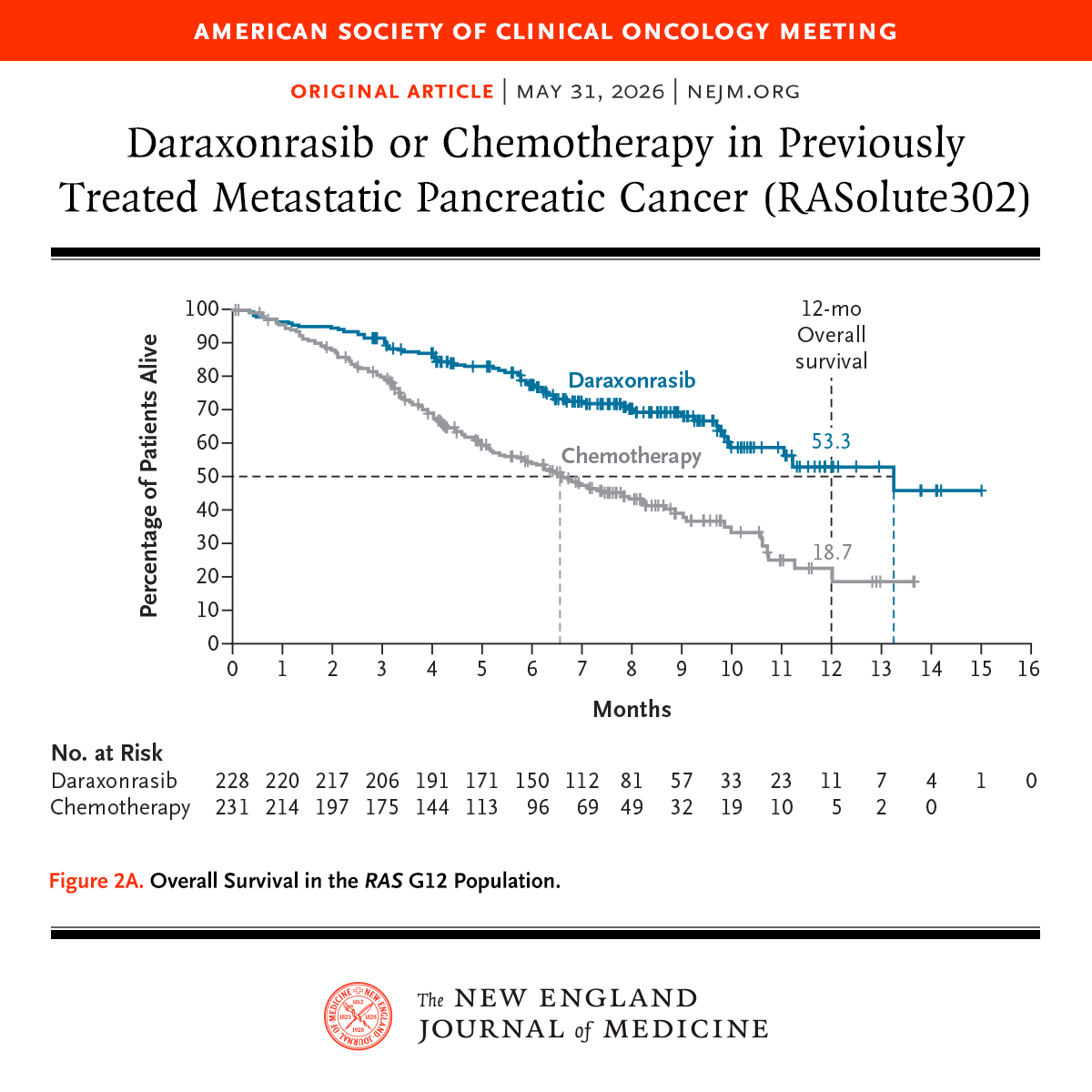
Presented at #ASCO26:
Among patients with previously treated metastatic pancreatic ductal adenocarcinoma, the RAS(ON) inhibitor daraxonrasib led to significantly longer overall survival and progression-free survival than chemotherapy. Full phase 3 RASolute 302 trial results: https://t.co/xwLWBZYRzq
@ASCO
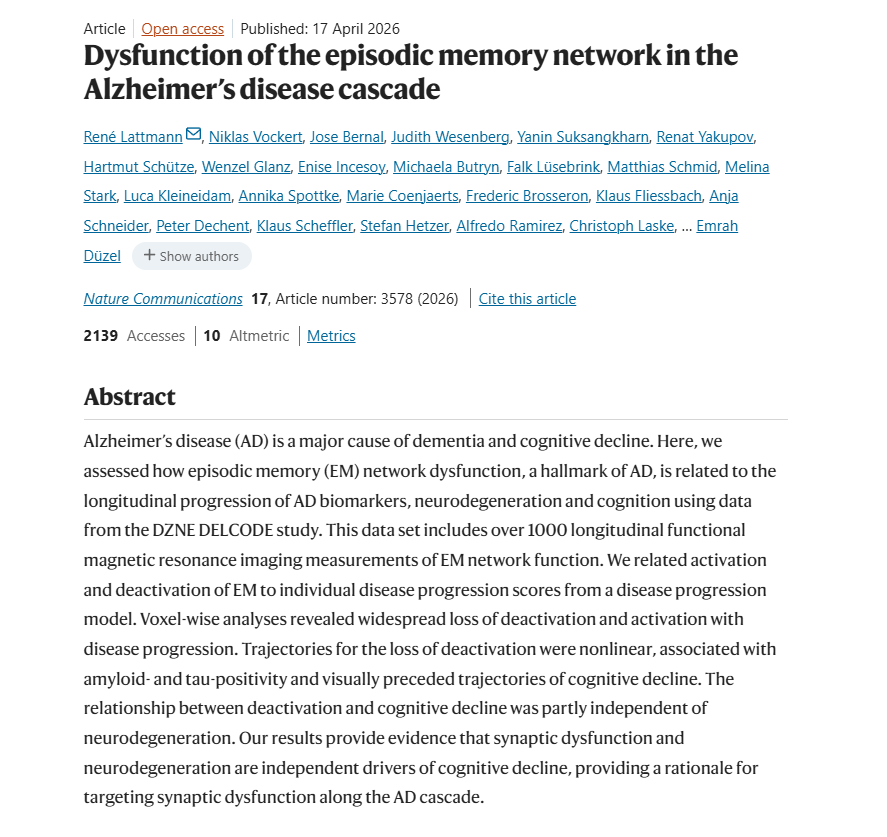
Alzheimer’s disease does not begin with memory loss.
It begins when your episodic memory network loses its ability to deactivate under load, driven by amyloid and tau disrupting synaptic signaling, which means your cognitive precision starts degrading years before you notice it. @NatureComms
Top medical journal posts a AI generated image as feature photo, it’s been three days and seems no one in @NEJM feel like to retract it. This showcases how much our academic and publication system paralyzed by AI.
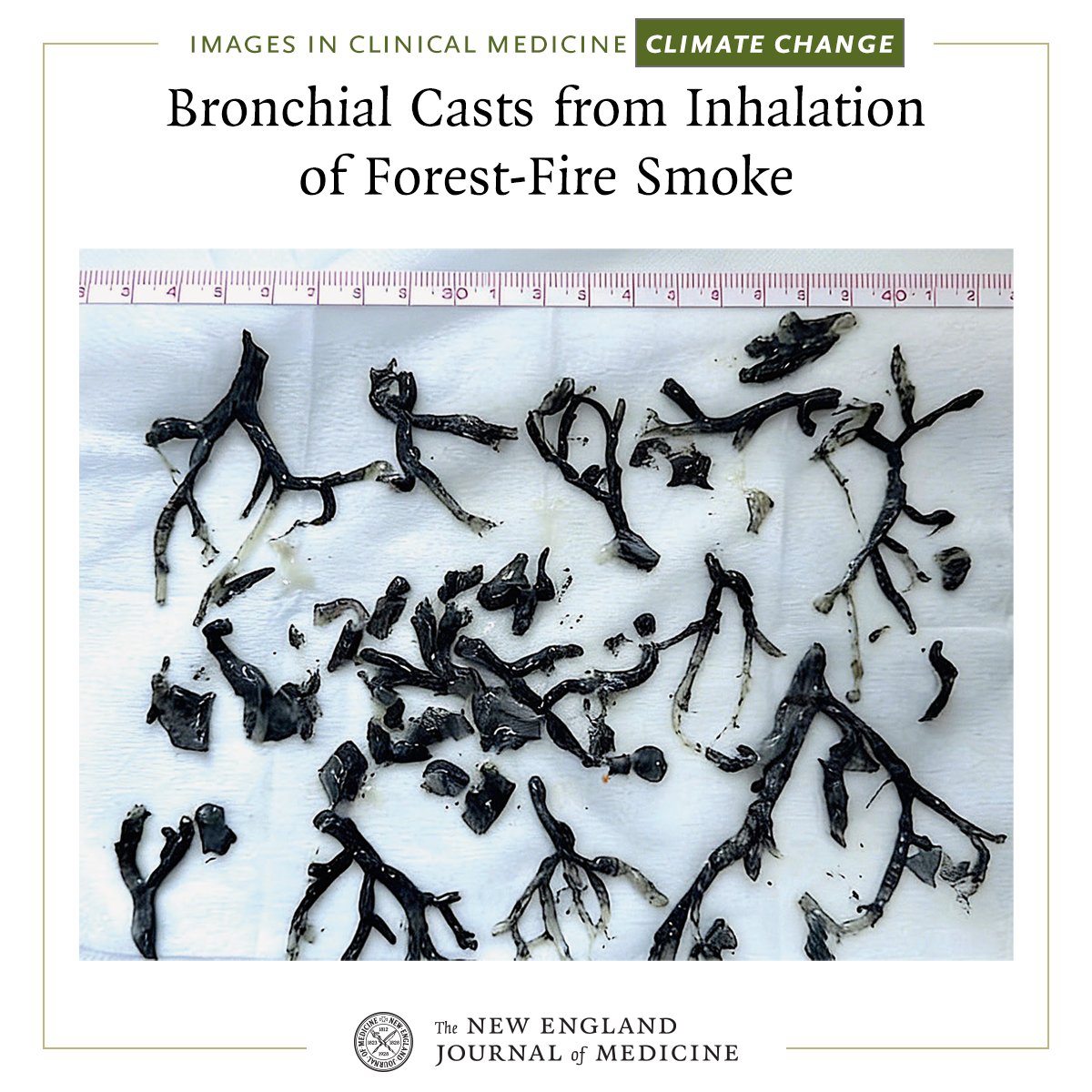
An 87-year-old man presented with difficulty breathing after having inhaled thick smoke from a forest fire for several hours. Respiratory failure developed. On flexible bronchoscopy, black casts were seen in the airway. Read the full case details: https://t.co/voUCyxw7JM
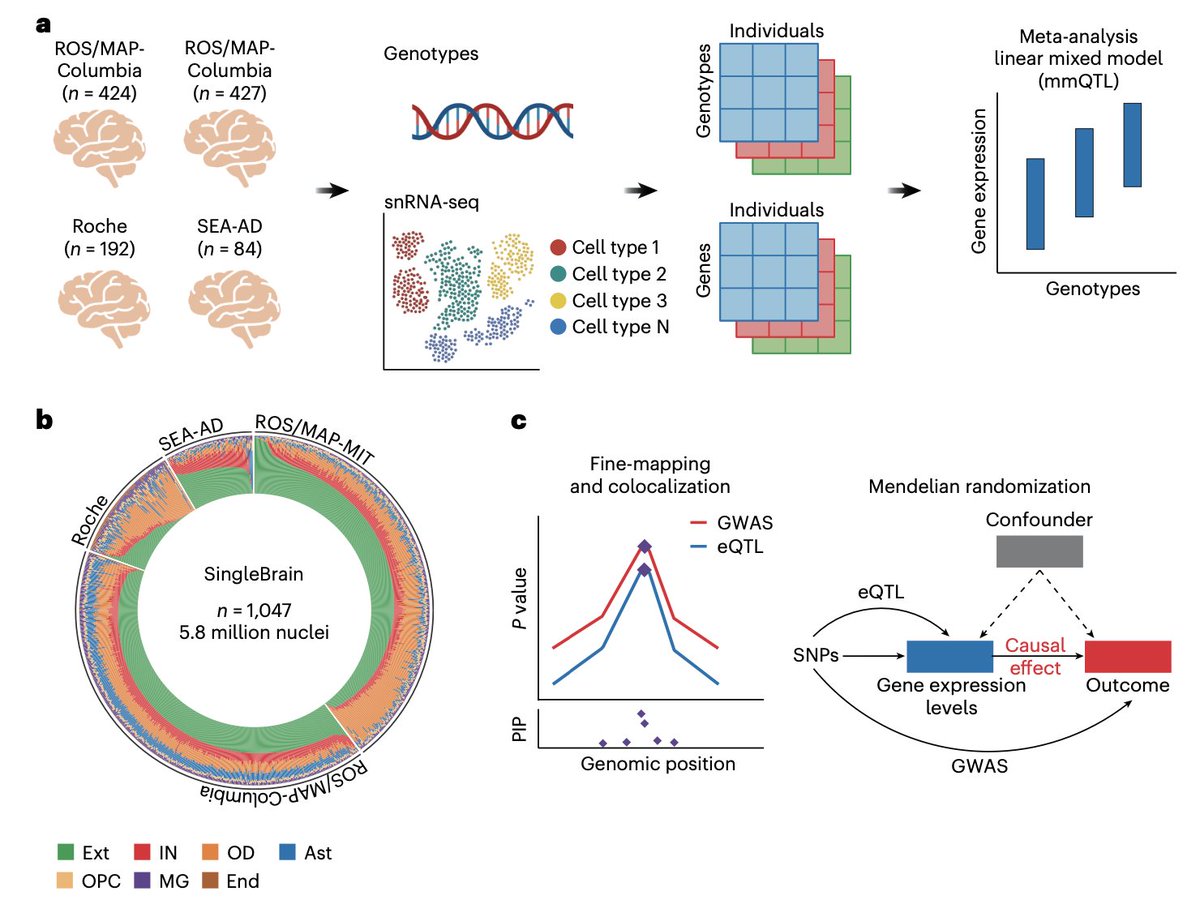
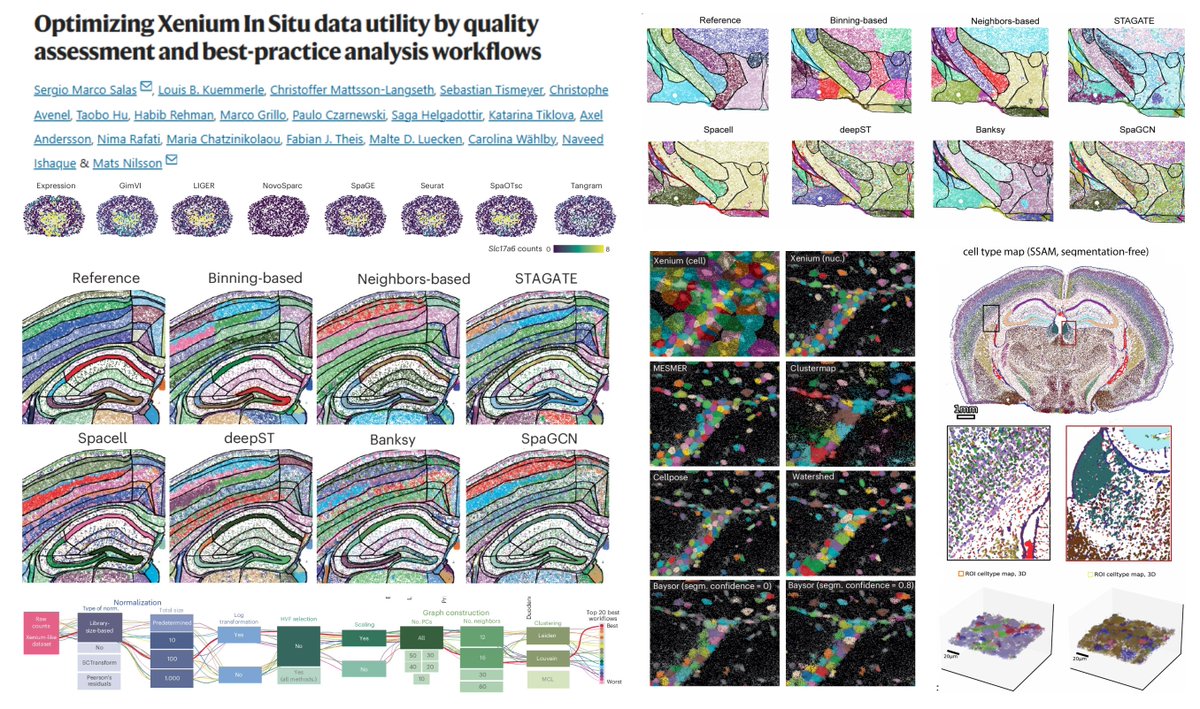
To understand most genetic signals for human disease that are located in non-coding regions, we will need to explore their effects on gene expression at the single-cell level.
Two new valuable resources apply this in brain tissue and neurological disease👇
Aging isn't just a dimmer switch; it’s a logistics failure. In @NatureAging, Doug Henze, Tony Wyss-Coray, and I show how mRNA "gets stuck" in aging microglia, causing degradation of their spatial context: https://t.co/HFv4MNDiBA
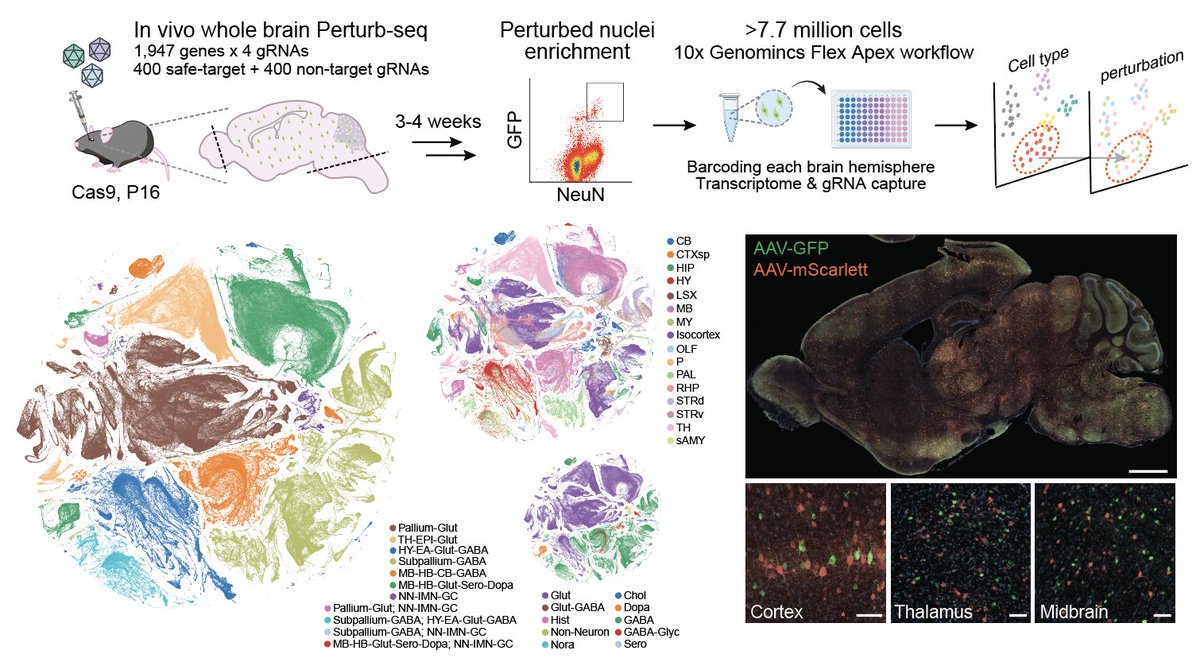
📢 Preprint: we present a whole-mouse-brain in vivo Perturb-seq atlas, 7.7 million cells, 1947 disease-associated perturbations, moving toward direct readout of how human genetics rewires cell states & circuits in vivo. Grateful for the Team! @NVIDIAHealth https://t.co/01c1KFuLFw
PET tracers specific for activated and homeostatic microglia are in the works. One targets TREM2, the other P2Y12R. #alzheimersdisease@LMU_Muenchen https://t.co/bQnKplcDyE
@mvankerkhove@HHS_Jim@WHO As an epidemiologist, when you read in the email, “the cases have been isolated for treatment” and your conclusion is “they just here asking foe information”?
Where you got your training?
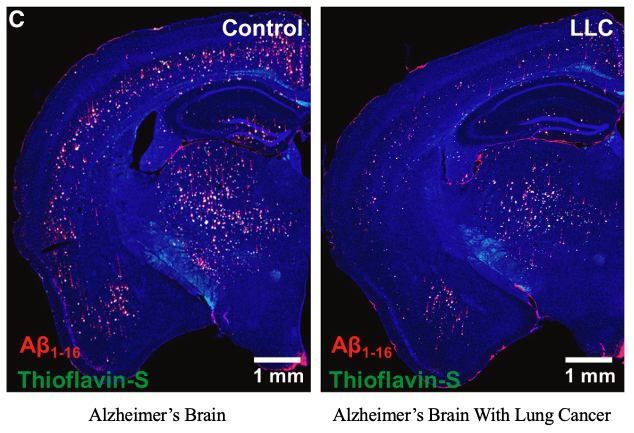
Cancer patients rarely get Alzheimer's.
And a 15-year study in @Cell just explained why. They found a protein that clears brain plaques in mice - by activating the brain's own IMMUNE CELLS 🧵
A large study claims that in addition to ApoE4, ApoE3 is an Alzheimer’s risk allele, too. Without both of them, AD would be rare. https://t.co/iopUsuV8AK