🚨 5 ESTRATEGIAS PARA REDUCIR LA HIPERTENSIÓN ARTERIAL SIN PASTILLAS -Día Mundial de la Hipertensión Arterial-
🥗 Dieta saludable: -11 mmHg
💪 Ejercicios de fuerza: -10/11 mmHg
🧘♂️ Reducir estrés: -6/7 mmHg
🏃♂️ Ejercicio cardiovascular: -5/6 mmHg
⚖️ Perder 1kg de peso corporal: -5 mmHg
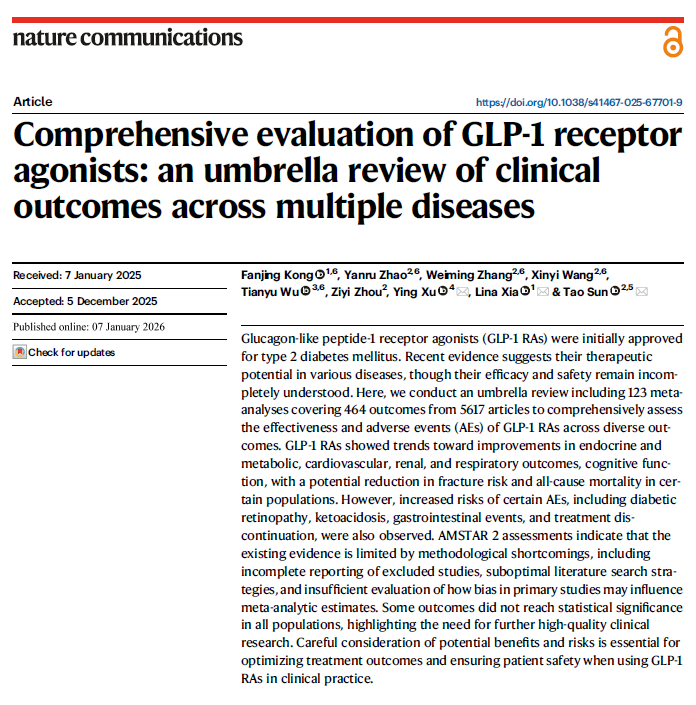
Across recent evidence, GLP-1 receptor agonists look like multi-organ metabolic therapies—not just glucose drugs—with real benefits and real safety and durability trade-offs. 🧵 1/7
The most dangerous misconception in longevity medicine is believing sarcopenia is simply “loss of muscle.”
As highlighted in “Treating age-related loss of muscle mass and function: Where should we be focusing?”, it is a progressive breakdown across neural signalling, mitochondrial function, stem cell activity, extracellular matrix integrity, and inflammatory regulation.
Muscle weakness is often the final visible symptom of a system that has been deteriorating for years.
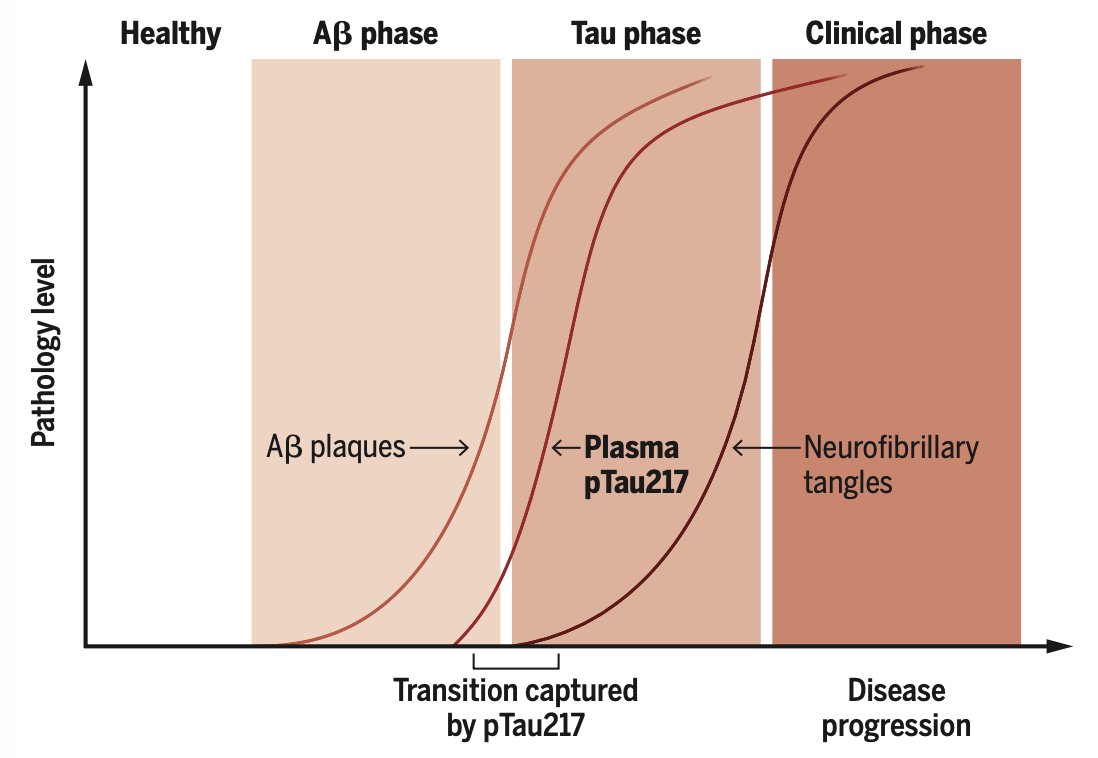
Good summary of p-tau217, the breakthrough blood test to predict risk of Alzheimer's in people well before onset of symptoms @ScienceMagazine
https://t.co/qVJtYR4bnz
33% de los pacientes con depresión no responde a antidepresivos… y una pieza clave podría estar fuera del cerebro: la resistencia a la insulina.
Hoy entendemos mejor el puente metabólico-psiquiátrico:
• Inflamación crónica (↑ TNF-α, IL-6)
• Disfunción dopaminérgica → anhedonia
• ↓ neuroplasticidad y BDNF
Los agonistas GLP-1 emergen como una vía prometedora:
• ↓ neuroinflamación
• ↑ neurogénesis y plasticidad
• Modulan el sistema de recompensa
No es magia ni reemplazo de tratamientos actuales, pero sí un cambio de paradigma: tratar la depresión también desde lo metabólico.
Psiquiatría de precisión = entender al paciente completo, no solo sus síntomas.
📚
New paper: Usefulness of Laboratory-Based Machine Learning for Detection and Severity Classification of Acute Appendicitis in a Resource-Limited Healthcare Setting https://t.co/ZHOb9LAuDg #mdpidiagnostics a través de @diagnostic_mdpi
Vagus nerve stimulation (VNS) boosts acetylated α-tubulin by 52% in AD mouse models.
Chronic VNS via cervical implants activates gut-brain parasympathetic pathways.
Acetylated α-tubulin, a marker of stable microtubules, was upregulated.
Quantification via immunofluorescence and Western blot (n=15-20, p<0.001).
Enhanced microtubule stability and axonal transport were observed.
Neurodegeneration markers, including tau hyperphosphorylation, were reduced.
VNS modulates HDAC6 via cholinergic signaling.
This promotes tubulin acetylation, countering microtubule depolymerization.
Vagal-gut influences impact central cytoskeletal dynamics.
https://t.co/VjKrCXRl3Z
https://t.co/NqrxHZqRc5
Exciting news in rheumatology! A recent study shows that non-invasive vagus nerve stimulation (nVNS) can significantly lower inflammatory markers in rheumatoid arthritis patients.
Recent research validates non-invasive vagus nerve stimulation (nVNS) as a potent bioelectronic tool for suppressing systemic inflammation. A double-blind, sham-controlled trial (n=52) targeted the auricular branch via transcutaneous stimulation of the tragus.
The protocol utilized two 5-minute sessions daily. Over 12 weeks, patients with rheumatoid arthritis showed a 42% reduction in TNF-α and a 37% decrease in IL-6. Clinical DAS28 scores improved by 1.8 points, significantly outperforming sham controls.
Mechanistically, nVNS activates the cholinergic anti-inflammatory pathway (CAP). Afferent signals to the nucleus tractus solitarius (NTS) trigger efferent fibers to release acetylcholine, which acts on splenic α7nAChR+ macrophages to suppress the NF-κB/NLRP3 inflammasome.
By increasing heart rate variability (HRV) by 25%, the biological equivalent of your body finally exhaling after a decade of holding its breath. This "neural dimmer switch" provides a precise, drug-free methodology for regulating neuroimmune firestorms.
Super exciting times for VNS !!!
https://t.co/pK8hu6OxlN
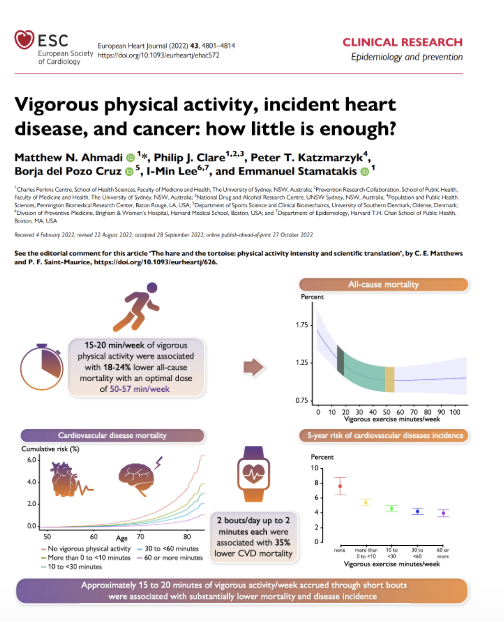
Just 15 to 20 minutes of intense exercise a week may lower your risk of early death
New research from the European Heart Journal suggests you do not need hours of hard training to see major health benefits.
1. Just 15 to 20 min/week of vigorous activity was linked to a 16% to 40% lower mortality risk
2. These benefits were seen even when the activity was done in short bouts of 2 minutes or less
3. The study followed 71,893 adults from the UK Biobank
4. Around 50 to 57 min/week was linked to the lowest risk overall
5. Even 10 to under 30 min/week was associated with much lower rates of:
- all-cause mortality
- cardiovascular disease
- cancer incidence
6. For cardiovascular mortality, the relationship was especially strong, and more vigorous activity was linked with progressively lower risk
The takeaway: small doses done consistently still matter
You do not need perfect. You need a few hard minutes, done regularly, to move the needle.
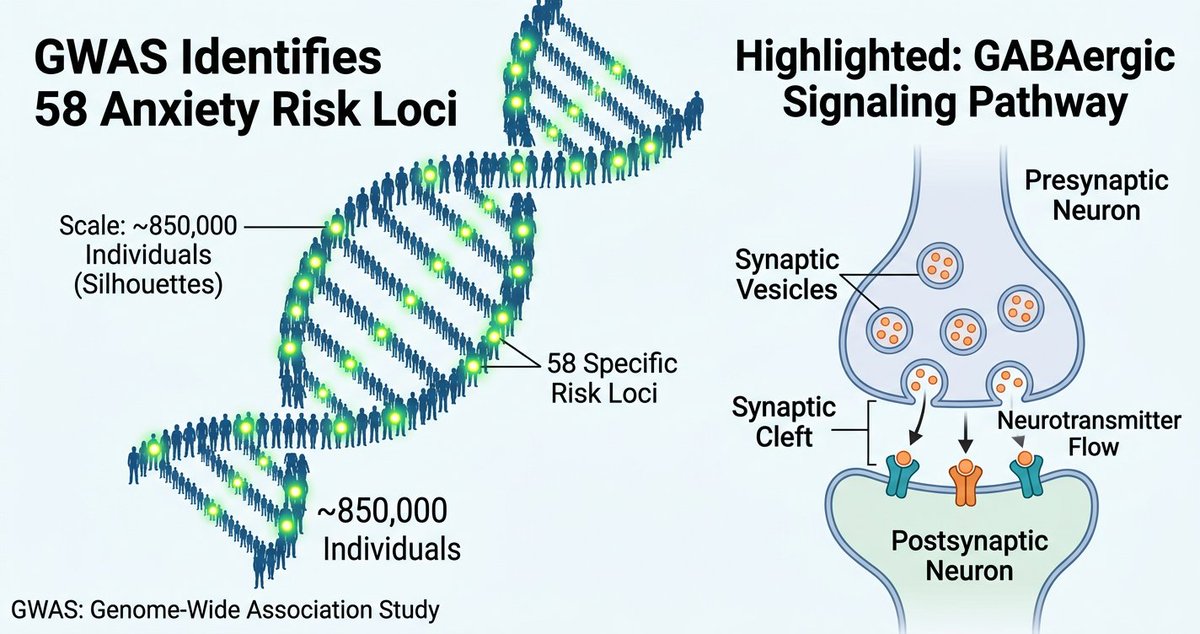
🚨 The largest anxiety GWAS to date JUST dropped
Over 850,000 genomes
It found 58 risk loci and strongly points to GABAergic signaling as a core driver...
...the same neurons targeted by benzodiazepines.
We finally have a robust genetic map for anxiety 🧵
¡¡Our last paper!! Current Insights into Clinical, Molecular, and Therapeutic Approaches to Acute Respiratory Distress Syndrome https://t.co/ccJcEijZgi #mdpimedsci a través de @medsci_MDPI
¡New paper! A Scoping Review of Magnetic Iron Oxide Toxicity Across Animal Models: Mechanistic Insights, Particle Size Effects, and Implications for Air Pollution Biomonitoring https://t.co/aHcHmaGSeA #mdpiatmosphere a través de @Atmosphere_MDPI
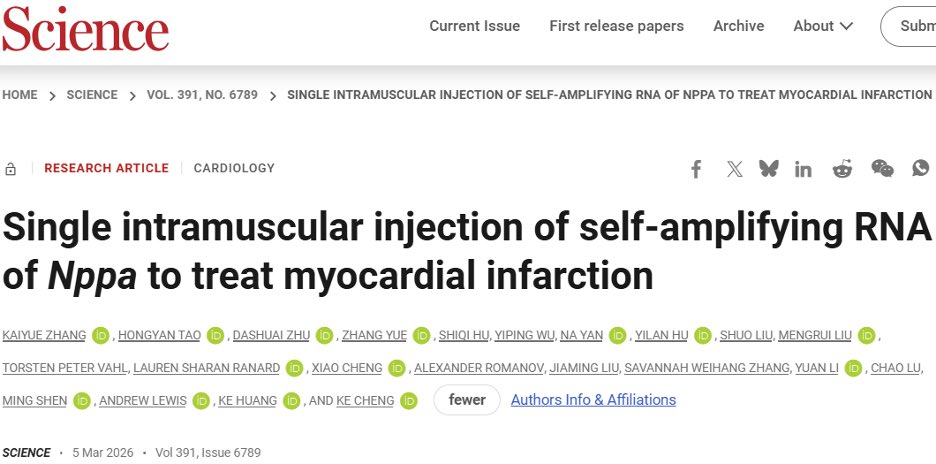
Congratulations to Kaiyue Zhang on the publication @ScienceMagazine. In the paper, we built an “RNA factory” on muscle for heart repair. https://t.co/DRDhOLKbLl
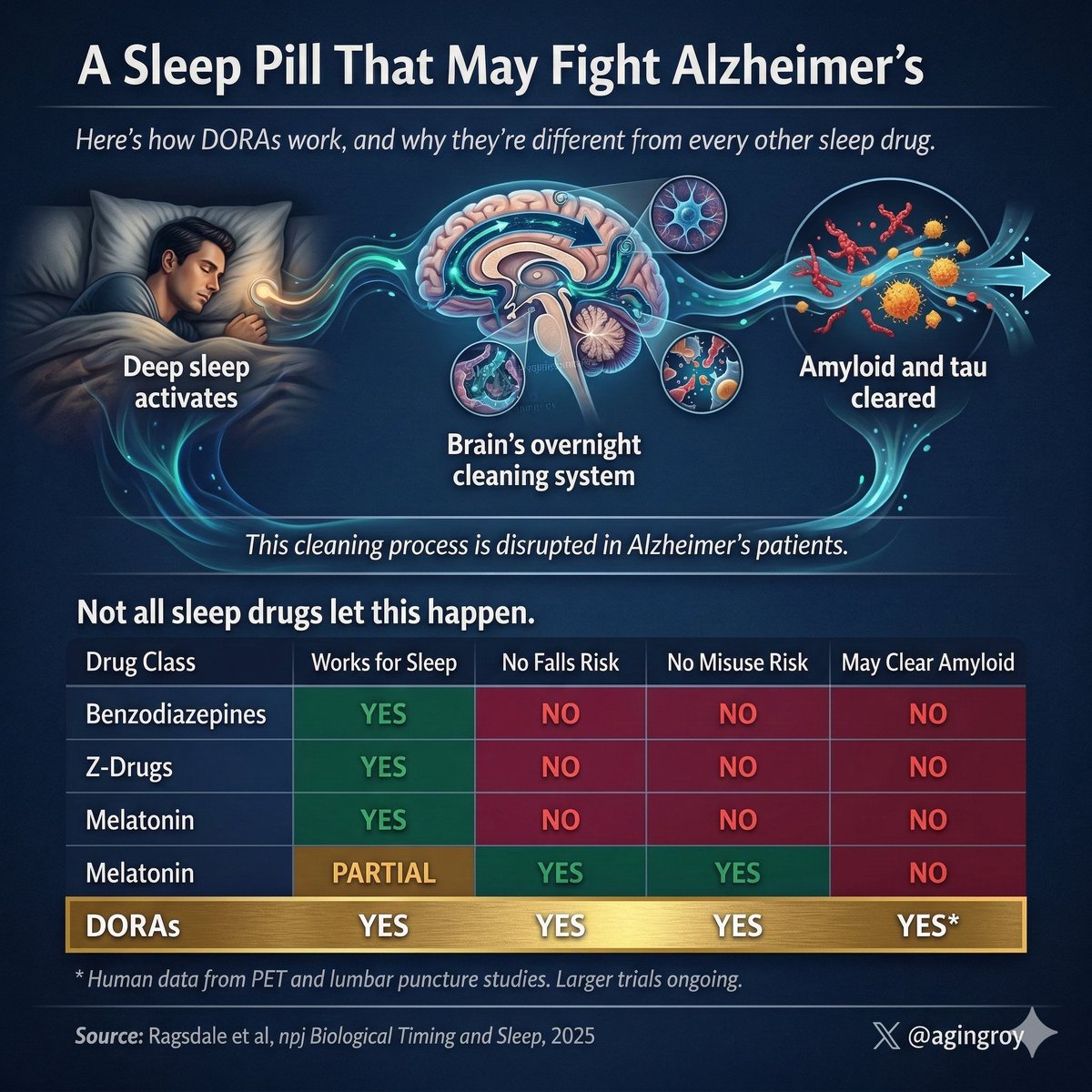
Your sleeping pill might be fighting Alzheimer's. A 2025 review in a @Nature journal finds that DORAs, a newer class of sleep drugs, may clear amyloid and tau from the brain overnight via the glymphatic system.
Suvorexant already has human data: PET imaging and lumbar punctures show it acutely lowers both toxic proteins.
This isn't a cure. But it's a real mechanism, in real patients, with drugs already on pharmacy shelves.
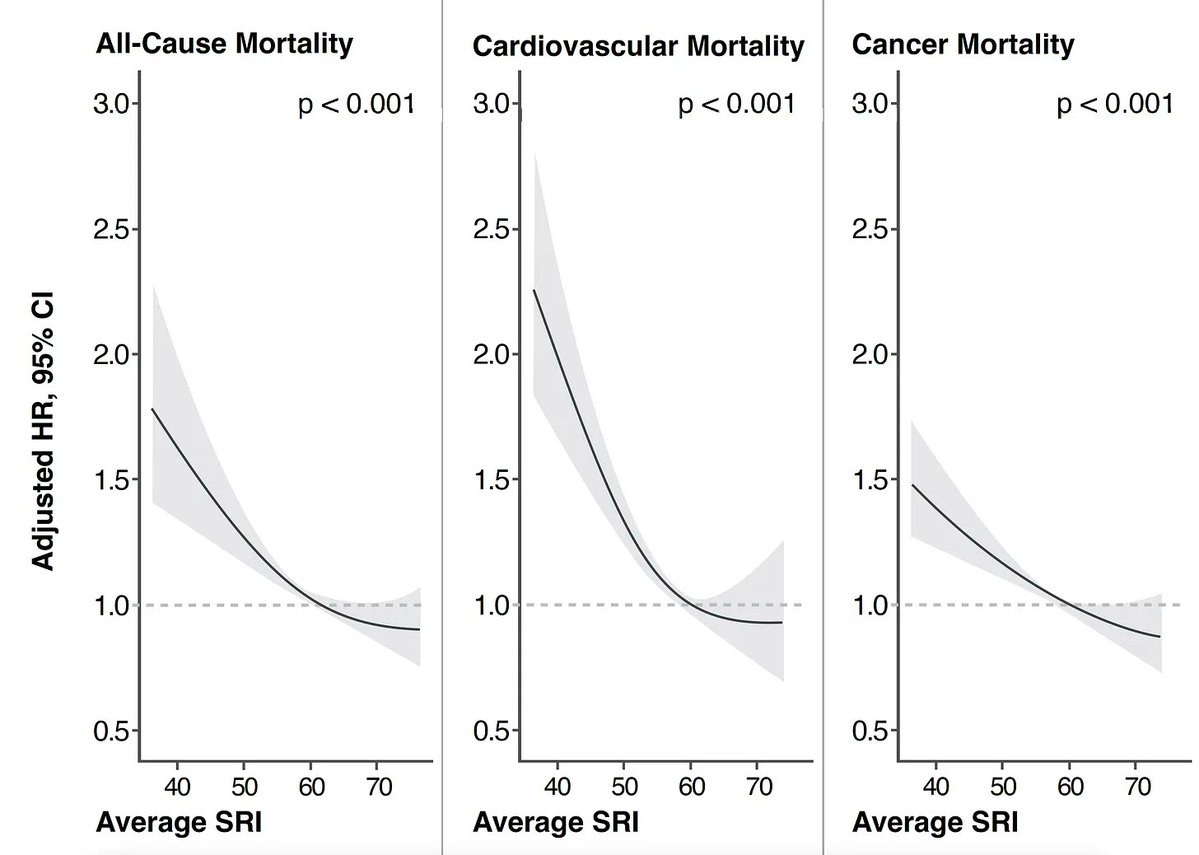
Interested in the latest sleep science and getting better quality sleep? New Ground Truths with Prof Yo-El Ju, @WashUNeurology
https://t.co/2lV3Fw6cwg SRI-sleep regularity index
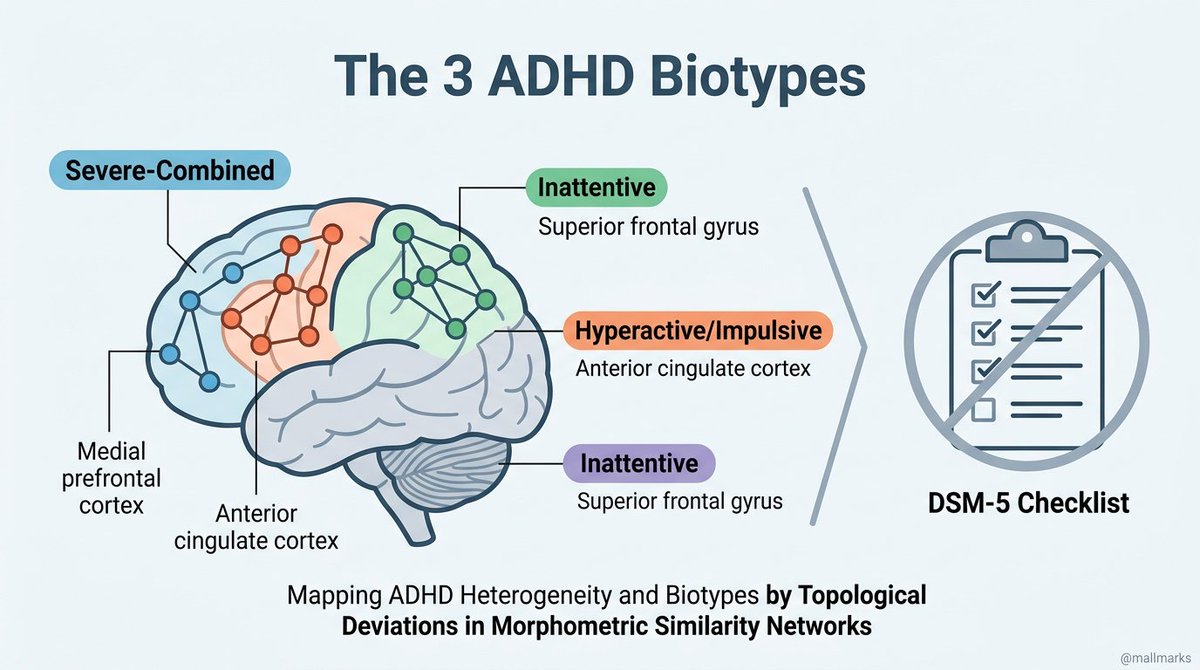
🚨 ADHD isn't one thing - it's THREE
A massive neuroimaging study just identified 3 neurological "biotypes" of ADHD.
DSM-5 behavioral categories fit into brain-based subtypes - just in time for the new DSM.
Could this explain the huge heterogeneity seen across patients? 🧵
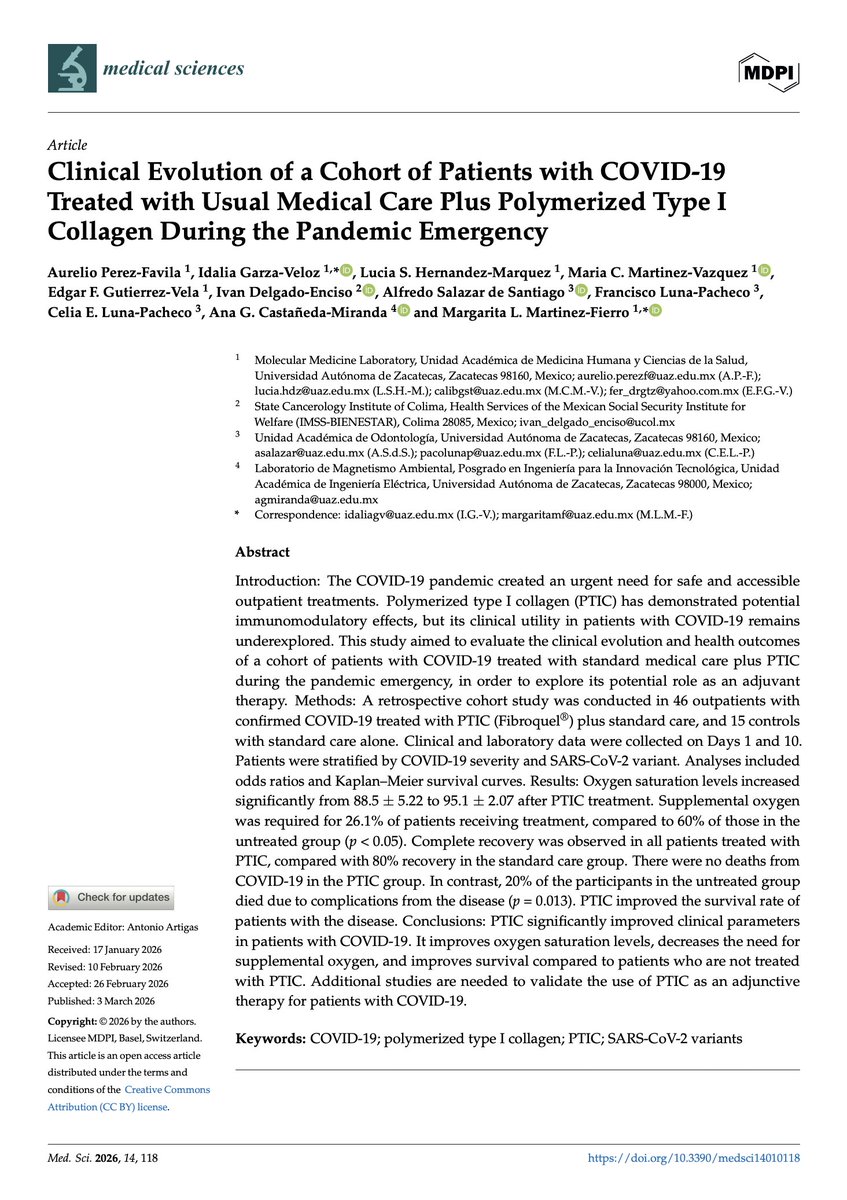
¡Our last paper! Clinical Evolution of a Cohort of Patients with COVID-19 Treated with Usual Medical Care Plus Polymerized Type I Collagen During the Pandemic Emergency https://t.co/37JAjQYDts #mdpimedsci a través de @medsci_MDPI
Hallmarks of Sublethal Endothelial Injury Are Differentially Induced by Cuminum cyminum Extracts with Distinct Phytochemical Profiles https://t.co/9Cuz2e1bBU #mdpicimb vía @CIMB_MDPI