https://t.co/n4oF5Rj62H
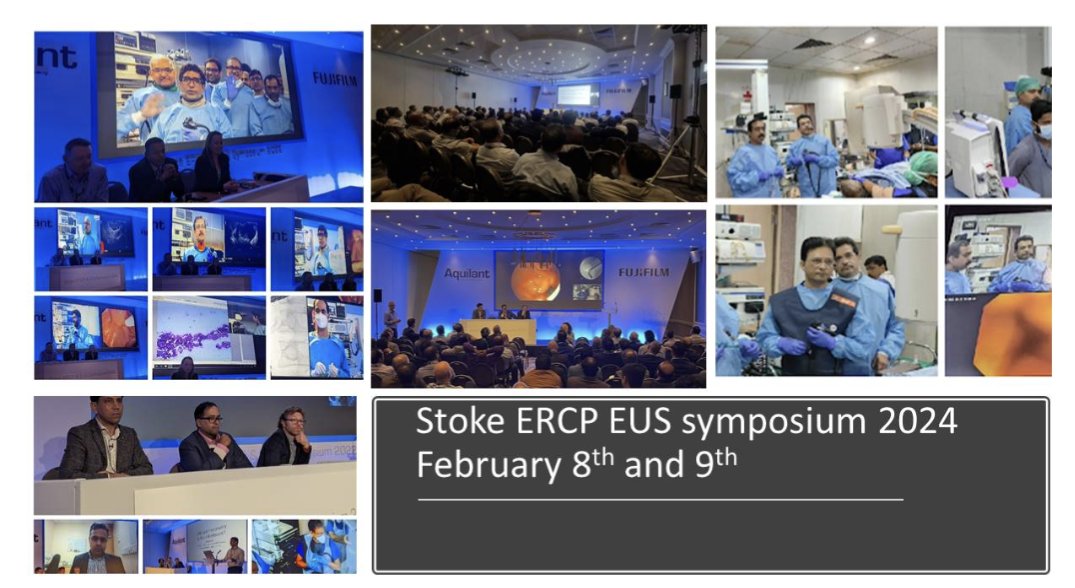
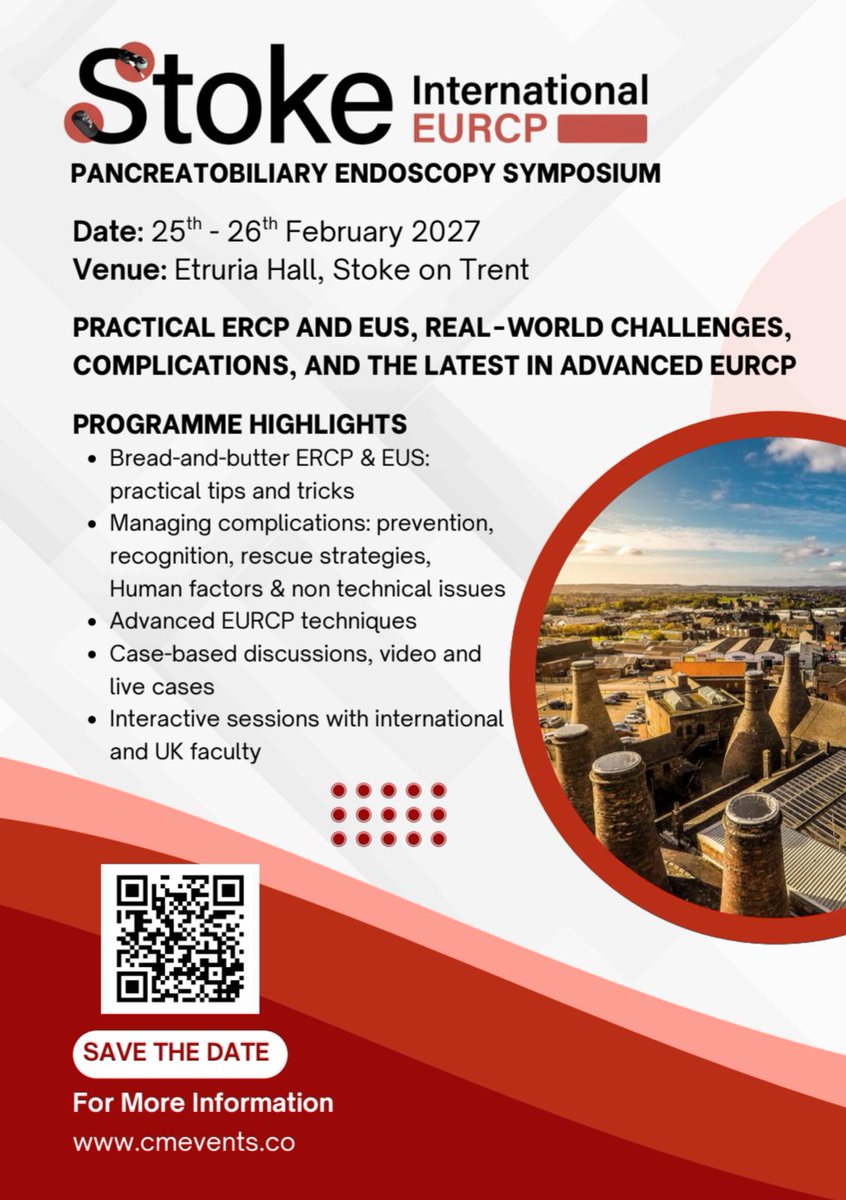
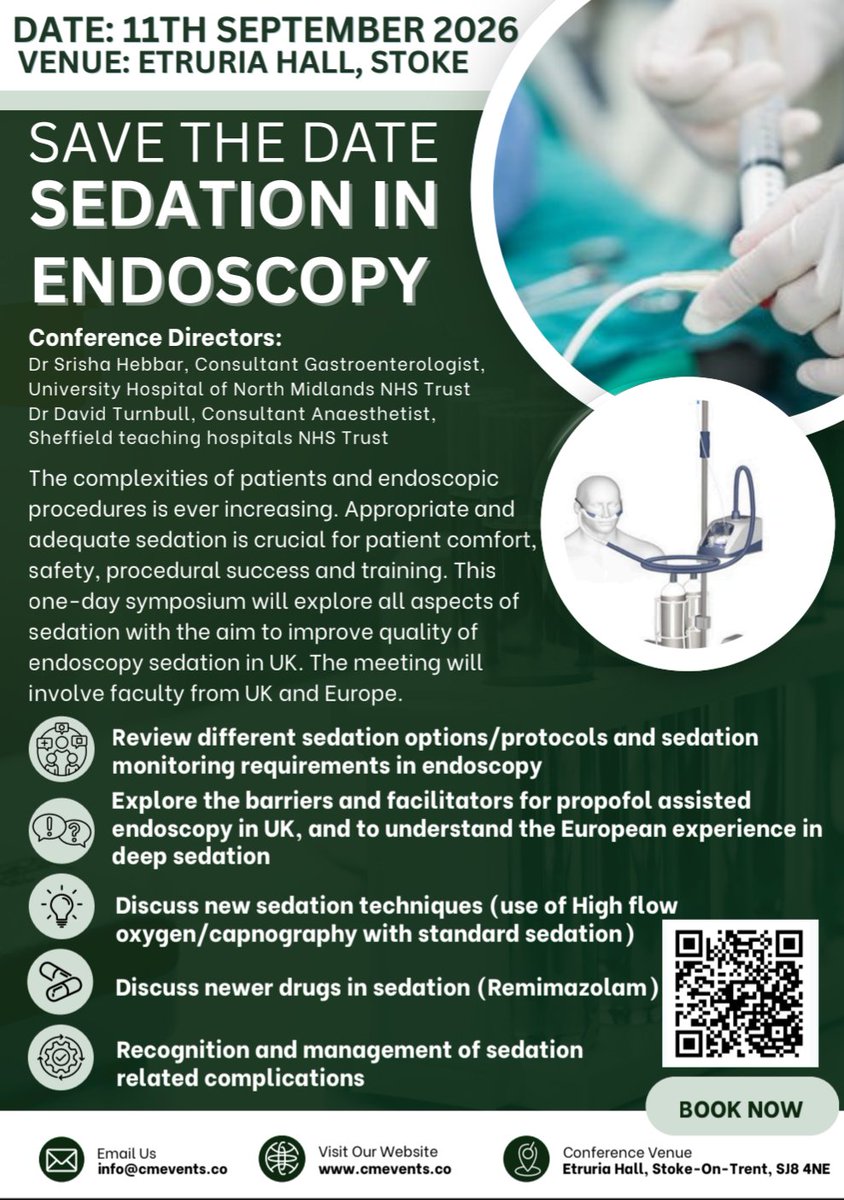
Sharing the details of the Stoke EURCP symposium. A great opportunity to discuss, share knowledge and learn from each other. Look forward for the interaction.
@DrAshokGastro @Clipper124 @DouglasAdlerMD Totally agree. Our fistulotomy rate is 20-30%. We do early NKF and also use primary NKF in certain ampullary morphology. Quicker procedures/low complications. NKF is not a last resort, but a technique to be adopted early for an effective cannulation
Proud to share this work. Complications are inevitable in endoscopy, but how we respond to them, support our teams, and learn from them is a choice. I hope this is a useful read.@BritSocGastro@ESGE_news@PhilSmithIsBack
Highlight of the Stoke Complications in Endoscopy Symposium.
Not a technique. Not a guideline.
A palliative consultant Michael Blabber, reminding us to find humanity in pain. #GItwitter
Timing isn’t just clinical. t’s human.”
Timing should be part of complex procedures consent.
👉 Ask: “Is there anything important coming up we should plan around?”
If complications lead to hospitalisation, the impact isn’t just physical. it’s psychological too.
#GItwitter
In the UK, the nasobiliary drain (NBD) is less commonly used,but it can be a very effective tool.
Sharing a video demonstrating setup for jejunal loop distension in EUS-GJ using a nasobiliary drain + foot pump.
Simple setup. Controlled distension. #GItwitter
We recently performed an EUS CDD in a small duct using the push-pull technique with wire traction. This reinforces the value of teamwork & debriefing. Sharing a video debrief with my colleague Roderick discussing the steps, challenges, and key learning points. #GITwitter
At #SCIES2026, @drmwjames shared a message that every endoscopist should hear. Complications are not just statistics. Over a career, they become personal.
The goal is not perfection. It is safer decisions, better systems, and continuous learning. #GItwitter
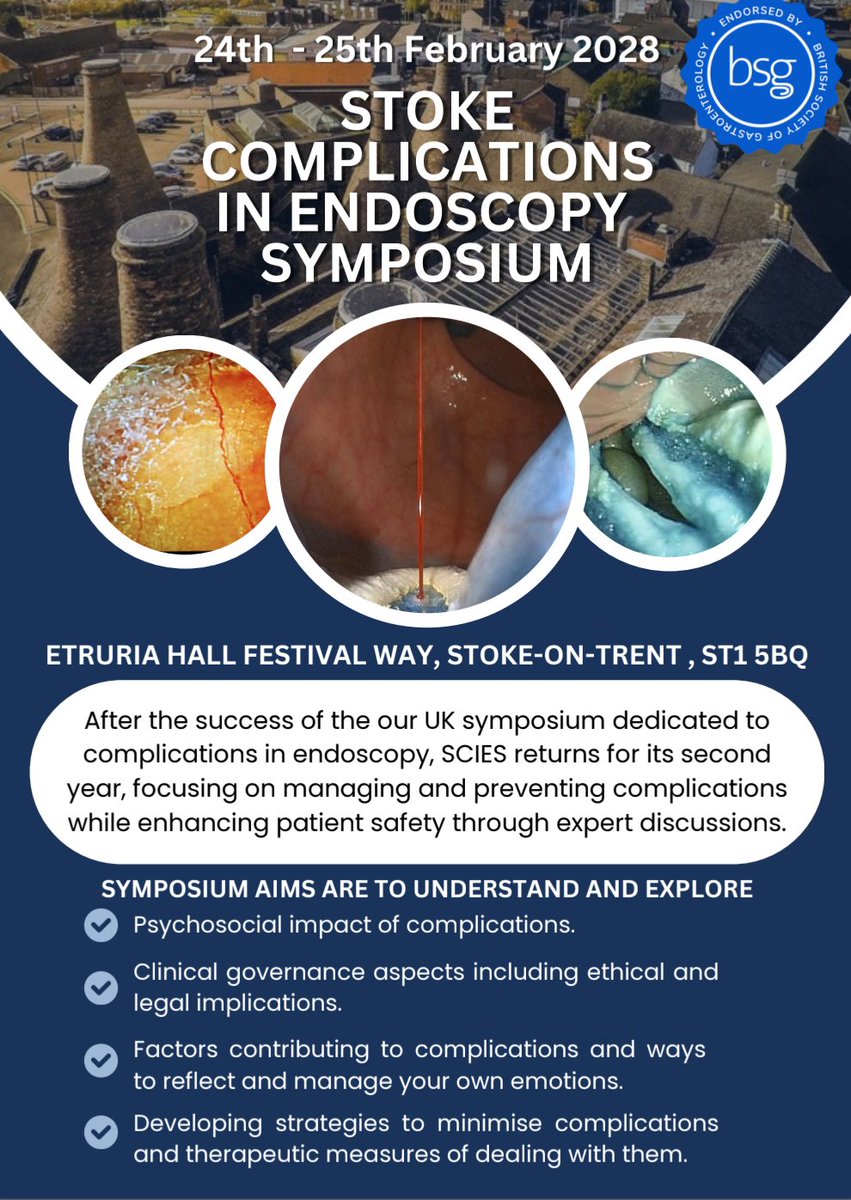
We are excited to announce our upcoming Endoscopy Symposiums at Stoke - a series of events focused on education, collaboration, and excellence in endoscopy.
More information will be shared soon. Please save the dates and join us at Stoke.@UHNMEndoscopy@endoscopy_META#GItwitter
We did this live EUS GB drainage in 2023 Endoport, for malignant obstruction with good patient outcomes. Now, it is good to see this study.
Management of ERCP Failure in Malignant Biliary Obstruction: Comparative Effectiveness and Safety of EUS GB Vs CDS. Dig Endosc. 2026
Live case to #endoport2023 .
Panc ca, Duod stent insitu. ⬆️ Bil.
Attempted HGS. Due to large hiatus hernia, positioning was difficult. Track dilatation/stenting couldnt be done.
Cholecystogastrostomy done. Plan -If bili doesnt ⬇️, OGD scope thro 🔥 axios, wire,DPT stent CBD
@drkeithsiau at Stoke complications symposium.
Our job is not to hold information back.
It is to make it understandable.
When patients get the right information, they make better decisions & become true partners in care.This is how trust is built. #SCIES2026#GItwitter
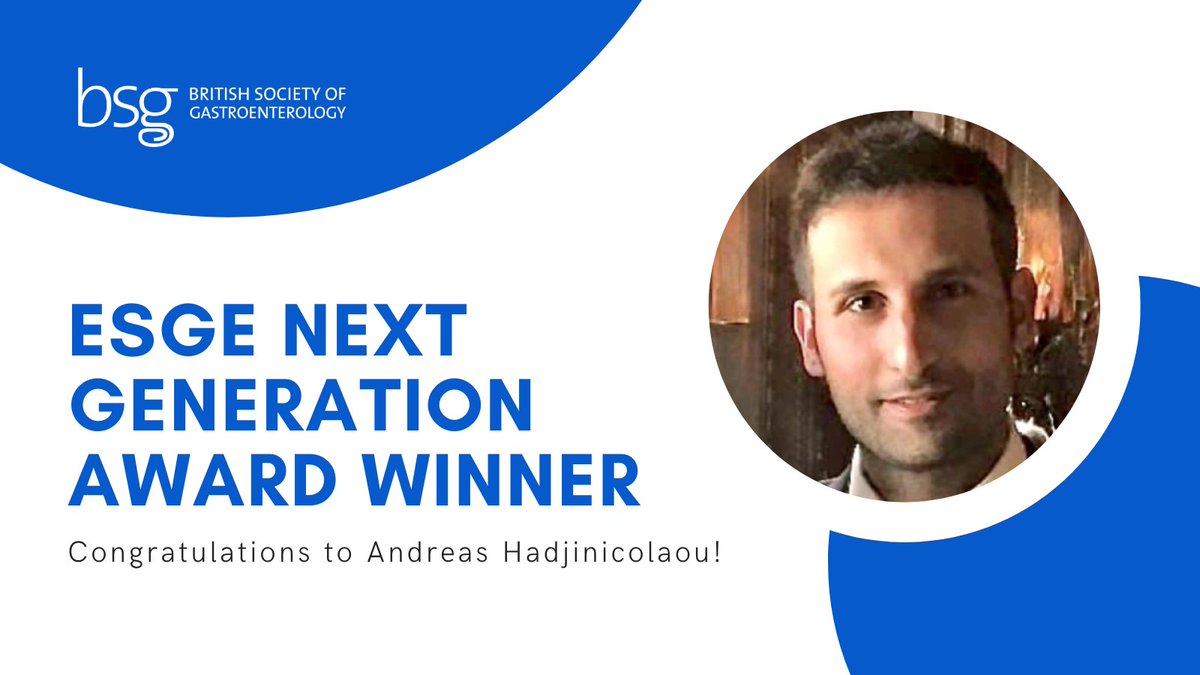
We're delighted to congratulate BSG member Andreas Hadjinicolaou who is one of the winners of the ESGE Next Generation Award 2026 👏
Andreas is at the forefront of pioneering GI endoscopic research and will present his work at #ESGEDays2026 on 15 May in Milan
@avhadjinicolaou
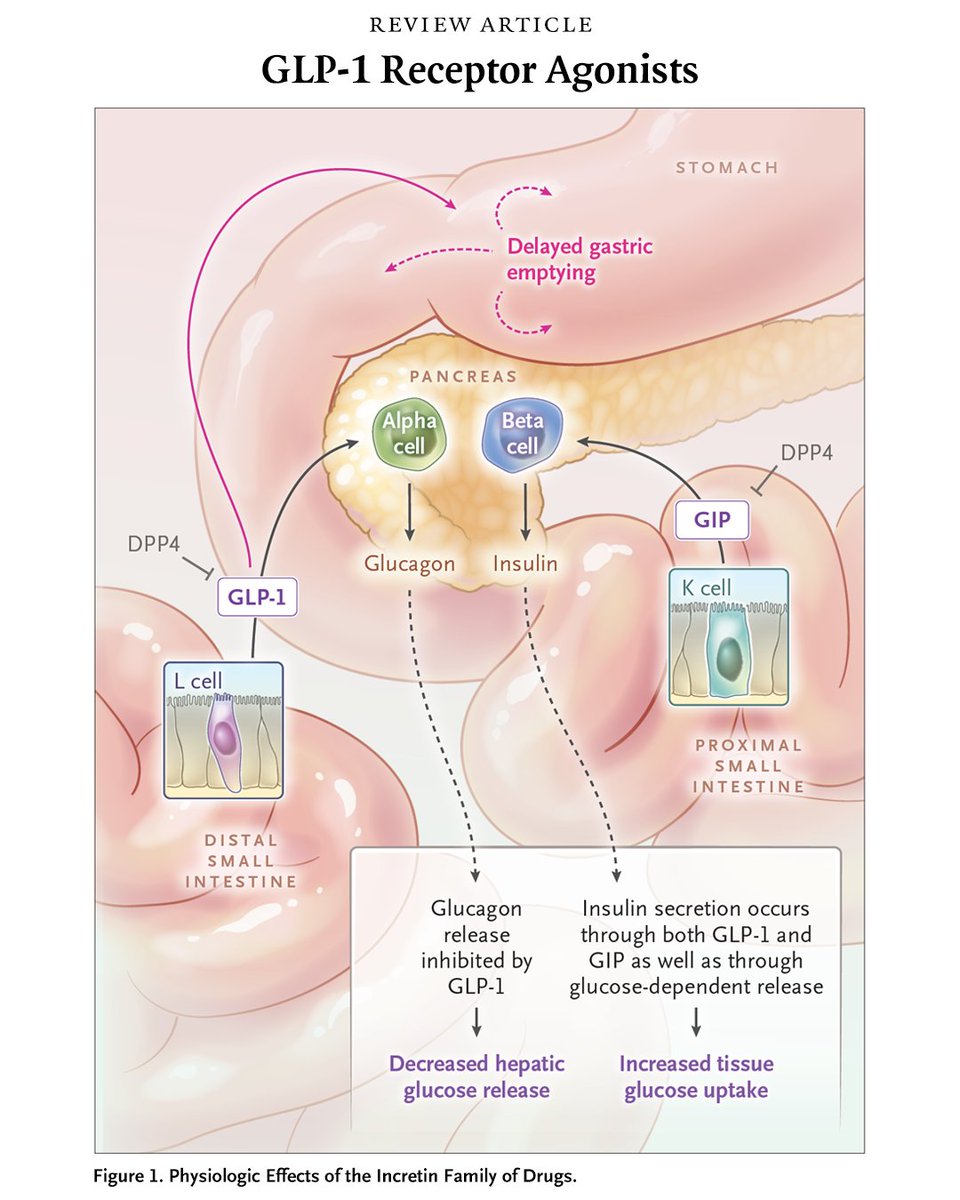
GLP-1 receptor agonists are increasingly used to treat type 2 diabetes and obesity, and trials have shown reductions in cardiovascular risk and slowing of kidney failure. Adverse events are mostly gastrointestinal.
Read the Review Article “GLP-1 Receptor Agonists” by Clifford J. Rosen, MD, and Julie R. Ingelfinger, MD, from @tuftsmedschool and the Maine Medical Center Institute for Research: https://t.co/D0XSLv7U8n