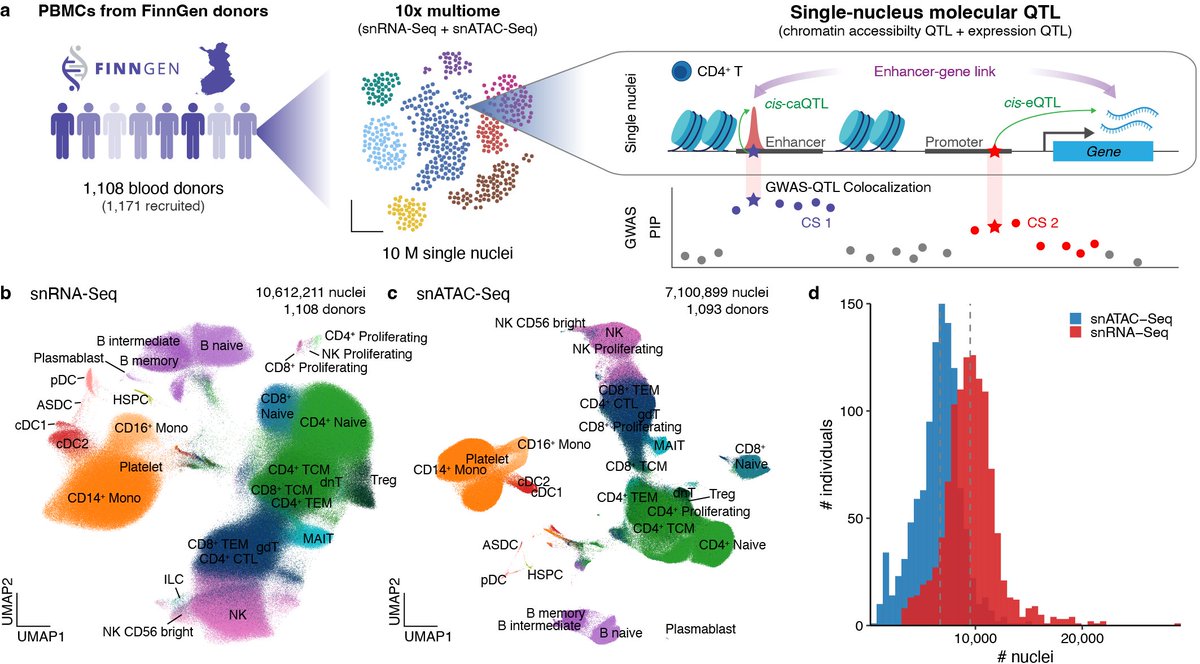
Our single-nucleus immune multiome atlas is now out in @Nature! 🧬
10M PBMCs from 1,108 @FinnGen_FI donors recruited by @FRCBSresearch, profiled at @broadinstitute KCO with chromatin accessibility and gene expression in the same nuclei, to trace how disease variants act 🧵👇
🚀 New preprint!
The Human Cytokine Dictionary - 9.7M cells, 12 donors, 90 cytokines - our largest human single-cell perturbation atlas yet. Users can map cytokine activity in their own data. Huge thanks to Lukas, Sören, Larsen, Parse Bio & Seelig lab!
🔗 https://t.co/tB0teJoGez
Two new chapters from my free online book in human genetics out this weekend!
These complete Part 3 of the book, on human population structure and history:
3.3: Inferring human prehistory from genetic data [this thread]
3.4: Ancient DNA [next thread]
https://t.co/GHMPCTv6BL
Thrilled to announce that I’m joining @PurdueStats and @PurdueBiolSci as a tenure-track assistant professor! Excited for the journey ahead and to contribute to such a vibrant academic community.
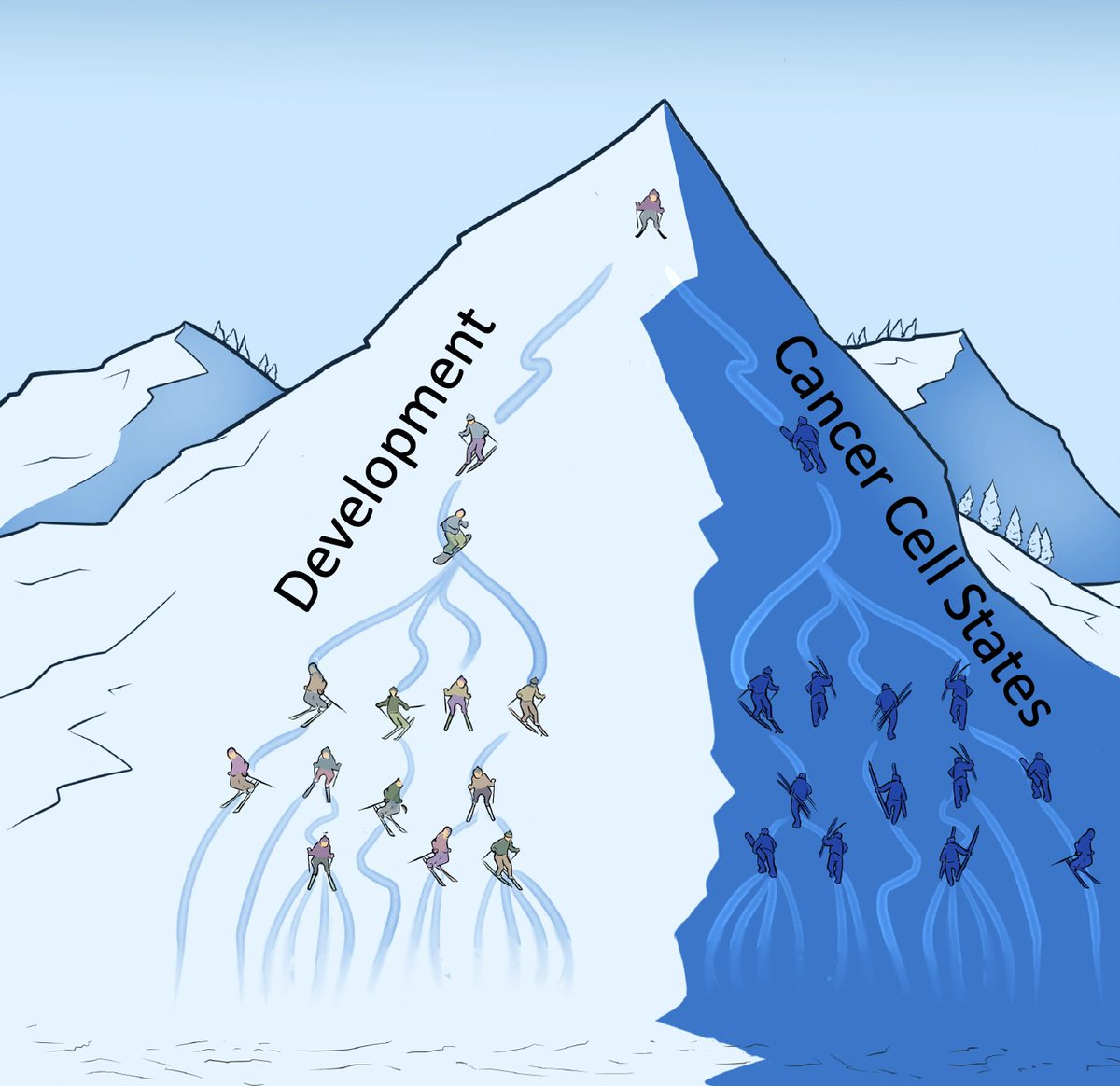
In today's Cell, we propose a “developmental constraint” model whereby cancer cell state plasticity is restricted by the organism’s developmental map to access progenitor-like states and differentiated-like states of adjacent lineages.🧵⬇️
https://t.co/1HM7fYQJO4 @AyushiPatel3994
Our new method, TDEseq has been published on @GenomeBiology. It primarily builds upon a linear additive mixed model framework to facilitate the detection of four potential temporal gene expression patterns, i.e., growth, recession, peak, or trough. https://t.co/Gjg4lJ7elI
Our new method, TDEseq has been published on @GenomeBiology. It primarily builds upon a linear additive mixed model framework to facilitate the detection of four potential temporal gene expression patterns, i.e., growth, recession, peak, or trough. https://t.co/Gjg4lJ7elI
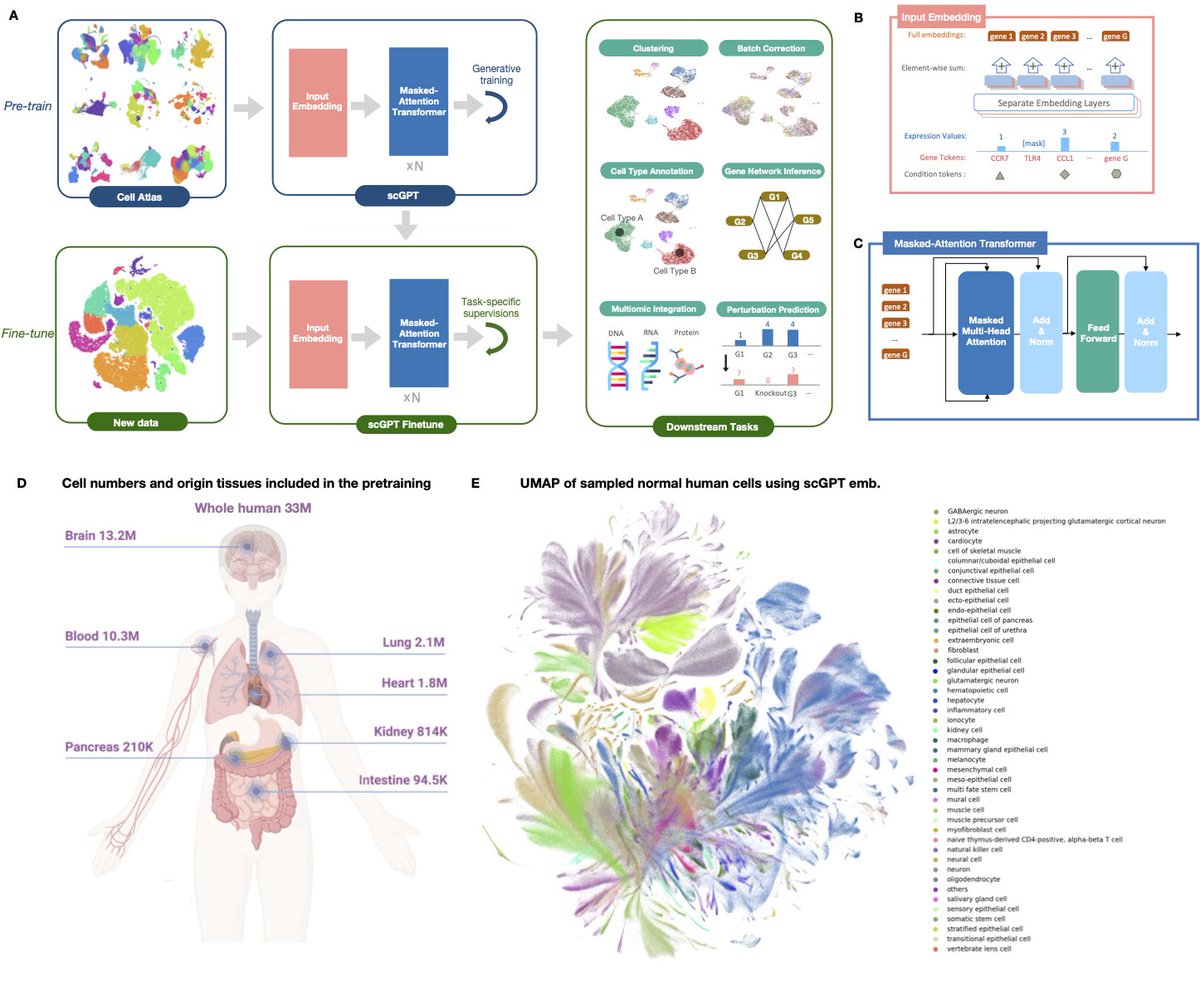
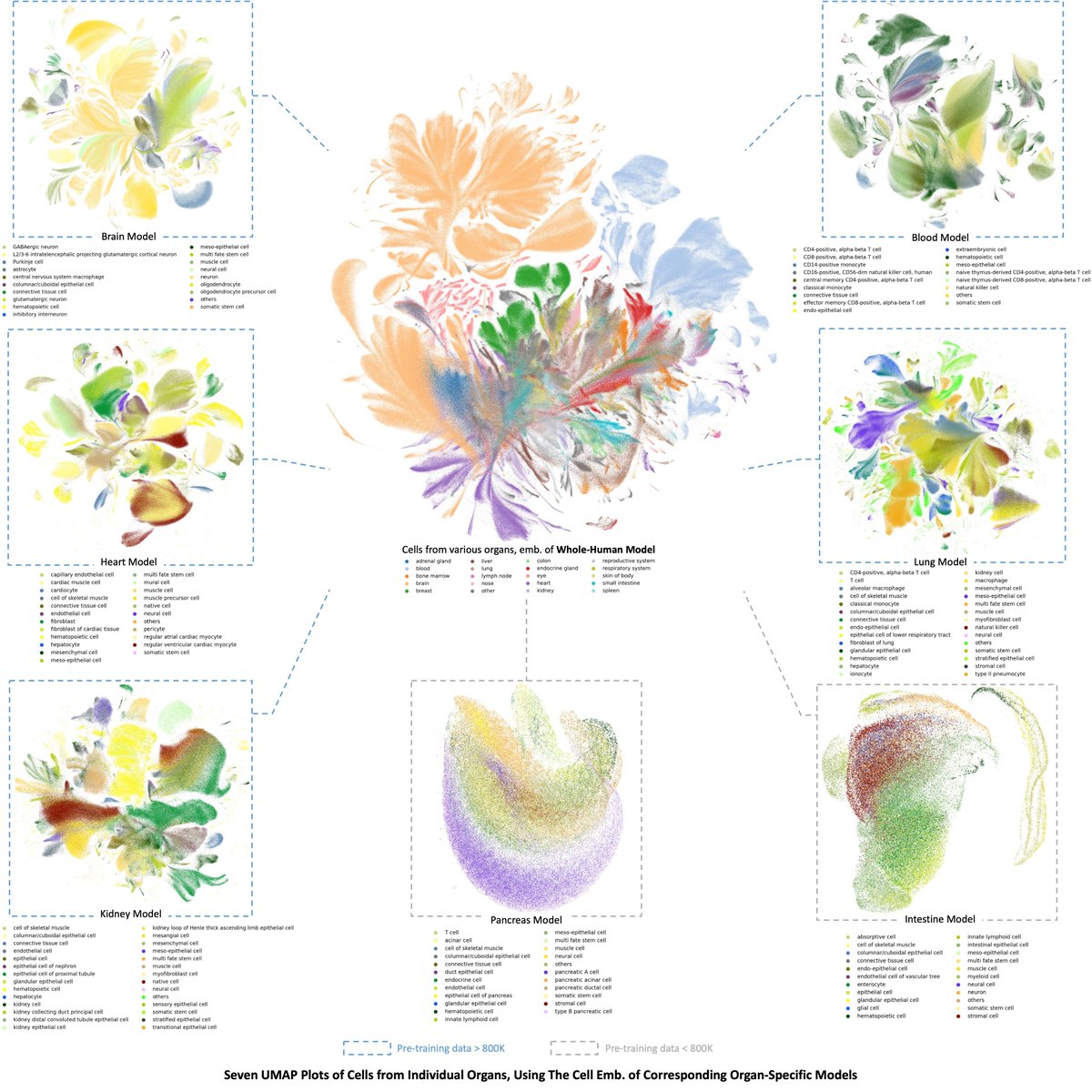
🎉Exciting Update of scGPT 🎉: After receiving significant attention from the community since our April release, we're thrilled to announce the first major update for scGPT - a foundation model for single-cell multi-omic data.
This update integrates community feedback and leverages the latest data release from @cellxgene. It boasts larger pretraining data, and more robust models, and expands the range of application tasks.
Pre-print (V2) available: https://t.co/4aB2c4ZgJy
Access our open-source code and models here: https://t.co/13n0bJvgT2
Detailed tutorials: https://t.co/enNqXqXkdY
Highlights of this update include:
🔬 Introducing the first GPT-style foundation model for single-cell multi-omic data, pretrained on over 33M human cell atlas data.
💡 Our generalist approach enables one model to accomplish multiple tasks in single-cell analysis, including multi-omic integrative analysis and perturbation prediction.
🧬 Discovering gene-gene interactions specific to various conditions using learned attention weights and gene embeddings.
🚀 Uncovered a scaling law showcasing continuous model performance enhancement as data volume increases.
🐾 scGPT model zoo (see github) now offers multiple pre-trained foundation models for various solid organs and a comprehensive pan-cancer model. Begin exploring your data with the most fitting foundation model.
We welcome your thoughts on specialist vs generalist approaches in single-cell studies. Many thanks for the following technical analyses of scGPT:
1. Excellent twittorial by @simocristea: https://t.co/ICq3V78oxG
2. Comprehensive review on LLM in cell biology by @s_batzoglou: https://t.co/xtl5WCXijC
3. Insightful blog by @SalvatoreRaieli: https://t.co/7v8PRv9NNc
Kudos to Haotian (@HAOTIANCUI1) & Chloe (@chloexwang1) for their exemplary work on this project. @VectorInst@pmcc_ai@UHNAIHUB@bradwouters@drbarryrubin@UofT_TCAIREM@UofT_LMP@UofTCompSci@uoftmedicine
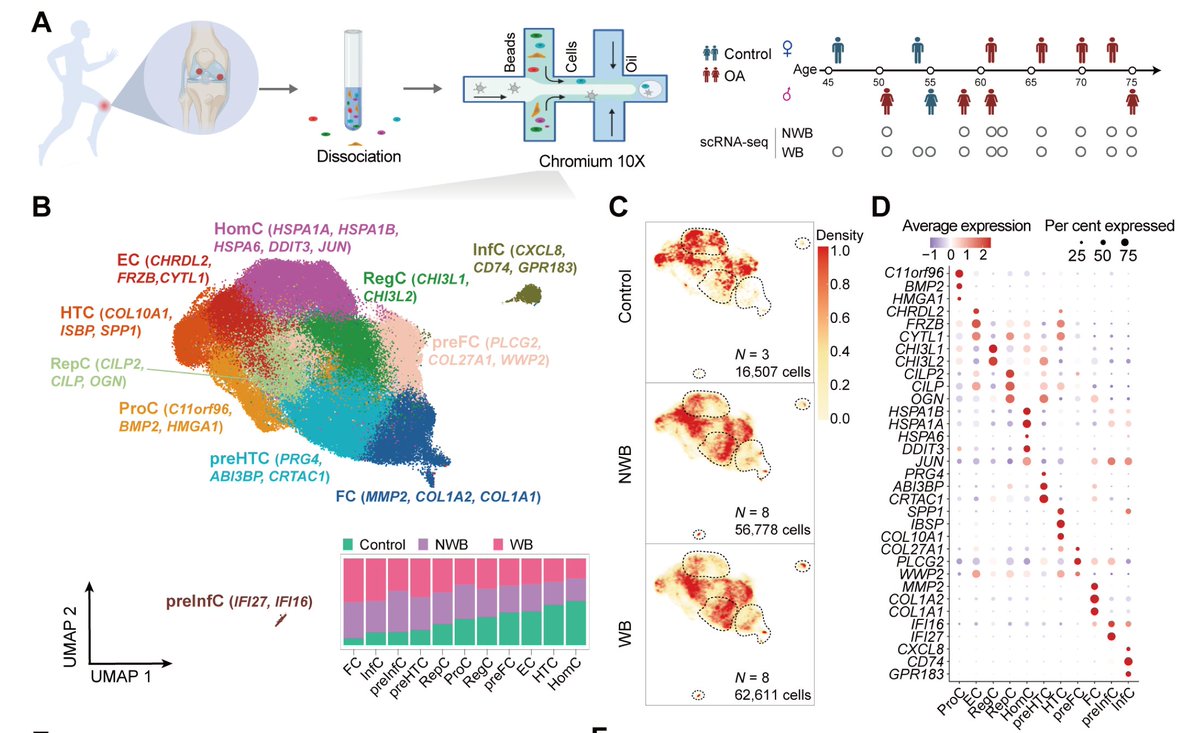
🔍 New study identifies critical cell populations in knee osteoarthritis, offering insights for targeted therapies 🎯.
A step closer to precision medicine in OA management?
#Osteoarthritis#Innovation 🔬 🧬📈
📎 https://t.co/XoboucbVpL
New in @naturemethods!
We introduce TISSUE, an uncertainty-aware framework for integrating and using #spatial#transcriptomics. Conformal prediction + spatial biology enhances downstream analyses and discovery 💯
Paper: https://t.co/YUq7XZlq6W
Code: https://t.co/Qs6EKx9Y9t
1/3
Major, fatal errors found in the data and methods of a 2020 paper in @Nature, including millions of reads mis-identified as bacteria. The "cancer microbiome" in this study was simply not there. @abrahamgihawi@elapertea@YuchenGe1@JenniferLu717 https://t.co/z5Aja84kiR