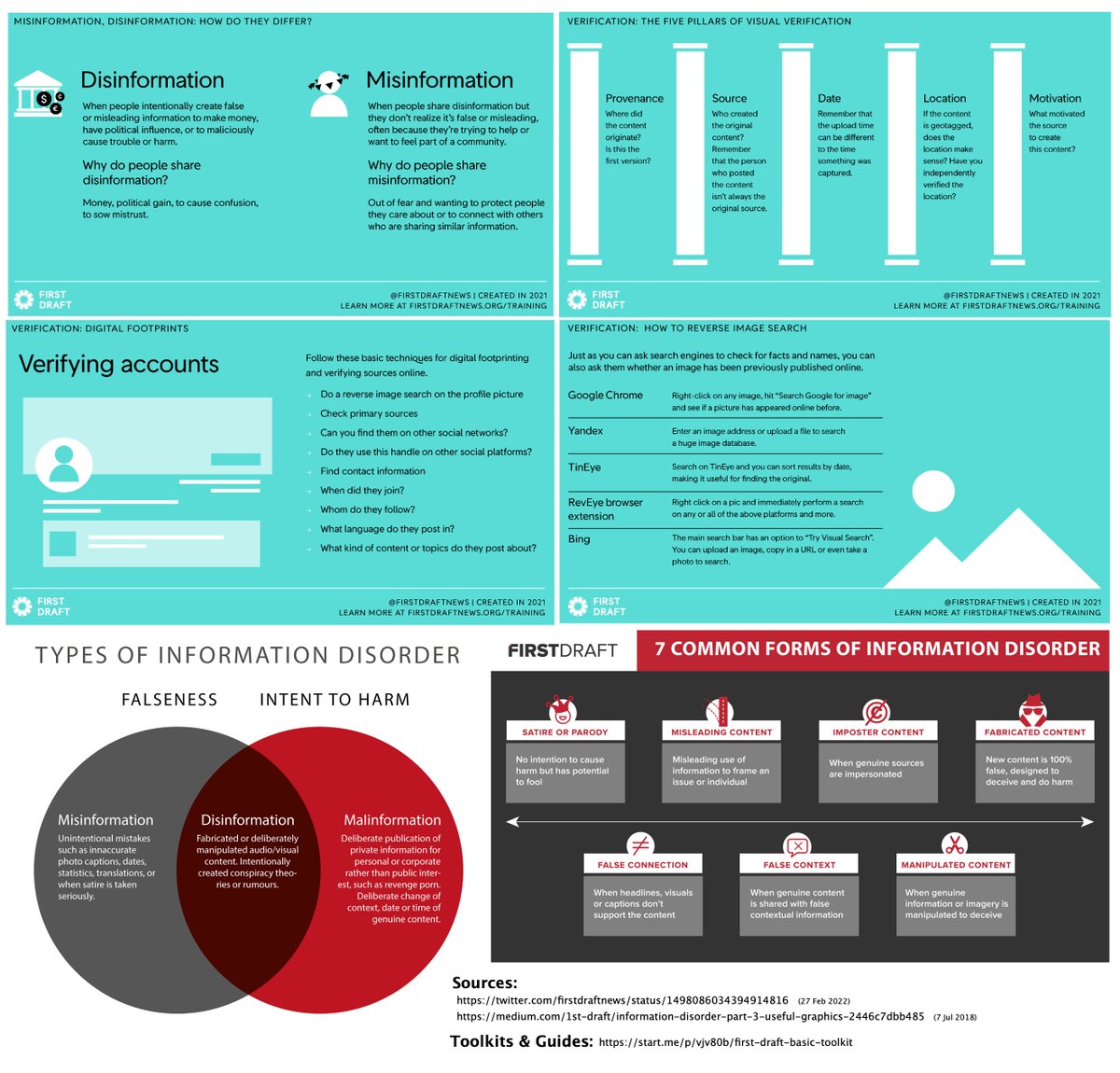
A large amount of mis- and disinformation has circulated on social media in multiple languages over the past few days regarding #Ukraine. Trustworthy information is as important as ever in times of crisis, so here are our top tips and tools 👇
Why do humans mature so slowly? A small-brained member of Homo that lived 1.8 million years ago may signal a step toward long, drawn-out childhoods.
Learn more: https://t.co/8SvfsERcg8 @NewsfromScience
A new framework developed by @MarshallBBurke to calculate "losses and damages” caused by climate change has determined that the economic damage yet to come from CO2 emitted decades ago far exceeds the harm it has wrought so far. https://t.co/w2zJpw42Xu
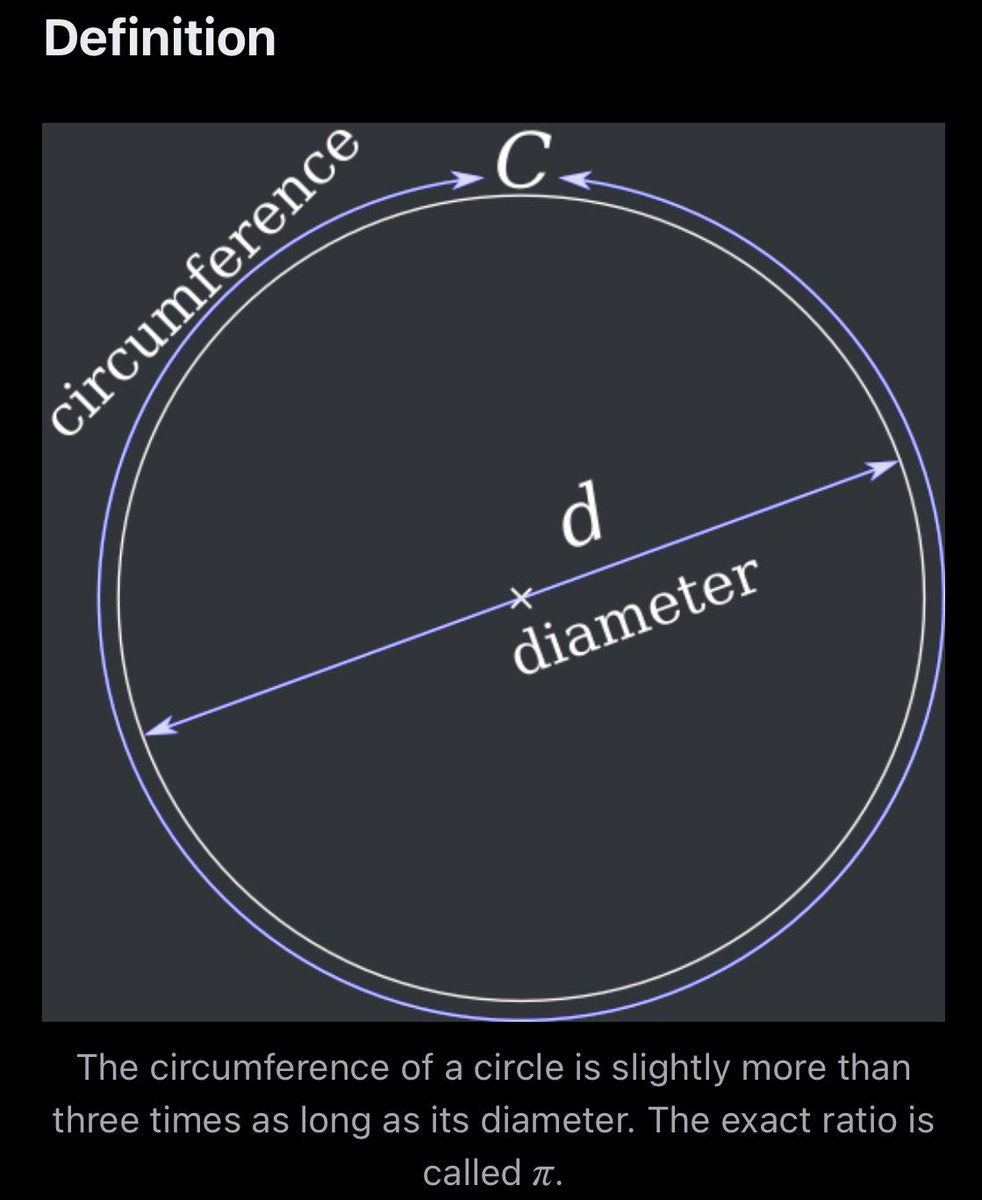
Earliest known use of “π” to represent the ratio of circle's circumference to its diameter was by the Welsh mathematician William Jones in 1706…
The ubiquity of π makes it one of the most widely known mathematical constants in & outside of science
https://t.co/4rjdixrQ9J
#PiDay
Happy #PiDay! March 14 is Pi-Day, a perfect day for maths & munchies, where maths fans & lovers of sweet treats around the world celebrate their shared passion: Pi(e)! 😄😋🥧3/14, the date's shorthand, represents the first 3 digits of the mathematical constant π (or pi).
Human connection to nature has declined 60% in 200 years https://t.co/8mkPQcqumD
Study: Modelling Nature Connectedness Within Environmental Systems: Human-Nature Relationships from 1800 to 2020 and Beyond https://t.co/23sFjkIsY0 (OA)
#urbanDesign#cityPlanning#greenSpace🌳
#EarthSystem/#Progress: "The destruction of the world’s #forests reached the highest level ever recorded in 2024, driven by a surge in fires caused by global heating, according to “frightening” new data. ...
https://t.co/xwoCtnWUh4
"New forests in the lowest risk areas globally would remove about 5% of humans’ CO2 emissions each year.”
@SimonLLewis@UCLgeography
https://t.co/k2mEPLpN9p
Our analysis of new 2024 #TreeCoverLoss data from @UMD_GLAD shares a sobering story — the tropics saw a record-shattering amount of forest in 2024, fueled by massive wildfires. 🔥
Read the full analysis 👉 https://t.co/GBMTWijRhY
3-tier approach that help you maintain integrity when using AI for research ⤵️
(Retweet 𝘵𝘰 𝘱𝘳𝘰𝘮𝘰𝘵𝘦 𝘦𝘵𝘩𝘪𝘤𝘢𝘭 𝘈𝘐 𝘶𝘴𝘦)
— TIER 1 (Safe):
Grammar checks, readability improvements, language translation
— TIER 2 (Careful):
Outlining from YOUR content, summarizing YOUR ideas, improving clarity of YOUR drafts
— TIER 3 (Avoid):
Writing de novo text, generating references, data interpretation
Remember: AI should help polish YOUR ideas, not create them!
The biggest lesson? Ask yourself 4 questions before using AI in research:
— Are the primary ideas, insights and analysis still mine?
— Am I maintaining my core research skills?
— Have I verified all content is accurate and bias-free?
— Have I disclosed exactly how AI was used?
If you answer "no" to any of these, rethink your approach.
1/5
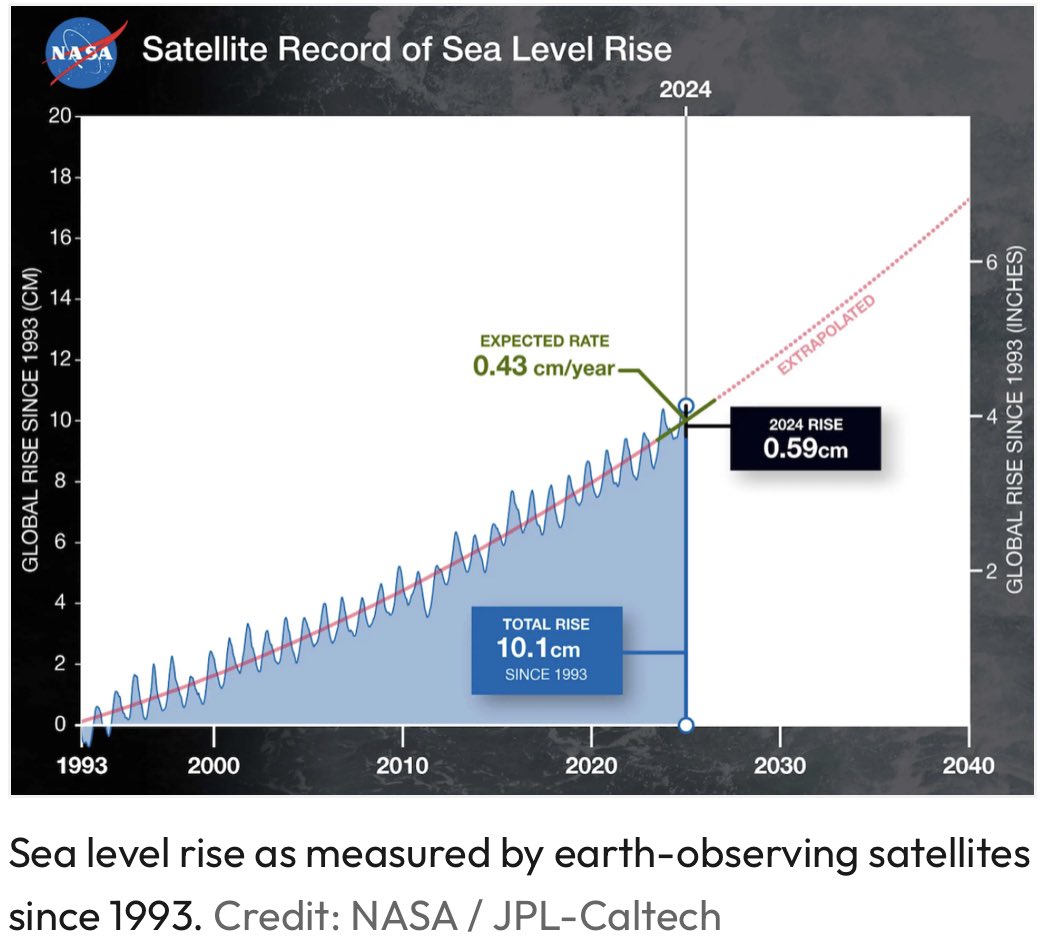
Satellites use radar altimeters to observe sea level rise by beaming radio waves to the surface, which reflect off ocean & return to the satellite 🛰️
@NASA satellite record of sea level rise since ‘93
Contributors:
🌊 melting ice 🇬🇱&🇦🇶
🌊 thermal expansion: As seas absorb heat
What if technology could seamlessly integrate with biology to heal and enhance the human body? @UChicago Prof. Bozhi Tian is making it a reality by creating living bioelectronics—from infection-fighting patches to light-powered pacemakers.
Learn more: https://t.co/Dg7Ugb3Hk9
Americans spend more time alone than ever. UChicago Prof. Nicholas Epley explores how 15 minutes of social interaction can boost mental health in "The Anti-Social Century."
Your Sunday Read: https://t.co/IjTmyiWG8e
Make America Healthy Again: https://t.co/uZvzSB9eyc
“Healthcare is a human right. End of discussion… You should not have to lose your home and go into financial distress because you have cancer.“ –@BernieSanders/@SenSanders#HealthForAll#HealthCareReform
The spread of health misinformation and disinformation poses a serious threat to public health.
How can we respond to the danger and combat the tide of misinformation and disinformation to protect public health?
Find out more in our latest Editorial: https://t.co/5PDk66YOfw
New report connects the dots btwn the world’s natural challenges https://t.co/VygmxGMzjQ —interview w @IPBES co-chair Paula Harrison via @TheWorld
“Govts are underestimating or ignoring links between 5 key areas—biodiversity, water, food, health, climate change”
#NexusAssessment
"Planetary health and human health are one and the same."
🆕 The environmental, social & economic crises – including biodiversity loss, water and food insecurity, health risks and climate change – are interconnected and must be tackled together, states new report from @IPBES. 👇