Tomorrow @arc goes mainnet.
The blocks will be fast. The fees predictable. The builders awake far too late.
Recourse is bringing the part users actually ask for:
“Can I just send money by name?”
Yes. That’s the plot.
@samconnerone
One more sleep before @arc mainnet.
Tomorrow the infrastructure wakes up.
Then comes the harder part: making it feel normal.
Recourse is ready to make that part look easy.
Building a money app teaches you that crypto accidentally turned every payment into a technical interview.
Which network?
Which address?
Which gas token?
Recourse’s answer: none of that should be your problem.
Try the iOS beta: https://t.co/v6X7trAnKD
Arc mainnet arrives in two days.
The chain will be fast. The interesting question is whether the apps feel simple.
Recourse has one job: make dollars on Arc behave like money on your phone.
Pick a name. Enter an amount. Send.
No wallet archaeology.
This is what adoption looks like when it stops wearing a crypto costume: multiple currencies, dozens of countries, and money that moves when people need it to. Stablecoins are becoming the plumbing.
USDC and EURC are coming to Nu Global.
Nu, one of the world’s largest digital financial platforms with more than 140M customers, is integrating Circle stablecoins into its new multi-currency digital account.
The product will support fast money movement across 35+ countries.
Read Nu’s announcement: https://t.co/ejtFi4vt6N
Money sitting still is a missed opportunity. The product challenge is letting it earn without making the user study protocol risk before breakfast. Useful finance should work quietly.
𝗔 𝗦𝘁𝗮𝗯𝗹𝗲𝗰𝗼𝗶𝗻 𝗗𝗼𝗲𝘀𝗻’𝘁 𝗛𝗮𝘃𝗲 𝗧𝗼 𝗦𝗶𝘁 𝗜𝗱𝗹𝗲
Holding a stablecoin is one use case.
Putting that capital to work inside a lending market is another.
This is one of the ideas that makes DeFi fundamentally different from traditional passive asset holding.
Capital can move.
Liquidity can be supplied.
Borrowers can access it.
And programmable infrastructure can coordinate the relationship between both sides.
JustLend DAO brings this lending model to the TRON ecosystem, with supported assets such as USDD participating in the lending market.
␥ 𝗙𝗿𝗼𝗺 𝗛𝗼𝗹𝗱𝗶𝗻𝗴 𝗧𝗼 𝗟𝗶𝗾𝘂𝗶𝗱𝗶𝘁𝘆
There is an important difference between keeping USDD in a wallet and supplying eligible USDD to a lending market.
In a wallet:
𝗨𝗦𝗗𝗗 → 𝗛𝗼𝗹𝗱
In a lending market:
𝗨𝗦𝗗𝗗 → 𝗦𝘂𝗽𝗽𝗹𝘆 → 𝗟𝗶𝗾𝘂𝗶𝗱𝗶𝘁𝘆 𝗣𝗼𝗼𝗹 → 𝗕𝗼𝗿𝗿𝗼𝘄𝗶𝗻𝗴 𝗔𝗰𝘁𝗶𝘃𝗶𝘁𝘆
Eligible suppliers may receive applicable interest based on current market conditions.
At the same time, borrowers gain access to liquidity under the protocol's rules.
One person's idle capital can therefore become another person's available liquidity.
➢ 𝗗𝗲𝗙𝗶 𝗜𝘀 𝗥𝗲𝗮𝗹𝗹𝘆 𝗔𝗯𝗼𝘂𝘁 𝗖𝗼𝗼𝗿𝗱𝗶𝗻𝗮𝘁𝗶𝗻𝗴 𝗖𝗮��𝗶𝘁𝗮𝗹
The interesting part isn't just the APY shown on a dashboard.
It's what happens underneath.
A supplier provides liquidity.
A borrower accesses liquidity.
The protocol establishes the rules.
Utilization affects market dynamics.
Interest rates respond to supply and demand.
This creates a programmable financial marketplace where capital can continuously move between different economic roles.
That is the deeper utility of DeFi.
➜ 𝗖𝗮𝗽𝗶𝘁𝗮𝗹 𝗖𝗮𝗻 𝗛𝗮𝘃𝗲 𝗠𝗼𝗿𝗲 𝗧𝗵𝗮𝗻 𝗢𝗻𝗲 𝗥𝗼𝗹𝗲
Composability makes the model even more interesting.
Depending on the specific market configuration and protocol rules, supplied assets may also provide collateral utility.
The conceptual flow can become:
𝗦𝘂𝗽𝗽𝗹𝘆 → 𝗘𝗮𝗿𝗻 𝗔𝗽𝗽𝗹𝗶𝗰𝗮𝗯𝗹𝗲 𝗜𝗻𝘁𝗲𝗿𝗲𝘀𝘁 → 𝗨𝘀𝗲 𝗖𝗼𝗹𝗹𝗮𝘁𝗲𝗿𝗮𝗹 → 𝗔𝗰𝗰𝗲𝘀𝘀 𝗟𝗶𝗾𝘂𝗶𝗱𝗶𝘁𝘆
This doesn't mean leverage is always appropriate.
It means programmable finance gives capital additional potential utility.
The same asset can participate in a larger financial system instead of simply remaining idle.
➱ 𝗧𝗵𝗲 𝗔𝗣𝗬 𝗜𝘀 𝗢𝗻𝗹𝘆 𝗢𝗻𝗲 𝗣𝗶𝗲𝗰𝗲 𝗢𝗳 𝗧𝗵𝗲 𝗣𝘂𝘇𝘇𝗹𝗲
Yield attracts attention.
Liquidity creates the market.
Without suppliers, borrowers have less capital to access.
Without borrowers, supplied liquidity has less utilization.
This creates a connected relationship:
𝗦𝘂𝗽𝗽𝗹𝘆 → 𝗟𝗶𝗾𝘂𝗶𝗱𝗶𝘁𝘆 → 𝗕𝗼𝗿𝗿𝗼𝘄𝗶𝗻𝗴 → 𝗨𝘁𝗶��𝗶𝘇𝗮𝘁𝗶𝗼𝗻 → 𝗠𝗮𝗿𝗸𝗲𝘁 𝗗𝘆𝗻𝗮𝗺𝗶𝗰𝘀
That is why lending protocols are such an important building block for DeFi.
➠ 𝗧𝗵𝗲 𝗕𝗲𝘁𝘁𝗲𝗿 𝗤𝘂𝗲𝘀𝘁𝗶𝗼𝗻 𝗙𝗼𝗿 𝗖𝗮𝗽𝗶𝘁𝗮𝗹
Instead of asking only:
“Should I hold this stablecoin?”
DeFi introduces another question:
𝗪𝗵𝗮𝘁 𝗿𝗼𝗹𝗲 𝗰𝗮𝗻 𝘁𝗵𝗶𝘀 𝗰𝗮𝗽𝗶𝘁𝗮𝗹 𝗽𝗹𝗮𝘆?
For some users, holding is the right choice.
For others, supplying eligible assets may provide additional utility.
But neither option is risk free.
Supply rates can change.
Smart contract risks exist.
Liquidity conditions can change.
Collateral and borrowing dynamics matter.
Understanding those variables is essential before deploying capital.
𝗝𝘂𝘀𝘁𝗟𝗲𝗻𝗱 𝗗𝗔𝗢'𝘀 𝗿𝗼𝗹𝗲 𝗶𝘀 𝗯𝗶𝗴𝗴𝗲𝗿 𝘁𝗵𝗮𝗻 𝗮 𝗱𝗲𝗽𝗼���𝗶𝘁 𝗯𝗼𝘅.
It provides infrastructure through which supported assets can participate in a programmable lending economy on TRON.
USDD can supply liquidity.
Borrowers can access capital.
Capital can become productive.
And financial interactions can happen through on chain infrastructure.
That's one of the most powerful ideas in DeFi:
𝗖𝗮𝗽𝗶𝘁𝗮𝗹 𝗯𝗲𝗰𝗼𝗺𝗲𝘀 𝗺𝗼𝗿𝗲 𝘂𝘀𝗲𝗳𝘂𝗹 𝘄𝗵𝗲𝗻 𝗶𝗻𝗳𝗿𝗮𝘀𝘁𝗿𝘂𝗰𝘁𝘂𝗿𝗲 𝗴𝗶𝘃𝗲𝘀 𝗶𝘁 𝗺𝗼𝗿𝗲 𝗿𝗼𝗹𝗲𝘀 𝘁𝗼 𝗽𝗹𝗮𝘆.
🔗 https://t.co/I6bL4D8y5f
@DeFi_JUST @usddio_cn @justinsuntron
#TRONEcoStar
𝗔 𝗦𝘁𝗮𝗯𝗹𝗲𝗰𝗼𝗶𝗻 𝗗𝗼𝗲𝘀𝗻’𝘁 𝗛𝗮𝘃𝗲 𝗧𝗼 𝗦𝗶𝘁 𝗜𝗱𝗹𝗲
Holding a stablecoin is one use case.
Putting that capital to work inside a lending market is another.
This is one of the ideas that makes DeFi fundamentally different from traditional passive asset holding.
Capital can move.
Liquidity can be supplied.
Borrowers can access it.
And programmable infrastructure can coordinate the relationship between both sides.
JustLend DAO brings this lending model to the TRON ecosystem, with supported assets such as USDD participating in the lending market.
␥ 𝗙𝗿𝗼𝗺 𝗛𝗼𝗹𝗱𝗶𝗻𝗴 𝗧𝗼 𝗟𝗶𝗾𝘂𝗶𝗱𝗶𝘁𝘆
There is an important difference between keeping USDD in a wallet and supplying eligible USDD to a lending market.
In a wallet:
𝗨𝗦𝗗𝗗 → 𝗛𝗼𝗹𝗱
In a lending market:
𝗨𝗦𝗗𝗗 → 𝗦𝘂𝗽𝗽𝗹𝘆 → 𝗟𝗶𝗾����𝗶𝗱𝗶𝘁𝘆 𝗣𝗼𝗼𝗹 → 𝗕𝗼𝗿𝗿𝗼𝘄𝗶𝗻𝗴 𝗔𝗰𝘁𝗶𝘃𝗶𝘁𝘆
Eligible suppliers may receive applicable interest based on current market conditions.
At the same time, borrowers gain access to liquidity under the protocol's rules.
One person's idle capital can therefore become another person's available liquidity.
➢ 𝗗𝗲𝗙𝗶 𝗜𝘀 𝗥𝗲𝗮𝗹𝗹𝘆 𝗔𝗯𝗼𝘂𝘁 𝗖𝗼𝗼𝗿𝗱𝗶𝗻𝗮𝘁𝗶𝗻𝗴 𝗖𝗮𝗽𝗶𝘁𝗮𝗹
The interesting part isn't just the APY shown on a dashboard.
It's what happens underneath.
A supplier provides liquidity.
A borrower accesses liquidity.
The protocol establishes the rules.
Utilization affects market dynamics.
Interest rates respond to supply and demand.
This creates a programmable financial marketplace where capital can continuously move between different economic roles.
That is the deeper utility of DeFi.
➜ 𝗖𝗮𝗽𝗶𝘁𝗮𝗹 𝗖𝗮𝗻 𝗛𝗮𝘃𝗲 𝗠𝗼𝗿𝗲 𝗧𝗵𝗮𝗻 𝗢𝗻𝗲 𝗥𝗼𝗹𝗲
Composability makes the model even more interesting.
Depending on the specific market configuration and protocol rules, supplied assets may also provide collateral utility.
The conceptual flow can become:
𝗦𝘂𝗽𝗽𝗹𝘆 → 𝗘𝗮𝗿𝗻 𝗔𝗽𝗽𝗹𝗶𝗰𝗮𝗯𝗹𝗲 𝗜𝗻𝘁𝗲𝗿𝗲𝘀𝘁 → 𝗨𝘀𝗲 𝗖𝗼𝗹𝗹𝗮𝘁𝗲𝗿𝗮𝗹 → 𝗔𝗰𝗰𝗲𝘀𝘀 𝗟𝗶𝗾𝘂𝗶𝗱𝗶𝘁𝘆
This doesn't mean leverage is always appropriate.
It means programmable finance gives capital additional potential utility.
The same asset can participate in a larger financial system instead of simply remaining idle.
➱ 𝗧𝗵𝗲 𝗔𝗣𝗬 𝗜𝘀 𝗢𝗻𝗹𝘆 𝗢𝗻𝗲 𝗣𝗶𝗲𝗰𝗲 𝗢𝗳 𝗧𝗵𝗲 𝗣𝘂𝘇𝘇𝗹𝗲
Yield attracts attention.
Liquidity creates the market.
Without suppliers, borrowers have less capital to access.
Without borrowers, supplied liquidity has less utilization.
This creates a connected relationship:
𝗦𝘂𝗽𝗽𝗹𝘆 → 𝗟𝗶𝗾𝘂𝗶𝗱𝗶𝘁𝘆 → 𝗕𝗼𝗿𝗿𝗼𝘄𝗶𝗻𝗴 → 𝗨𝘁𝗶𝗹𝗶𝘇𝗮𝘁𝗶𝗼𝗻 → 𝗠𝗮𝗿𝗸𝗲𝘁 𝗗𝘆𝗻𝗮𝗺𝗶𝗰𝘀
That is why lending protocols are such an important building block for DeFi.
➠ 𝗧𝗵𝗲 𝗕𝗲𝘁𝘁𝗲𝗿 𝗤𝘂𝗲𝘀𝘁𝗶𝗼𝗻 𝗙𝗼𝗿 𝗖𝗮𝗽𝗶𝘁𝗮𝗹
Instead of asking only:
“Should I hold this stablecoin?”
DeFi introduces another question:
𝗪𝗵𝗮𝘁 𝗿𝗼𝗹𝗲 𝗰𝗮𝗻 𝘁𝗵𝗶𝘀 𝗰𝗮𝗽𝗶𝘁𝗮𝗹 𝗽𝗹𝗮𝘆?
For some users, holding is the right choice.
For others, supplying eligible assets may provide additional utility.
But neither option is risk free.
Supply rates can change.
Smart contract risks exist.
Liquidity conditions can change.
Collateral and borrowing dynamics matter.
Understanding those variables is essential before deploying capital.
𝗝𝘂𝘀𝘁𝗟𝗲𝗻𝗱 𝗗𝗔𝗢'𝘀 𝗿𝗼𝗹𝗲 𝗶𝘀 𝗯𝗶𝗴𝗴𝗲𝗿 𝘁𝗵𝗮𝗻 𝗮 𝗱𝗲𝗽𝗼𝘀𝗶𝘁 𝗯𝗼𝘅.
It provides infrastructure through which supported assets can participate in a programmable lending economy on TRON.
USDD can supply liquidity.
Borrowers can access capital.
Capital can become productive.
And financial interactions can happen through on chain infrastructure.
That's one of the most powerful ideas in DeFi:
𝗖𝗮𝗽𝗶𝘁𝗮𝗹 𝗯𝗲𝗰𝗼𝗺𝗲𝘀 𝗺𝗼𝗿𝗲 𝘂𝘀𝗲𝗳𝘂𝗹 𝘄𝗵𝗲𝗻 𝗶𝗻𝗳𝗿𝗮𝘀𝘁𝗿𝘂𝗰𝘁𝘂𝗿𝗲 𝗴𝗶𝘃𝗲𝘀 𝗶𝘁 𝗺𝗼𝗿𝗲 𝗿𝗼𝗹𝗲𝘀 𝘁𝗼 𝗽𝗹𝗮𝘆.
🔗 https://t.co/I6bL4D8y5f
@DeFi_JUST @usddio_cn @justinsuntron
#TRONEcoStar
Two days to mainnet. The loud part is the launch. The important part begins when someone sends money and never has to learn what gas means. That is the future Recourse is building for on Arc.
Arc Mainnet launches September 16.
Arc is an open blockchain network being built for the world’s financial markets, real-time money movement, and agentic economic activity.
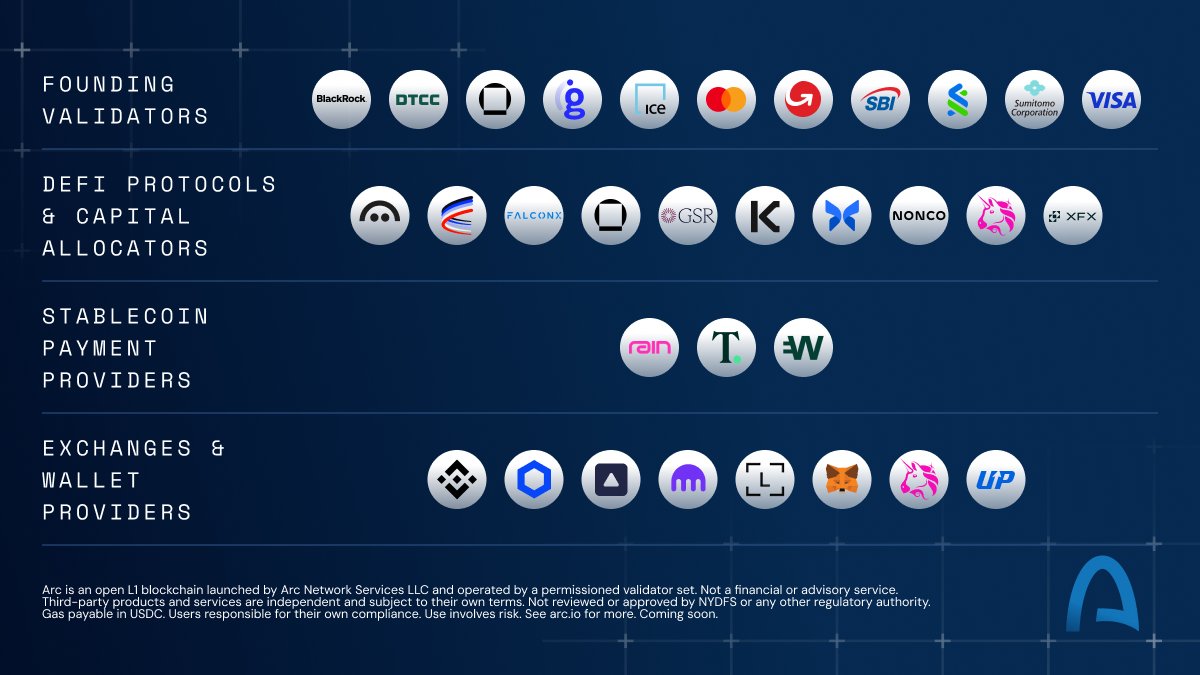
Arc’s founding validator cohort includes @BlackRock, @The_DTCC, @galaxyhq, @GlobalPayInc, @Mastercard, @MoneyGram, @ICE_Markets, SBI, @StanChart, Sumitomo Corporation, and @Visa.
This is a different model for onchain infrastructure: a network secured by the institutions building on it.
Arc is already gaining traction across major institutions.
@BlackRock, @BNYglobal, @The_DTCC, and @StanChart are each exploring integrations spanning tokenized asset settlement, custody, stablecoin access, FX, and repo infrastructure.
Arc is also expected to launch with a broad ecosystem across liquidity, payments, access, and infrastructure with more to come.
Liquidity / DeFi: @aave, @aeroxyz, @FalconXGlobal, @galaxyhq, @GSR_io, @keyrock, @Morpho, @nonco_otc, @Uniswap, @OfficialXFX
Payments: @raincards, @ThunesPayments, @wirexapp
Major Exchanges and Wallet Providers: @BinanceWallet, @chainlink, @FireblocksHQ, @krakenfx, @Ledger, @MetaMask, @Official_Upbit, @Uniswap
Participants building on Arc experience an open platform powering the world's financial markets, real-time money movement, and agentic economic activity.
Whether you're launching a financial application, integrating stablecoin flows, or experimenting with new, AI-powered economic models, Arc gives you the tools to build what isn’t possible anywhere else.
Arc Mainnet launches September 16.
https://t.co/lUb8kJRp2o
@circle Five cents for a useful daily briefing is a better agent demo than another thousand-word thread about agents. Small, repeatable utility is how the category becomes real.
@circle Programmable money becomes real when the programming disappears from the user’s job. Looking forward to the infrastructure reveal and the products built above it.
@Bloxfi_ One clean surface over fragmented rails is the real product. Users should choose an amount and destination, not become amateur liquidity routers.
@UpHonestReal Removing middlemen does not remove mistakes, disputes or bad actors. Good financial infrastructure needs a clear answer for what happens after something goes wrong.
@francis_cgl Exactly. A person holding dollars should not be told they lack the unrelated token required to move those dollars. That is infrastructure leaking into the product.
@urdav3 Having the money but lacking the token required to move it is one of crypto’s strangest traditions. Payment UX improves the moment that sentence disappears.
@Stabo2025 Security partnerships are not the glamorous launch post, but they are the work that makes payment products survivable. Trust has to be engineered before it can be marketed.
@meliboi_sama Mainnet week is the party. Retention is the morning after. Curious to see which Arc products people still open when the confetti is gone.
@Defi_Edwin Idle stablecoins are an unfinished product. The real UX challenge is making earning feel safe and understandable without turning every user into a part-time risk analyst.