A new review summarizes advances in therapy, including approval or expanded use of targeted agents, improved outcomes with antibody–drug conjugates and immunotherapy, and growing reliance on molecular profiling.
Read the Review Article “Advances in Systemic Treatment of Breast Cancer” by Sara Alsterlind Hurvitz, MD: https://t.co/wV3Xsv4CBY
The 2026 #NobelPrize laureates in physiology or medicine have laid the foundation of a new era in neuroscience.
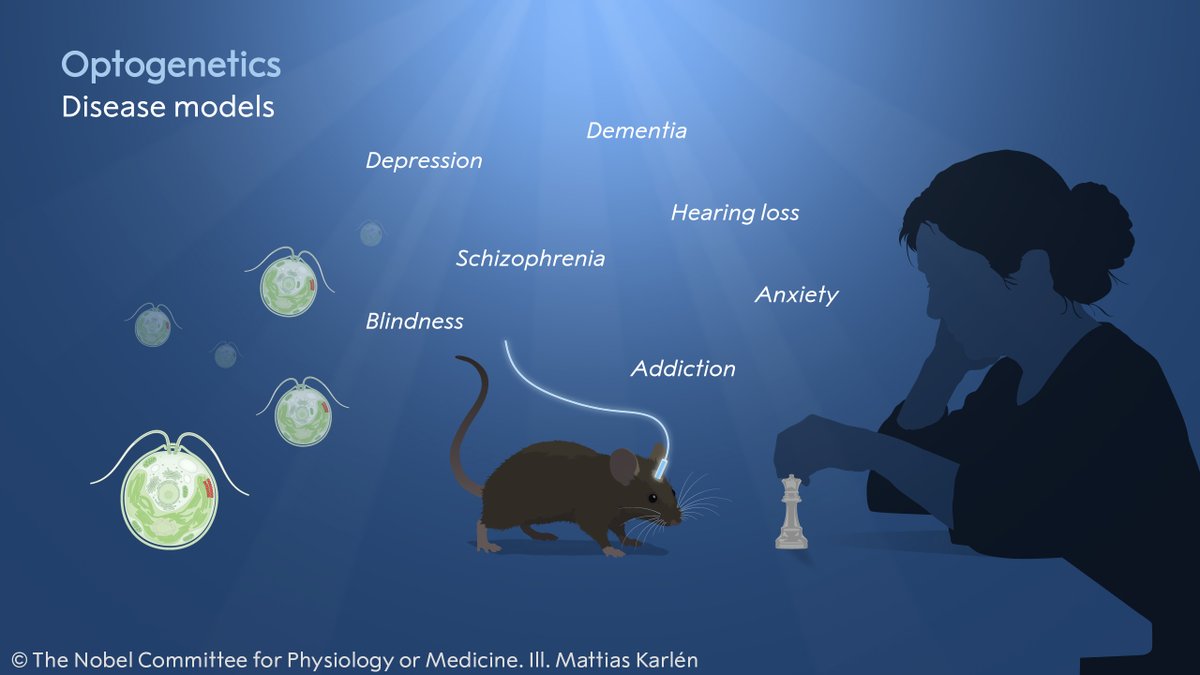
Using optogenetics, researchers have been able to reveal neural circuits governing specific memories, feelings, and behaviours relevant for neurological and psychiatric disorders. In clinical medicine, researchers are using the method in attempts to restore sight in people with visual impairment.
Optogenetics has fundamentally altered our understanding of the brain. Every day brings new discoveries, helping to solve one of humanity’s great mysteries: how our incredible brain works.
🚨🚨WOW! This is absolutely amazing to see that Karl Deisseroth, Peter Hegemann and Georg Nagel have won the Nobel prize in medicine for their optogenetic research! Visual optogenetics is a therapeutic modality that uses Gene Therapy to deliver a light-sensitive protein to cells in the retina. This mechanism of entering light to the eye can then stimulate these cells to produce a visual signal that is sent to the brain and thus “overriding” the retinal cells and to restore vision to vision impaired patients. This mechanism is already in clinical development and the most advanced optogenetic therapy is currently Nanoscope Therapeutics’ MOGENRY (formally known MCO-010) - an Optogenetic Gene Therapy aimed to restore vision in Retinitis Pigmentosa (RP) patients with a severe vision loss which is waiting for an FDA approval! Absolutely amazing!
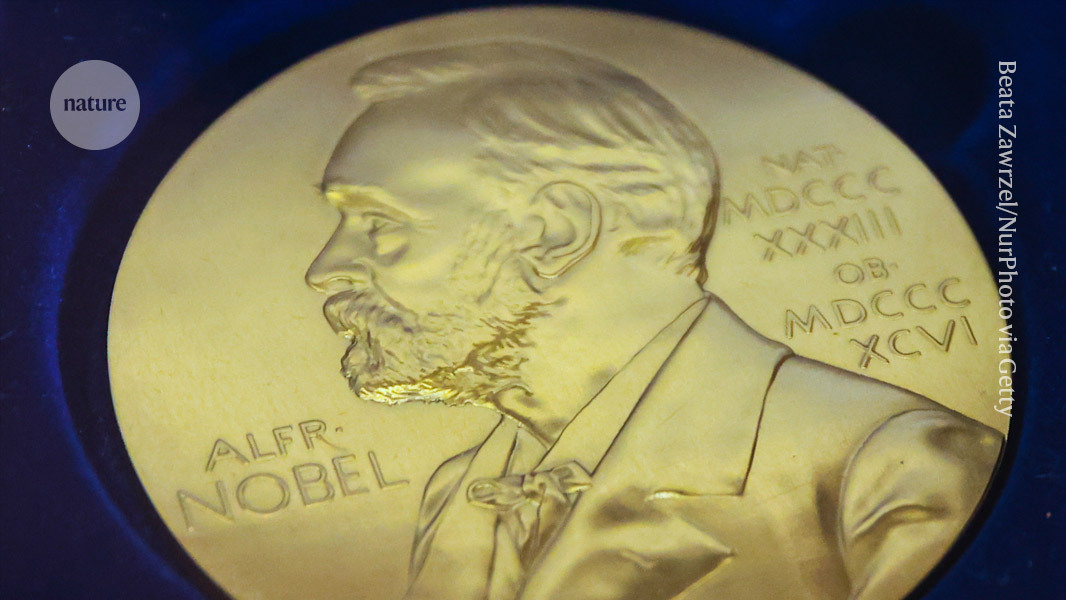
BREAKING: The Nobel Prize in Physiology or Medicine has been awarded to Karl Deisseroth, Peter Hegemann and Georg Nagel “for their discoveries concerning light-gated ion channels and optogenetics.”
More to follow.
Amazing! Optogenetics gave scientists a way to switch neurons on or off with light and see how they shape memory, emotion and behavior. Literal sci-fi stuff. It transformed neuroscience.
And it began with studying how algae responds to light. This is why we fund basic research.
There are people who leave a mark on the world, and then there are people who change it entirely. Steve changed the world and so many lives in the process. He certainly changed my life forever. His spirit lives on in everything he created and everyone he inspired.
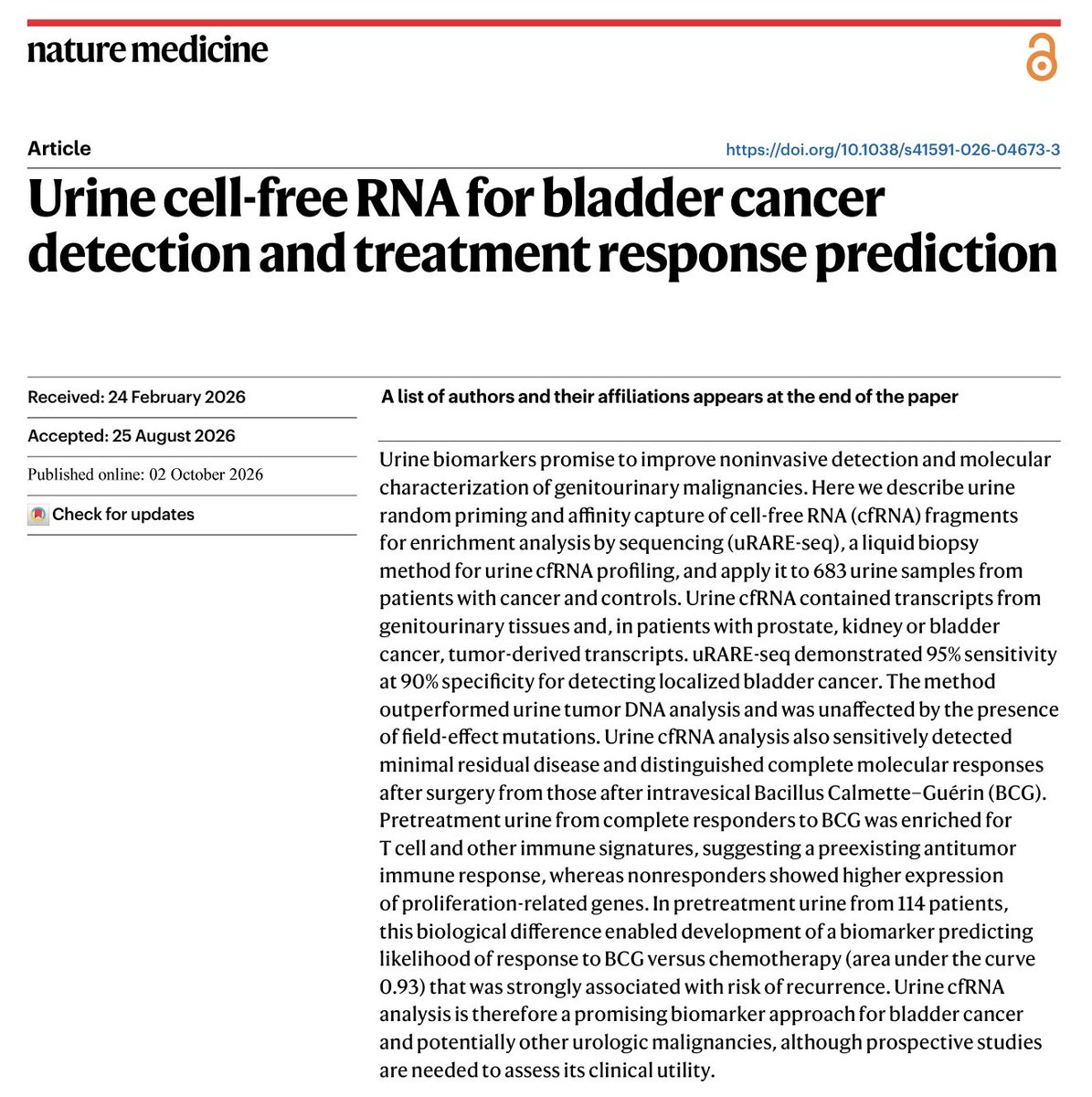
Urine cfRNA is emerging as a powerful bladder cancer biomarker: 95% sensitivity at 90% specificity, with potential for MRD detection and BCG-response prediction.
Prospective validation comes next. @NatureMedicine@OncoAlert@OpenMedicineHQ@isliquidbiopsy
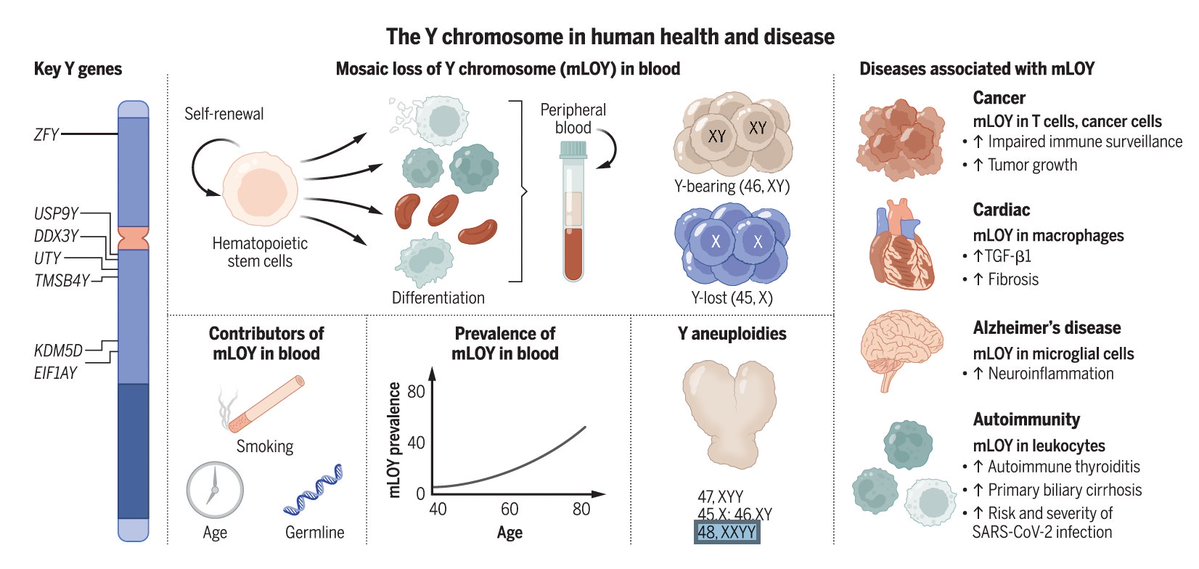
By age 70, 40% of men have mosaic loss of Y chromosome (mLOY); about 20% exhibit Y loss in at least 10% of their blood cells.
mLOY carries a significant risk for cancer, heart disease, Alzheimer's, and autoimmunity. But we don't measure it!
Reviewed in @ScienceMagazine today https://t.co/5lj10syyjk
Thrilled to see this in print. Honored to partner with @elmayermd@stolaney1 and our fabulous colleagues and partners at Roche/Genentech on this practice changing trial. Combo vs combo proves a more effective ET for mESR1 dse. @OncoAlert@OncBrothers
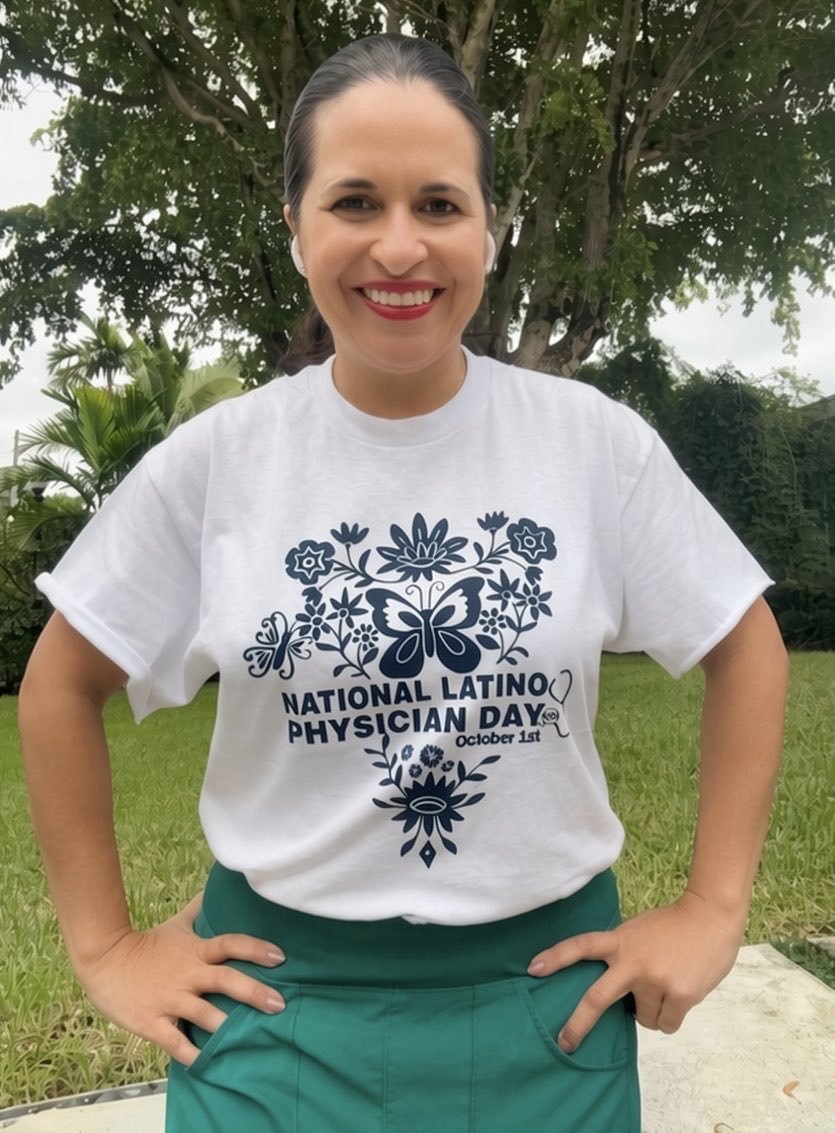
Today, October 1st, is #NationalLatinoPhysicianDay 🇵🇷🇺🇸 #NLPD
Nearly 1 in 5 people in the U.S. identifies as Latino, yet only about 6% of physicians are Latino. This gap can affect access to care, representation, and health outcomes.
Today, we celebrate Latino physicians and commit to invest in the next generation through #STEM education, mentorship, and leadership opportunities.
A more diverse physician workforce strengthens health for all communities. 💙
#LatinoPhysicians #LatinasInMedicine #HealthEquity #DiversityInMedicine @LatinasinSTEM@LatinasInMed@LatinxOncology #NecesitamosMas
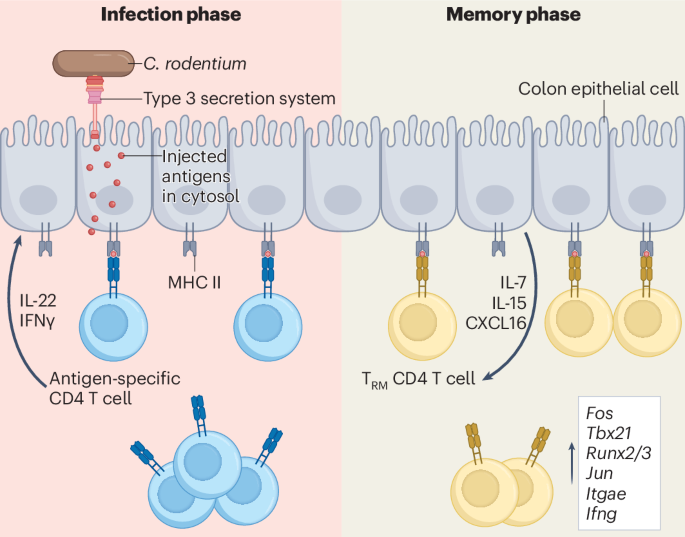
Bacterial antigens injected into cytosol of intestinal epithelial cells are presented by MHC II for induction of Ag-specific T cell responses and long-term epithelial cell-associated CD4 Trm
https://t.co/FR4vszQW4g @NatImmunol
https://t.co/dtFx6eHAqy
⚡️ 3–5% of all renal cell carcinomas are hereditary — yet most patients are never tested.
While germline testing is standard in breast, ovarian and colorectal cancer, a significant gap remains in urological malignancies despite the actionability of hereditary RCC syndromes.
Time to close that gap.
https://t.co/ab11UNkGy9
@EuropeanUrology #KidneyCancer
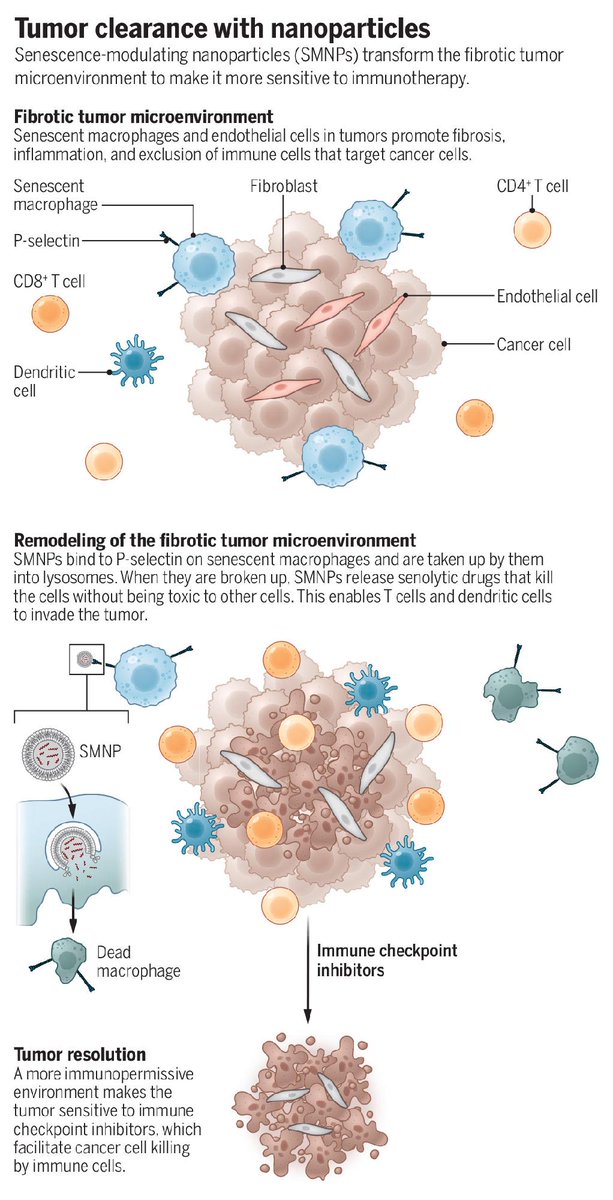
Senescence-modulating nanoparticles can selectively deliver drugs to a subset of senescent cells, according to a new Science study. This targeted approach remodels the microenvironment of fibrotic tumors and makes them responsive to immunotherapy.
Learn more in a new #SciencePerspective: https://t.co/iqXWF2zLSV
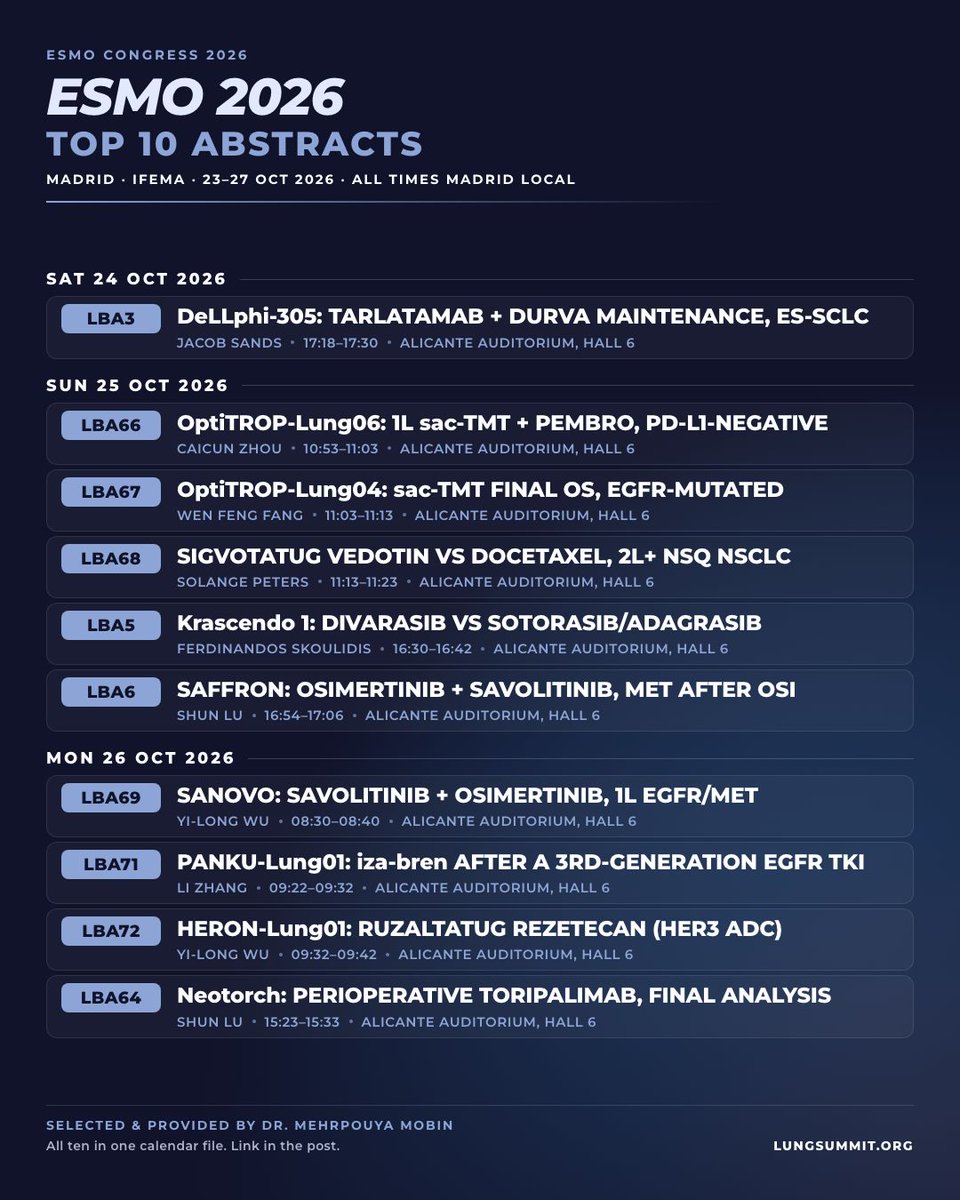
Our Top 10 #LungCancer abstracts for #ESMO26 in Madrid.
All ten are late-breakers, all in Alicante Auditorium, Hall 6, Sat 24 to Mon 26 Oct.
Import them all to your calendar: https://t.co/T7PqGHFhac
Presenting: @sands_jacob@peters_solange@FSkoulidis, with colleagues in Shanghai and Guangzhou.
Which are on your list? #LCSM @myESMO