You have noticed it. ChatGPT feels dumber than it used to. Your prompts that worked six months ago produce worse results now. The writing sounds flatter. The ideas sound safer. The internet itself feels like it is shrinking. Every article reads the same. Every email sounds the same. Every answer sounds like it was written by the same voice.
You thought it was you. It is not you.
Researchers at Oxford and Cambridge published a paper in Nature proving what is happening. They call it Model Collapse.
Here is the mechanism in one sentence. AI trained on AI-generated data gets dumber every generation until it forgets what real human data looked like.
The internet is filling with AI-generated content. Blog posts. Articles. Reviews. Comments. Social media. AI companies scrape the internet to train the next generation of models. Which means the next generation of AI is being trained on the output of the current generation.
Each cycle loses information. Not randomly. It loses the rarest, most unusual, most creative parts first. The researchers call these the "tails of the distribution." The weird ideas. The unexpected perspectives. The things that made the internet feel human. Those disappear first.
What remains is the average. The safe. The expected. The bland.
Then the next generation trains on that. And loses more. And the next generation trains on that. And loses more. The researchers proved this is not a slow decline. Major degradation happens within just a few iterations. Even when some of the original human data is preserved.
They tested it on large language models. On image generators. On statistical models. The pattern was the same every time. The output converges toward a narrow, flattened version of reality that looks nothing like the original data.
The lead researcher put it plainly. "Large language models are like fire. A useful tool. But one that pollutes the environment."
The pollution is invisible. You cannot see which sentence on the internet was written by a human and which was written by AI. Neither can the AI that is about to train on it. And once the tails are gone, they do not come back. The damage is irreversible.
This is not a prediction anymore. It is a diagnosis.
The internet you grew up on was built by humans writing things no algorithm would have written. Strange, personal, imperfect, alive. That internet is being diluted. One generation of AI at a time. And the models trained on what remains are learning a smaller and smaller version of the world.
Model Collapse is not a technical problem. It is a cultural one. The thing that made the internet worth reading is the thing that disappears first.
Dr. Bakri says a Russian peptide cut deaths in nursing home patients over 15 years.
If you have an aging parent, this study is worth knowing about.
Taking it just ten to twenty days a year lowered death across all major diseases.
It was pulled from the pineal gland by Soviet scientist Vladimir Khavinson for his study.
In his 15-year study, nursing home patients got a short course once a year, alongside a thymus peptide.
"They had significantly lower mortality when it came to cardiovascular disease, infectious risk, and cancers."
Deaths from heart disease, infection, and cancer all dropped.
A few days of treatment a year, and the benefit carried through the rest of it. It's Russian data, so hold it loosely.
But for an old parent, that design is hard to ignore.
A handful of days dosed each year, and they still lived longer.
That peptide is epitalon.
— Dr. Abud Bakri (.@AbudBakri) on the Huberman Lab podcast (.@hubermanlab)
This is it.
Everything learned spending millions on longevity.
From: Your Immortal Unc and Auntie.
To: Our Immortal nieces and nephews.
0. Sleep is the world's most powerful drug.
1. Be in your bed for 8 hours
2. Same bedtime every night, any time before midnight
3. Don’t eat right before bed
4. Calm foods for dinner
5. No screens 1 hour before bed
6. Avoid added sugar (be aware it’s in everything)
7. Avoid all things in an American convenience store
8. Avoid fried foods
9. Shoes off at the door
10. Eat whole foods, particularly veggies fruits nuts legumes berries
11. Walk a little after meals or air squats
12. Get your heart rate high routinely
13. Lift heavy things
14. Stretch daily
15. Water pik, floss, brush, tongue scrape, morning and night
16. Make an effort to drink water
17. Get sunlight when you wake up (UV is low)
18. Protect skin in midday sun
19. Stand up straight
20. See at least one friend once a week
21. Avoid plastic where you can (in all things)
22. Circulate air in rooms
23. When stressed, breathe, learn to calm your body
24. Go to the dentist
25. Avoid sitting for long times
26. Protect your hearing, the world is too loud
27. Alcohol is bad for you
28. Finish coffee before noon
29. Avoid bright lights after sunset
30. If obese, look into a GLP
31. Sleep in a cold room
32. Texting while driving is dangerous
33. Turn off all notifications
34. Limit social media use
35. Don’t smoke anything
36. If you struggle to sleep, read a physical book before bed
37. 1 hour before bed have a calm wind down routine: bath, read, light walk, listen to music
38. The body is a clock and loves routine. Have a daily morning and evening schedule.
39. Avoid long distance travel where you can
40. Baby steps first: incorporate new things slowly
41. Do less… most things don’t work.
Bonus points if you get your blood checked.
Start here, it will change your life.
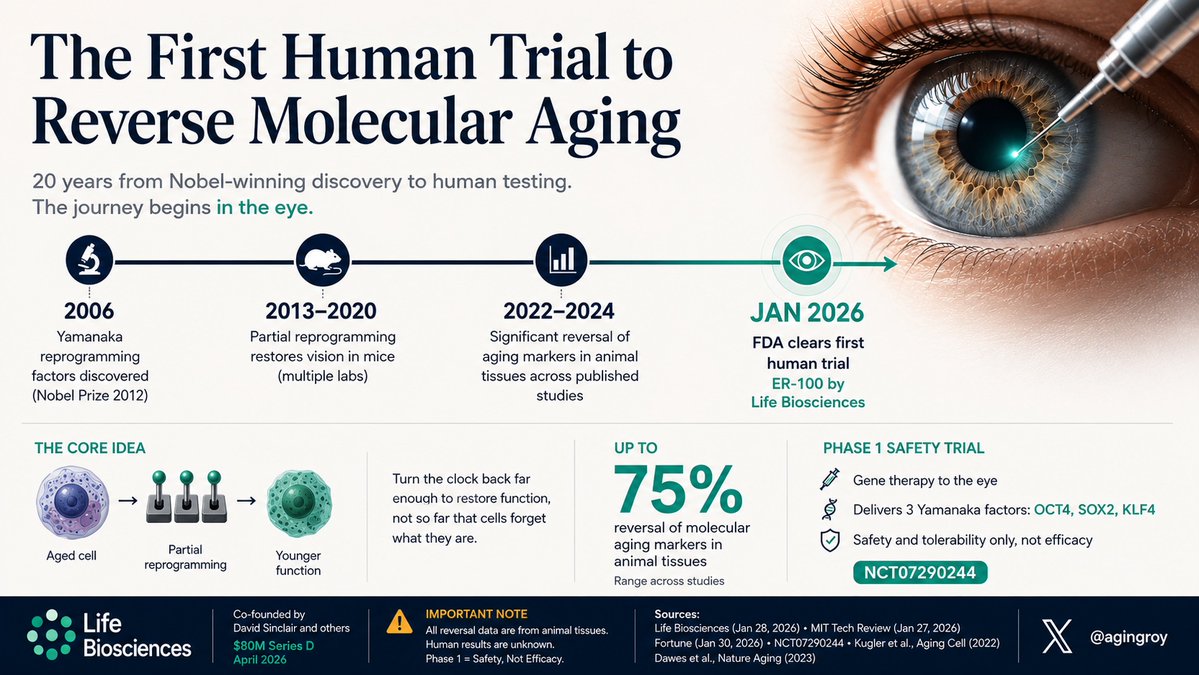
Significant reversal of age-related molecular damage in animal tissue, across multiple published studies. As of January 2026, the @US_FDA cleared the first human trial to find out if that holds in people.
The therapy is a gene therapy called ER-100, developed by @lifebiosciences. It delivers three Yamanaka reprogramming factors (OCT4, SOX2, KLF4) directly into the eyes of patients with glaucoma or NAION, a form of sudden vision loss.
These factors are the molecular switches that, in 2006, Shinya Yamanaka showed could rewind adult cells back to a stem-cell-like state. The idea here is partial reprogramming: turn the clock back far enough to restore function, but not so far that cells forget what they are.
Phase 1 trial. The goal right now is safety, not efficacy. NCT07290244. But the animal data across multiple tissues showed significant reversal of age-related molecular damage.
The eye isn’t the end goal. It’s the entry point. Vision research gets FDA clearance faster than systemic aging. If it’s safe in the eye, the science scales.
20 years of promises about reversing aging. In 2026, the first human trial was authorized to begin.
Bryan Johnson takes 3 shots of olive oil every single day.
One with every meal.
He calls it the superfood of superfoods.
He consumes it as part of his daily life:
• 15 ml per shot
• 45 ml total per day
• 15% of daily calories from olive oil
His team studied the best foods and therapies for health.
Olive oil was one of the few of them.
He drinks it straight before he eats.
His olive oil is sourced from both hemispheres so it's always fresh, and every batch is third-party tested before it reaches him.
Johnson is spending $1 million a year on his health.
The cheapest thing he does is also one of the most effective.
If the guy with the most aggressive longevity protocol on the planet starts every meal with a shot of olive oil, the cost of trying it is almost nothing.
— Bryan Johnson (@bryan_johnson) on the TPBN (@TBPN) podcast
As a medical school professor, this clinical trial changes how I think about Parkinson's disease.
74 patients. 48 weeks. Just 15g of resistant starch daily.
The results:
-- Beneficial Faecalibacterium bacteria increased
-- Short-chain fatty acid production rose
-- Opportunistic pathogens decreased
-- Blood markers of neuroinflammation improved
-- Parkinson's symptoms measurably reduced
The gut microbiome wasn't just tweaked -- it was fundamentally restructured.
Parkinson's increasingly looks like a metabolic disease that starts in the gut and travels to the brain. Feeding the right bacteria can push back.
As I argue in "Lies I Taught in Medical School," metabolic dysfunction is the root cause -- even in diseases we were taught are purely neurological.
Full breakdown coming on the Health Longevity Secrets podcast https://t.co/VbpysB6bJs
Source: https://t.co/BIIyshL3RC
Study: Brain Behaviour and Immunity, 2026. DOI: 10.1016/j.bbi.2025.106217
#Parkinsons #GutHealth #MetabolicHealth #Microbiome #HealthLongevitySecrets
The fastest way to upgrade your fitness engine backed by science
Massive 2024 meta-analysis just dropped on muscle mitochondria and capillaries. Here is what 5973 participants revealed
1. All training works
Endurance, HIIT, and sprint intervals all increased mitochondrial content ~23 to 27 percent
2. Intensity wins on efficiency
Sprint intervals were ~2.3x more efficient than HIIT and ~3.9x more than endurance per hour
3. Frequency matters more than style
6 > 4 > 2 sessions per week = bigger gains in mitochondria and VO2max
4. Capillaries grow fast but early
Most capillary gains happen in the first 4 weeks, mainly in untrained people
5. Your starting point is everything
Lower fitness = bigger improvements across mitochondria, VO2max, and capillaries
6. Age, sex, and disease do not limit adaptation
Your body can adapt at any stage of life
7. VO2max improves similarly across methods
But HIIT trends higher, sprint intervals give the most return per time
Consistency and effort beat the type of workout. Start where you are and train hard. Your biology will respond
Dr. Andrew Huberman just confirmed a “wild conspiracy theory” about incandescent lights and LED bulbs.
The long wavelengths found in incandescents increase your metabolism and “charge your mitochondria.”
Conversely, the LED bulbs that most of you have in your house are “causing disruptions in mitochondrial function.”
DR. ANDREW HUBERMAN: “Your mitochondria function better, you increase ATP production, your metabolism increases in the presence of red light, long wavelength light to the skin.”
“Shine long wavelength light on somebody, watch blood glucose levels in a blood glucose test, and it’s blunted.”
“Now, the LED lights that are commonly used now… that short wavelength light, in the absence of long wavelength light, has been shown to damage the mitochondria.”
“This used to be considered crazy. This was like chemtrail crazy, right?”
“But now we’re starting to see from animal studies and human studies, from Glenn Jeffreys and others, that people’s vision gets better when they get in front of an incandescent bulb once a day.”
“If they get sunlight, which also has long-wavelength light, your vision improves because of improvements in mitochondria.”
The Biden administration quietly pushed incandescents out of the market through aggressive energy regulations.
But you can still find them online today if you look hard enough.
If that health insight stood out to you, there’s a lot more where that came from. (See post below)
This page finds the moments they don’t want going viral, with captions that tell you exactly why they matter before you even hit play.
See why 2 million already follow: @VigilantFox
This mushroom based material from Magical Mushroom Company can be grown into almost anything in as little as 7 days, and it’s a direct replacement for polystyrene.
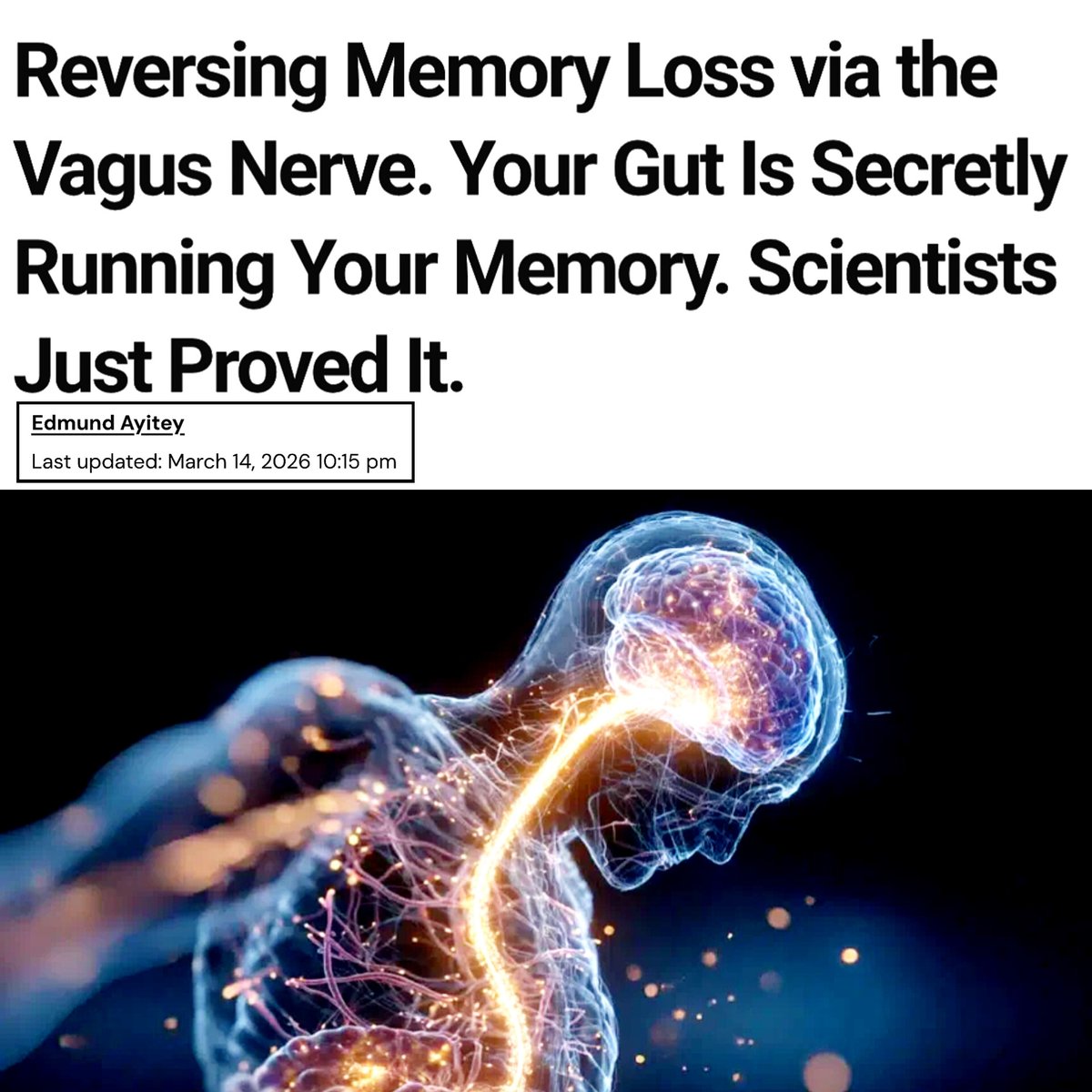
Memory Loss Breakthrough
New study reverses memory loss by reactivating the gut–brain connection and achieving a full cognitive reset.
Stanford researchers discovered that age-related decline may start in the gut, not the brain, and can potentially be reversed.
This groundbreaking study revealed that aging gut bacteria can silence the vagus nerve, effectively "switching off" the brain's memory center. Researchers found that specific microbes, particularly Parabacteroides goldsteinii, produce metabolites that trigger intestinal inflammation.
This inflammation interferes with vagus-nerve signaling, reducing communication between the gut and brain and weakening activity in the hippocampus, the brain's memory center.
By restoring vagus-nerve activity and correcting the gut microbiome, scientists were able to make the brains of old mice function like those of 2-months old mice.
This "remote control" strategy suggests that memory loss may not be an inevitable brain disease, but a communication failure that can potentially be repaired through the digestive system.
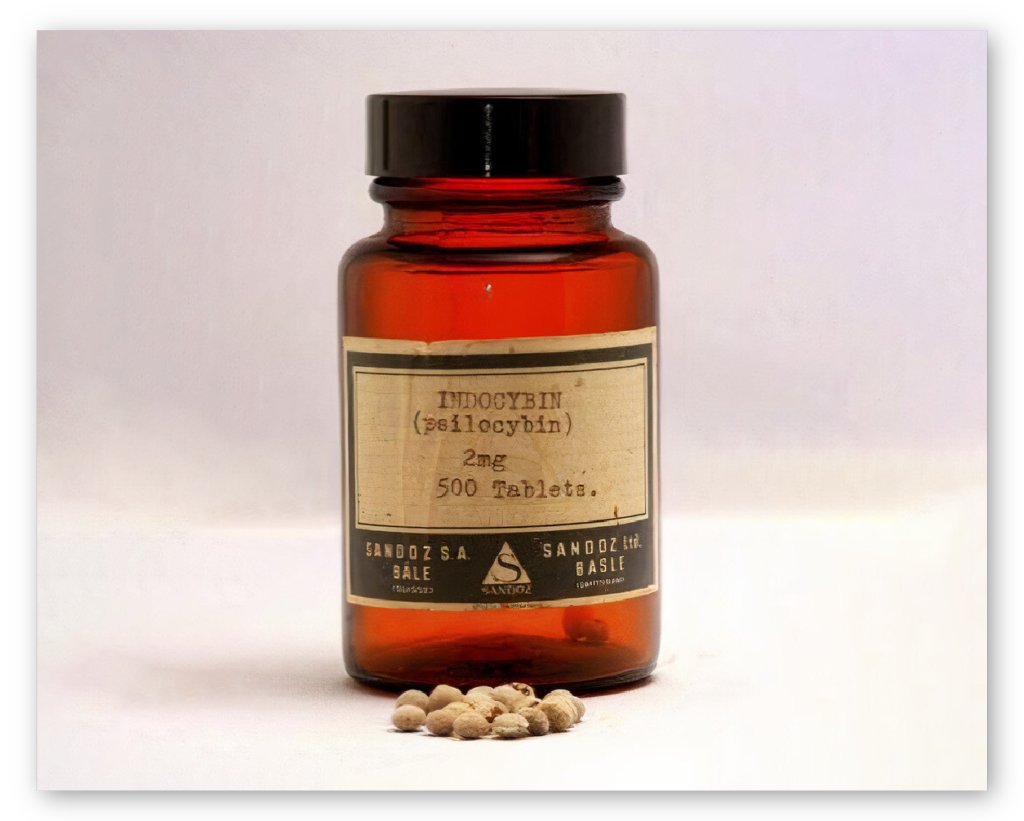
We already had legal psilocybin in 1958.
Sandoz Laboratories, the same company that invented LSD, sold pharmaceutical psilocybin legally throughout the 1960s.
It even had a brand name: 𝘐𝘯𝘥𝘰𝘤𝘺𝘣𝘪𝘯
Doctors prescribed it openly for: depression, anxiety & alcoholism.
2mg pills.
Sold all over the world.
Zero reports of serious complications.
𝗘𝘃𝗲𝗿.
It was removed from the market in 1965, not because of safety data, but because of politics.
Now we're calling it a breakthrough drug.
Same pills. Just 60 years later.
I taught medical students that insulin resistance is a mystery. It's not.
A new study in Science Advances just identified the molecular trigger - mitochondrial oxidative stress.
Here's what they found:
> Lipid overload floods mitochondria with reactive oxygen species
> This blocks GLUT4 - the glucose transporter your muscles need
> Result: your cells can't absorb sugar, even when insulin is screaming at them
> Targeting mitochondrial oxidants improved insulin sensitivity by ~30%
This is the smoking gun for Type 2 diabetes.
We've spent decades blaming sugar and willpower. The real culprit is broken mitochondria - your cells' power plants drowning in metabolic waste.
Fix the mitochondria, fix the insulin resistance. It's that direct.
Full breakdown coming on the Health Longevity Secrets podcast.
#InsulinResistance #Mitochondria #MetabolicHealth #Diabetes #Longevity
Source:
https://t.co/LPZjEx07Lb