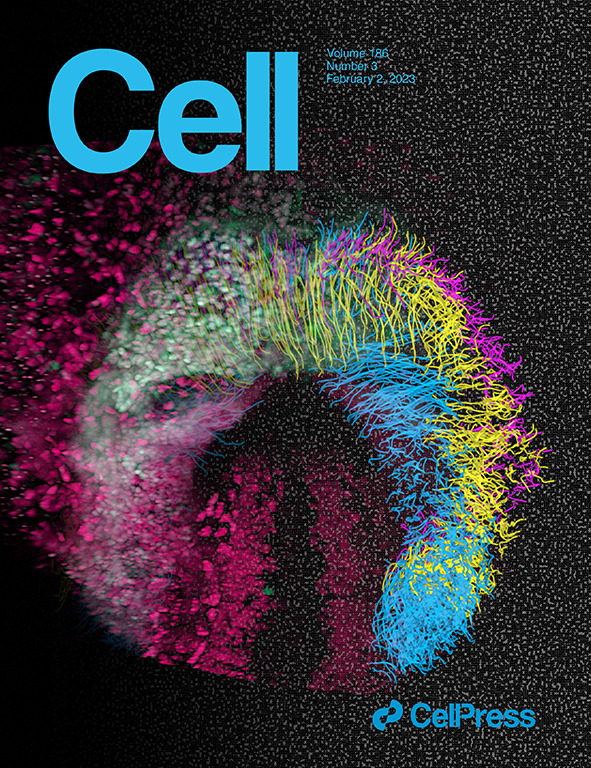
Congrats to my PhD student Kayla Mason!!
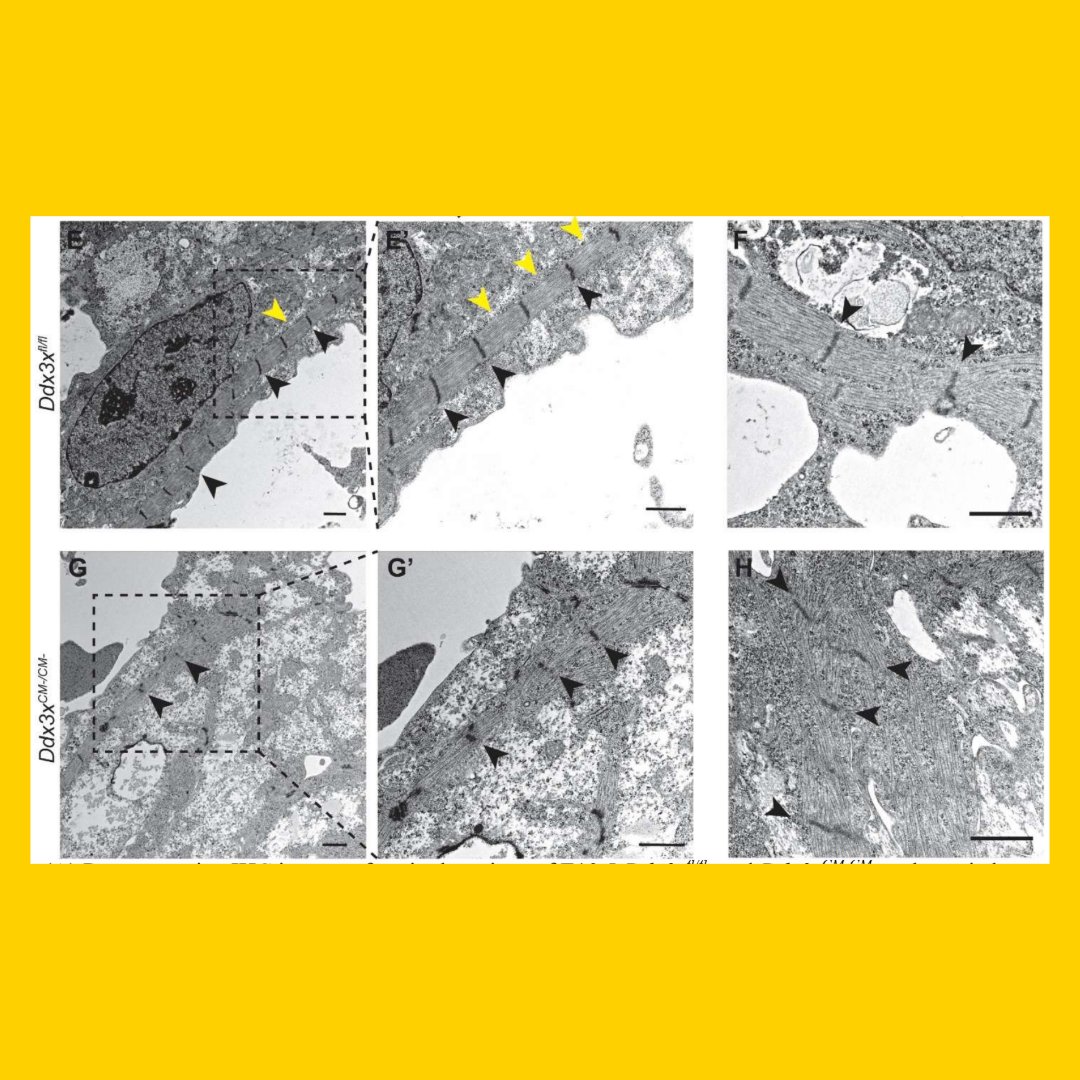
Scientists discover a genetic mechanism that protects the developing female heart.
https://t.co/W3C5QW0qXz
Scientific article: https://t.co/5Di32Eq6W7
#DDX3X#RNA#HeartDevelopment#CongenitalHeartDisease
RNA splicing meets heart development ❤️
Excited to share our latest in @NatureCVR: PCBP1 regulates AARS2 splicing, linking RNA-binding proteins to mitochondrial biology in the developing heart. #CardioResearch#Cardiomyopathy#RNAsplicing
https://t.co/UTRzZNjQxz
The long noncoding RNA CARDINAL attenuates cardiac hypertrophy by modulating protein translation: https://t.co/20JiKCDgQW
@harvardmed#Cardiology#Development
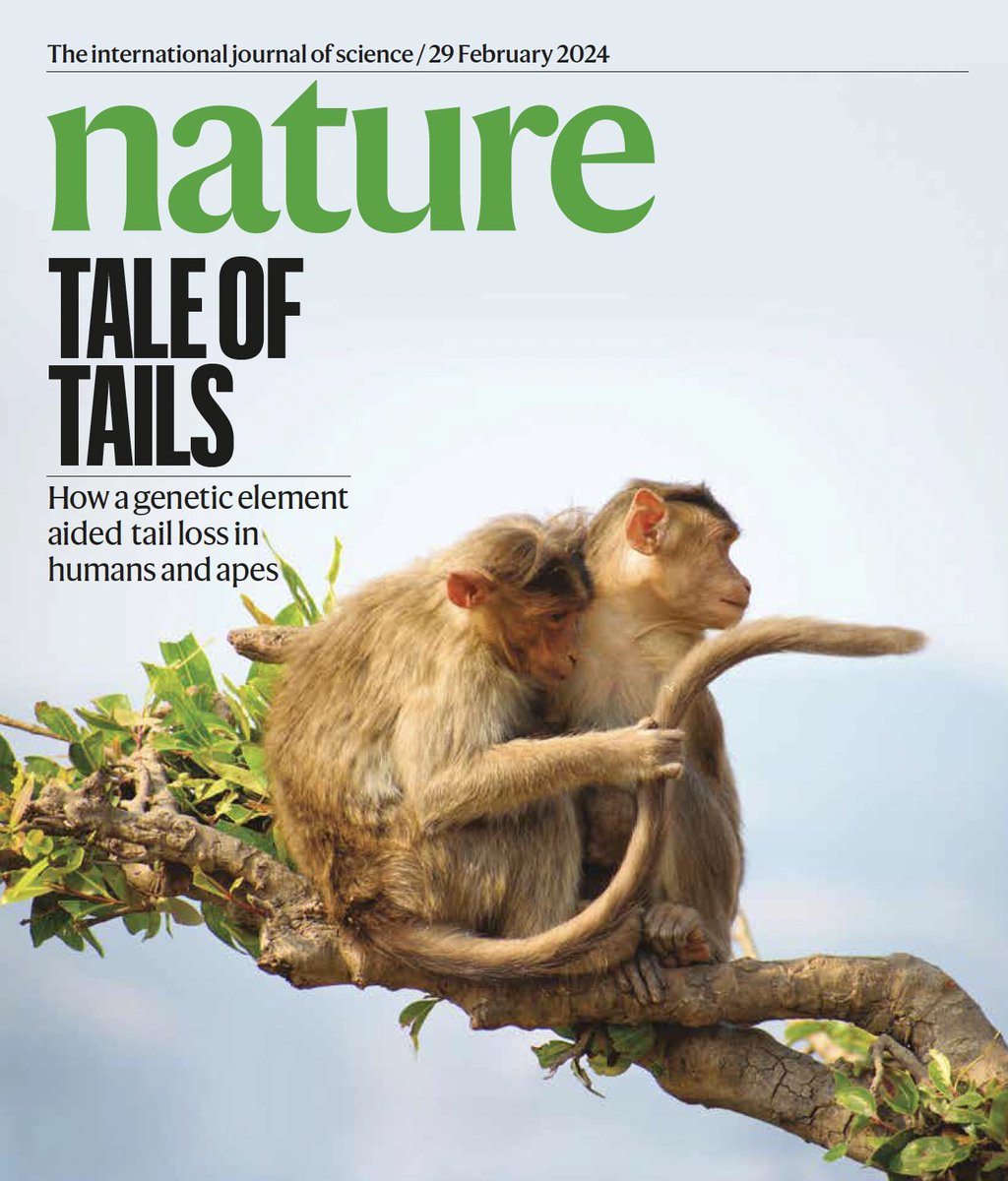
How did we lose our tail? A simple question.. but it wasn't really asked before! We discovered a plausible scenario for the genetic mechanism that led to tail loss. Amazing that such a big change may have been caused by such a small genetic event. https://t.co/0ZR8aH23PJ @BoXia7
I’m thrilled to announce the opening of the Lu lab today at the @KECKSchool_USC. My lab will study the mechanisms of cardiovascular development and regeneration. I'm hiring at all levels; please contact me if you want to join our group.
Excited to share our latest work, we found that deletion of a single allele of MRPS5 in mice results in elevated #cardiomyocyte proliferation and cardiac regeneration.
Somatic mutations accumulate in “normal” non-cancerous tissues (blood, skin, liver). But why are mutant clones selected? Do they merely proliferate more, selfishly? Or can clones adapt to disease? Could they protect tissues? We shed light on this: https://t.co/Vu1d4U3stc 1/10
Proud to have contributed to this collaborative work led by Feng Gao from Jinghai Chen’s lab. Through studying the heart defects caused by deficiency of mito-ribosomal protein MRPS5, we identified KLF15 as a key target repressed by metabolite L-phenylalanine-induced MYC.