Safely aligning a powerful AI will be said to be 'difficult' if that work takes two years longer or 50% more serial time, whichever is less, compared to the work of building a powerful AI without trying to safely align it.
Webb has delivered the strongest evidence yet that its discovery of mysterious Little Red Dots (LRD) are “black hole stars.” They appear starting ~600 million years after the big bang, and scientists are still working out exactly what they are. https://t.co/MIEwfifyzi
NASA just dropped preliminary mission plans for Artemis III, and there's SO much to talk about.
As a reminder: Artemis III is no longer a lunar landing. It's an Earth-orbit mission where the crew will test rendezvous and docking with both SpaceX's Starship HLS and Blue Origin's Blue Moon Mark 2 landers. Artemis IV in 2028 is the one that puts humans back on the surface.
SLS will fly without an interim cryogenic propulsion stage. Instead, NASA is building a "spacer" with the same dimensions and interface connections, but no propulsion. Smart, because this mission doesn't need translunar injection. Then the crew will run rendezvous and docking tests, maybe even board at least one of the test landers.
This is a big deal, because what Artemis III is really testing here is whether multiple commercial providers, NASA hardware, ground teams, and crews can all safely operate together as ONE integrated system. That's something you can't fully validate on the ground, and certainly not something you want to test for the first time as far away as the Moon!
The crew will also spend more time on Orion than Artemis II did, advancing life support, docking, and habitation evaluations. And the additional time spent operating these systems in deep space helps validate capabilities we'll eventually depend on for sustained lunar missions.
NASA is also asking industry to help close gaps in ground-to-spacecraft comms before Deep Space Network availability, AND there's an open call for international and commercial partners to fly CubeSats to Earth orbit on this mission. That opens the doors to smaller players to get in on the Artemis mission!
The big picture: Artemis III is the bridge between proving we can fly humans beyond Earth orbit (Artemis II) and putting them back on the surface safely (Artemis IV).
Because this is no longer a flags-and-footprints mission. It's the one where we start building the infrastructure to stay.
Concept image: NASA
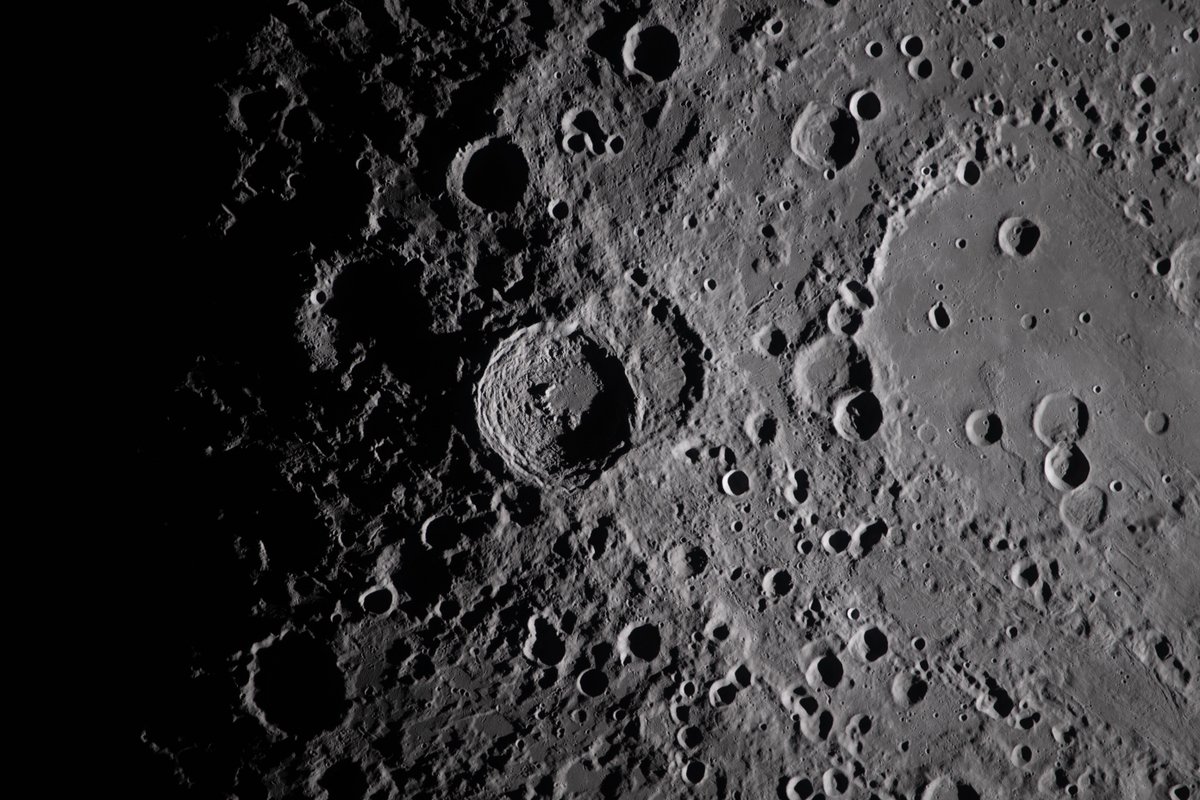
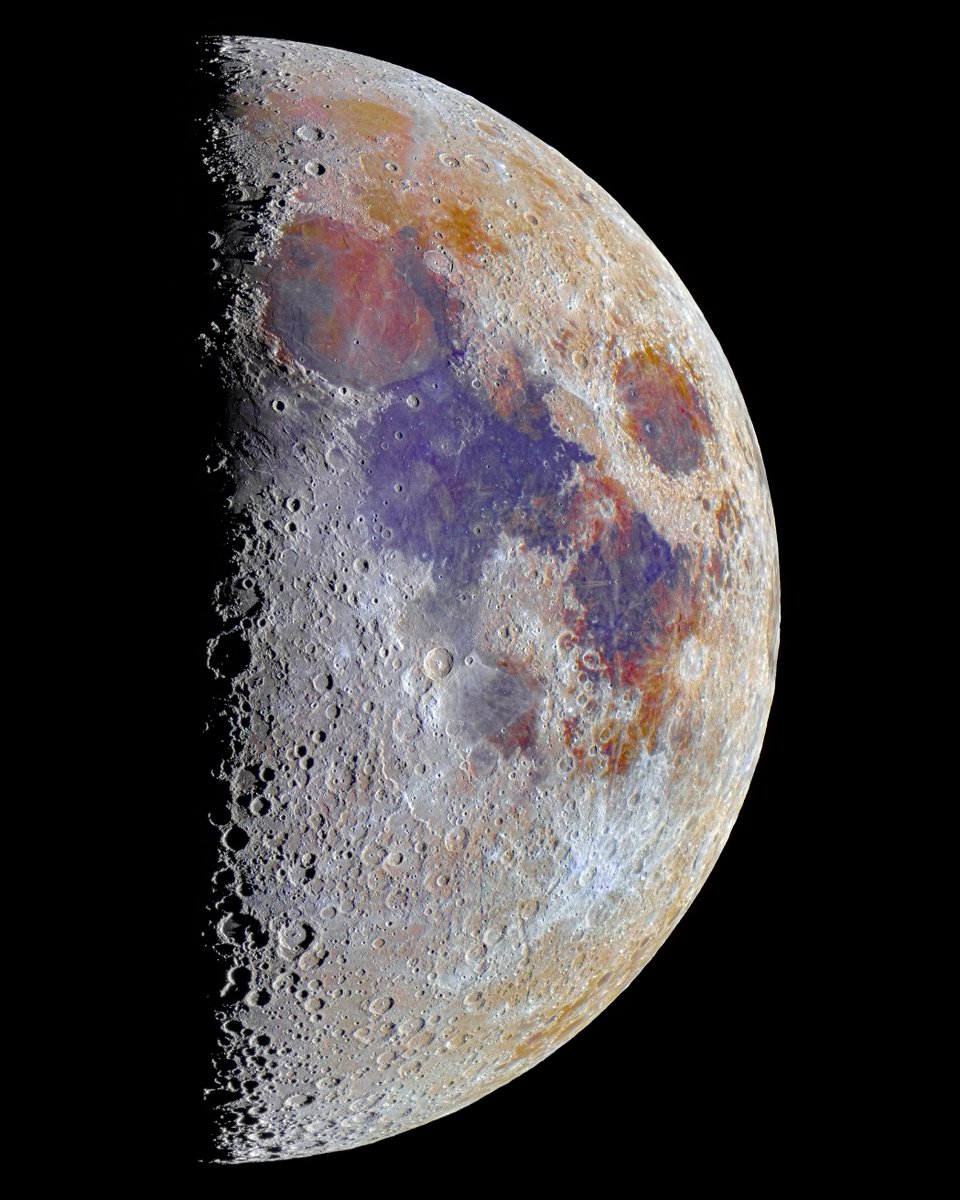
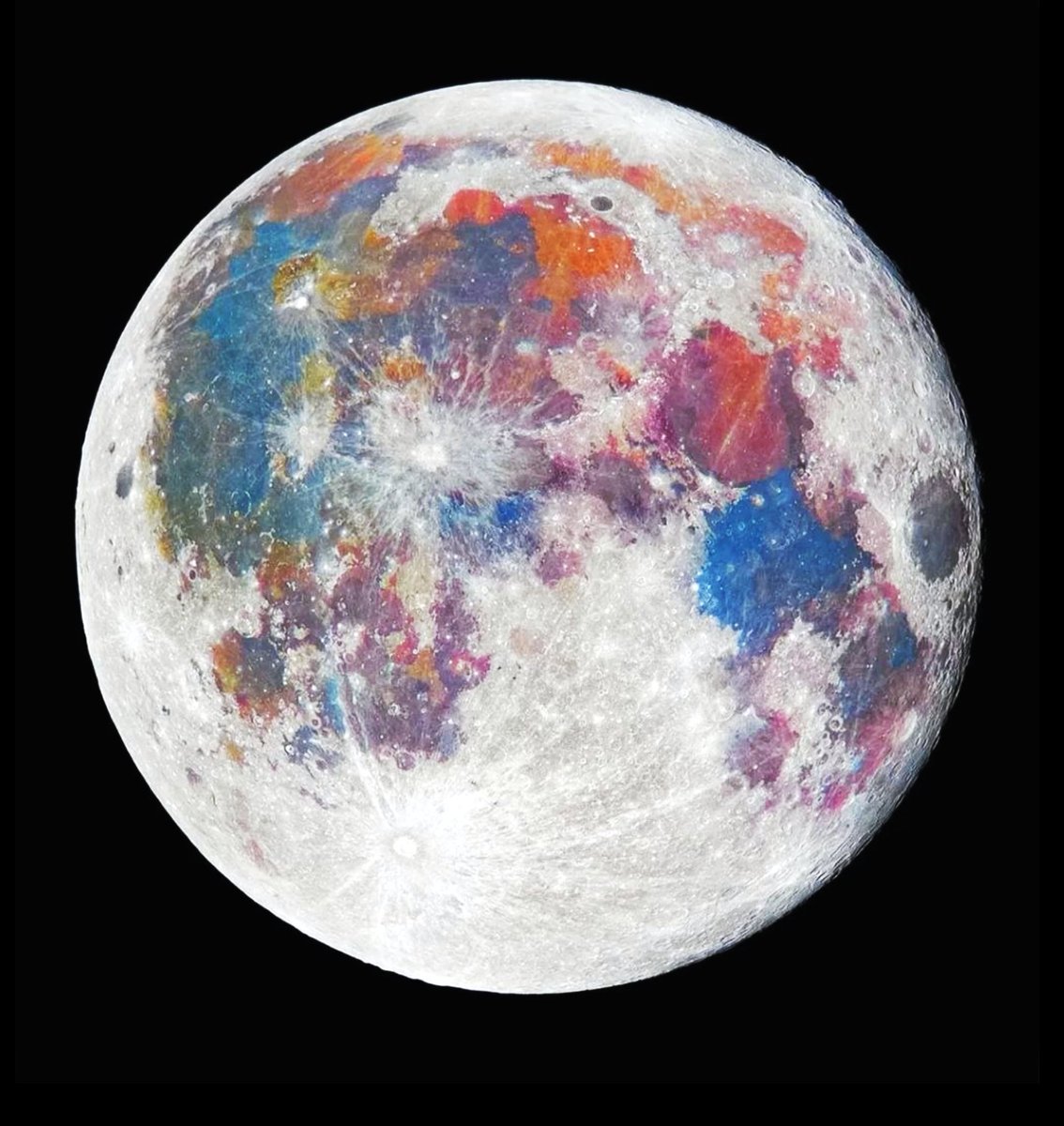
Processed from 50GB of raw data, this 50-megapixel "Mineral Moon" reveals the chemical composition of the lunar surface that the Artemis 2 crew will soon witness firsthand.
Hello, Moon. It’s great to be back.
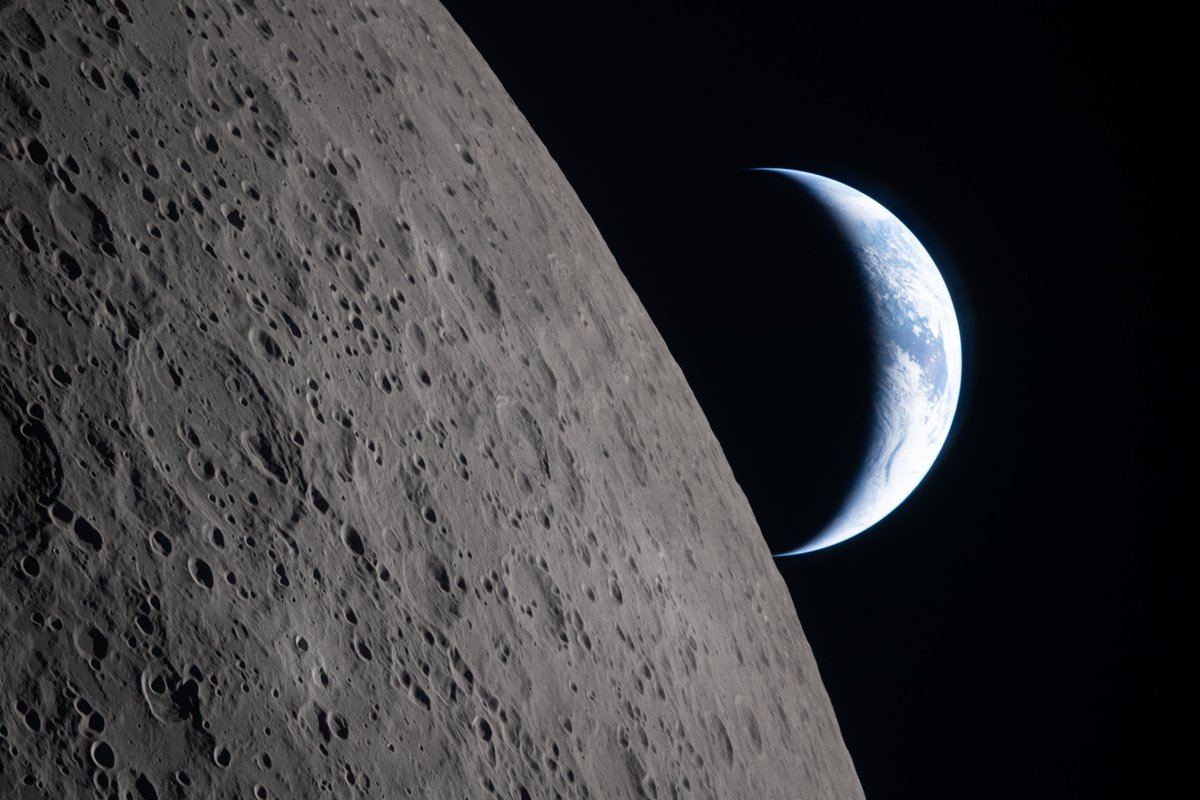
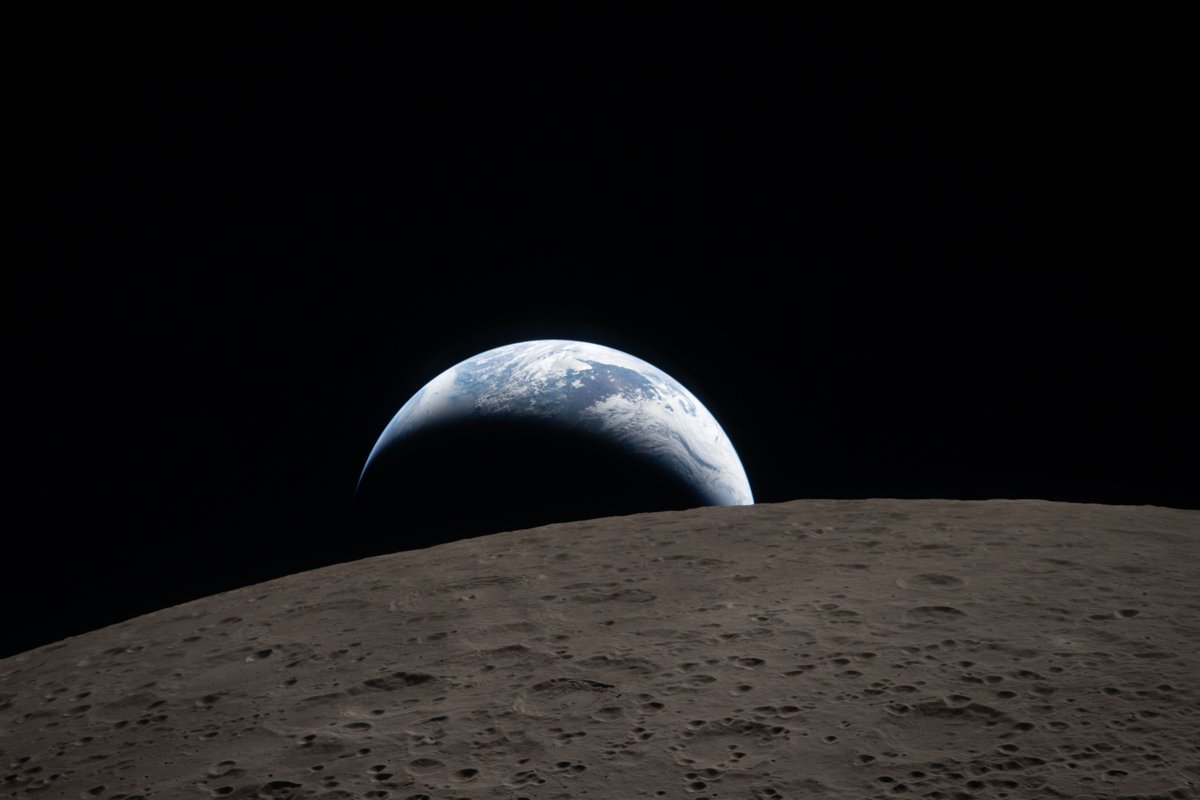
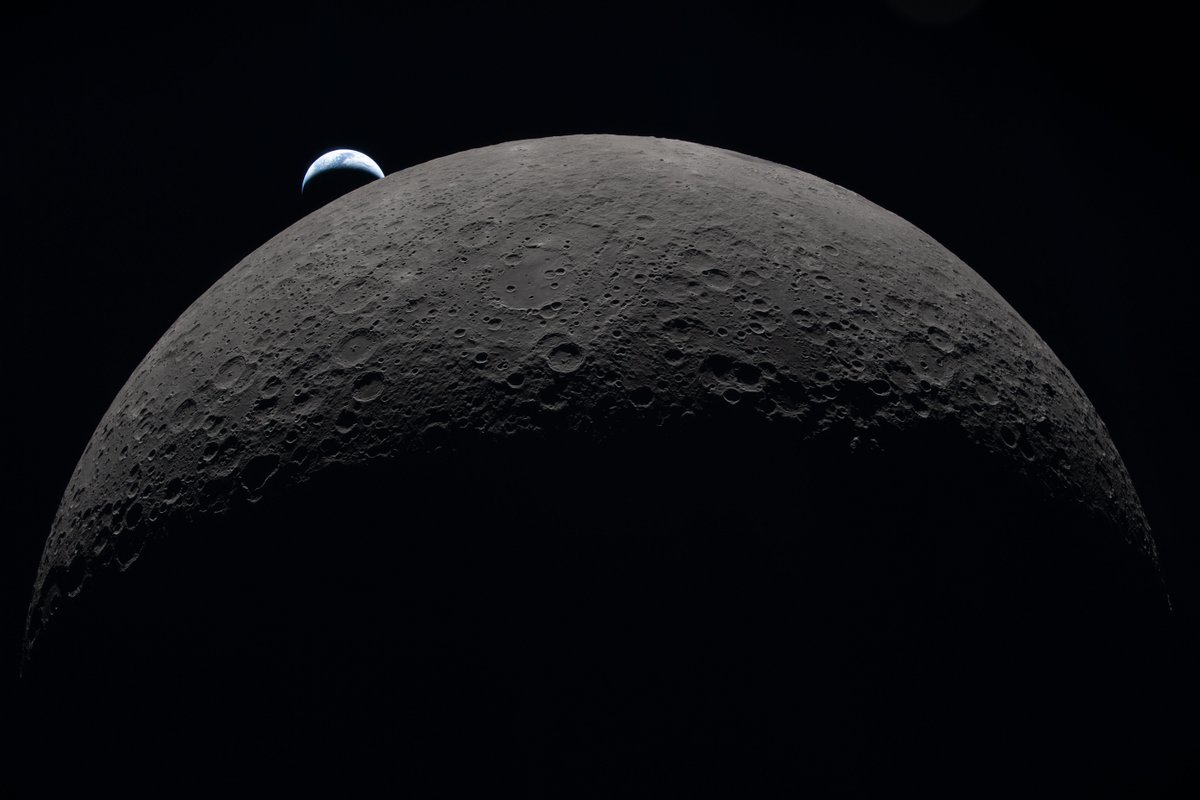
Here’s a taste of what the Artemis II astronauts photographed during their flight around the Moon. Check out more photos from the mission: https://t.co/rzM1P0QbOl
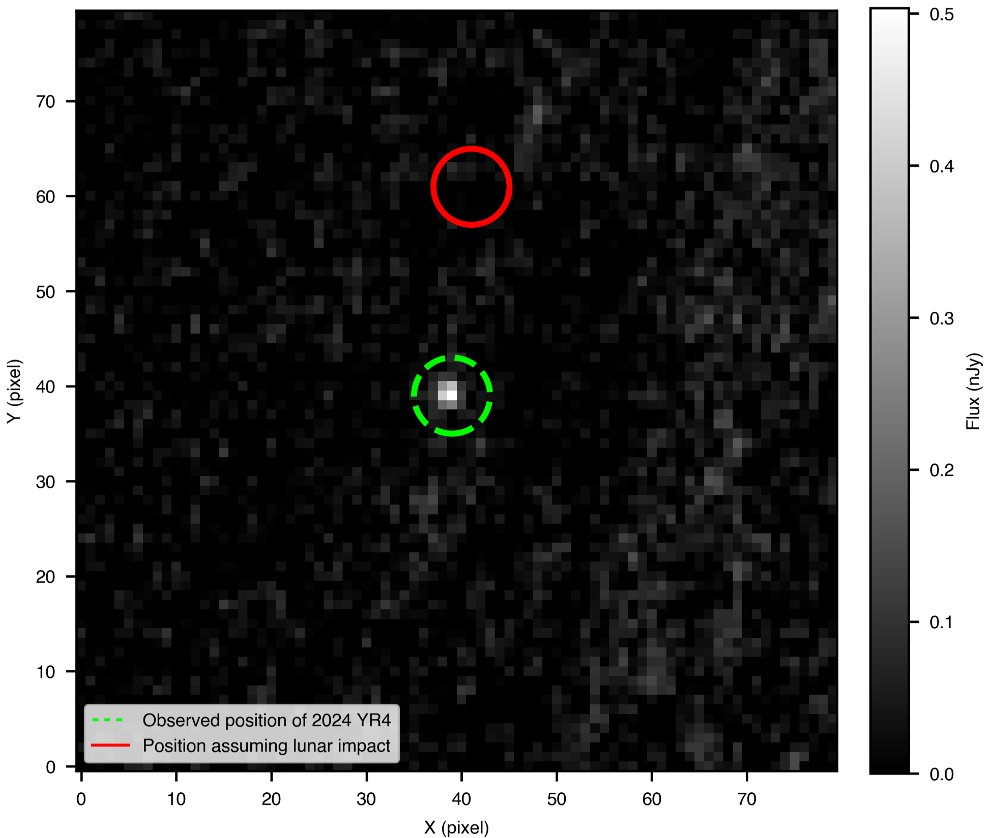
☄️We're happy to announce that on Dec. 22, 2032, asteroid 2024 YR4 will sail by the Moon at a distance of 13,200 miles based on new data from @NASAWebb. Our Planetary Defense Program has tracked this potentially hazardous asteroid since late 2024. https://t.co/9DP3Cui5m3
Webb may showcase the beauty of deep space objects, but it also plays a strong role in planetary defense applications.
Using Webb observations, experts accurately measured the size and orbit of asteroid 2024 YR4 and confirmed it will not impact our Moon in 2032. https://t.co/yUKXte5u36
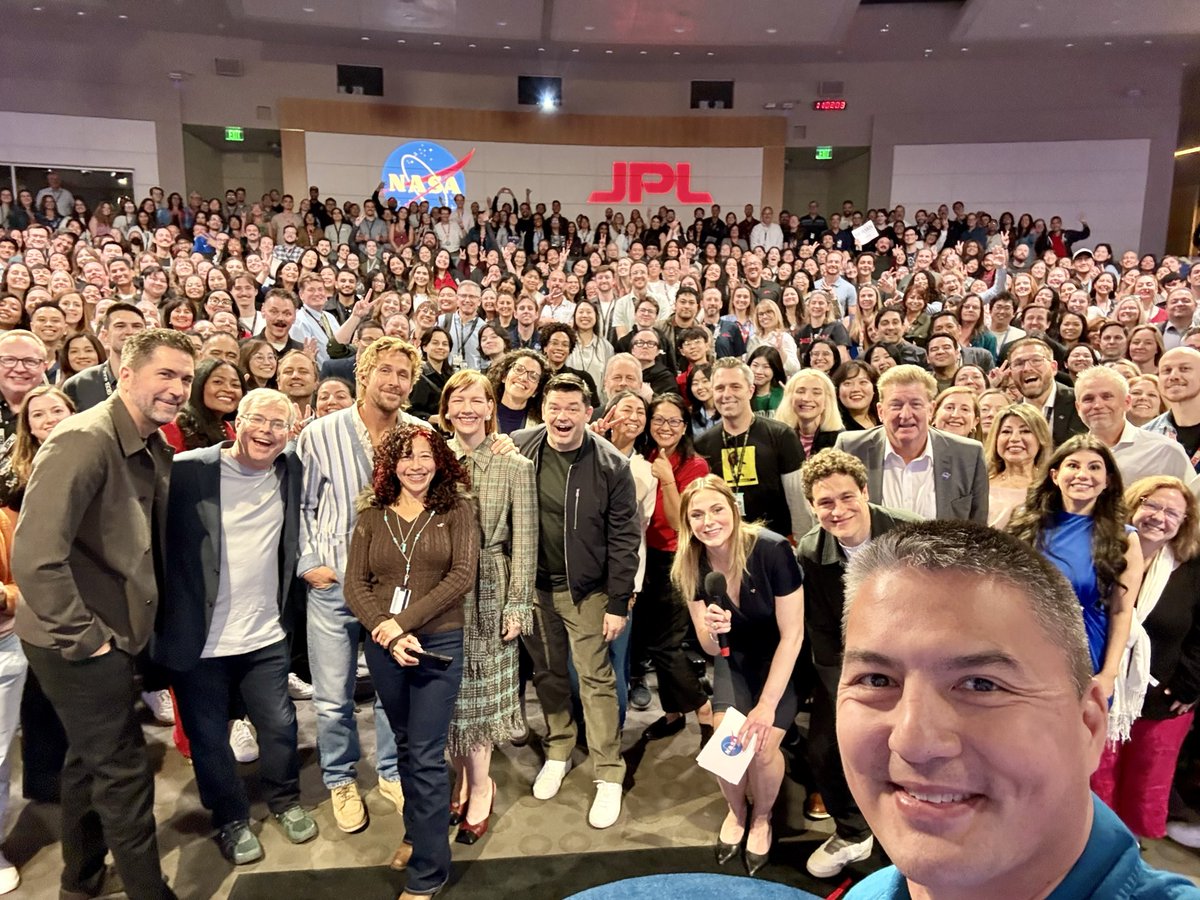
The team behind “Project Hail Mary” visited @NASAJPL to talk about their experience making the movie and the impacts of science storytelling. During filming, NASA’s @astro_kjell shared insights with actor Ryan Gosling on the realities of human spaceflight and microgravity.
@MerriamWebster I'm pretty sure I'd never seen anyone spell it "shoo-in" until seeing this. I'd always thought it was "shoe-in" but wondered why. Was it a Cinderella reference or something like that about a perfectly-fitting shoe? No, apparently it's "shoo-in" and no one told me until now!
That's the thing: any nontrivial code has to interact with the outside world, and the outside world isn't static, it's *dynamic*. The outside world busts through the assumptions made by software authors *all the time* and every time it does, the software needs to be fixed.
16/
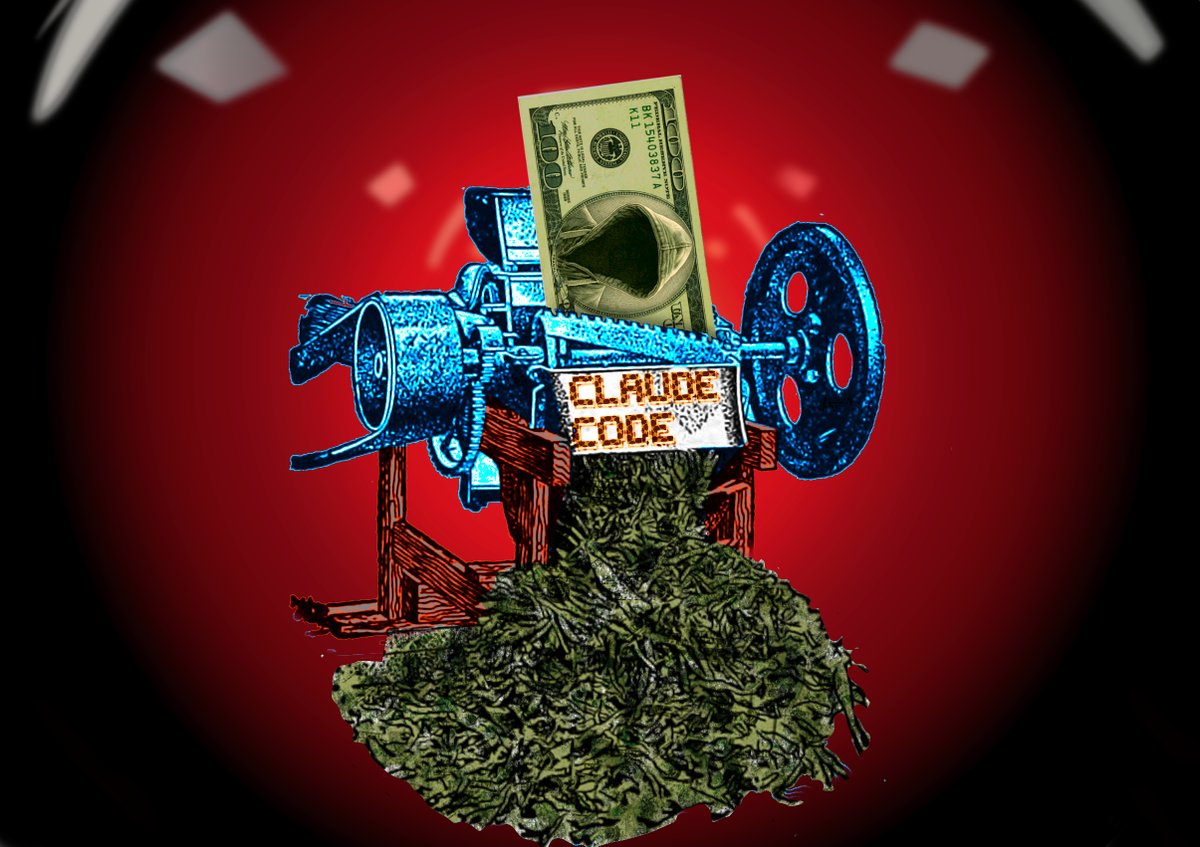
Code is a liability (not an asset). Tech bosses don't understand this. They think AI is great because it produces 10,000 times more code than a programmer, but that just means it's producing 10,000 times more liabilities.
1/