We found red crown rot in WI in 2025 in one county. Not widespread, but study up here so we can work together to track and manage this new disease of soybeans.
“Fungicide applications remain an effective tool for reducing white mold levels if applied between the R1 and R3 growth stages.
Not all fungicide products are equally effective at controlling white mold, with Endura® remaining the most effective product if applied between the correct growth stages.”
From the @PlantDiseaseJ article https://t.co/2Fq2gPRUZY by @BisonBeanDoc@mitch_roth12@dsmuelle@MartinChilvers1@DTelenko@SpartySpudNBeet@badgerbean@badgercropdoc +more #soybeans #whitemold #grow25 #agtwitter #agx #USSoy
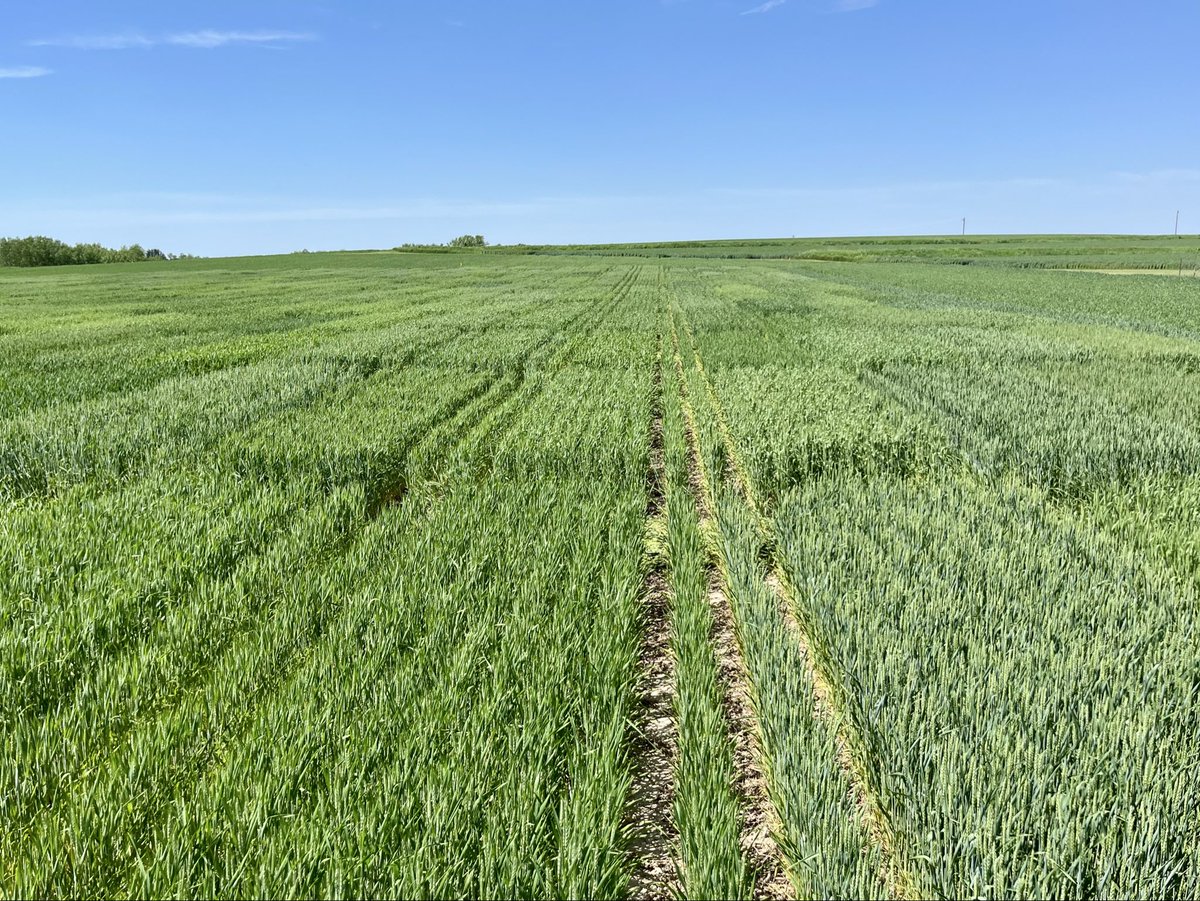
Check your winter wheat variety for flowering. It may be go time to make those applications of fungicide for management of Fusarium Head Blight! @badgercropdoc
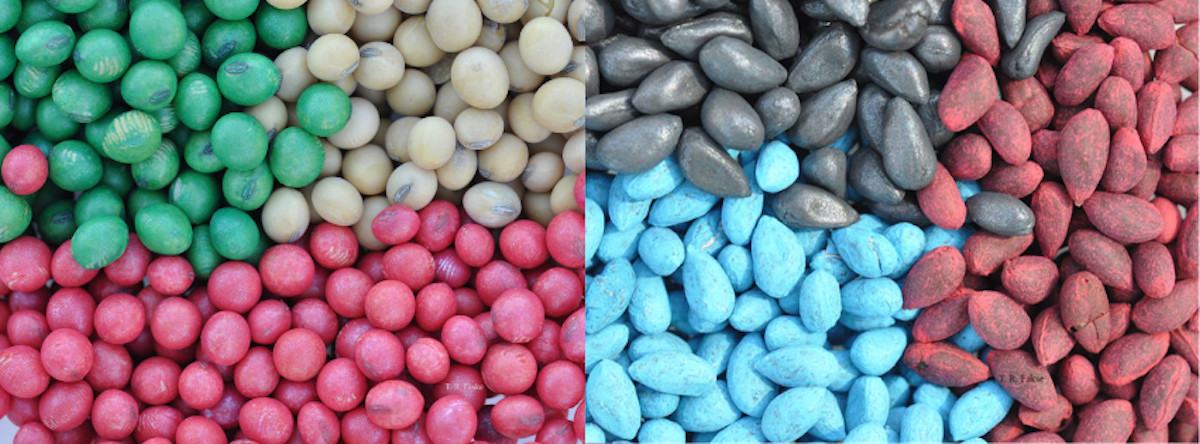
In general, chemical nematicides move more readily in coarse-textured soils than fine-textured soils, assuming adequate water infiltration.
As a result, chemical nematicides often have a larger zone of root protection in coarse-textured soils than in fine-textured soils such as silts and clays.
Moreover, the zone of protection is more vertical like a “chimney” to protect the developing taproot rather than horizontal to protect lateral roots.
Therefore, seed-applied nematicides typically work better in strongly tap-rooted crops such as cotton and soybean compared to fibrous root systems like corn.
Read more in "How Seed-Applied Nematicides Work" at https://t.co/Wix4v46A5E.
From @travisfaske@MartinChilvers1@badgercropdoc@CFAES_OSU & @CUESNews. Funded by @CottonInc.
@UFcropnematodes@UFEntNem@UCDavisEntomolo@NematodeGuy #cotton #soybean #nematodes
Cut alleys in Waterloo today. Just a few flowers showing, but majority is not there yet. Make sure you’re scouting and applying fungicides as labeled and needed! @badgercropdoc wrote this article to ponder over. https://t.co/P89FtBrIpf