Regular sleep/wake times - more important than how long you sleep.
A near 50% reduction in mortality risk for the most regular sleep schedules.
EVERYTHING:
‣ Mitochondrial function
‣ Hormones
‣ Heart function
‣ Digestion
is dictated by consistent circadian rhythm!
@Hudl@HudlSupport
Please please don’t get rid of HUDL classic…
Was on the phone with a professional, he did a good job, but…
Coaches get ready, HUDL classic is going away.
Dark days and bright nights wreck your innate immune system and create chronic, low grade inflammation.
This paper lays it all out.
Your circadian system controls leukocyte trafficking, cytokine production and inflammatory responses. When disrupted (by artificial light at night/ALAN, shift work or social jet lag and flattened circadian rhythm from darker days), you get rewarded with chronic low grade inflammation and weakened immunity.
Artificial light at night, EVEN DIM LIGHT at night (less than 5 lux) suppresses melatonin, desynchronizes clock genes (BMAL1, REV-ERBα, CLOCK, PER/CRY) in your master clock the SCN and peripheral immune cells, impairs monocyte/T-cell rhythms and boosts inflammatory cytokines (↑ IL-6, TNFα, IL-1β).
When you do this chronically (dark days bright nights) you create LPS induced inflammation, accelerate atherosclerosis (more macrophage infiltration), promote tumor growth/metastasis (lower NK cells) and increase infection susceptibility. Genetic clock knockouts (e.g., Bmal1 deficiency) amplify ROS production and blunt antioxidant defenses (NRF2).
What does all that really mean?
You decrease immune efficiency or power and get a higher cancer risk and poorer outcomes in infections.
So what can you do to fix this?
Follow the Blue Light Diet principles of course duhhh
Realize artificial light at night is immune system poison and block ALL blue/artificial light shortly after sunset (full blue blockers and redish night coded bulbs and low lux night light or no screens) to protect melatonin and immune cell rhythms.
Maintain strong light and dark consistency at the appropriate time (bright days and dark nights). Take multiple sun breaks throughout the day and use blackout curtains at night if you must (see my fav in the reply below).
Anchor with strong morning light. Get sunlight or red/NIR and Bright light therapy within 30 to 60 min of waking to reset your SCN and downstream immune clocks.
Eat with the sun or practice chrononutrition. Daylight only eating window to further support immune and metabolic rhythms. Dont eat when its dark.
Check out my fav tools below ok bye
Just one week of sleeping under 6 hours a night altered the expression of 711 genes.
These were tied to immune function, stress responses, and circadian regulation.
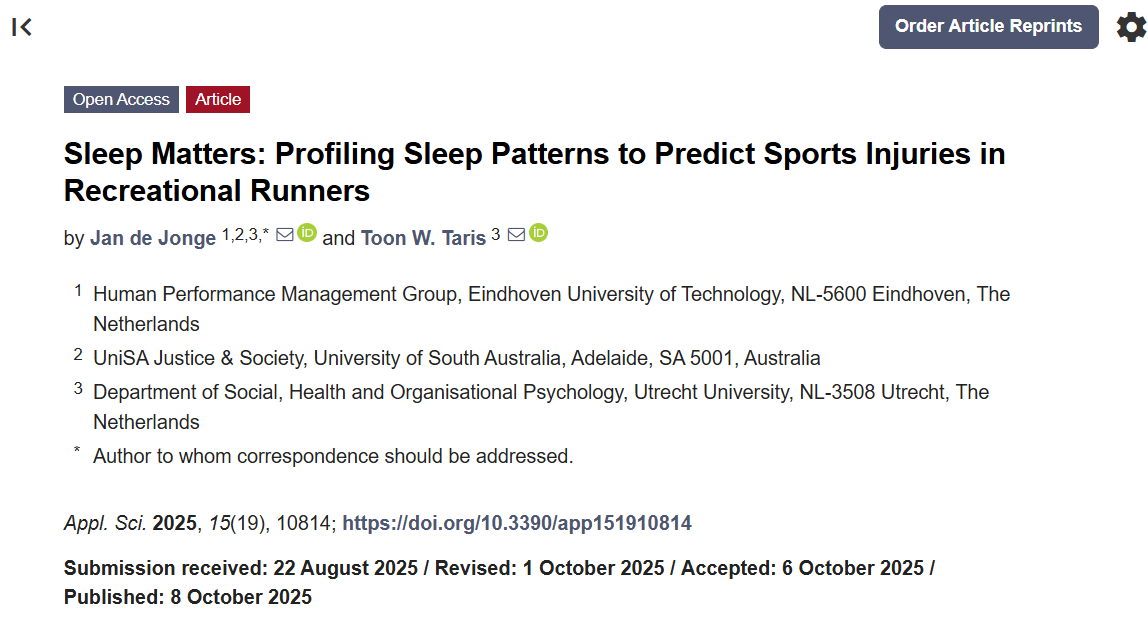
"Poor Sleepers were significantly more likely to report sports injuries than Steady Sleepers, with 68% injury probability."
Study utilized 425 recreational (novice & experienced) runners; 57% male/43% female
https://t.co/lgWwPmlEHs
Replacing artificial office light with natural daylight improves glucose and fat metabolism.
Adults who were exposed to natural daylight during office hours (by sitting near a window) spent 8% more time in a normal glucose range than when they were exposed to artificial, static "office lighting" during the day, even when average daily glucose levels weren't different.
Natural light also shifted metabolism toward greater daytime fat oxidation (less reliance on carbs), especially around lunchtime.
And in muscle, it reset skeletal muscle clock genes, which are key regulators of metabolic function, shifting their peak activity nearly an hour earlier. All of this occurred without any change in diet, meal timing, physical activity, or sleep.
Adjusting just one environmental factor, daytime lighting, measurably altered glucose regulation and daytime fuel metabolism within a week, underscoring the profound impact aligning our circadian rhythm has on metabolism.
🚨STUDY: Sunlight Penetrates Through the Human Body — Rapidly Improves Mitochondrial Function and Vision
Just 15 minutes of fully clothed infrared sunlight exposure triggered systemic effects and measurable improvements in vision among study participants.
Get sun.
Sunglasses worn too much rob your brain of photons. Stanford’s Dr Tony Wyas-Coray (scientist identifying proteins to rejuvenate tissues). Note (before the Ophth. folks blow a gasket) in the full context, we discussed UV exposure and cataract, etc. times when UV is low.
💤Researchers found that prescription stimulants for ADHD act on brain networks that control wakefulness and reward, but not attention as previously thought. The study suggests that stimulants and additional sleep affect the brain in similar ways, and that getting enough sleep could help in managing #ADHD.
Learn more: https://t.co/85qfxSIjUN
#ResearchMatters