Want to hear about the latest updates/new techniques in single cell and spatial genomics? Check out my lab's eighth annual Single Cell Genomics Day on March 29. Keynotes from @IdoAmitLab@JD_Buenrostro and Xiaowei Zhuang. Please RT/spread the word! https://t.co/zG98gkckMU
How does #COVID19 affect the human liver at the cellular level?
Many (even mild) patients have elevated liver markers.
We observe an avalanche of expression & cellular changes, & hepatocytes with SARS-CoV-2 RNA using single cell and spatial transcriptomics
https://t.co/IDluj5sxR5
In a large international sequencing effort, researchers have identified 10 new genes that elevate or lower a person’s risk of #CrohnsDisease, a form of inflammatory bowel disease. https://t.co/YLyKyC166J
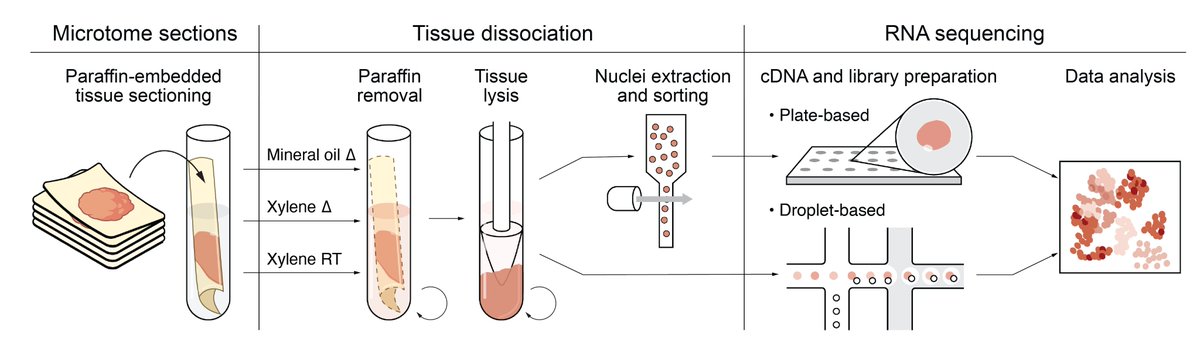
Profiling the molecular heterogeneity in diverse patients is key to precision medicine & therapeutics. But single cell methods need fresh/frozen tissues (hard to scale), while FFPE tissues are routinely collected. We share single nucleus RNA-Seq for FFPE:
https://t.co/jeozRrNDC0
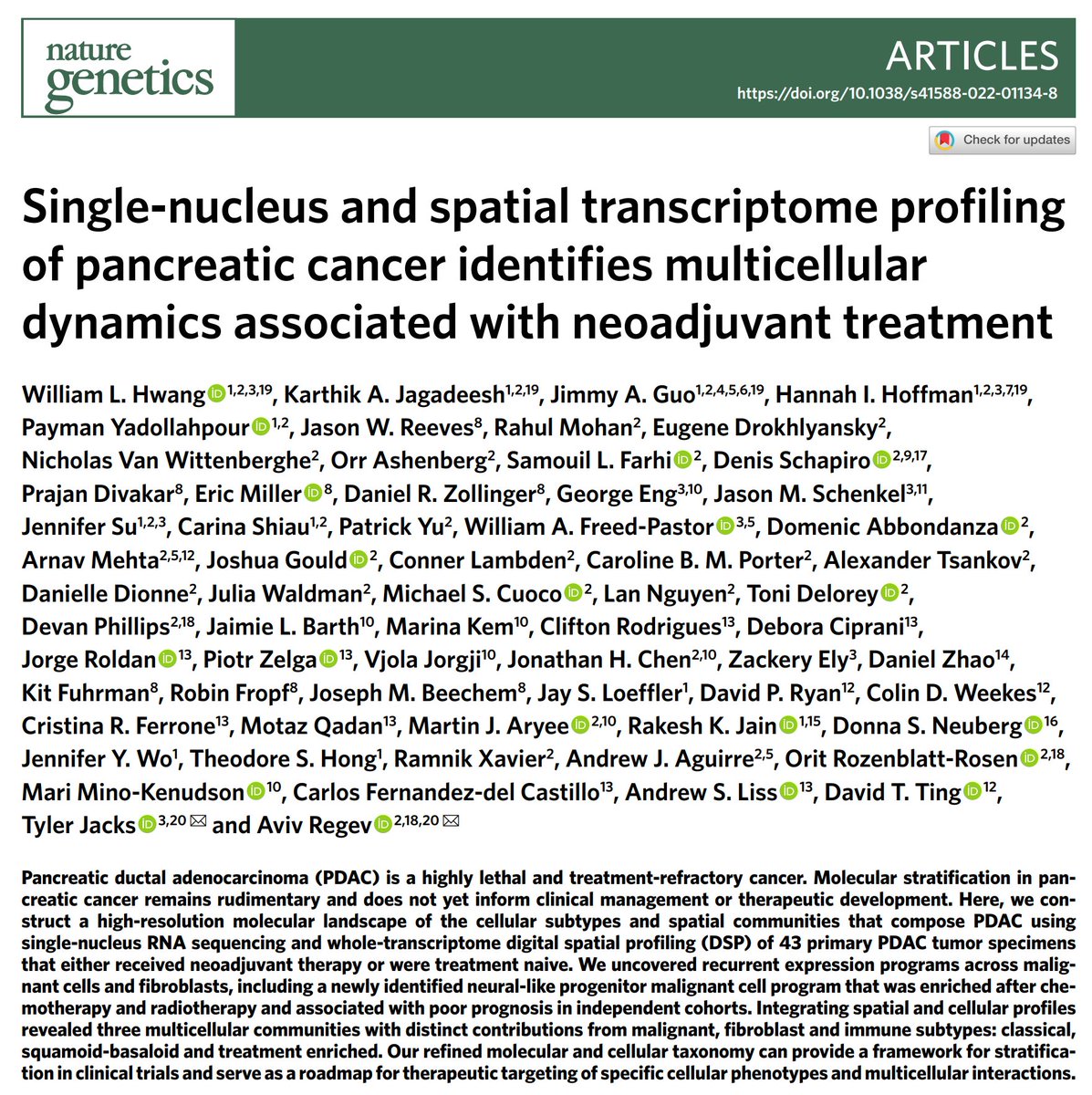
Our study on single-nucleus and spatial profiling of pancreatic cancer was published today @NatureGenet and will be the cover story in the August issue: https://t.co/stMOT1NZYc.
We've released an Azimuth API that lets you process, map, and annotate your scRNA-seq dataset with a single R command. Just needs the raw counts matrix as input, and accepts Seurat objects, AnnData (h5ad), or hdf5 files.
Check out the vignette at: https://t.co/1ZF9cIG0rM
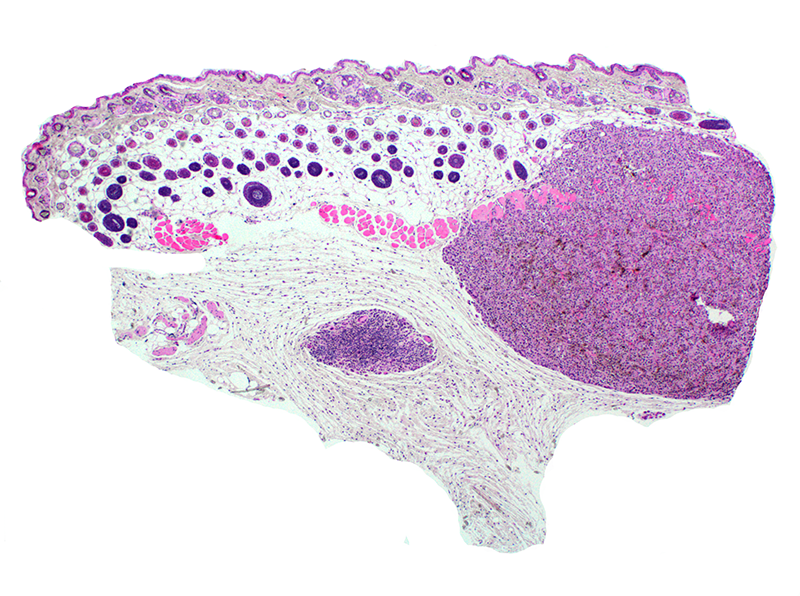
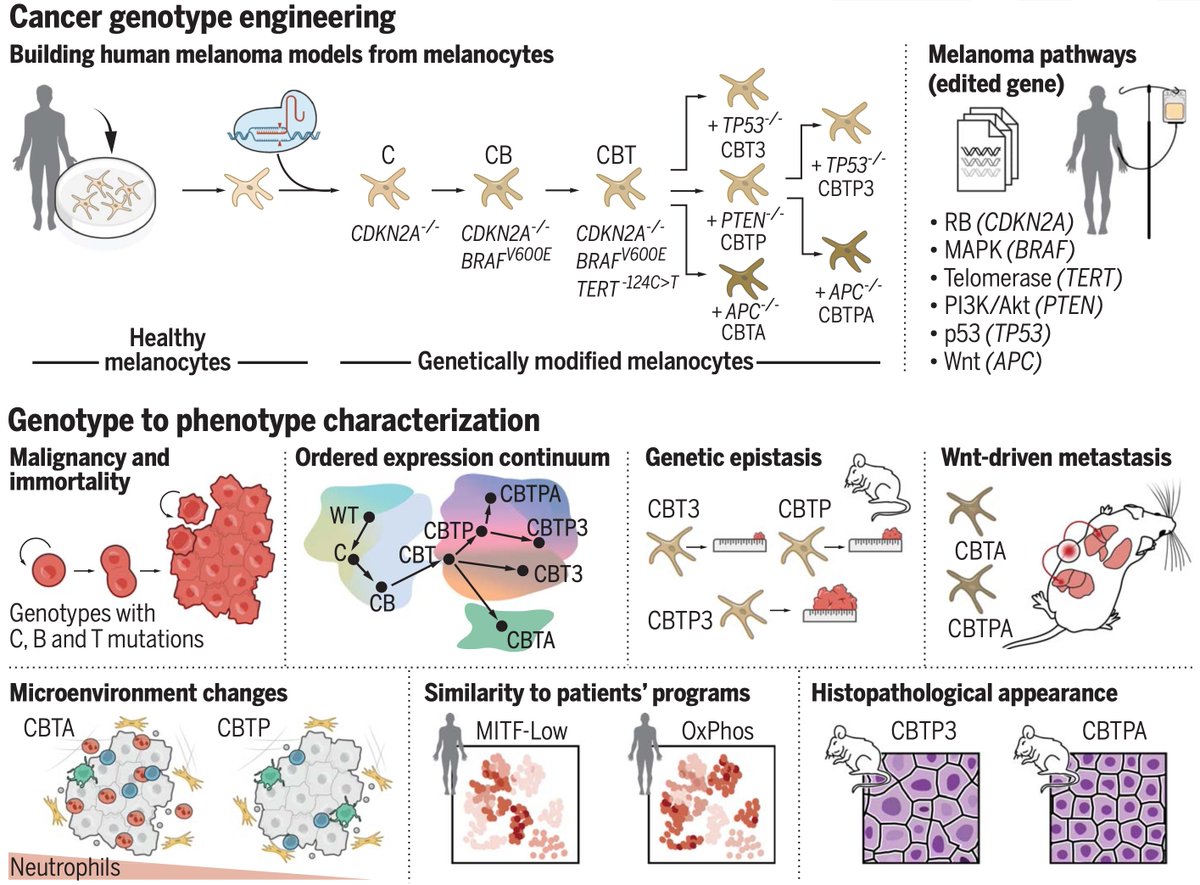
Using #CRISPR, Broad scientists have built new models of melanoma, the deadliest skin cancer. The findings not only shed light on key mutations in melanoma, but also suggest a new way to study the role of specific genes in other cancers. https://t.co/XHEzmlztQa
How does a skin cell become melanoma? We built one to find out, to help understand this lethal disease. https://t.co/LmH13QCvGy @ScienceMagazine W/ co-1st @ele_tt, @johnkwon71, & senior author Aviv Regev. Early years joint w/ @LeviAGarraway. And many others in last tweet! 🧵 1/18
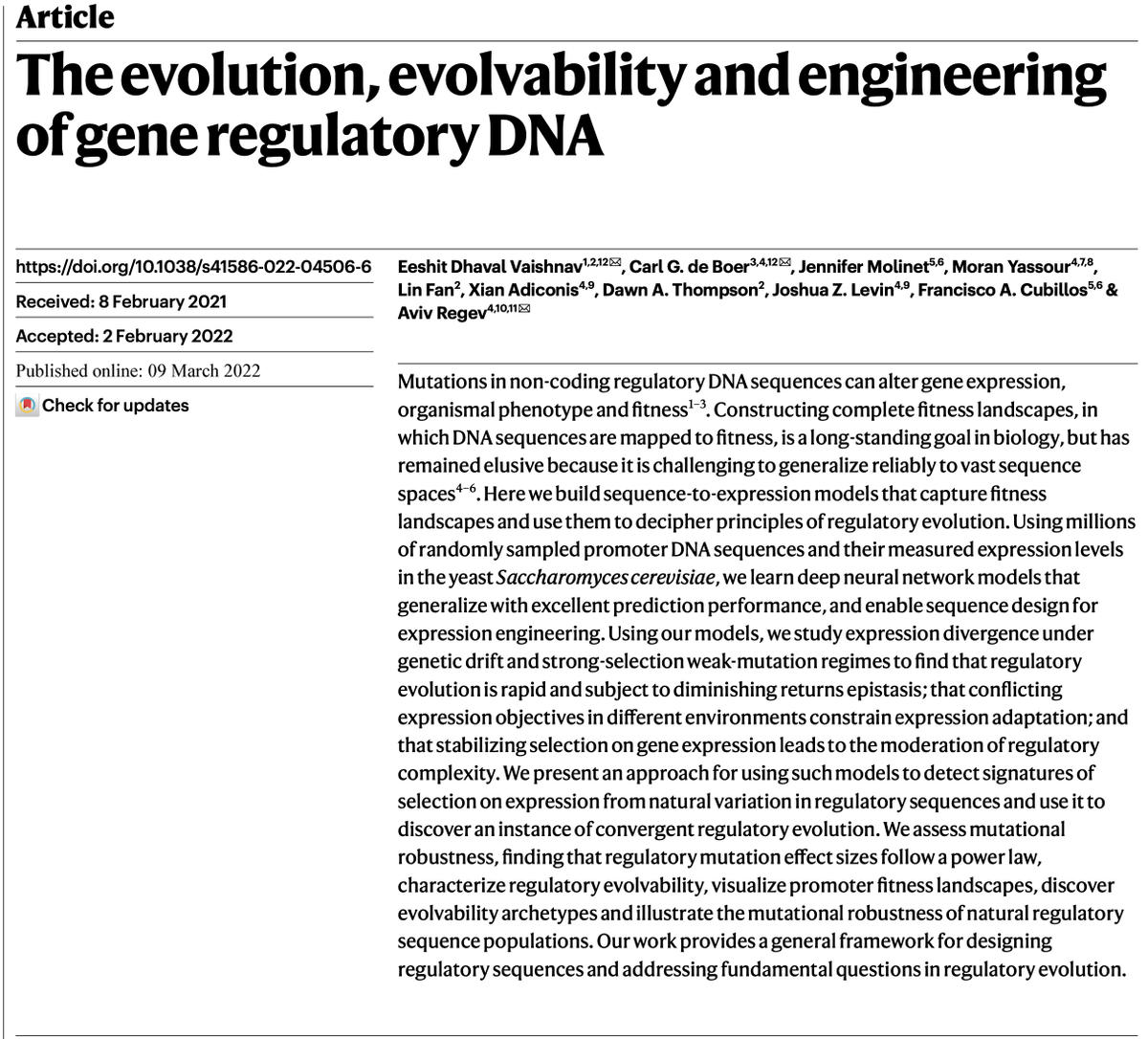
'The evolution, evolvability and engineering of gene regulatory DNA'
Our paper(https://t.co/5BuxYHByXV) presents a general framework for understanding and designing gene regulatory DNA sequences, built around an ‘oracle’ that predicts gene expression given a DNA sequence. 1/n
Our @Nature paper is now online:
Paper: https://t.co/5BuxYHByXV
Code: https://t.co/kF0TDfoe4D
Data: https://t.co/sR5Tm1RnpO
App: https://t.co/gWHfihK2Ta
My most sincere thanks to Prof. Aviv Regev, @CarldeBoerPhD, @MIT, @broadinstitute and our collaborators
Our second paper in two days! Now - we present 3D spatial Transcriptomics in rheumatoid arthritis patients #3DST#spatial#transcriptomics https://t.co/LO1xMQbrU5