I'm very happy to have our #endogenous#SkM#EV paper out in @AJPCellPhys. https://t.co/VMPHd2xH2P A beautiful piece of art inspired by our paper (by Andrew Crowe) was selected for the cover. A 🧵 about the science (and our growing pains as a new lab in a new (to us) field)...
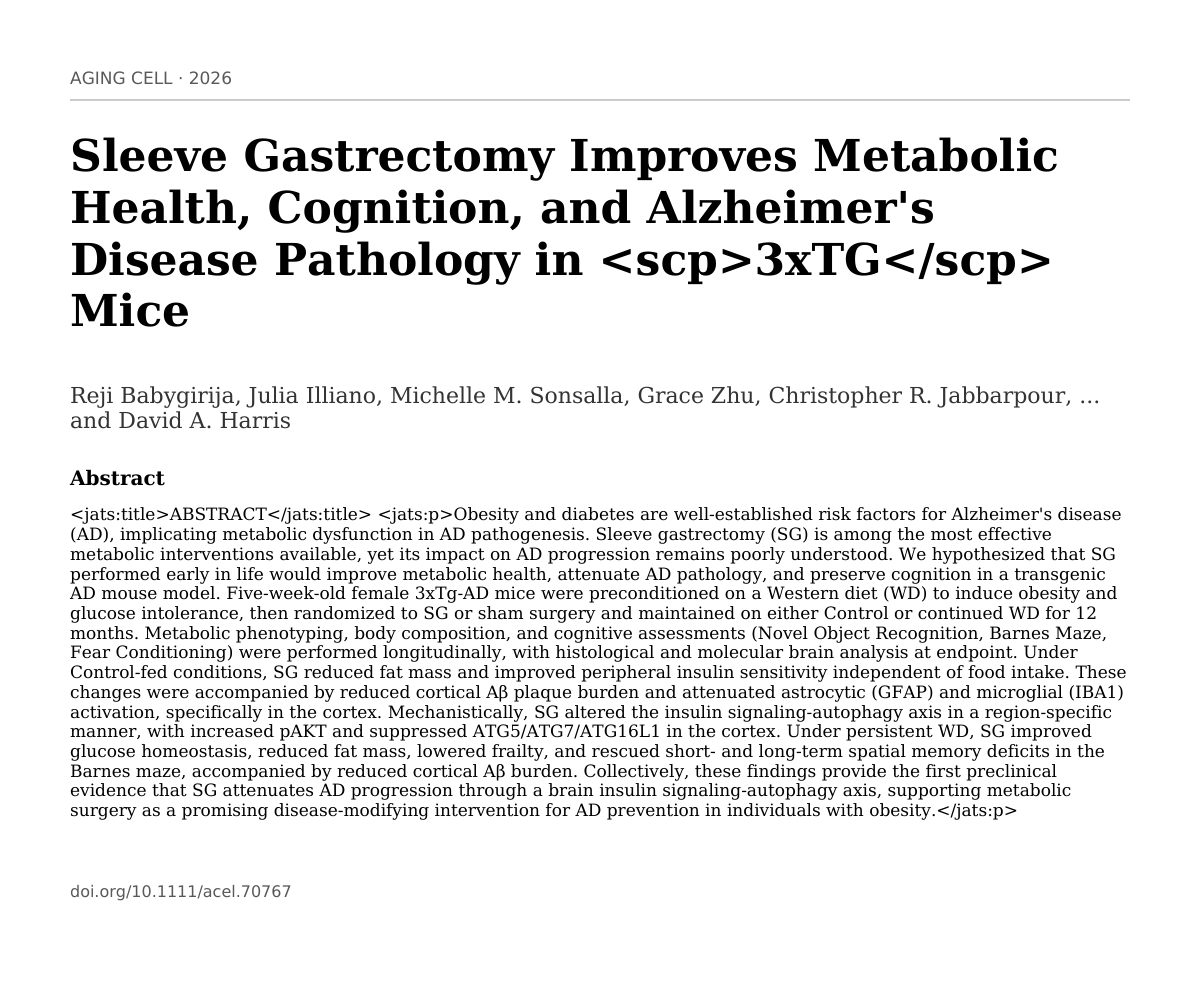
Sleeve gastrectomy in 3xTG mice not only improves metabolic health but also attenuates Alzheimer’s pathology and preserves cognition. This suggests that early metabolic intervention can have profound, long-lasting effects on neurodegenerative outcomes.
https://t.co/niPiiZggmQ
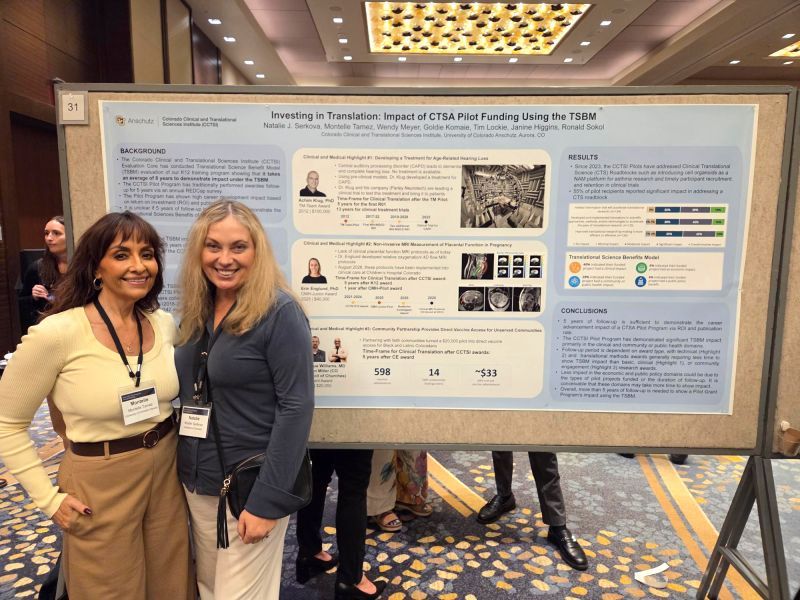
CCTSI Pilot Projects lead to new diagnostic tools and treatments that improve healthcare. Nearly $7M in pilot #funding helped researchers secure over $131M in follow-on funding. We shared these results at an NIH @CCOS_CTSA meeting. Thank you to our program team and awardees!
Today, the MitoCarta Tree of Life Consortium (MitoTOL) is releasing high-accuracy mitochondrial proteomes across diverse eukaryotes to empower studies of physiology, evolution, and disease:
https://t.co/hRt6ZG4lQP
All data can be accessed at:
https://t.co/oPFODZBQ60
Most exercise and aging studies can't answer a basic question: is muscle deterioration from aging itself, or just from decades of moving less? A new Nature Aging study solved this by recruiting older adults who moved as much as people in their twenties.
The researchers from Amsterdam UMC and Maastricht University recruited four distinct groups: young adults in their twenties, older adults whose daily step counts and high-intensity activity matched the young group, older adults who had trained consistently for years (three structured hour-long sessions per week for over a year), and older adults with early physical impairment.
They took muscle biopsies before and after a one-hour cycling session, then measured over 24,000 gene transcripts, 135 metabolites, and 1,383 lipid species.
By matching activity levels between young and older groups, any molecular differences couldn't be blamed on the older adults simply moving less. This isolated aging from inactivity for the first time at this molecular depth.
Key findings:
• The defining molecular signature of muscle aging is an energy crisis. Comparing young adults to activity-matched older adults, 1,106 genes were downregulated with age. These genes build the mitochondrial machinery that produces cellular energy: ATP synthase, cytochrome c oxidase, and NADH dehydrogenase subunits. Mitochondria are the power plants of cells, converting nutrients into ATP, the energy currency cells use to function. When these genes decline, cells lose their ability to generate energy efficiently.
• NAD+ levels declined and triglycerides accumulated inside aging muscle. NAD+ is a molecule required for energy production and cellular repair. Lower NAD+ means less capacity to convert fuel into usable energy. Triglycerides are stored fats, their accumulation inside muscle indicates unburned fuel piling up as the tissue loses its ability to process it.
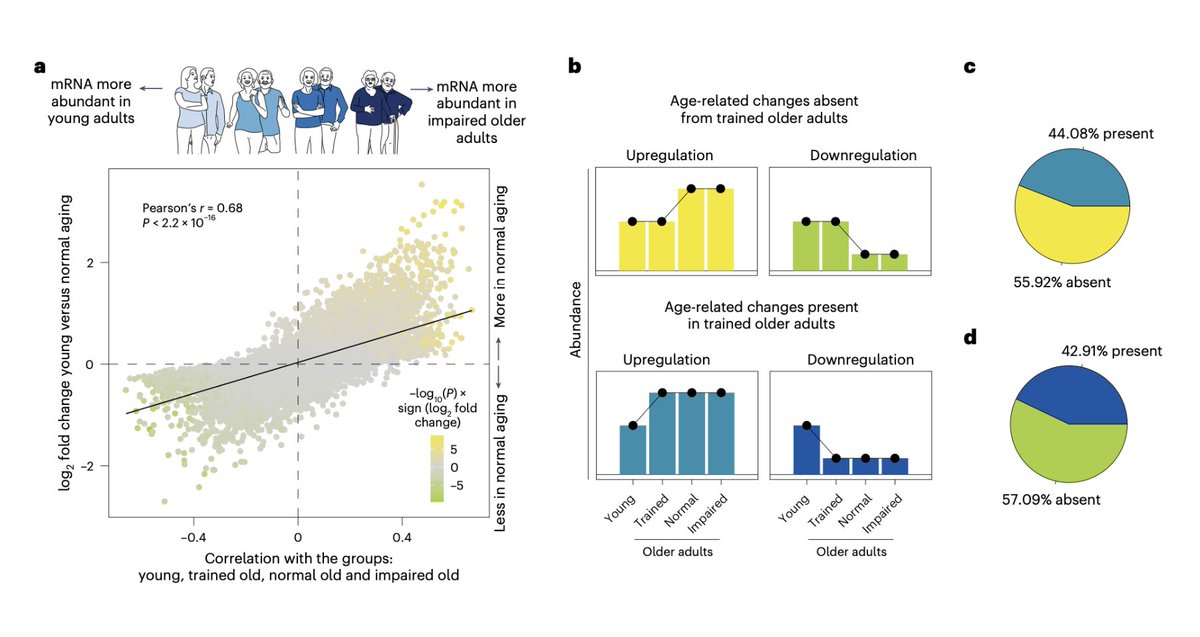
• More than half the molecular signature of muscle aging was absent in trained older adults. Specifically, 57.1% of age-related gene downregulation and 55.9% of upregulation were missing in the trained group. Their muscle resembled young adults far more than their chronological age would predict.
• The changes training preserved were specifically the energy metabolism ones. Genes like NDUFS1 and COX5A, which were depleted in normally active and impaired older adults, sat at youthful levels in the trained group across all five mitochondrial respiratory complexes. The single most prominent feature of muscle aging turned out to be the single most preventable.
• Being generally active was not enough. Structured training was the difference. The normally active older adults walked as much as young adults, and their energy metabolism genes declined anyway. What preserved the youthful molecular profile was structured, sustained training. Filling a step counter and being genuinely trained are not equivalent at the molecular level.
• Roughly half of muscle aging persisted regardless of training. Changes in genes controlling synaptic transmission (how nerves communicate with muscle) and WNT signaling (a pathway regulating tissue maintenance and stem cell function) appeared in all older adults, trained or not. This unavoidable half is where drugs will have to work.
• The fittest muscle mounted the largest inflammatory response to exercise. All groups activated stress and immune genes after exercise, including IL6, IL1B, and TNF. But the magnitude scaled with fitness. Trained older adults most closely resembled young adults in their response, followed by normally active, with impaired older adults showing the most blunted response. The stress response to exercise appears to be the mechanism of adaptation, not damage to be minimized.
This raises a concern about anti-inflammatory longevity strategies. If the inflammatory stress response is how exercise produces its benefits, chronically suppressing inflammation may blunt the adaptation that exercise depends on. It doesn't mean inflammation is beneficial in general, but the timing and context matter.
A separate discovery: the proteasome appears to regulate NAD+. The proteasome is the cellular machinery that breaks down damaged proteins. When researchers inhibited it, NAD+ levels rose in both muscle and liver cells to a degree comparable to NAD+ precursor supplements. This opens a new route to understanding NAD+ decline that operates through protein turnover rather than just supplying more raw material.
The study draws a clear line between what lifestyle can address and what will require therapeutics. The energy metabolism decline, mitochondrial deterioration, and NAD+ depletion that define muscle aging are largely preventable through structured training. The synaptic and signaling changes that persist in all older adults represent the unavoidable half where drugs will need to work.
The decisions made about structured training in midlife determine which molecular trajectory muscle follows in later decades. Half of muscle aging is optional. The other half isn't. Knowing which changes belong to each category is knowing where behavior ends and biology takes over.
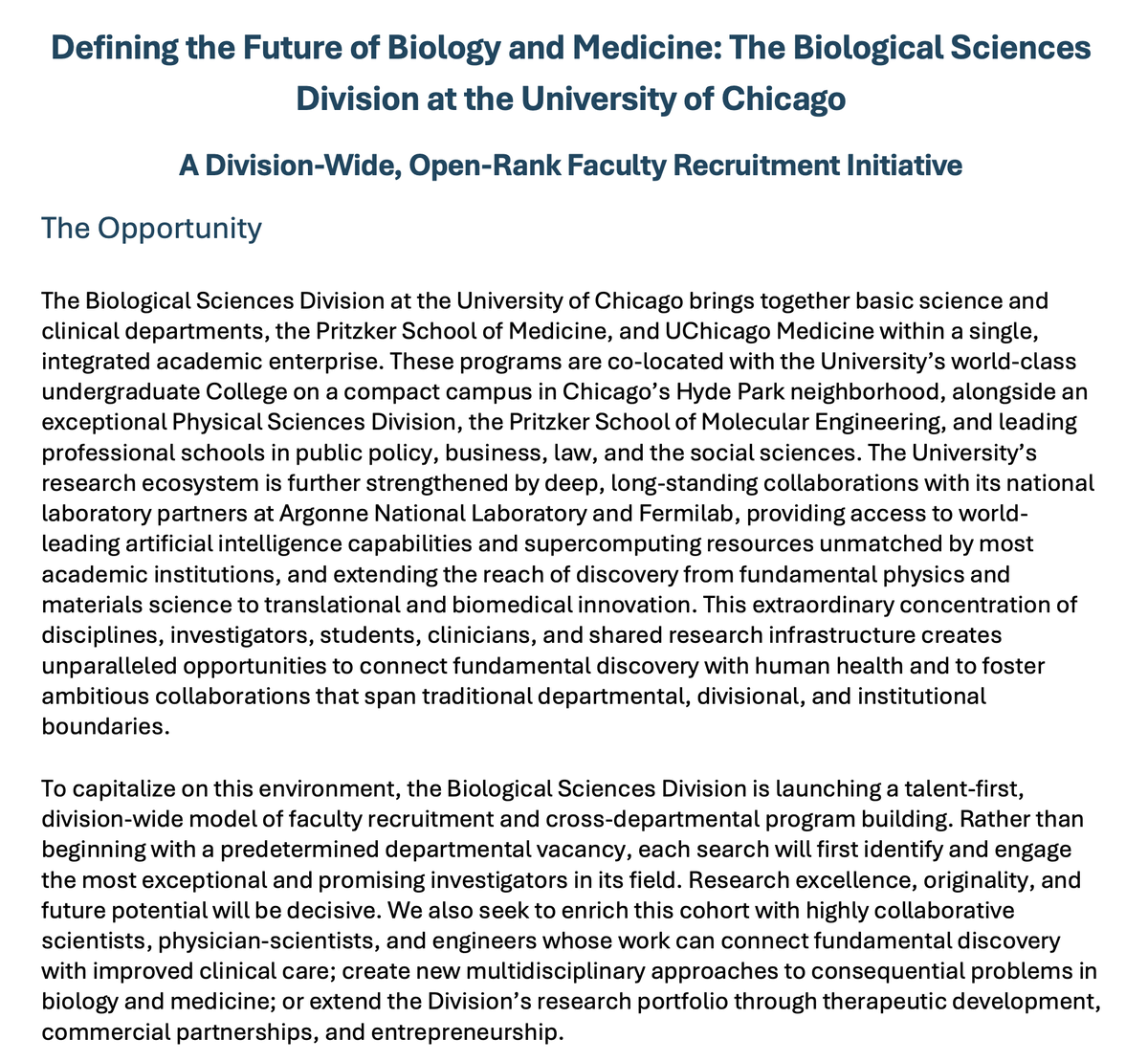
Huge faculty recruitment effort at the University of Chicago -- a division-wide, open-rank search looking to hire about 20 faculty across 5 research areas in biology. Come be our colleague!
Full announcement: https://t.co/FoVLJpHqNS
Autophagosome-targeting single-domain antibody clears tau in patient-derived neurons and improves motor function in tauopathy mice
https://t.co/T3f7VidQtR
New publication from our group. We examine the primary functional consequences of mtDNA mutations across major organ systems. Spoiler: the cumulative mutational burden broadly phenocopies a complex I deficiency. https://t.co/rvTckbmk1Z
New publication in the @JPhysiol where we show evidence of lowering mitochondrial oxidative stress to improve physical function in old mice. We also see initial efficacy in humans over the age of 70 (n=5) - but larger follow-up studies are required. Enjoy!
https://t.co/uelEwwx6WI
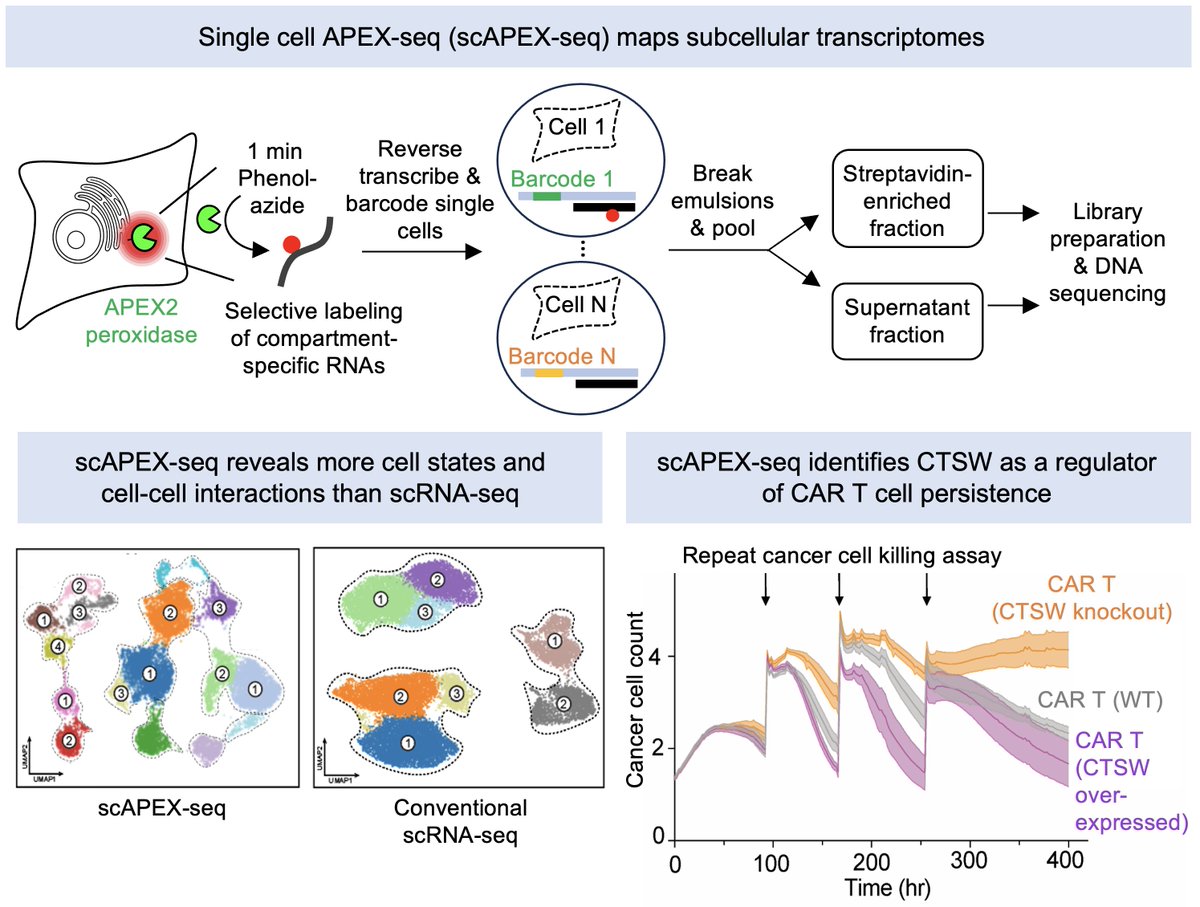
Today we report single-cell APEX-seq (scAPEX-seq) — a new method for unbiased mapping of *subcellular* transcriptomes at single-cell resolution. This approach reveals cell states that are not detectable by standard scRNA-seq, and enabled us to identify regulators of CAR T function that improve solid tumor killing.
https://t.co/iAJUj6jBQ4
The first paper from the Crewe lab is online today. We found that macrophage-meditated clearance of EVs is a major determinate of circulating adipocyte EV levels. This clearance is disrupted in obesity. A huge effort by Snigdha Tiash!
https://t.co/Bl3hgB8Ep2
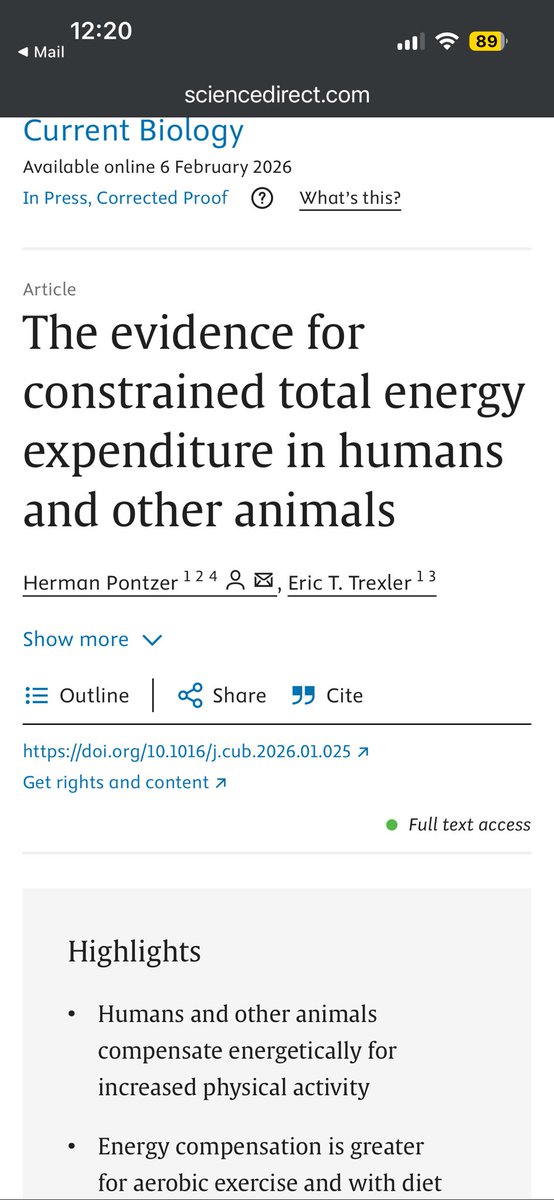
New paper updating the Constrained Energy model w @EricTrexler@CurrentBiology & testing vs Additive model. Punchline: clear evidence for Constrained TEE. Link below
Last week marked 16 years since the Supreme Court’s disastrous decision in Citizens United.
I’ve authored a proposed constitutional amendment — H.J.Res. 122 — to overturn it & over 70 of my colleagues have joined our effort.
I’ll keep fighting to get it across the finish line.
Sharing our latest led by @Triantafyllia14 online today in @Cancer_Cell !
https://t.co/VrJ9bIbvIw
We demonstrate that cytotoxic immune responses metabolically program the lymphatic vasculature to restrain regional metastasis and promote immunity!
@nyulangone@Perlmutter_CC
📢Tenure Track Faculty Position: UW-Madison is expanding its research portfolio in aging and is interested in applicants who study the interplay between aging and skeletal muscle biology. 10 days left to apply - please RT and DM if you have questions. https://t.co/u0dWirW6H6
Really thrilled to share our work on mitochondrial presequence strength @JCellBiol. We establish quantitative parameters to better define "strong" and "weak" presequences in vitro and in vivo. This work was spearheaded by the ever talented Youmian Yan, a grad student in my lab.