La mia storia, il mio arrivo alla @NASA, i miei contributi a @NASAWebb e il mio ruolo alla guida della protezione planetaria per la missione che riporterà indietro i campioni che @NASAPersevere sta raccogliendo, riassunti in questo articolo di @repubblica. https://t.co/RfnL12IauM
On Feb. 18, 2021, NASA’s Perseverance rover successfully landed in Jezero Crater on Mars. As NASA's fifth Mars rover celebrates five years on the Red Planet, here are five major mission highlights.
🧵1/7
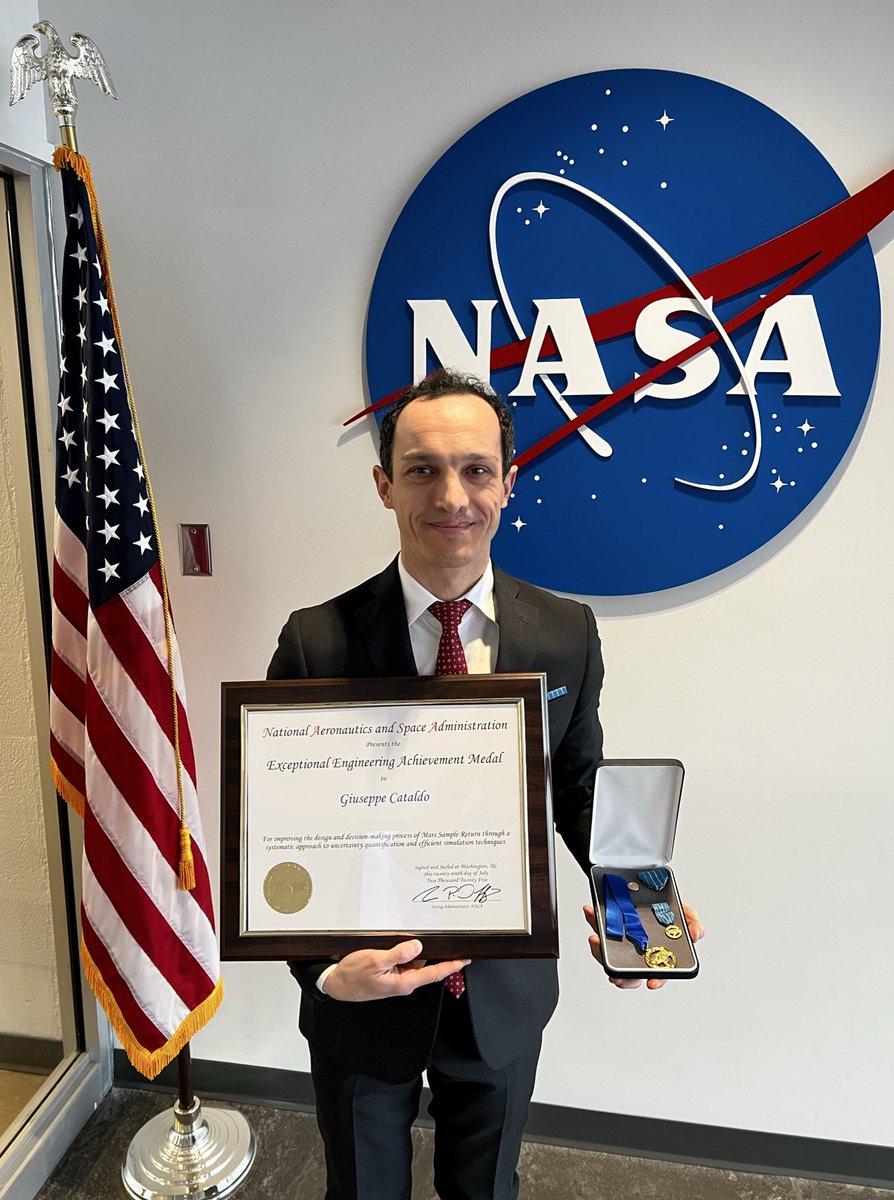
🏅I was honored with NASA’s highest award for engineering, NASA’s Exceptional Engineering Achievement Medal for “improving the design and decision-making process of Mars Sample Return through a systematic approach to uncertainty quantification and efficient simulation techniques”
🚀 Behind every medal, there is a team! I want to extend this recognition to all the people from 2 NASA centers, 11 universities, the Air Force and Naval Academy who helped make QUAnT a reality, and most of all every student who contributed to it with passion and dedication.
📊 While the citation specifically mentions MSR, the Quantification of Uncertainty Analysis Toolkit (QUAnT) has been applied to several missions and projects, bringing dramatic savings in cost and schedule while informing the decision-making process with best-quality data.
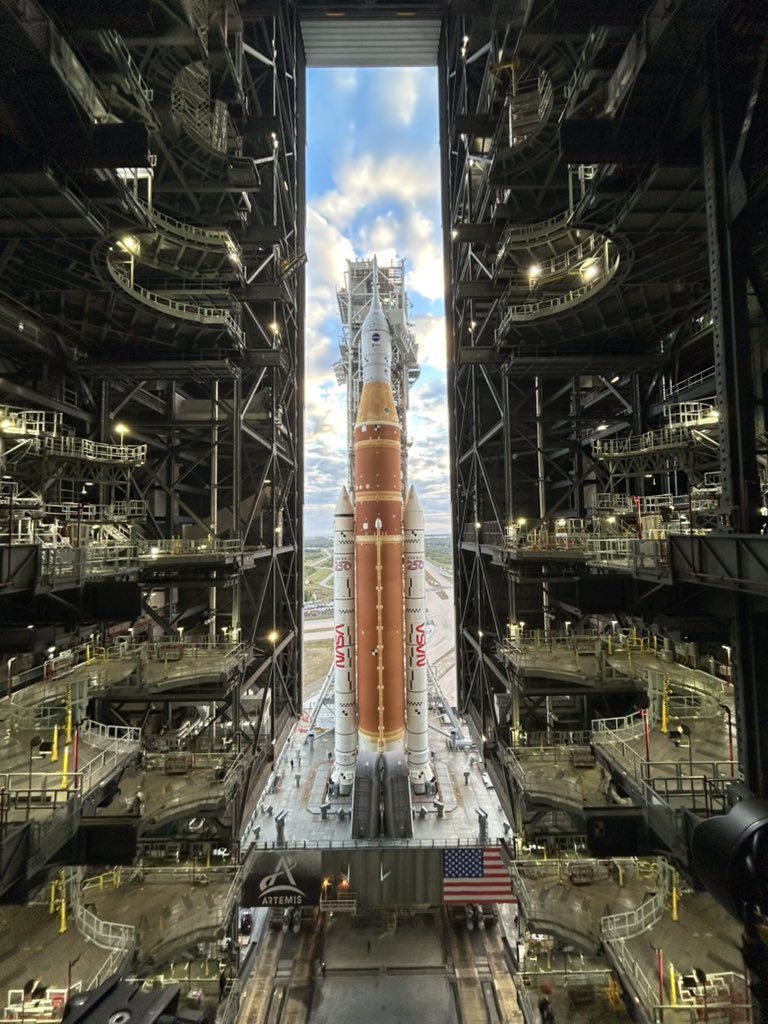
With the conclusion of the wet dress rehearsal today, we are moving off the February launch window and targeting March for the earliest possible launch of Artemis II.
With more than three years between SLS launches, we fully anticipated encountering challenges. That is precisely why we conduct a wet dress rehearsal. These tests are designed to surface issues before flight and set up launch day with the highest probability of success.
During the test, teams worked through a liquid hydrogen leak at a core stage interface during tanking, which required pauses to warm hardware and adjust propellant flow. All core stage and interim cryogenic propulsion stage tanks were successfully filled, and teams conducted a terminal countdown to about T-5 minutes before the ground launch sequencer halted operations due to an increased leak rate. Additional factors included extended Orion closeout work, intermittent ground audio dropouts, and cold-weather impacts to some cameras, along with the successful demonstration of updated Orion closeout purge procedures to support safe crew operations.
As always, safety remains our top priority, for our astronauts, our workforce, our systems, and the public. As noted above, we will only launch when we believe we are as ready to undertake this historic mission.
This is just the beginning. It marks the start of an Artemis program that will evolve to support repeated and affordable missions to the Moon, in line with President Trump’s national space policy. Getting this mission right means returning to the Moon to stay and a future to Artemis 100 and beyond.
I want to thank the talented workforce at NASA, along with our industry and international partners, who are working tirelessly on this effort. The team will fully review the data, troubleshoot each issue encountered during WDR, make the necessary repairs, and return to testing. We expect to conduct an additional wet dress rehearsal and then target the March window.
We will continue to keep the public and the media informed as readiness progresses.
Roses are red,🌹
violets are blue,🪻
jumpstart your Valentine's Day gifting by sending your loved ones' names on @NASAArtemis II.🚀
There's still time to submit names for a trip around the Moon.🌕
Sign up here to get the ultimate printable valentine
💌: https://t.co/YTm6Vmjv3L
Immagini di un globulo bianco umano che insegue un batterio per distruggerlo, catturate al microscopio. Quindi, quando ti senti solo o come se nessuno fosse lì per te, ricorda quei miliardi di globuli bianchi che dedicano la loro esistenza ogni giorno a tenerti in vita.
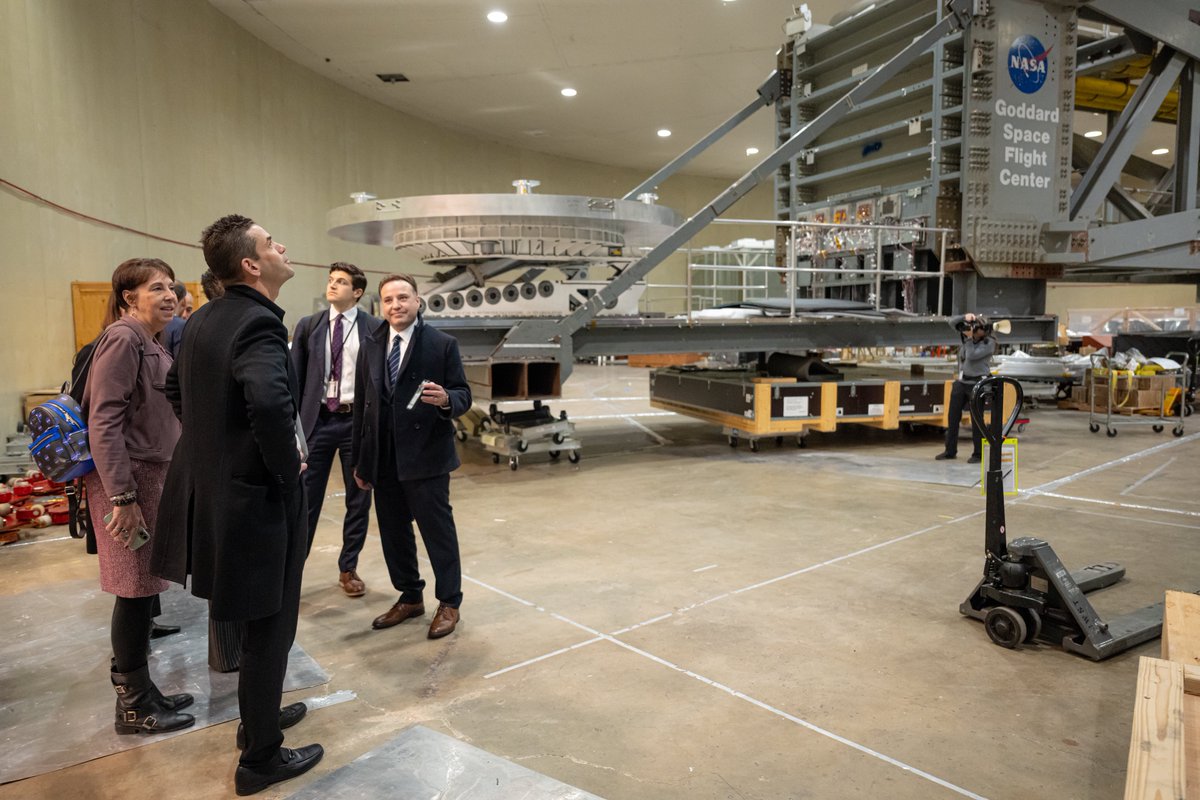
It was great having you at @NASAGoddard! Thanks again for your kindness and openness. I look forward to working to achieve our ambitious goals! Welcome to @NASA!
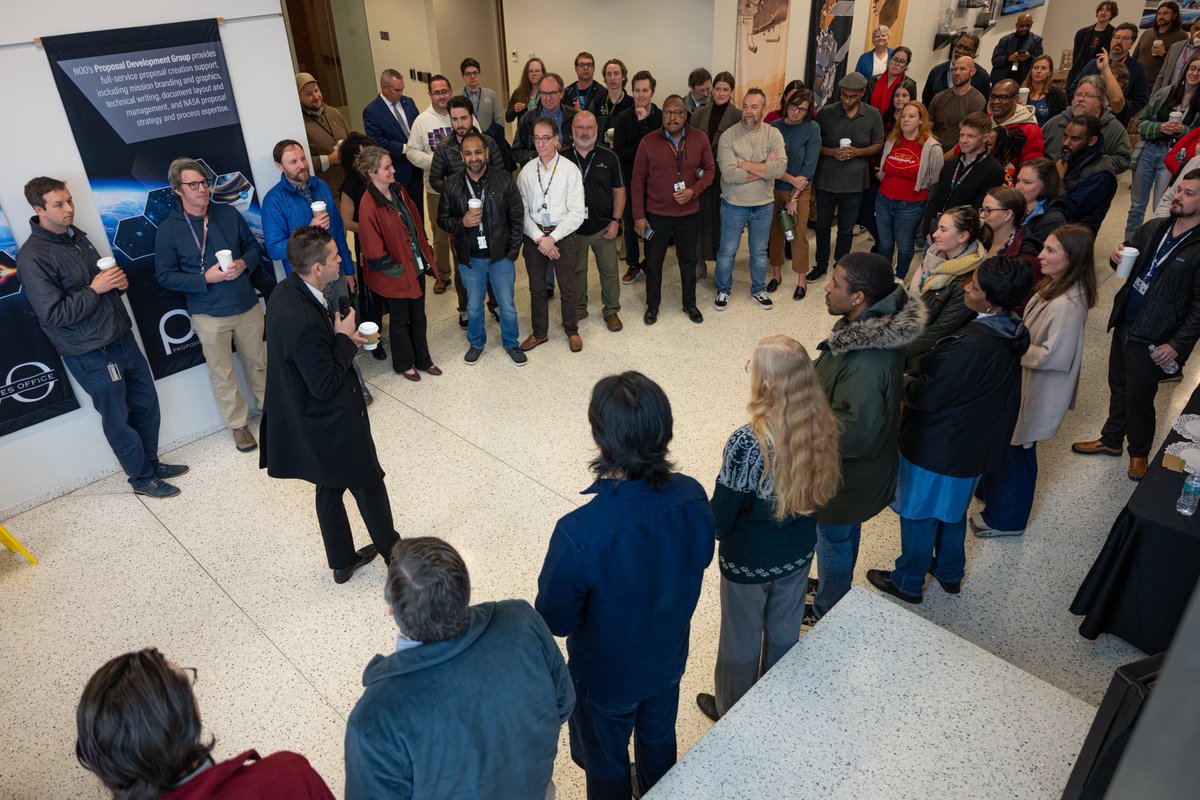
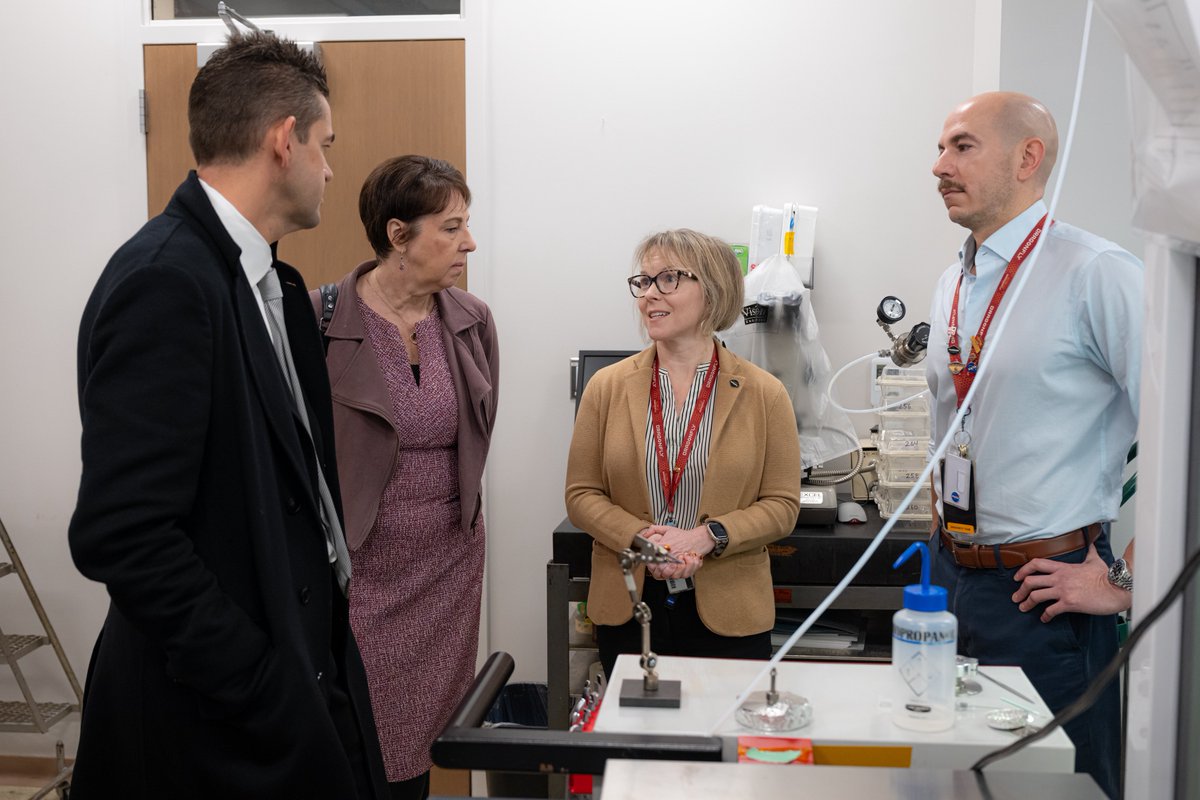
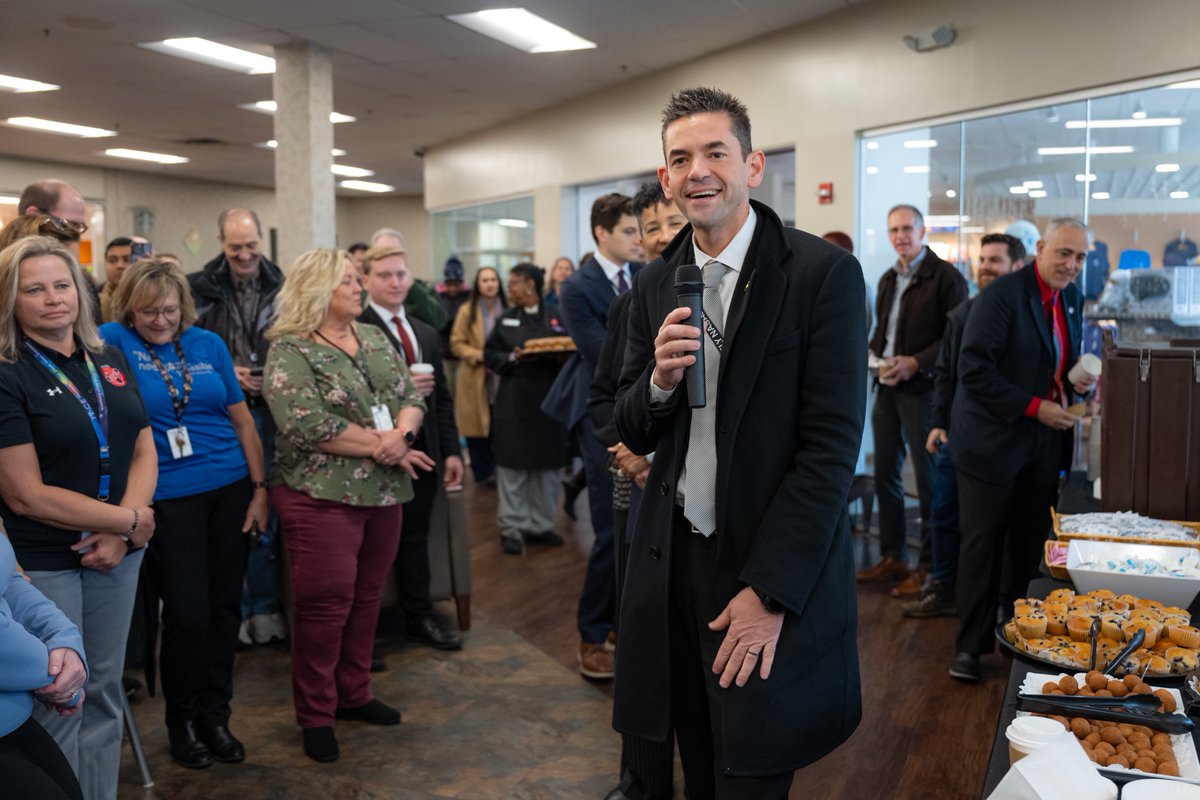
Spent the day at Goddard Space Flight Center as the first stop on my roadshow across NASA’s centers. I’m not visiting for photo ops or VIP tours, but to get out where the action is and talk directly with the workforce, the industry partners and congressional delegations.
There’s no question there is real work to do across all of our centers, and Goddard is no exception. We carry dated, and in some cases, unsafe infrastructure on our books, along with programs that are not always aligned with our most pressing objectives. We can do better by listening to and empowering the best and brightest to work the problems and pursue the opportunities with urgency.
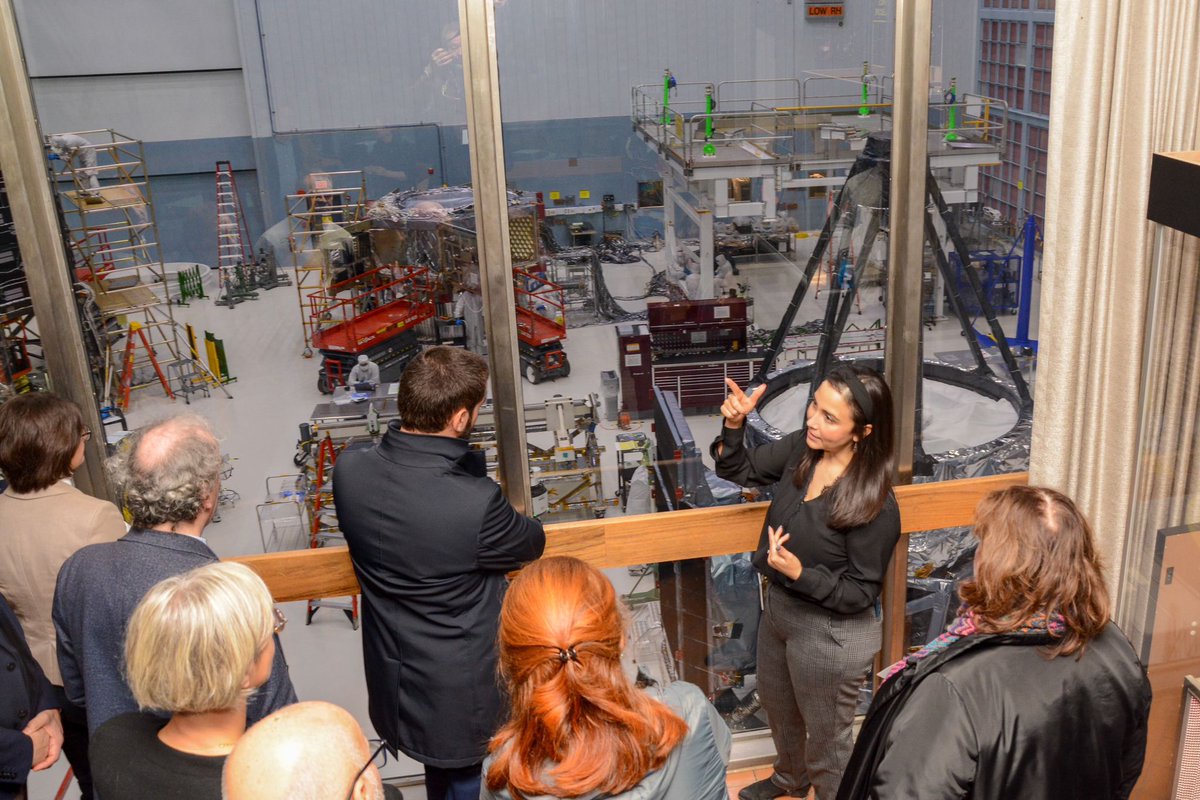
In that spirit, I enjoyed all the conversations at GSFC, including the tough questions, and seeing the flight hardware up close. I want to pass along my appreciation to the entire team, including those contributing to the exciting Dragonfly mission and the Nancy Grace Roman Space Telescope, which is on track to launch on budget and ahead of schedule. Missions like these truly help us pursue the secrets of the universe. If we ensure our resources are focused on the real needle-moving objectives, I am highly confident we can launch even more grand missions of science and discovery in the years ahead.
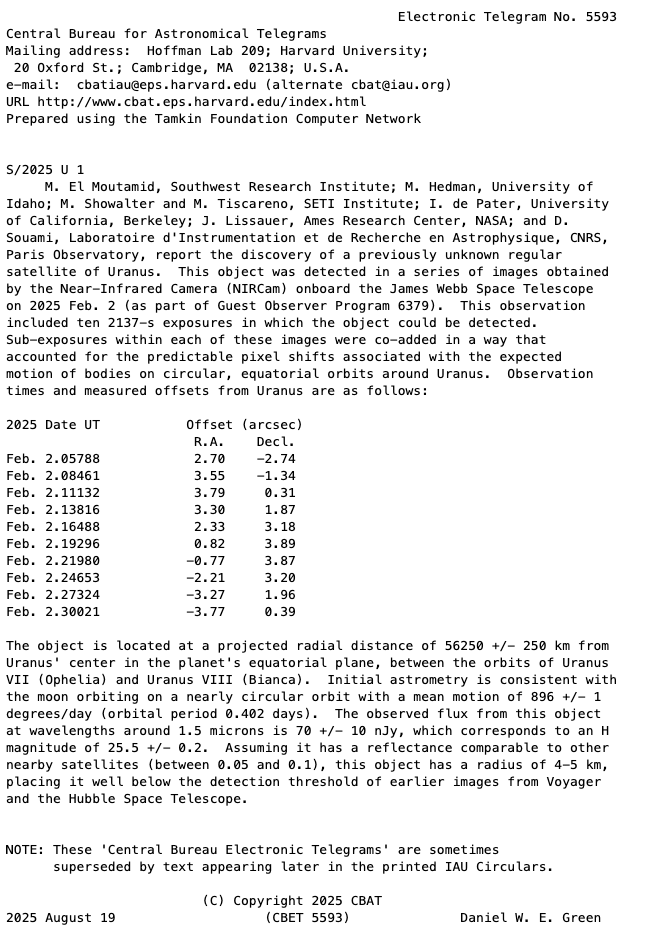
The official e-telegram announcing the newly-discovered moon of the planet Uranus, found by a team using JWST 🔭 . Its temporary name is S/2025 U 1 (it'll eventually get a name from Shakespeare or Pope). Circular orbit so likely a natural satellite.
How do rockets work? 🤔 🚀 Let's find out from an astronaut!
@MITAeroAstro Prof. Jeffrey Hoffman breaks down rocket engines for us: https://t.co/UhXPL1QlC8
We're exploring two approaches to our Mars Sample Return Program to bring @NASAPersevere's rock cores back to Earth: one using proven sky crane technology, and the other using new commercial capabilities. We expect to finalize the design in 2026. https://t.co/N0WNM0spkq
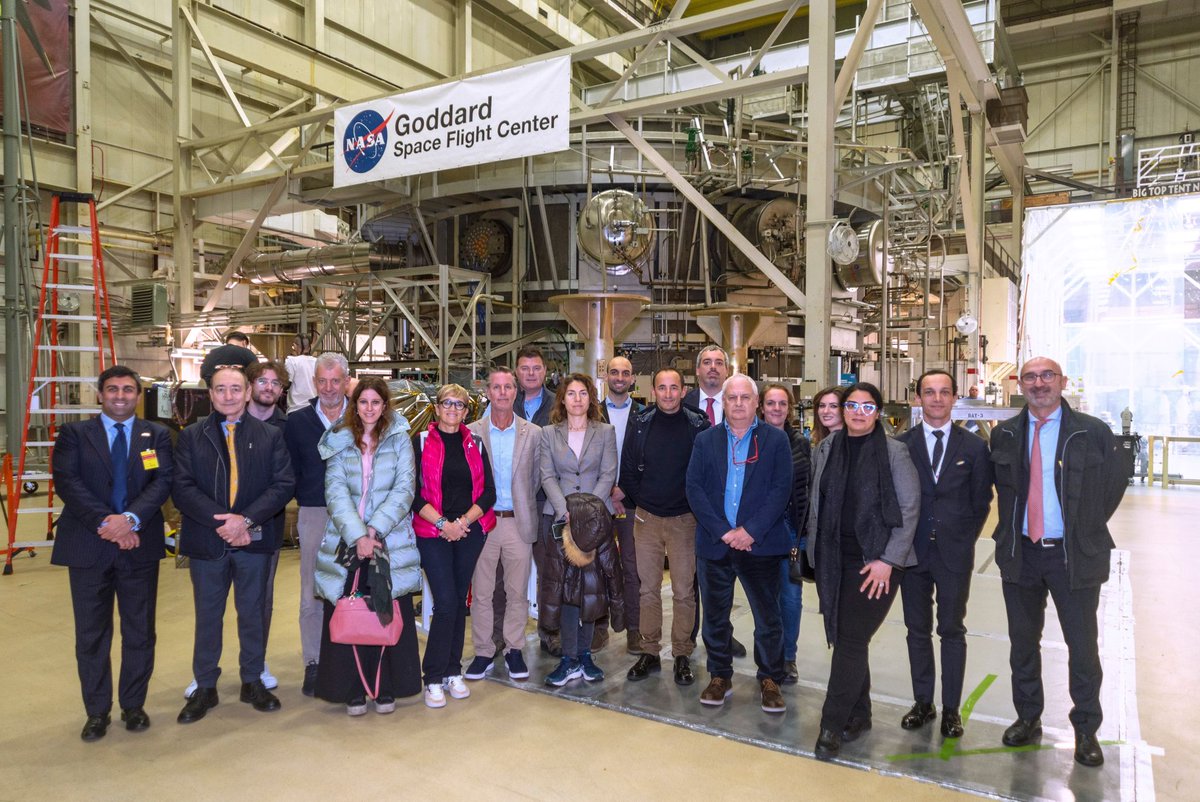
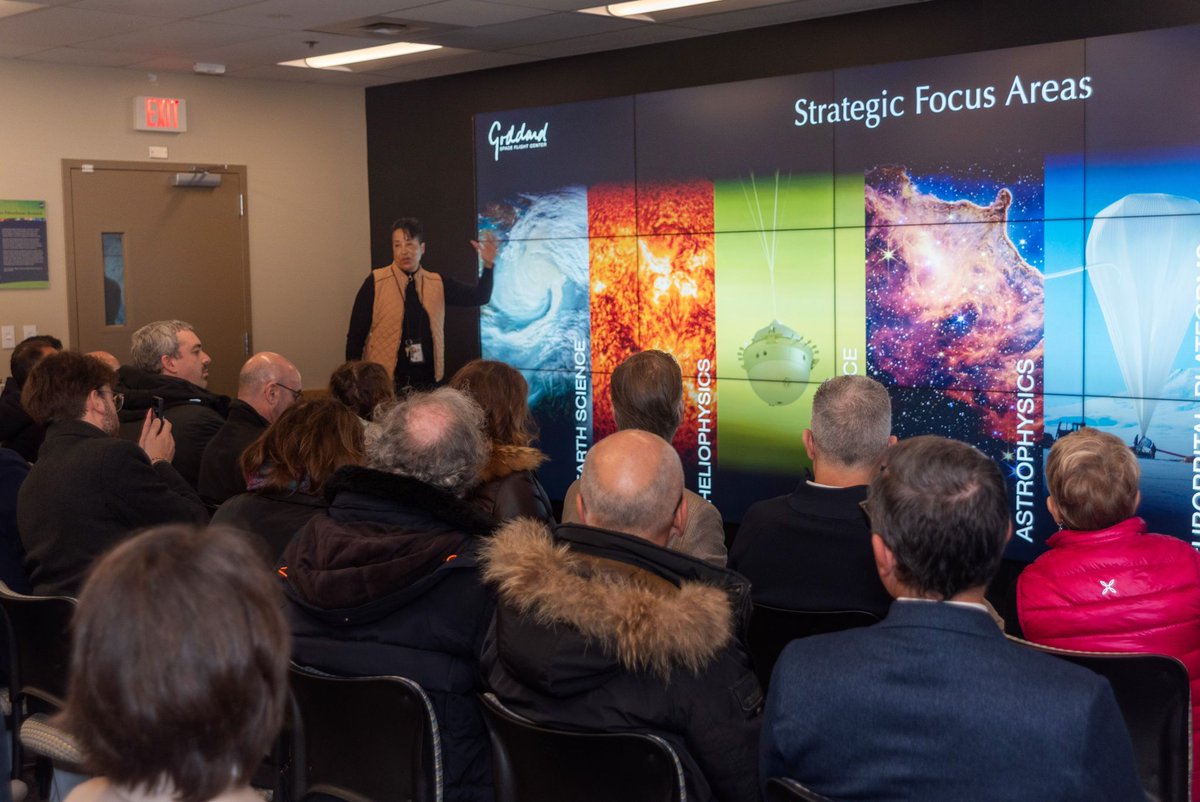
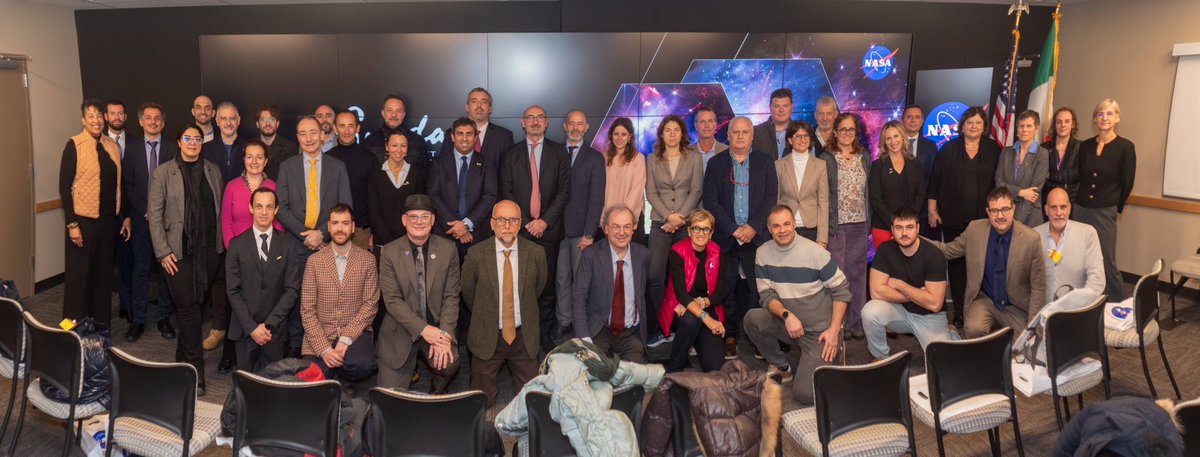
Happy to have welcomed the Italian space and institutional delegation at @NASAGoddard and showed them the amazing science and technology, including @NASARoman!
🇮🇹🚀🇺🇸 Ahead of #ItalianSpaceDay an Italian delegation visited @NASAGoddard.
@SpaceTelescope shows our deep Italy-US collaboration to strengthen space exploration and research.
Together for cutting-edge tech and space innovation.
📸 NASA/Britt Griswold/Jay Friedlander