Congratulations to ChEM-H Chemistry/Biology Interface (CBI) Training Program student Hannah Barsouk who was named a 2026 Hertz Fellow! The award supports doctoral students pursuing research and careers in science and technology: https://t.co/XEHe21uqLo
This depiction of viral threats confronting both bacteria and people, and the protein and cellular defenses arrayed against them, illustrates how human immunity traces part of its antiviral arsenal to ancient microbial predecessors. This shared defensive heritage is already suggesting novel tools for molecular biology and new approaches to medicine.
Learn more this week in Science: https://t.co/FS3lrvwR4D
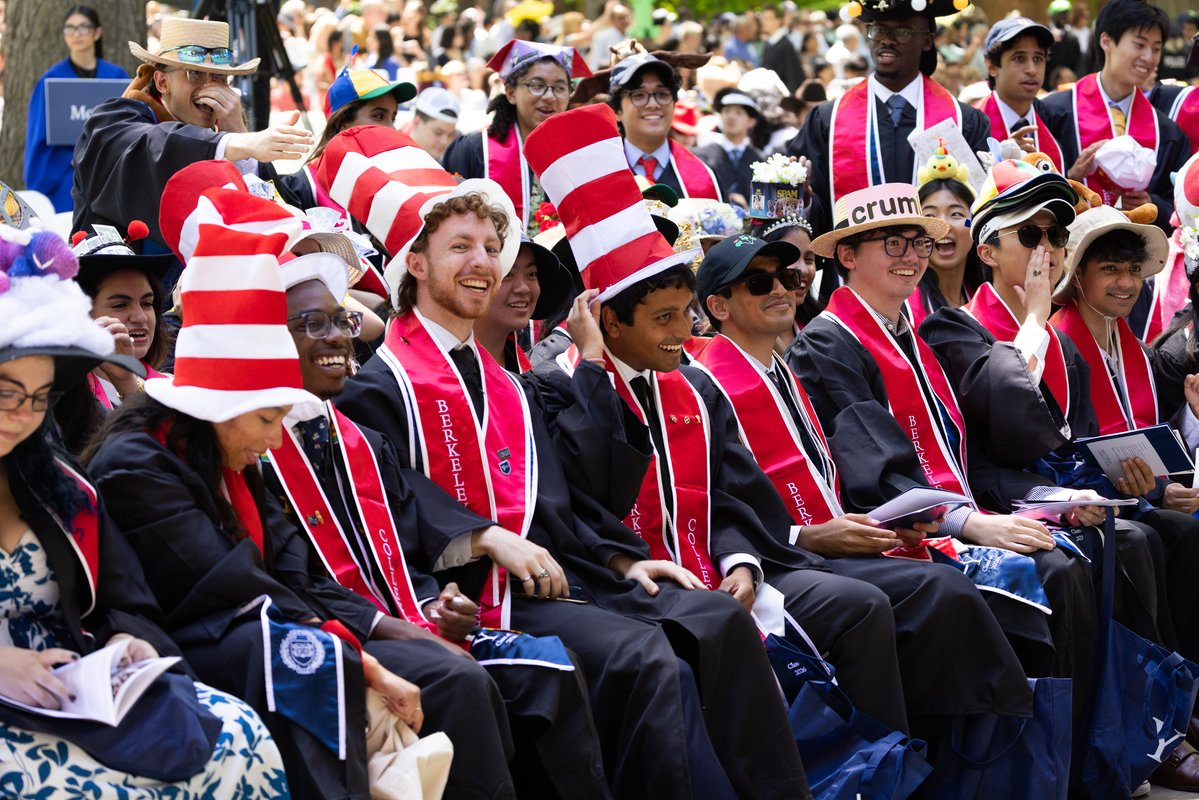
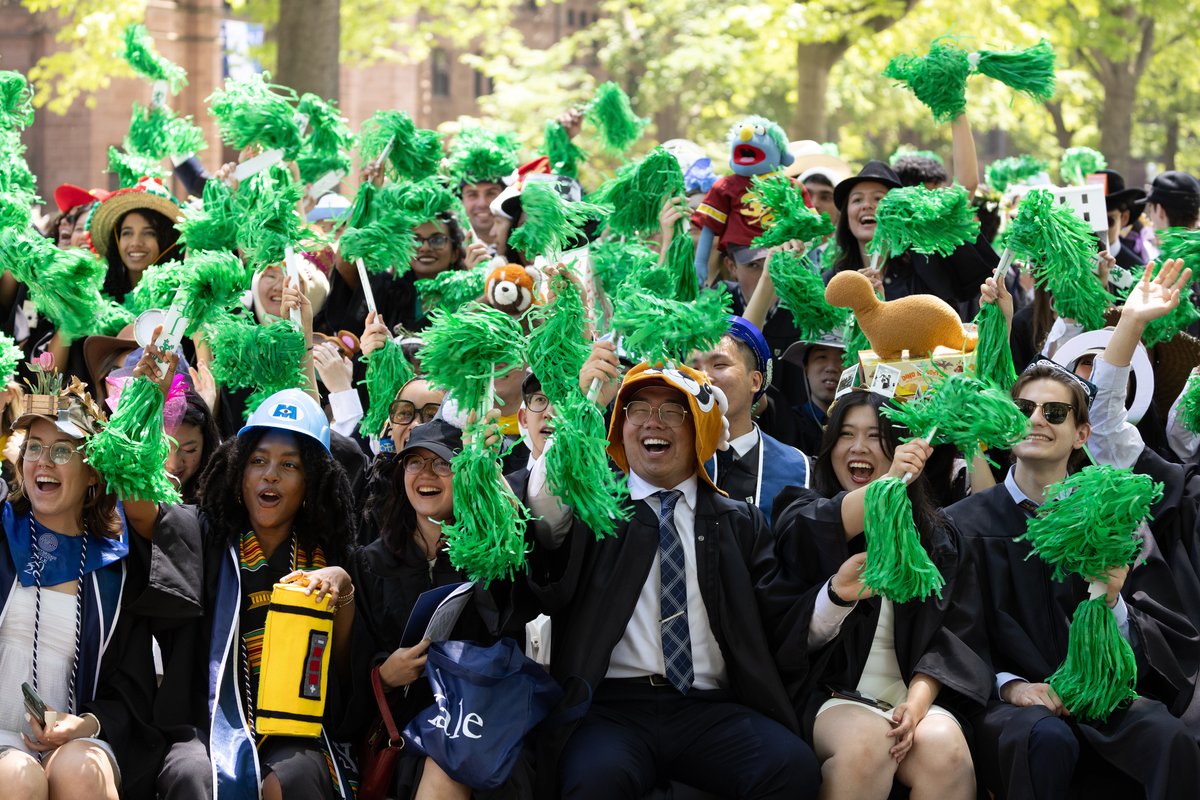
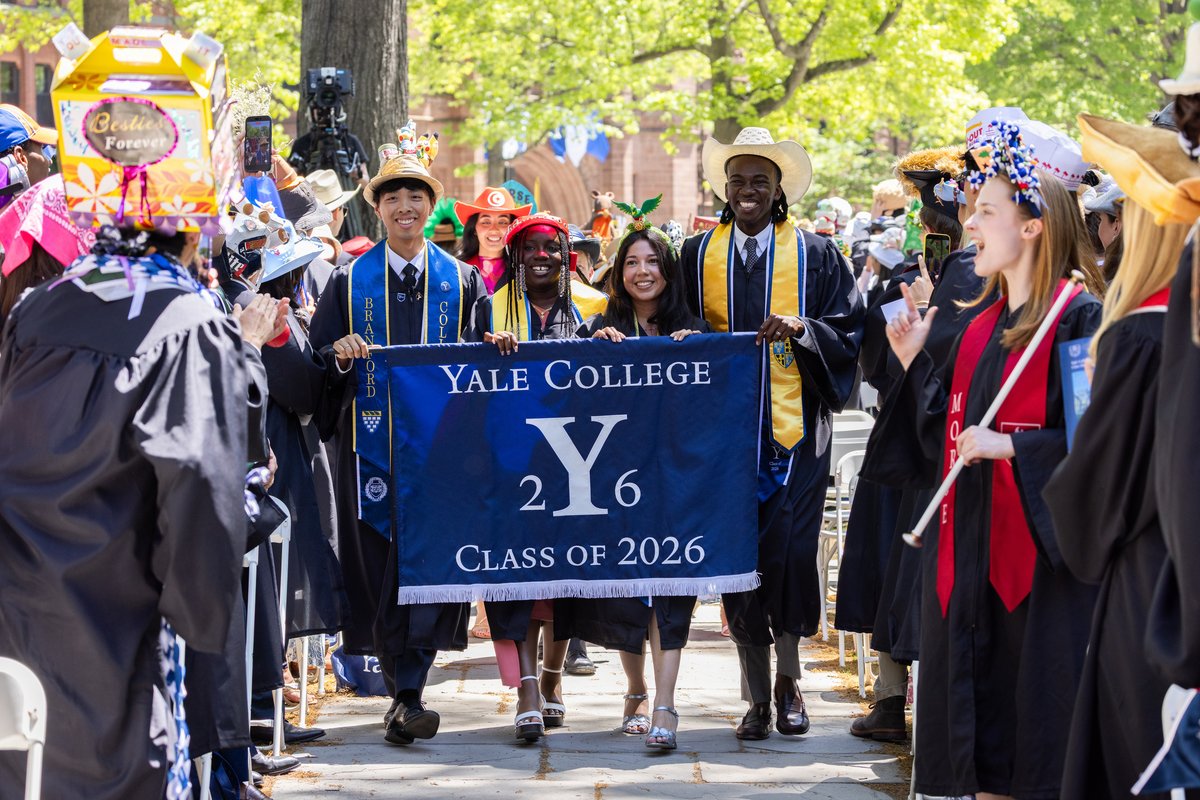
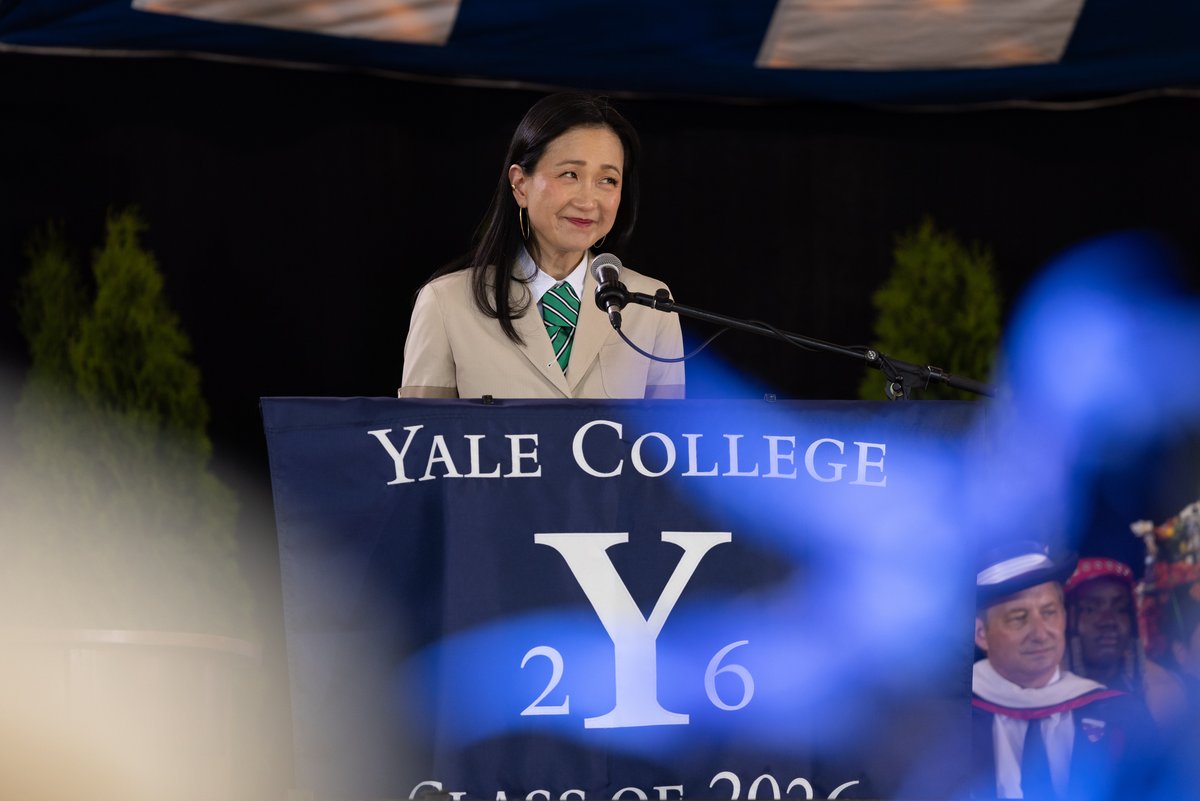
“Time is our teacher.”
At Yale College Class Day, celebrated author Min Jin Lee ’90 urged the Class of 2026 to think deeply about time, uncertainty, and the choices ahead.
Speaking to a jubilant crowd on Old Campus, Lee drew on the wisdom of the ancient Greeks as graduates celebrated one of Yale College’s most beloved traditions, a ceremony that dates back to the 19th century.
Read more about Class Day: https://t.co/l6AJ4PIzwg #Yale2026 🎓
Sarafan ChEM-H has awarded five $50K grants and seven pilot awards to help researchers @Stanford access specialized labs and expert guidance within the Nucleus, aimed at improving human health at the molecular level: https://t.co/Bgl85y2Mn8
Huge congratulations to @HBarsouk Hannah Barsouk, named today as a 2026 Hertz Fellow!
One of just 19 nationally, one of the most competitive graduate fellowships in American science.
Building RNA tools for programmable biology: the future is in good hands.
https://t.co/TnjlfWJyM1
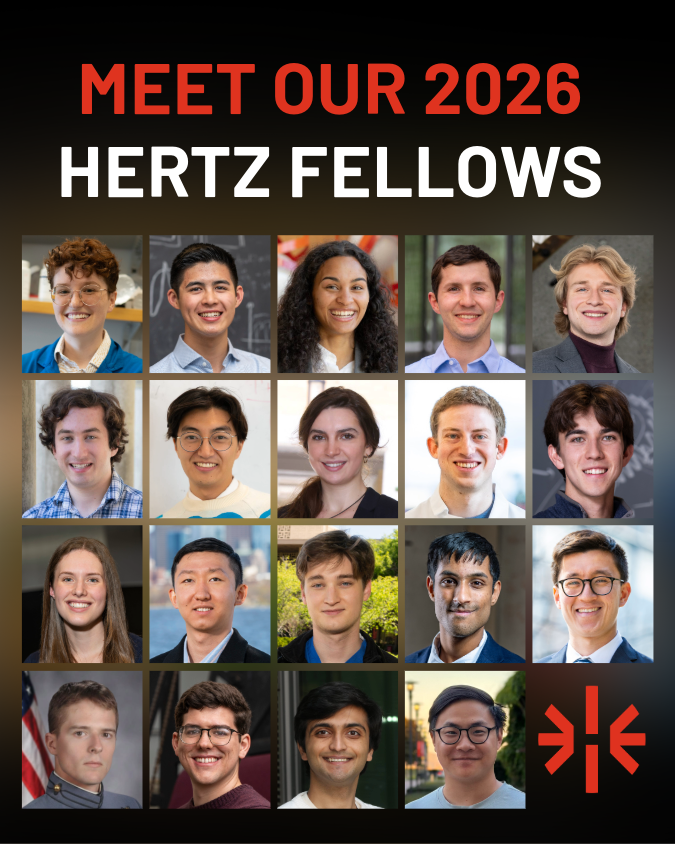
Today, we're thrilled to introduce the 2026 Hertz Fellows — a remarkable group of 19 talented individuals pushing the boundaries of what's possible in science and engineering. 🎉
From developing therapies that could transform how we treat disease to advancing the science behind clean energy and climate resilience to pushing the boundaries of what AI can do, this year's class brings bold ideas and fresh perspectives to some of the most pressing challenges of our time.
Picked from nearly 1,500 applicants across +300 universities, join us in celebrating their achievements as they join a distinguished network of more than 1,300 Hertz Fellows who have shaped the scientific landscape for over six decades.
Read more: https://t.co/1vyOXuOJzy
Introducing our newest Hertz Fellows 🚀
🌟 Hannah Barsouk (@HBarsouk), Biochemistry
@StanfordBiochem
🌟 Andrew Chu, Materials Science & Engineering
@StanfordMSE
🌟 Elizabeth Chung (@LizzieChung2), Systems Biology & Neuroimmunology @UCSF
🌟 Charles Colvin, Plant Sciences @DukeU@DukeNews@DukeBiology
🌟 Adam Distler, Astronomy + Astrophysics
@CenterForAstro
🌟 Sam Foxman, Aeronautics & Astronautics
@Stanford
��� Tyler Hou, Computer Science + Mathematics
@PrincetonCS
🌟 Elizabeth Kozlov, Astrophysics + Physics
@princetonphys
🌟 Dan Lesman, Synthetic Biology
@HarvardCCB
🌟 Miller MacDonald, Physics and Astronomy
🌟 Annika Marschner, Mechanical Engineering
@MITMechE @MIT
🌟 Alvin Q. Meng, Chemistry
@MIT @MITChemE
🌟 Jackson Powell, Bioengineering
@Stanford
🌟 Nikhil Seshadri, Chemistry
🌟 Zachary S. Siegel, Artificial Intelligence
@MIT
🌟 Matthew Wanta, Operations Research
@MIT
🌟 Matthew W., Astronomy + Astrophysics
@MIT
🌟 Eric Zhu, Quantum Physics
🌟 Zain Zaidi, Theoretical + Computational Chemistry, @PrincetonChem
#HertzFellows #HigherEducation #Science #Tech #Innovation #Leadership #PhDstudents #ResearchFunding
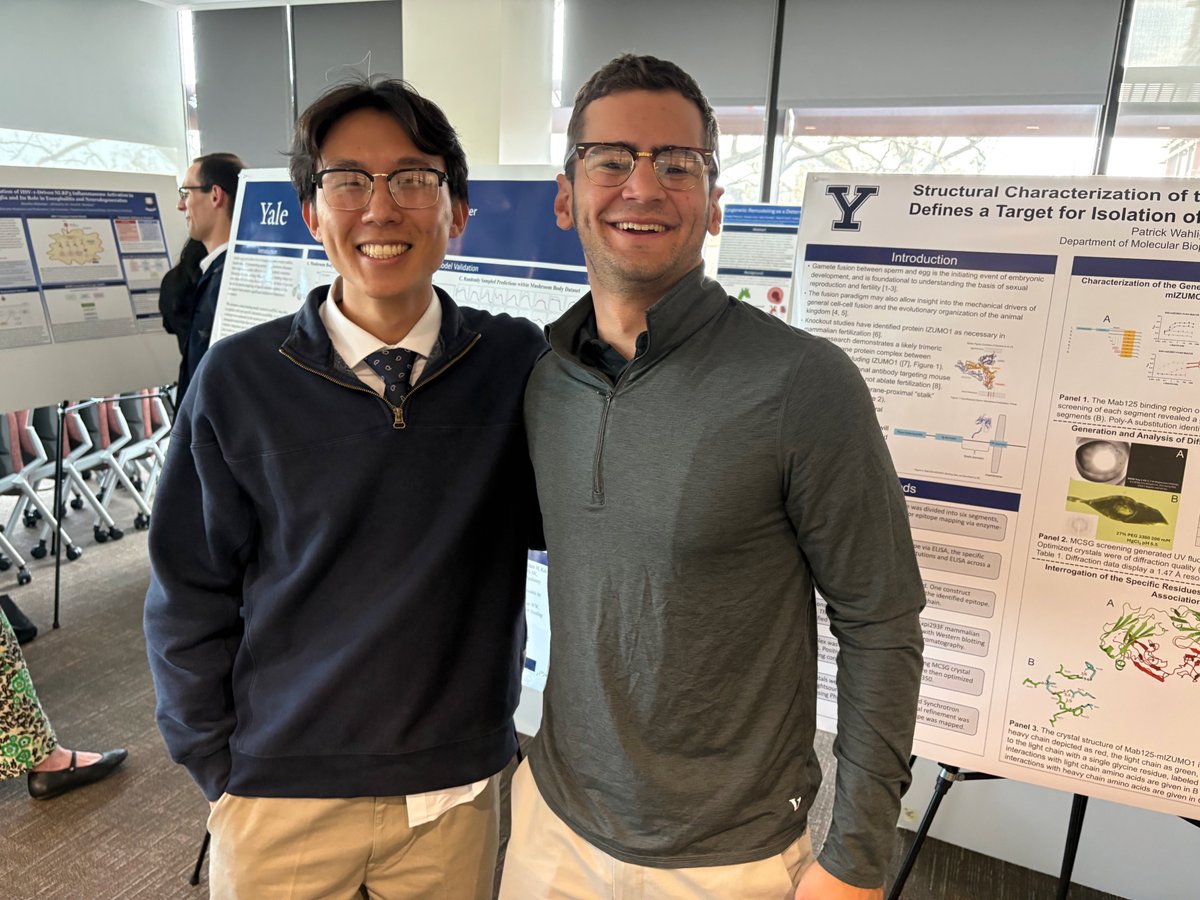
Great @YaleMBB Undergraduate Research Fest today! Very impressed with today's student presentations. Congrats to our Undergraduate Sigler Award winners Kyle, Alexandra and Dami!
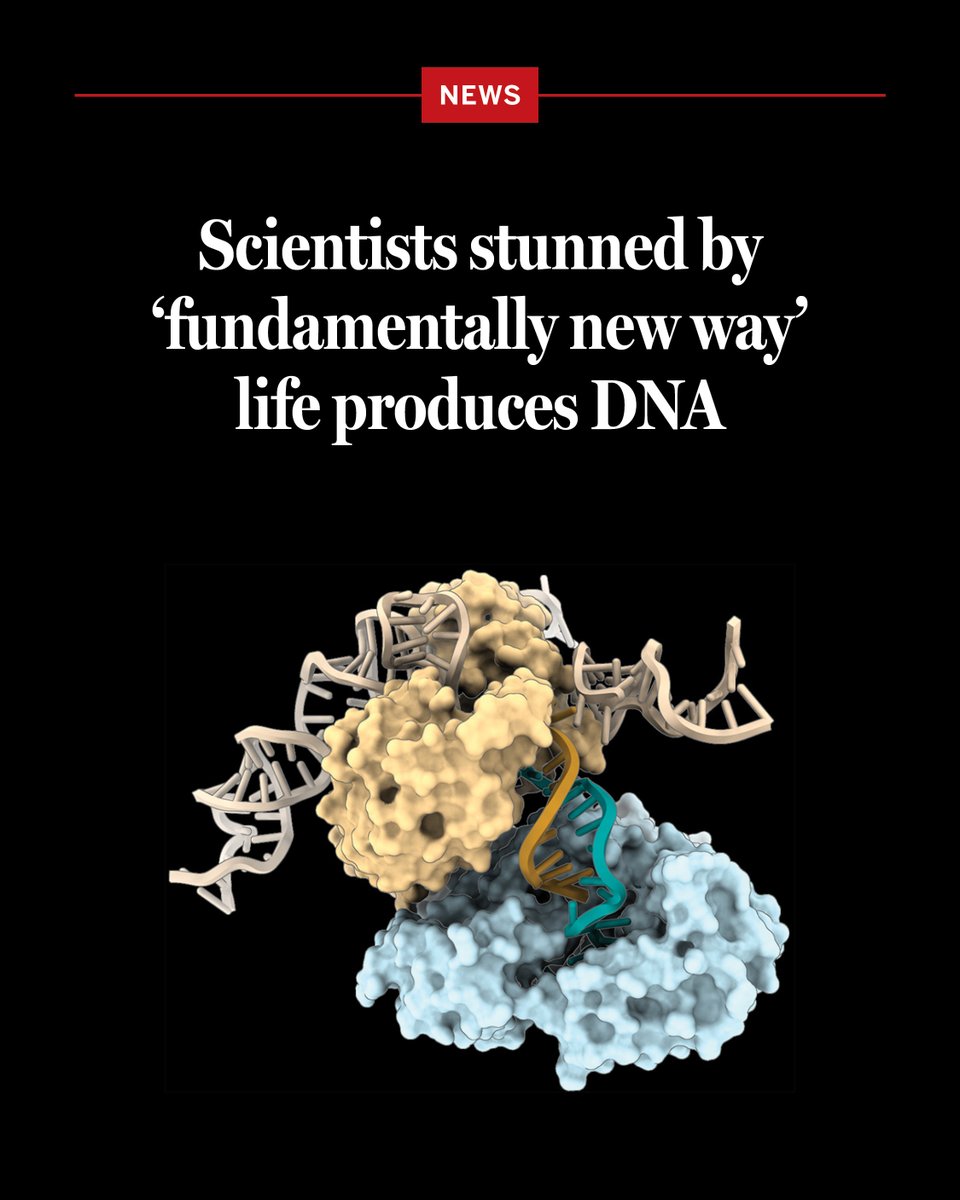
CryoEM revealed a striking structure. VIPR wraps around DNA as a protein filament, holding the guide RNA and both DNA strands together in a triplex core.
A strand of RNA has been discovered to perform two key reactions required for self-replication. The molecule offers a clue towards understanding the origin of life, namely how non-living chemistry on prebiotic Earth started to self-replicate and evolve.
https://t.co/3bsnGMSZry
For decades, biology textbooks have enshrined a simple rule: DNA is made by copying a template. After one enzyme unzips a DNA double helix into separate strands, another called a polymerase builds a complementary sequence, base by base, for each strand. Presto: two copies of the original DNA.
But new research into how bacteria defend themselves from viruses now shows this synthesis rule isn’t absolute.
Now, a team describes a bacterial enzyme that synthesizes DNA without a nucleic acid template, using its own structure as a guide.
Learn more: https://t.co/bpVgr0KMdR
New study on Pythons—snakes that can go a year without eating—hints at a potential weight-loss drug with fewer side effects than GLP-1 drugs. Research led by @longlabstanford and supported in part by the Knight Initiative.
Learn more: https://t.co/SgRaKhh17p
Ronald Breaker, PhD, chair of @YaleMBB, shares how a passion for discovery has led to boundary-pushing breakthroughs in our understanding of #RNA – and how #BasicScience#breakthroughs can come from unexpected places: https://t.co/MTLtHRoA5x
You can now image specific genomic loci in living cells.
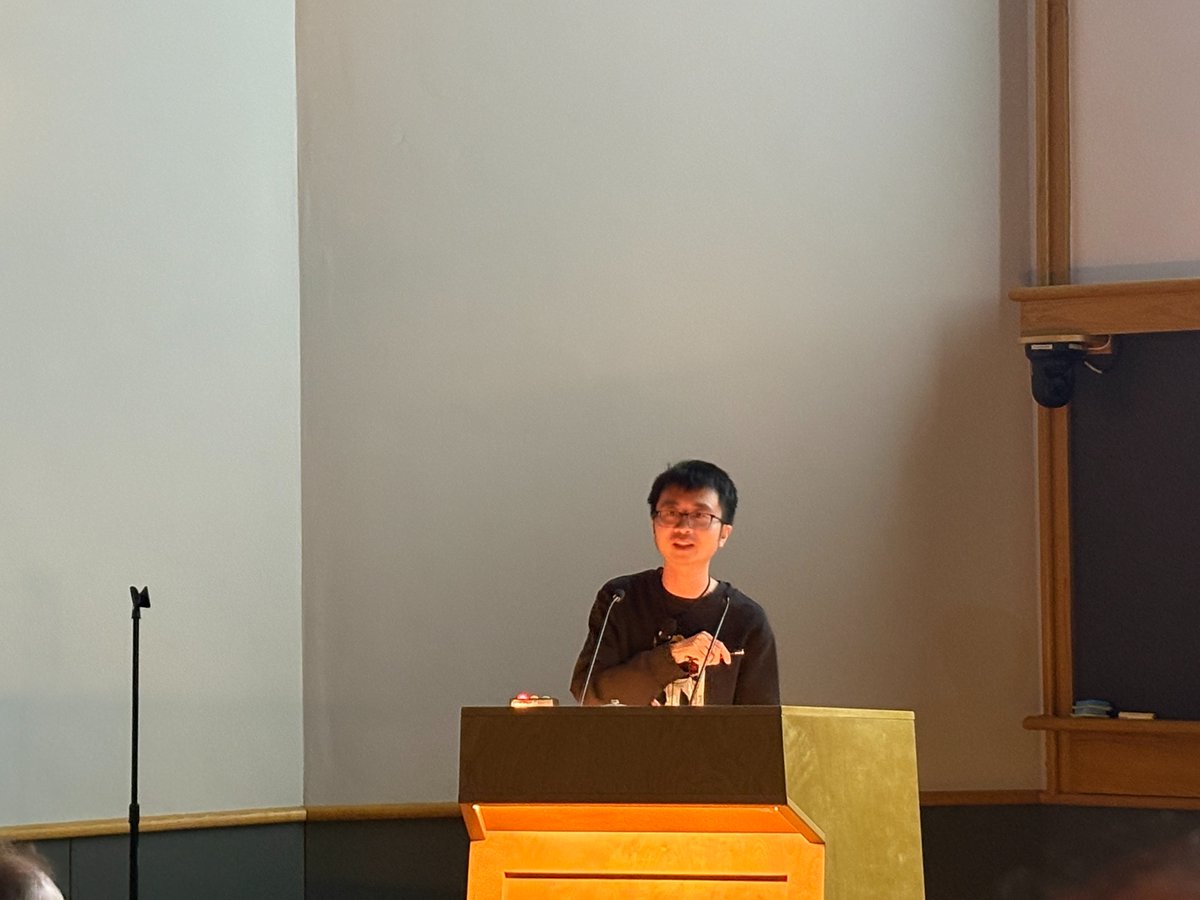
@Steven_zyy presented Oligo LiveFISH at @CSHL : a CRISPR-based approach for programmable live-cell genome imaging.
Paper: https://t.co/MADai10QWk
#cshlsysbio#microscopy#CRISPR
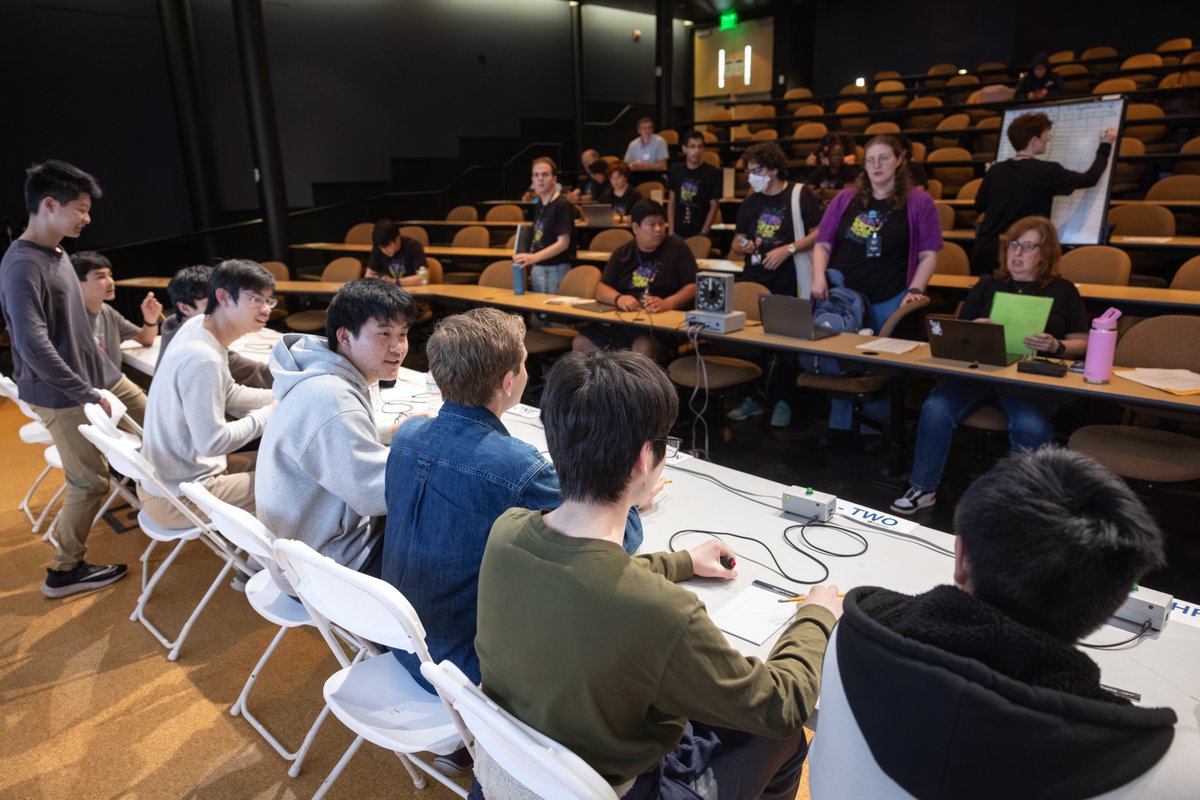
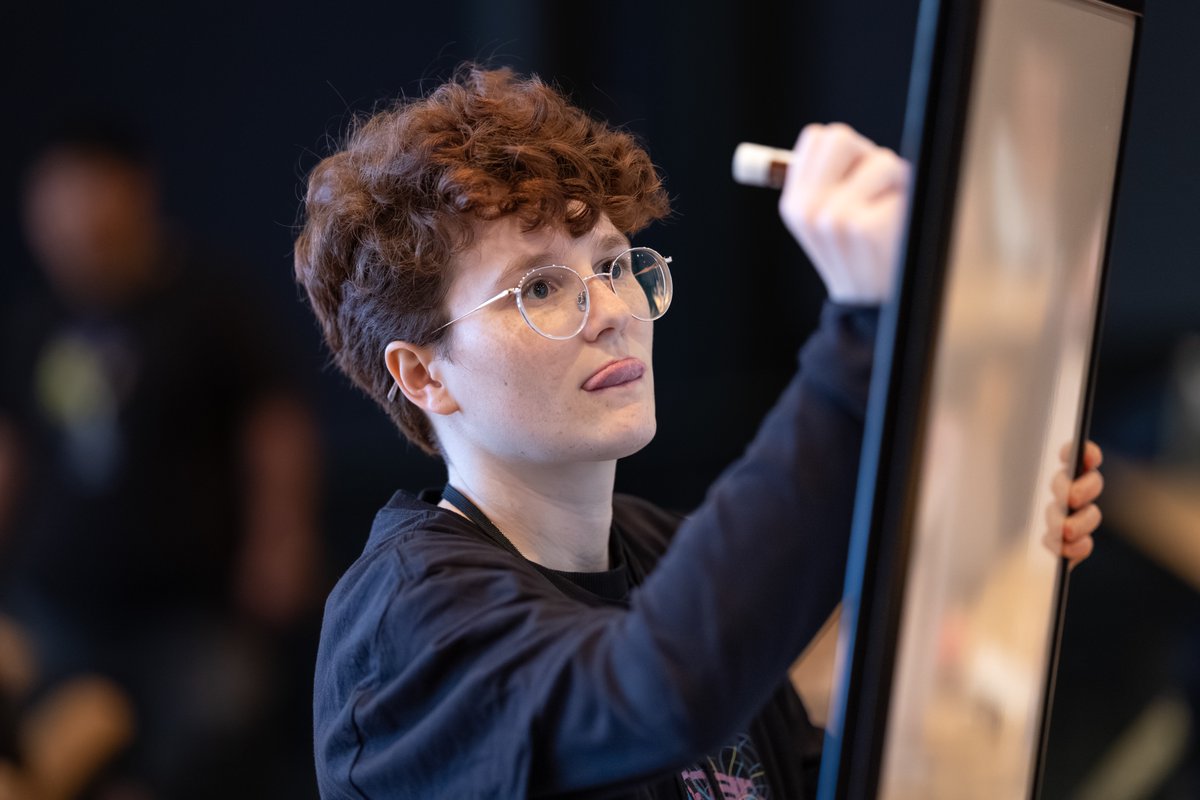
Science Bowl, funded by @ENERGY, helped me fall in love w/ STEM in high school+was how I made some of my closest friends to this day. The importance of early science education & community cannot be understated!(A full circle moment, Ft. intense concentration while scorekeeping😂)
Crowning champions!
Congratulations to our 2026 SLAC Science Bowl High School Champions Lynbrook High School! And good luck to them in the national competition in D.C. in April!