Omna Tigray condemns a dangerous narrative that, without evidence, casts #Tigray's IDP camps as hideouts for TPLF leaders and demands they be searched. A widely shared example is a post by commentator Desye Ashenafi. This is incitement against displaced civilians.
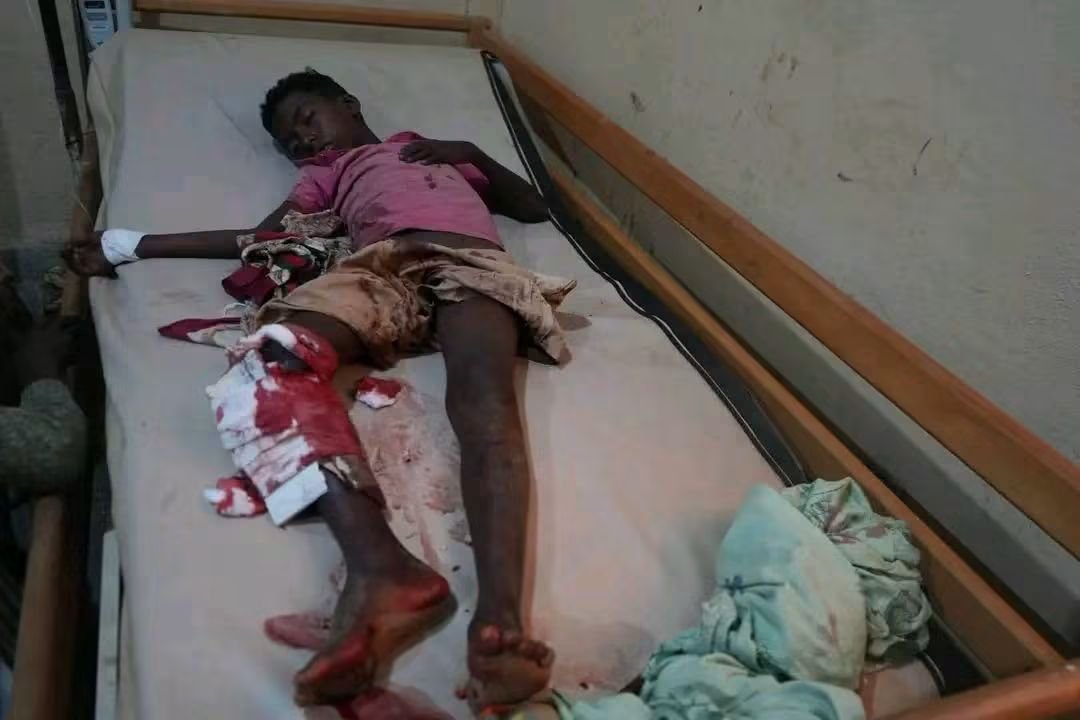
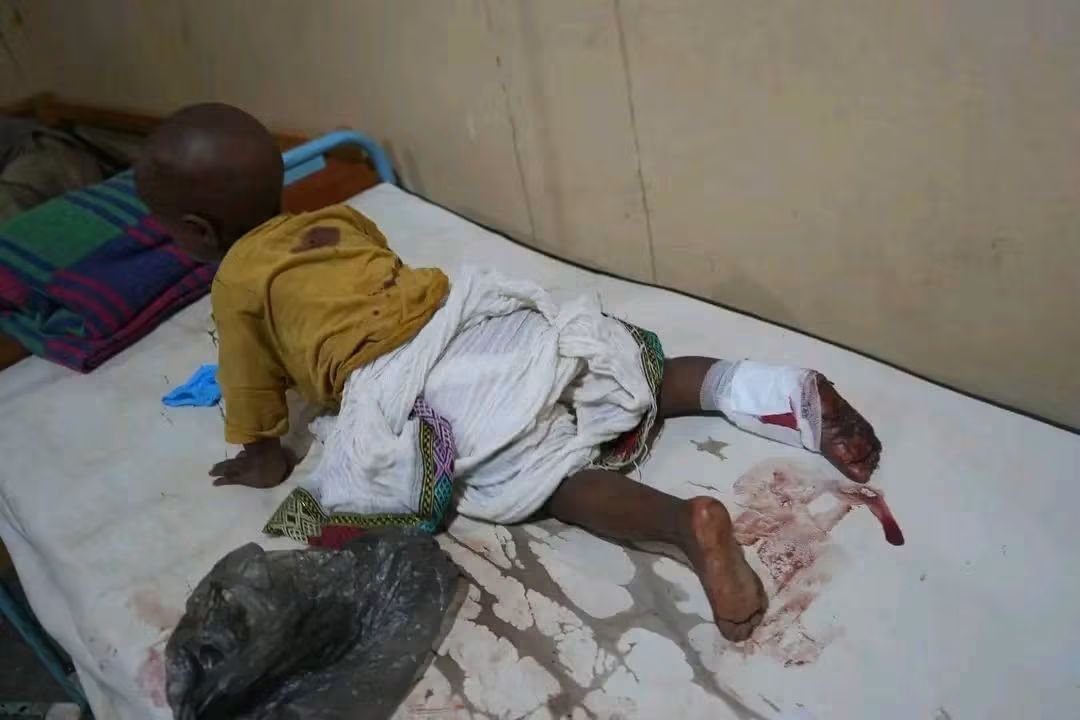
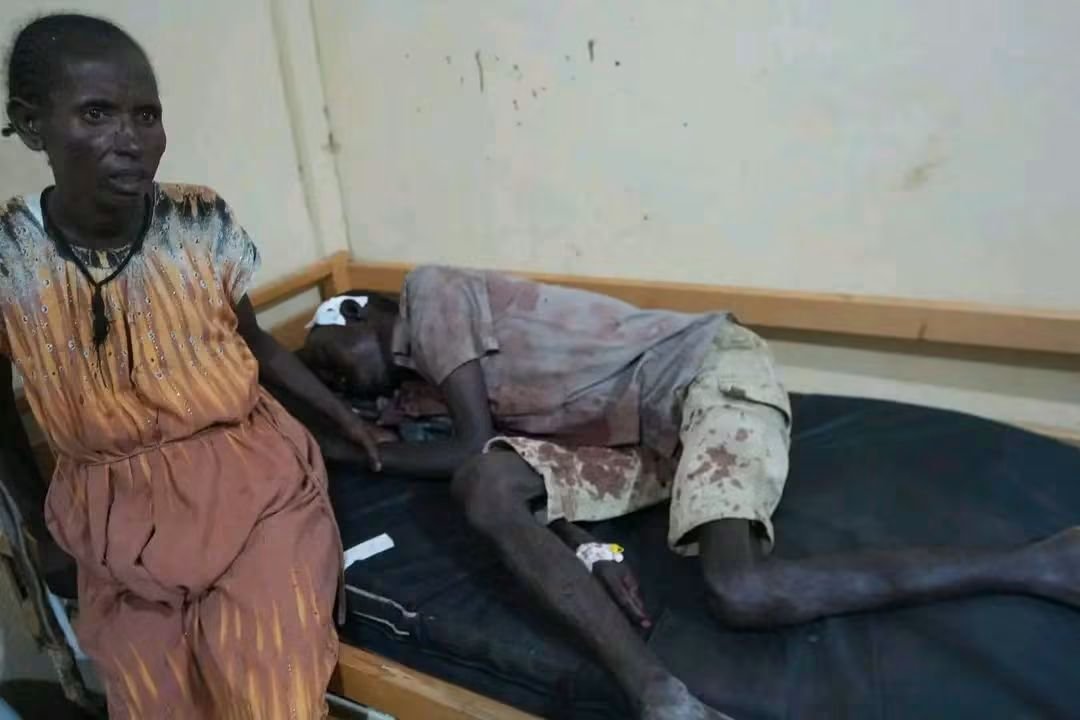
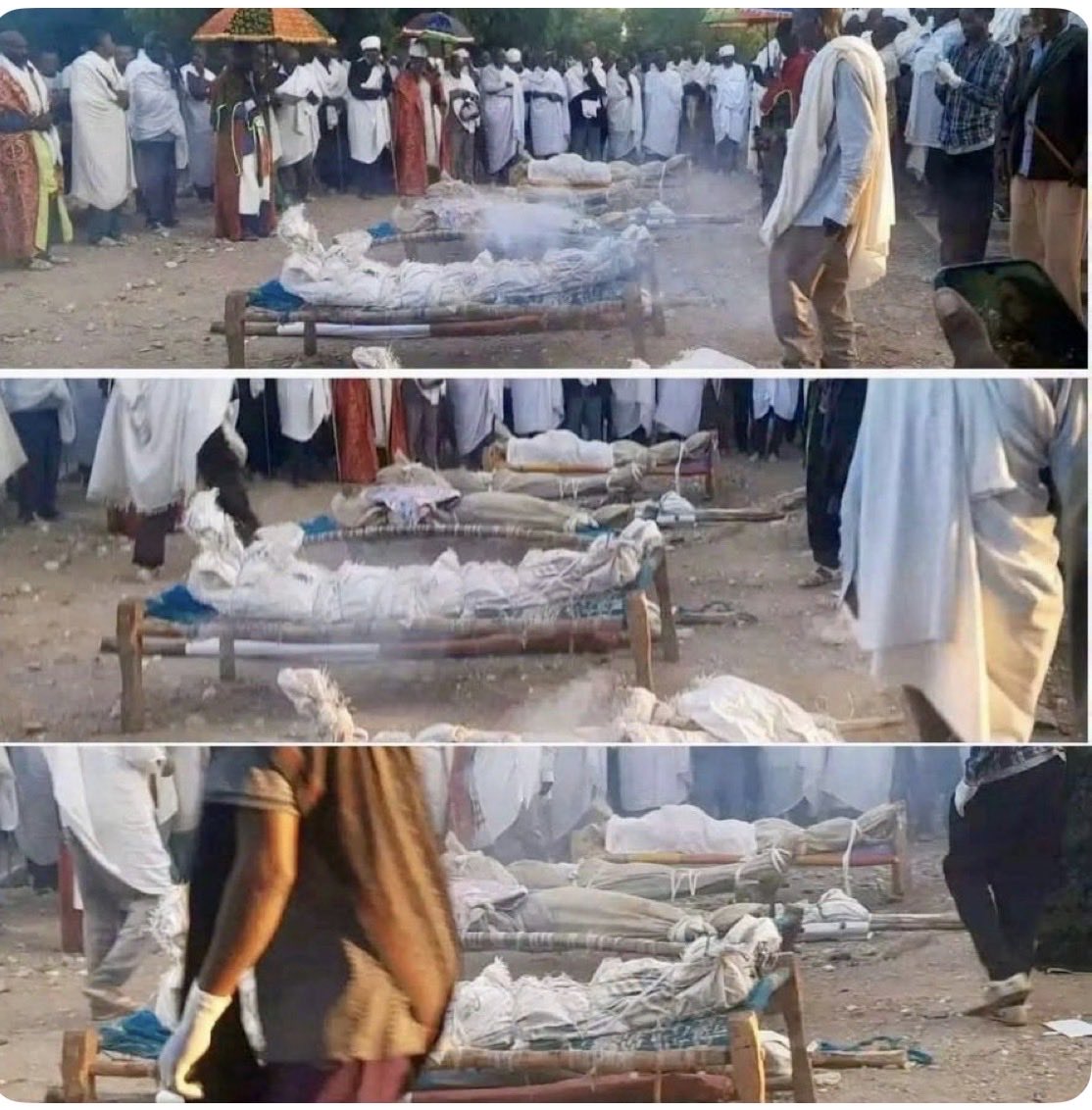
Abiy Ahmed’s drones struck the IDP camps in Sheraro again last night, reportedly killing nine civilians, including a child, and injuring six others.
The conduct of Abiy Ahmed’s government increasingly defies the basic norms expected of a state. Civilians and civilian infrastructure appear repeatedly in the line of fire.
What makes this even more tragic is that the world knows these attacks are happening, yet meaningful international action remains painfully absent.
The war launched in 2020 displaced these people from their homes and forced many of them to spend more than five years in IDP camps. Now, even those camps offer no refuge. People who fled violence and lost their homes are being subjected to missiles and bombs in the very places where they sought safety.
And when the camps themselves are not struck, humanitarian relief and the routes needed to deliver food and essential supplies have also faced attack and disruption.
The pattern deserves urgent international scrutiny, independent investigation, accountability, and protection for civilians. Allegations of genocidal acts and other grave violations cannot simply be met with silence.
These victims are not statistics. They are civilians who have already endured years of displacement, deprivation, and war.
Their lives matter. Their suffering should not be treated as though it is happening on another planet.
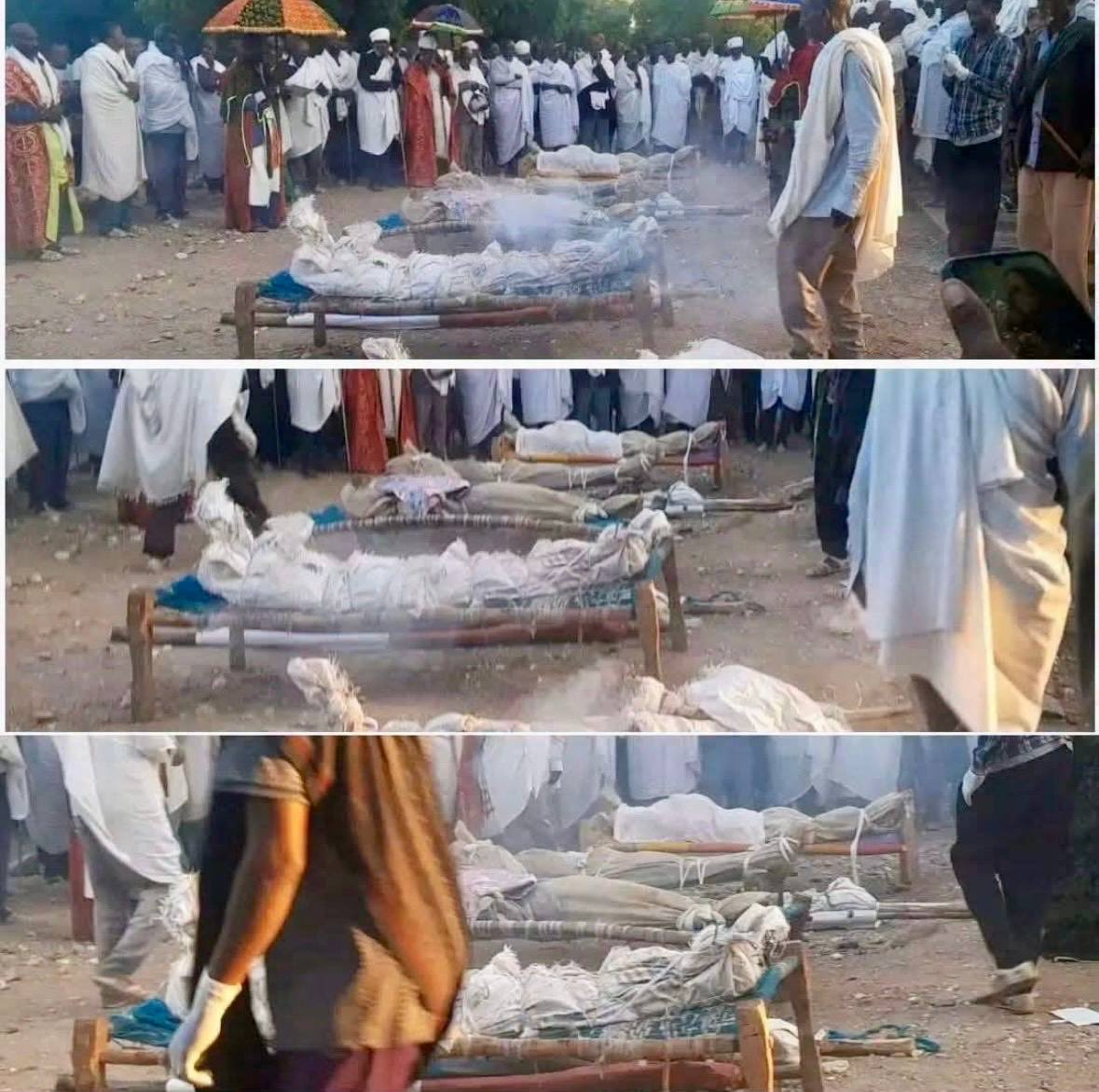
The funeral service for a mother and her five children, who were among the internally displaced people (IDPs) massacred in the Ethiopian government drone attacks in Sherraro, Northwestern Tigray, highlights the severity of the war crimes. The involvement of the United States, the European Union, and the international community in enabling this genocide raises significant concerns regarding the adherence to humanitarian principles and laws.
@SenateForeign@SenatorShaheen@SenatorRisch@SenatorCardin@SenBooker@ChrisCoons@SecRubio@ChrisVanHollen@antonioguterres@EUCouncil@EU_Commission
#Ethiopian federal forces reportedly carried out air and artillery strikes on Maychew and Alamata in #Tigray, causing civilian casualties. Ayder Hospital in #Mekelle said it received 44 critically injured civilians, including 33 children.
A MEDIA HOUSE IS NOT A BATTLEFIELD
--------------
Today, a drone struck the headquarters and studios of Tigrai TV in Mekelle, damaging the station and forcing it off the air.
How does a government that claims to respect law, civilian life and democratic principles explain a military strike on a television station?
Journalists are not combatants. Cameras are not weapons. Newsrooms are not battlefields.
This attack is especially alarming because Ethiopian authorities had already suspended Tigrai TV's license and prohibited other Ethiopian media outlets from rebroadcasting or using its material. Now its physical headquarters has been struck.
Whatever disagreements a government may have with a media organization, the answer is law, due process, rebuttal and open public debate - not bombs or drones. Only Abiy Ahmed considers, if in Tigray, media and journalists are legit military targts.
The international community, the African Union, human-rights organizations and press-freedom institutions should demand an immediate, independent investigation into who ordered and carried out this strike and whether a civilian media facility was deliberately targeted.
The people of Tigray have already endured years of war, displacement, communications restrictions and immense suffering. Silencing one of the region's principal sources of information at a moment of renewed fighting only deepens the danger.
A government confident in its case answers journalism with facts.
It does not answer a television studio with a drone.
#Tigray #PressFreedom #ProtectJournalists #Ethiopia #cpj
@mofauae The UAE has no moral or diplomatic standing to condemn anyone in Ethiopia.
From Libya and Yemen to Sudan, Somalia, and Ethiopia, its record is unmistakable: the UAE has become one of the foremost exporters of conflict in the region, and nowhere more so than in the Horn of Africa.
In Ethiopia, it is the UAE that stands to be condemned. It has poured financial and military support into a repressive regime, including armed drones supplied and operated by Emirati personnel that have killed civilians. For this, it will be held to account.
A statement invoking "sovereignty" and "the protection of civilians" rings hollow from a patron of the very violence it claims to deplore.
The newly formed Alliance of Ethiopian Forces seeks to restore peace, protect civilians, and defend Ethiopia's genuine sovereignty, which belongs to its people, not to foreign sponsors. @AJEnglish@BBCWorld@BBCAfrica@TheAfricaReport@TheEconomist@SudanTribune_EN@SudanTrends@Reuters@martinplaut@amnesty@hrw@washingtonpost@nytimes@mofauae
UAE- YOU CANNOT CONDEMN TIGRAY’S RESISTANCE WHILE LOOKING AWAY FROM TIGRAY’S CIVILIANS
--------
The United Arab Emirates' September 25 statement on Ethiopia is deeply troubling, not simply because of what it says, but because of what it conspicuously leaves unsaid.
The UAE chose to strongly condemn the Tigray People's Liberation Front and the armed alliance opposing Ethiopia's federal government, while declaring its "full solidarity" with that government. Yet the statement says nothing about the Ethiopian government's recent aerial attacks in Tigray or the civilians who have been harmed by them.
That omission is particularly difficult to reconcile with evidence published by Human Rights Watch on the very same day.
On September 25, Human Rights Watch reported that an apparent Ethiopian government airstrike on a residential compound in Mekelle on August 20 wounded 13 civilians, including seven children. HRW found no evident military target at the compound or in its vicinity and concluded that the attack was unlawfully indiscriminate and should be investigated as a possible war crime.
Where was the UAE's condemnation of that attack?
Where was its concern for those seven children?
If Abu Dhabi's stated concern is genuinely the protection of civilians, Ethiopia's sovereignty, implementation of the Pretoria Agreement, and peace in the Horn of Africa, those principles cannot be invoked selectively.
Tigray's civilians have already endured years of devastating war. Human Rights Watch and Amnesty International previously documented grave violations in Western Tigray, including unlawful killings, torture, sexual violence, arbitrary detention, forcible displacement and other abuses that they concluded amounted to war crimes and crimes against humanity. Accountability for these atrocities remains an unfinished international responsibility.
The UAE should therefore exercise particular caution before presenting Ethiopia's present crisis simply through the political narrative of the federal government.
There are also serious questions about Abu Dhabi's own expanding military and geopolitical footprint in the Horn of Africa.
Reuters reported in February 2026 that eight sources, including a senior Ethiopian government official, said the UAE financed the construction of a military training camp in western Ethiopia for fighters associated with Sudan's Rapid Support Forces and provided trainers and logistical support. The UAE has categorically denied supporting the RSF, and those denials should be acknowledged. But allegations of this magnitude, supported by multiple sources, documents and satellite analysis reported by an international news organization, deserve transparent answers rather than dismissal.
Sudan's military has separately alleged that drones operating from Ethiopian territory were involved in attacks inside Sudan and has accused both Ethiopia and the UAE of involvement. Ethiopia and the UAE deny those allegations. Precisely because these claims are disputed, independent investigation and transparency are essential.
The Horn of Africa is not an arena in which outside powers should pursue strategic competition without regard for the lives of Africans who bear its consequences.
Nor should financial partnerships, military relationships or geopolitical interests grant any government immunity from criticism when civilians are harmed.
The UAE says that it supports the Pretoria Peace Agreement like it cared. I am even surprised the UAE suddenly told us that it a knowledge about that Peace Agreement, which was signed despite UAE's spoiling role, and only because other well meaning actors helped. Then if it suddenly be inspired to become a late peace promoter, which I doubt, it should support the agreement consistently - including civilian protection, peaceful resolution of disputes and implementation of outstanding commitments - rather than appearing to assign responsibility selectively.
@USEmbassyAddis You don’t have the demeanor to serve as a diplomat for the US gov|t. You’re acting as an activist for 🇪🇹|n regime. For the last 2 months the genocidal @AbiyAhmedAli|’s regimes has been conducting drone & fighter jet attacks on the #Tigray|an civilian popl|n. You have been silent.
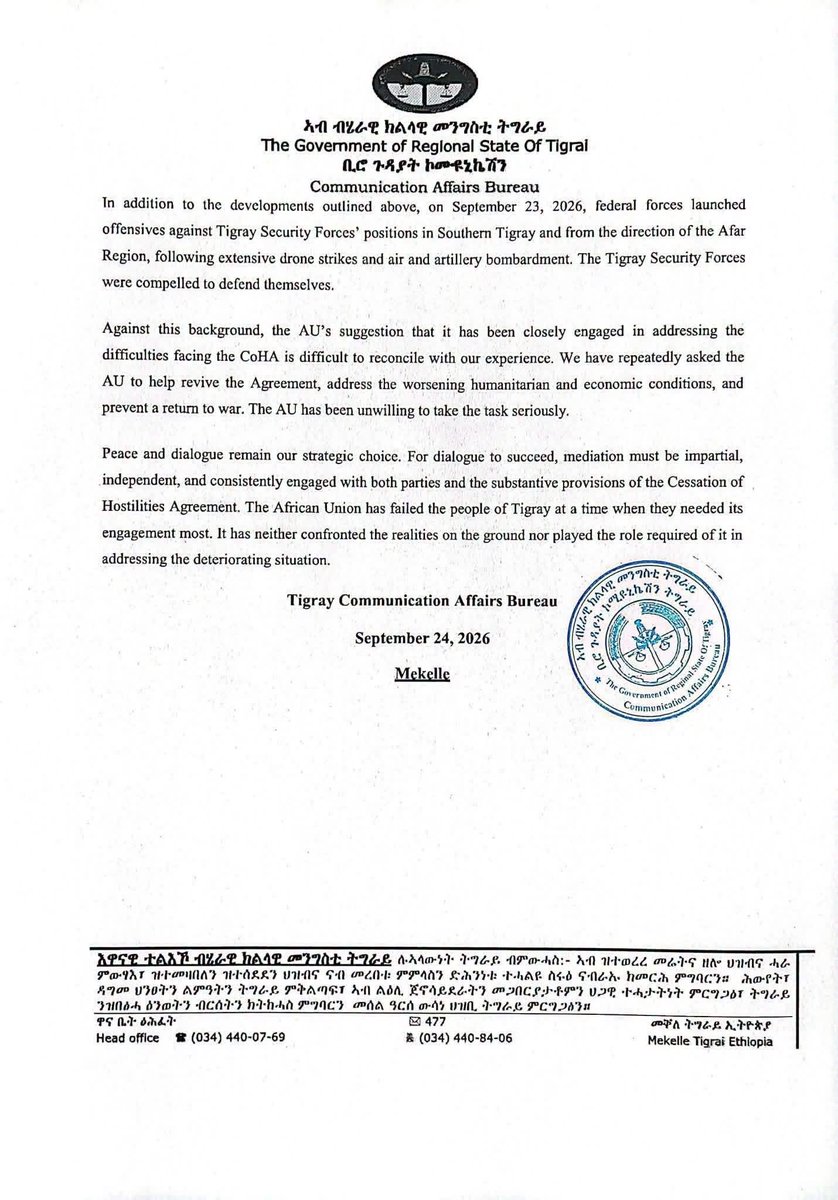
For the past six years, Abiy Ahmed's regime has been accused of perpetrating genocide, and it has now initiated another invasion, violating international humanitarian and human rights laws. The regime has employed various tactics to escalate its genocidal actions aimed at eradicating the Tigrayan population. On September 22, 2026, this ongoing atrocity, involving aircraft, drones, and artillery, escalated into an overt invasion and assault on Tigray. In response, the Tigray Army is actively defending against this aggression. It is evident that the regime instigated the conflict, and Tigray forces are currently engaged in a counteroffensive to protect Tigray and its inhabitants. @SecRubio@StateDept@SenateForeign@SenatorShaheen@SenatorRisch@SenatorCardin
News Analysis: Latest #drone_strike hits humanitarian aid truck carrying 41 tons of food in northwestern #Tigray
Abrhaley Girmay, mayor of Adi-Daero, told #Addis_Standard that the incident occurred at around 3:30 a.m. in Swudey village, in Hibret Tabia, between Adi-Daero and Adi-Nebried in northwestern Tigray.
According to Abrhaley, the drone struck the area three times. The first strike hit a public road, followed by a second strike in cultivated farmland, before a third strike targeted the truck carrying humanitarian assistance to internally displaced people (IDPs) in Sheraro.
Addis Standard also spoke to Birhane Gebretsadik, the truck driver, who survived the reported strike. “I was traveling from Mekelle to the Sheraro IDP center to deliver humanitarian assistance when I suddenly saw a drone circling in the sky,” Birhane said. He said the first strike hit the road, causing the area to vibrate and shattering the vehicle’s windows.
https://t.co/ParBzoWerV
Abiy Ahmed's drone Hits School Again, Injuring Nine Civilians in Alamata of Southern #Tigray
----
The genocidal regime of Abiy Ahmed's drone hit Zikhre Meles Secondary School in Alamata, Southern Tigray, on Tuesday, September 22, injuring nine civilians and causing severe damage to the school.
According to report from Dimtsi Weyane, the strike occurred at around 9:30 a.m., with the victims sustaining severe and minor injuries.
Mayor of Alamata, Moges Shiferaw, said the injured were taken to Alamata General Hospital for medical treatment. He also urged residents to remain vigilant, saying the drone was still hovering over the area.
The drone strike comes amid heightened military tensions around Alamata and previous reports of drone strikes across Tigray that have caused civilian casualties and damage to infrastructure.