📣Exciting news! Our #REU & #CALIBIR summer program is now accepting applications‼️
Open to undergraduate & masters students from all institutions, including WFU & community colleges 🌟
Don't miss this chance to dive into hands-on research & apply now!➡️https://t.co/R8KBqVwZoF
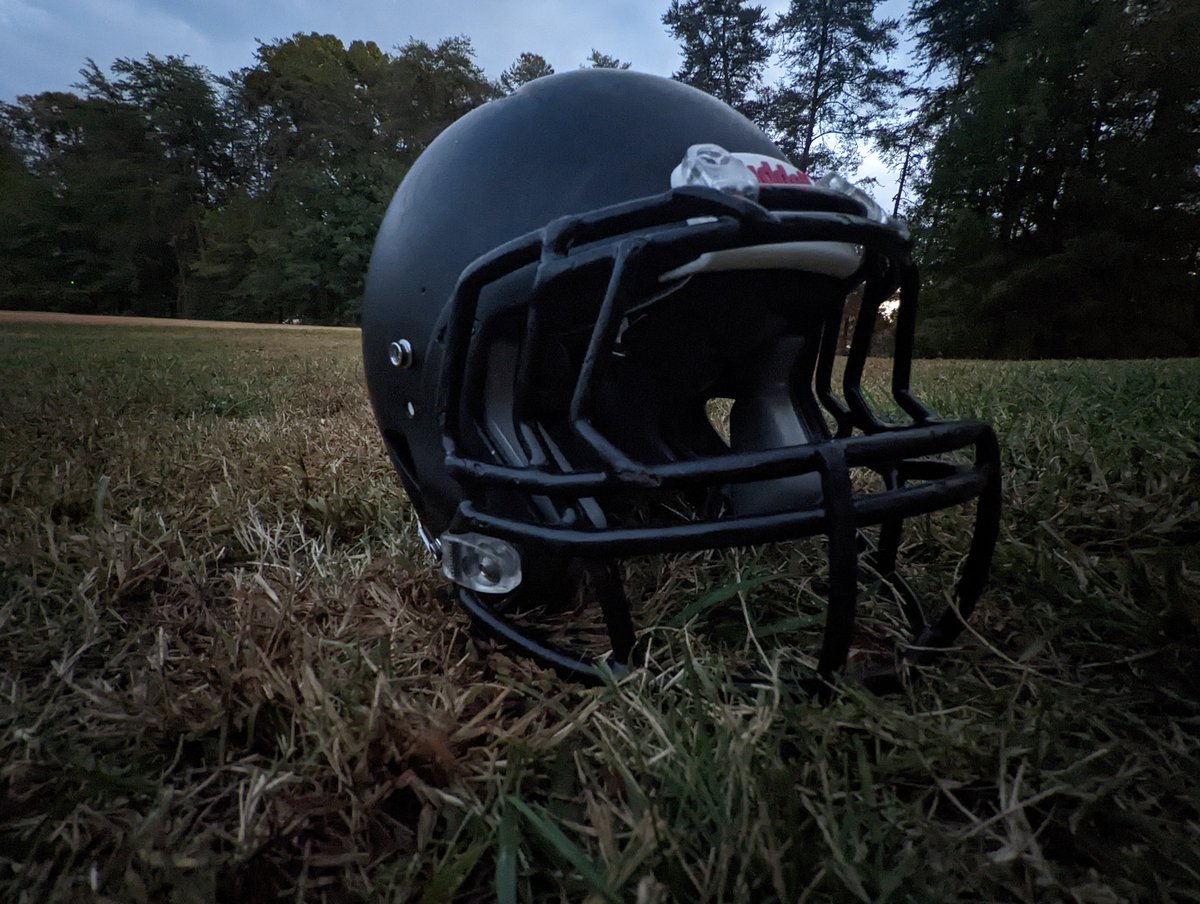
📢 #NewPub from CIB faculty members @jillurban & @jstitzel! Check out their study on head kinematics in football 🏈 Co-authored by Ty Holcomb, @Madison_Marks10, Stewart Pritchard, @loganem, @DrGSBullock, & Steve Rowson 👏
🔗Read more via @SpringerNature: https://t.co/iusBsZHYY2
Learn about how @LaraWeed, a PhD candidate and part of a Wu Tsai Performance at @stanford seed grant, became interested in the impact of sleep and the menstrual cycle on neuromuscular performance in women in this @StanfordEng profile. https://t.co/wf4xk0SXNY
New Agreement Aims to Engineer Improved Access to Rural Healthcare. Center for Biomedical Innovation and the University of Vermont Health Network Partner to Develop Modular Healthcare Delivery Vehicle #uvmresearch@uvmcems
https://t.co/l2WX7cfLxG
We're hiring a research specialist to help us collect, manage, and analyze our brain imaging and behavior data! Please spread the word, or come join us yourself! https://t.co/Fh7GwoxeSz
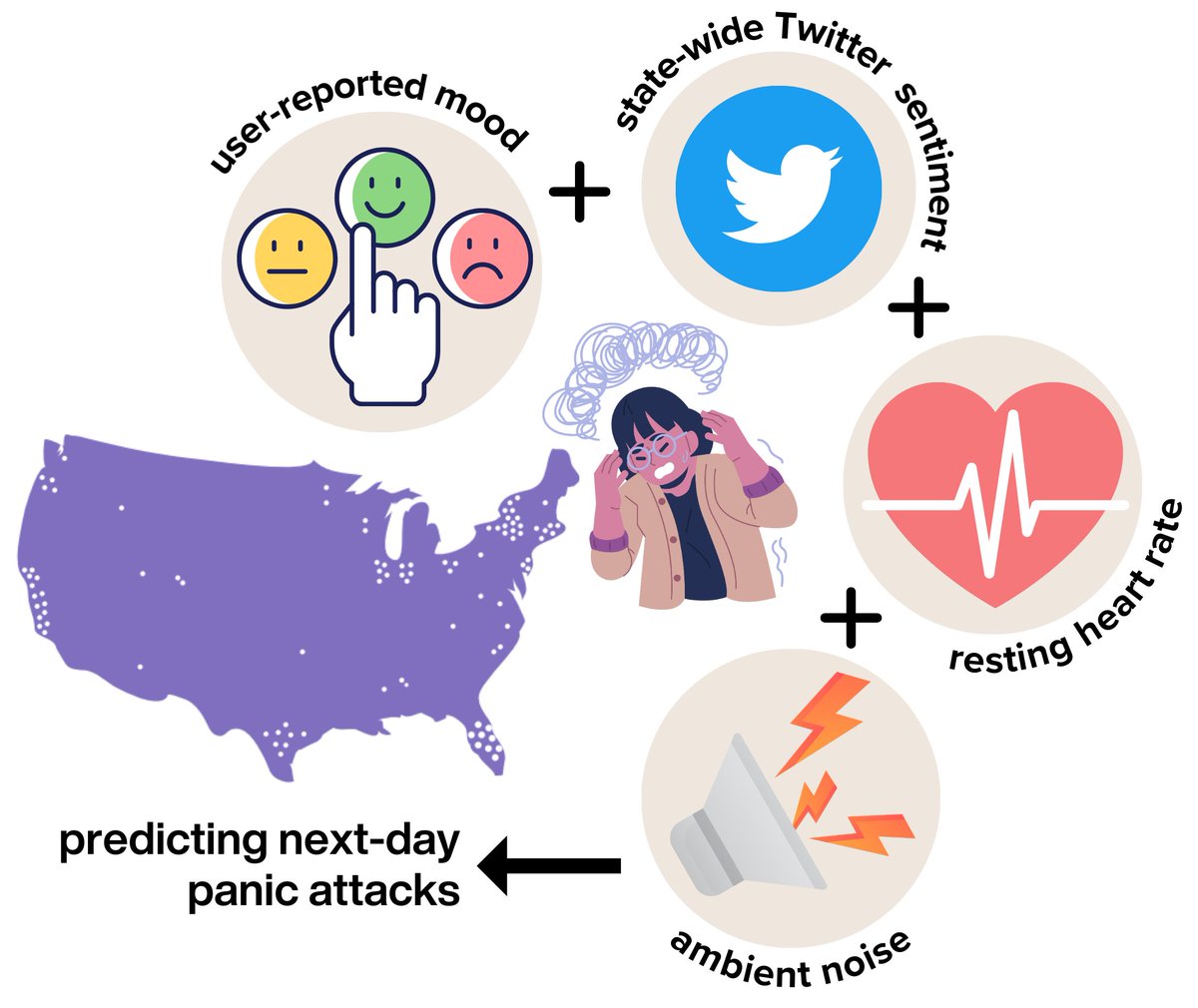
🌟Exciting news!🌟Our paper, "Expecting the Unexpected: Predicting Panic Attacks from Mood, Twitter, and Apple Watch Data," is now out in @IEEEembs OJEMB.🧠 Over 28% of adults have experienced panic attacks; we dive into new ways to predict & prevent them: https://t.co/6K5vh65ICb
Thank you @SciRobotics for giving researchers like myself, Edoardo Battaglia, and @MarcieOMalley a platform to advocate for greater inclusion of end-users in prosthesis research by publishing our article featuring four prosthesis users as authors who kindly shared their stories!
I am hiring PhD students in the Movement Bioengineering Lab at the University of Utah.
Please share or apply by January 1!
Join us at the intersection of movement biomechanics, computer vision, machine learning, and wearables as we create tools that improve human mobility.
🚀 Delighted to share our latest publication, just out in @IEEEembs JBHI, “The ChAMP App: A Scalable mHealth Technology for Detecting Digital Phenotypes of Early Childhood Mental Health.” https://t.co/lY287gTcwt… 🎉🎉
Perturbations are designed to provoke a specific context of instability that may or may not generalize to a broader understanding of falls risk. Latest from @Andy_Shelt: "Does the effect of walking balance perturbations generalize across contexts?" (1/3)
https://t.co/ssvhW36wcq
🚨 "In a new study in PLOS Computational Biology, a team of researchers at Stanford Univ. introduces OpenCap, a powerful open-source motion-capture application that uses video from two calibrated iPhones working in tandem to quantify human motion and the underlying forces." 😎
#UVM and Gund researchers are tracking how nature, exercise, and stress affect our health.
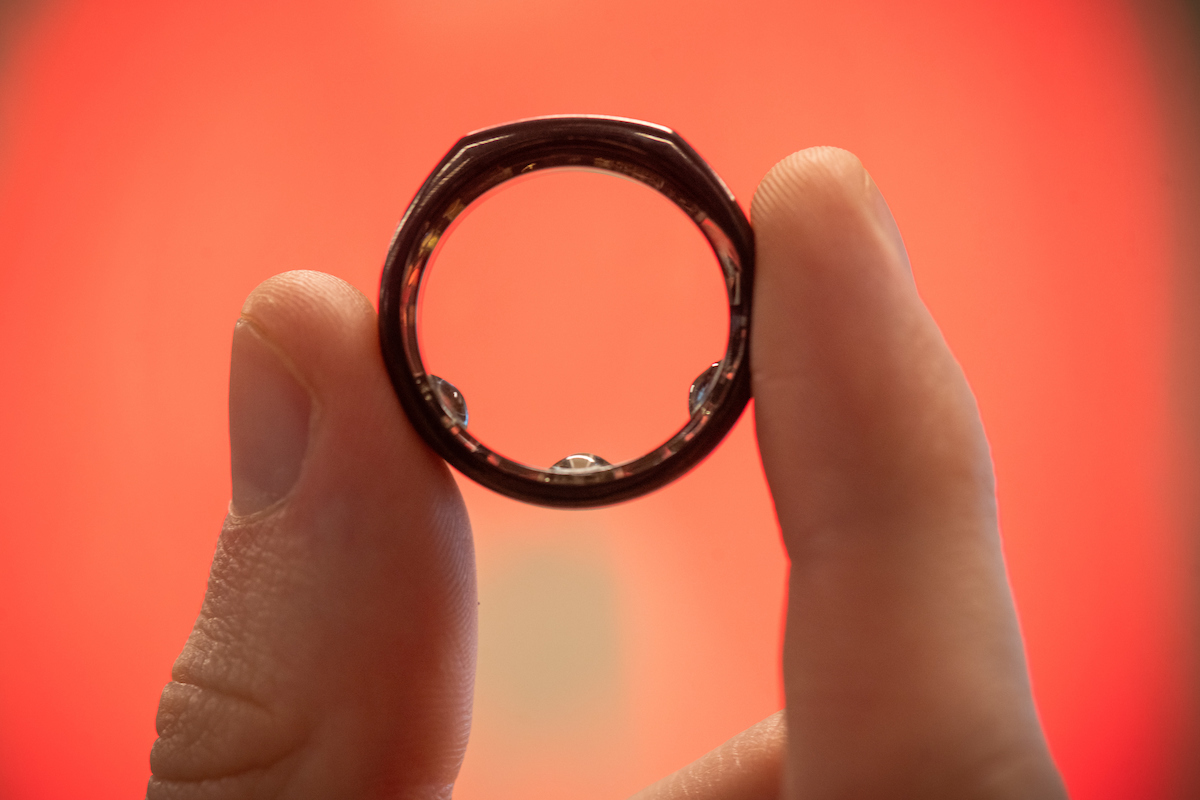
The @uvmcomplexity-led study will use @ouraring to measure biometrics from 600+ people over time.
Read Oura's blog on the LEMURS project: https://t.co/G9O1yTqFl1 #UVMresearch
This, and the huge passion project filling most of my days, are highlighted in a great piece by Kristen Munson & @uvmvermont here: https://t.co/aE6aS1uExw.
Thank you to UVM for this feature and to my awesome mentors at UVM- @MSenseGroup, @othermcginnis, + @CheneyLab!!
"Spatiotemporal Network Data for Social Connections in a University Setting: Implications for Infectious Disease Mitigation"
Upcoming seminar by PhD student & recent NSF GRFP awardee @technologybryn
https://t.co/0vEzh8uH9u








![ChrisDanforth's tweet photo. 🧵Very excited to share some preliminary findings from our Lived Experiences Measured Using Rings Study🧵
[1/14] https://t.co/zUZ9x8aFE7](https://pbs.twimg.com/media/F8Jz13CXAAAaH7Y.jpg)