For decades, biology textbooks have enshrined a simple rule: DNA is made by copying a template. After one enzyme unzips a DNA double helix into separate strands, another called a polymerase builds a complementary sequence, base by base, for each strand. Presto: two copies of the original DNA.
But new research into how bacteria defend themselves from viruses now shows this synthesis rule isn’t absolute.
Now, a team describes a bacterial enzyme that synthesizes DNA without a nucleic acid template, using its own structure as a guide.
Learn more: https://t.co/TeUWvyO0OD @NewsfromScience
IMPORTANT!
Dear friends, we need your help.
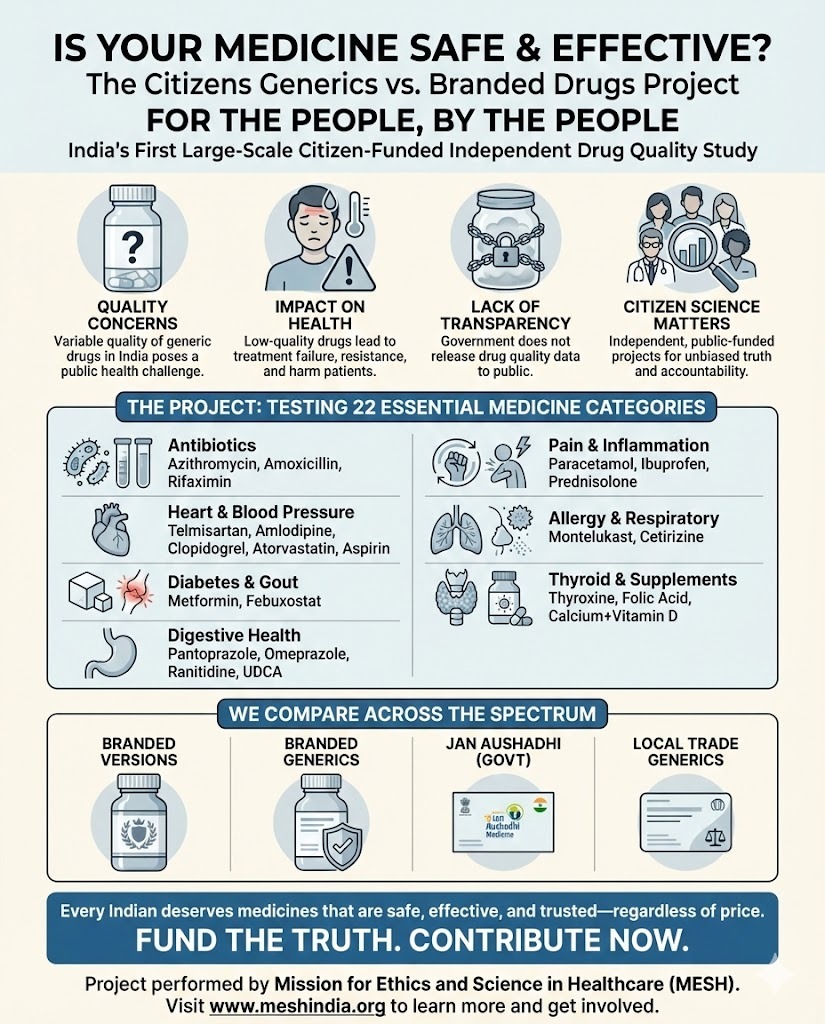
The Citizens Generics vs. Branded Drugs Project is now LIVE! for your contributions.
India is the "Pharmacy of the World," supplying 20% of global generic medicines. Yet millions of Indian patients remain trapped between unaffordable branded drugs and generics they don't trust.
We're changing that through citizen-funded science.
The question we're answering: Is your affordable medicine just as effective as the expensive brand—or are you compromising your health to save money?
Our project analyses essential medicines across critical therapeutic categories to rigorous laboratory analysis:
✅Antibiotics - Azithromycin, Amoxicillin, Rifaximin
✅Heart & Blood Pressure - Telmisartan, Amlodipine, Clopidogrel, Atorvastatin, Aspirin
✅Diabetes & Gout - Metformin, Febuxostat
✅Digestive Health - Pantoprazole, Omeprazole, Ranitidine, UDCA
✅Pain & Inflammation - Paracetamol, Ibuprofen, Prednisolone
✅Allergy & Respiratory - Montelukast, Cetirizine
✅Thyroid & Supplements - Thyroxine, Folic Acid, Calcium+Vitamin D
For each medicine, we compare Branded Drugs, Branded Generics, Jan Aushadhi, Trade and Local Generics (State Government, Generic Aadhar & Dava India)—testing what patients actually buy from pharmacies.
22 types of medicines, 2-4 categories, 133 drugs in total!
All testing is conducted in FDA & NABL-accredited laboratories using country standards:
- Weight Variation Test — to ensure uniformity of dosage units within a batch
- Identification — to confirm authenticity of the active pharmaceutical ingredient
- Assay Testing — Does the tablet contain what the label claims?
- Dissolution Testing — Does the medicine release properly in your body?
- Impurity Profiling — Are there harmful contaminants?
This project is 100% publicly funded with your help! —no pharmaceutical company sponsorship, no conflicts of interest.
Every Indian deserves medicines that are safe, effective, and trusted—regardless of price.
This is brought to you by The Mission for Ethics and Science in Healthcare (MESH).
Support independent pharmacovigilance.
@arifhussaintm
FUND THE TRUTH. CONTRIBUTE NOW.
To make a contribution in specific ways and in your own way, and help us reach our goal, please visit: https://t.co/6YXy2Ko6hT
To read more about MESH and this project, please visit: https://t.co/J57flwNqfB
1/ $PRQR just quietly dropped one of the most important updates in the RNA-editing space. Their new TIDES EU presentation shows progress in CNS that no other ADAR company has demonstrated publicly. Here’s why this matters:
@svembu Mr.Vembu please read.
https://t.co/PrWYffzkiK
"This nationwide cohort study did not find evidence supporting an increased risk for autoimmune, atopic or allergic, or neurodevelopmental disorders associated with early childhood exposure to aluminum-adsorbed vaccines."
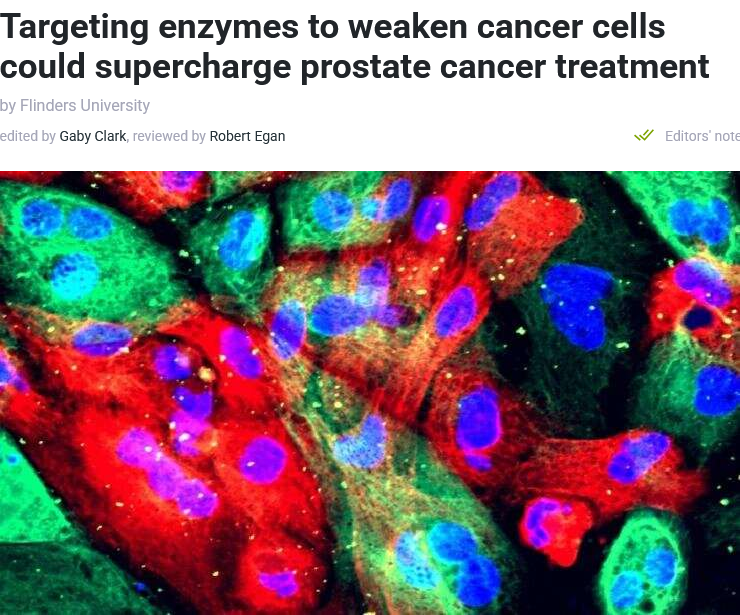
Huge prostate cancer breakthrough
New study reveals how to make prostate cancer self destruct
An international team from Flinders University and South China University of Technology has identified two key enzymes, PDIA1 and PDIA5, that help prostate cancer cells survive and resist treatment by stabilizing the androgen receptor (AR).
Blocking these enzymes causes the AR to collapse, crippling the cancer’s growth and energy production.
When combined with the existing drug enzalutamide, the treatment became far more effective in lab and animal tests.
The findings, published in PNAS, open new paths to overcome therapy resistance in prostate cancer.
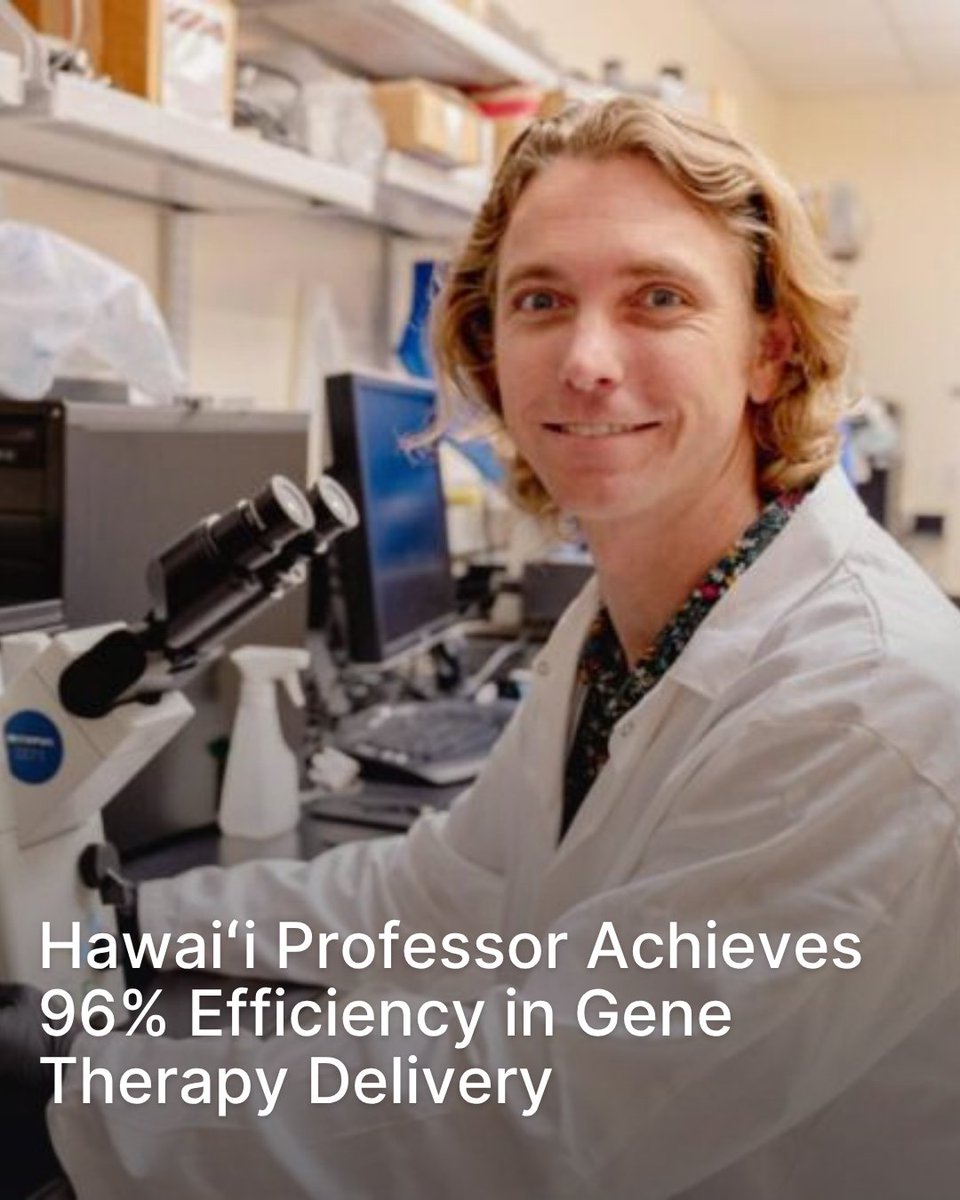
Assistant Professor Jesse B. Owens is developing a groundbreaking gene delivery system that aims to replace entire mutated genes, potentially transforming treatment for genetic disorders and cancers. Utilizing engineered viral enzymes called integrases, Owens’ method promises high efficiency in gene insertion—up to 96% in human cells—without the risks associated with traditional CRISPR techniques.
https://t.co/z6yRkMBtDt
Subscribe to our newsletter and get the biggest biotech news straight to your inbox 🧬. https://t.co/MJeYfDiuRG
#CRISPR #Cancer #GeneTherapy #HealthBiotechnology
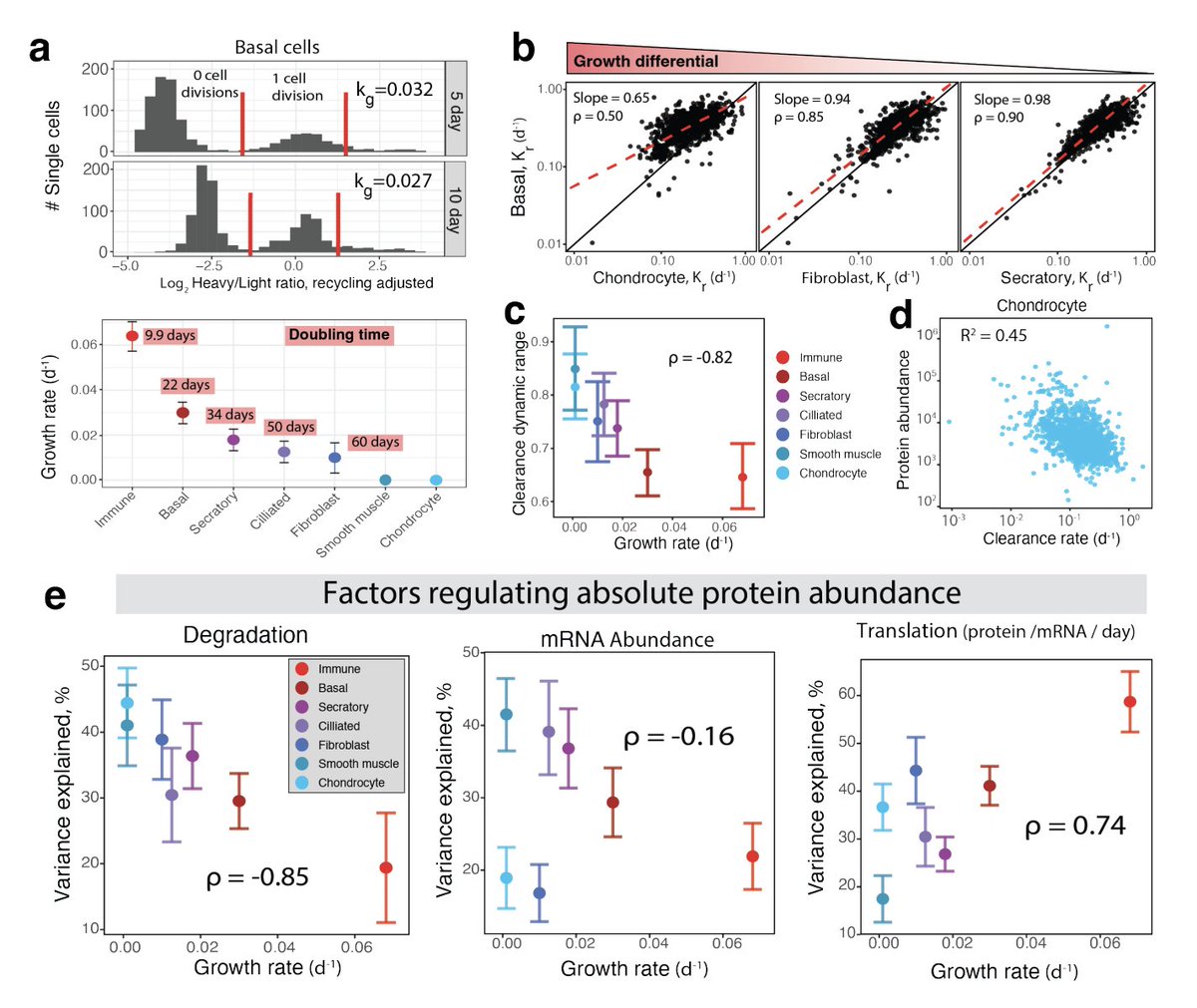
We quantified mRNA abundance, translation, protein abundance, protein degradation and cell growth across thousands of single cells from a mammalian tissue.
The results revealed 𝐜𝐨𝐦𝐩𝐥𝐞𝐱 regulation & 𝐬𝐢𝐦𝐩𝐥𝐞 organizing principles:
https://t.co/KbhYkJDKPt
🧵