#Coming_UP: The Standard Signal |Ep. 12 - Western Tigray and the Unraveling of Ethiopia’s Constitution. Part I
Five years after the war in Tigray began, and three years after Pretoria, Western Tigray remains the clearest sign that Ethiopia’s war has not truly ended, it has merely changed form. In this episode of The Standard Signal, host Tsedale Lemma speaks with political analyst and War on Tigray author Daniel Berhane about how violence became an entrenched reality, why ethnic cleansing has persisted despite the Pretoria Agreement, and how mass displacement is being used as political leverage.
If peace doesn’t restore rights, is it really peace? If people cannot return safely and with dignity, what does return even mean? Is Ethiopia still governed by its Constitution?
Part I premiers at: 7:30 PM tonight.
Subscribe to watch: https://t.co/qfumw5fsAf
#Ethiopia, #Tigray #WesternTigray #ConstitutionalOrder #PeaceAndJustice #IDPRights #RuleOfLaw #HornOfAfrica #PostPretoria
News: “#Ethiopia inches ever closer to war” – The Economist
Ethiopia is edging closer to another devastating conflict as renewed tensions in the #Tigray region raise fears of a wider regional conflagration, The Economist magazine reported in its this week edition.
According to the report, residents of Tigray have over the past year endured repeated periods of anxiety marked by cash shortages, empty market shelves, soaring prices, and food hoarding—each episode reviving memories of the 2020–2022 war.
The Economist warned that the risk of renewed violence remains high. In a parliamentary address on 3 February, Prime Minister Abiy Ahmed accused the #TPLF of being “traitors” intent on “dismantling Ethiopia.”
A TPLF official cited by the magazine said the Ethiopian National Defense Force was “mobilising in full force,” warning that another war could be catastrophic if political restraint fails.
Tensions spiked again when TPLF-linked forces crossed the #Tekeze River into #Tselemti last week. While officials said the move was intended to protest the treatment of returning civilians, some analysts cited by The Economist believe it may also have been aimed at testing federal defenses or securing strategic positions.
The African Union publicly offered to mediate on 30 January, but Ethiopia privately rejected the proposal, telling the #AU to refrain from intervening in its internal affairs, according to sources cited by The Economist.
Read more: https://t.co/fOdI3GaEsX
Mr Ambassador!
I fully acknowledge that even a single unjust death is an unbearable tragedy for the family and community who must endure it.
However, it is important to avoid drawing false equivalences between isolated collateral harm and the deliberate, systematic, and coordinated actions that numerous credible institutions have described as genocide, war crimes, crimes against humanity, and ethnic cleansing.
The war on #Tigray involved multiple states and militias acting in concert, with intentions that were explicitly conveyed, such as to the visiting #EU envoy, Mr. @Haavisto, to devastate the Tigrayan population.
By contrast, the civilian harm that occurred as the #TDF advanced through Afar and Amhara was collateral in nature, not the product of an organized campaign targeting a population. I wish the war had never happened and that the TDF had never been placed in a position where pursuing hostile forces outside Tigray became necessary. The scale and intent of this harm remain far smaller than actions taken by our own government in Iraq, Afghanistan, or Vietnam, not to minimize any loss, but to provide meaningful context.
You do not have to take my word for any of this, though I have also been studying these as part of my academic work on conflict and health and my upcoming book on this topic.
Multiple reputable sources, and, importantly, ordinary people from the affected areas, have documented the atrocities committed in Tigray.
Conversely, I have yet to see credible organizations or verifiable evidence supporting some of the counterclaims currently being circulated.
Mr. Ambassador, you are entitled to your opinion, but it is not supported by any credible independent reports. I encourage you to review the reports shared here rather than rely on hearsay or posts lacking sourcing.
It is also worth recalling that during the first Trump administration, the @AsstSecStateAF office, reportedly influenced by Ambassador Yamamoto and Mr. Reiner, characterized the conflict as mere “law enforcement” and dismissed Eritrean involvement by accusing the Government of Tigray of “internationalizing the conflict.” You were there and you know it well. These assertions have never been formally corrected, despite overwhelming evidence to the contrary. I respectfully hope you will encourage current officials, including @DeputySecState and @DrJPPham, to address and correct this historic inaccuracy.
PS:
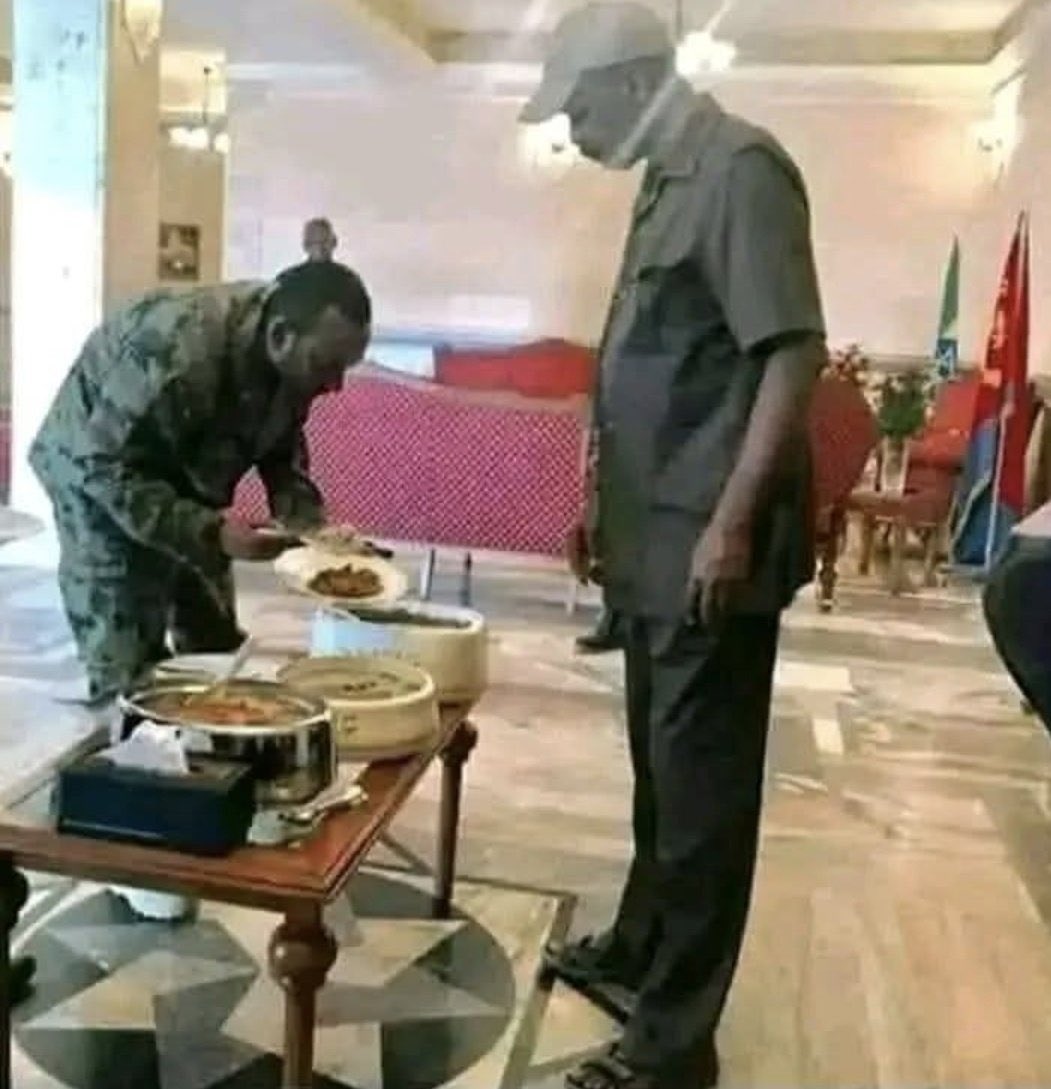
I would like to conclude by sharing images that highlight the stark contrast between the current gaslighting narrative and Prime Minister Abiy Ahmed’s previous public posture of enthusiasm and deference toward President Isaias Afwerki. These images illustrate the now forgotten “partnership”, that resembled matrimonial, that preceded the war on #Tigray. 🤔
@NickKristof@martinplaut@EUinEthiopia@Ethioforumm@DawitSeyoum14@GaltconMikias@DrTedros@Tigrai_TV@dedebitmedia@reyotmedia@YibabeW@EllaAtsbeha@JoeTseGy@TigraiTsier@DrChTouati@umasalam@James_JosephTDL@HouseForeign@HouseForeignGOP@Trevornoah@miaamormottley
More than 6,600 IDPs at the Addi Mehammedai IDP camp are on the verge of death from hunger and disease. Those who escaped the massacres in Western Tigray and managed to reach IDP camps in the rest of Tigray are now perishing in silence.
https://t.co/0cAdfiP9bh
The collective actions triggered by emerging social media leaders to end death by starvation in Tigray are exemplary both in message and method, and deserve support from all of us!
Context in numbers, figures, and maps:
Nearly half of all reported deaths in Tigray are due to starvation, most of them among IDPs.
An academic study covering November 2022–August 2023 found that starvation was the leading cause of death across all age groups, accounting for 49.3% of verified deaths. Children under five and women were among the most vulnerable.
Earlier investigations revealed that over 300 IDPs have died from starvation and lack of medical care at Hitsats IDP Camp in Northwestern Tigray since 2022. These are conservative numbers.
Since July 2025 alone, more than 50 additional deaths have been reported, placing thousands more lives at immediate risk.
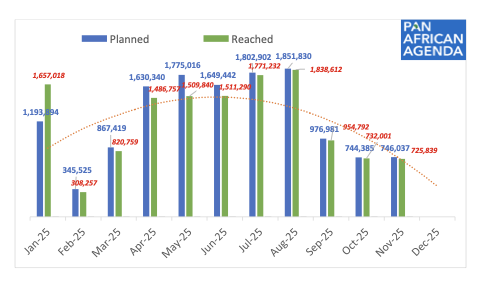
Meanwhile, a dramatic cut in humanitarian aid has deepened the crisis. Food assistance dropped by 56.2%, from 1,657,018 people in January 2025 to just 725,839 in November 2025, mostly IDPs. This means 931,179 fewer people received life-saving support in just eleven months.
History and science are clear: where governance is responsive, famine does not exist. These deaths are not inevitable; they are the result of bad power politics, resource greed, and failed regimes.
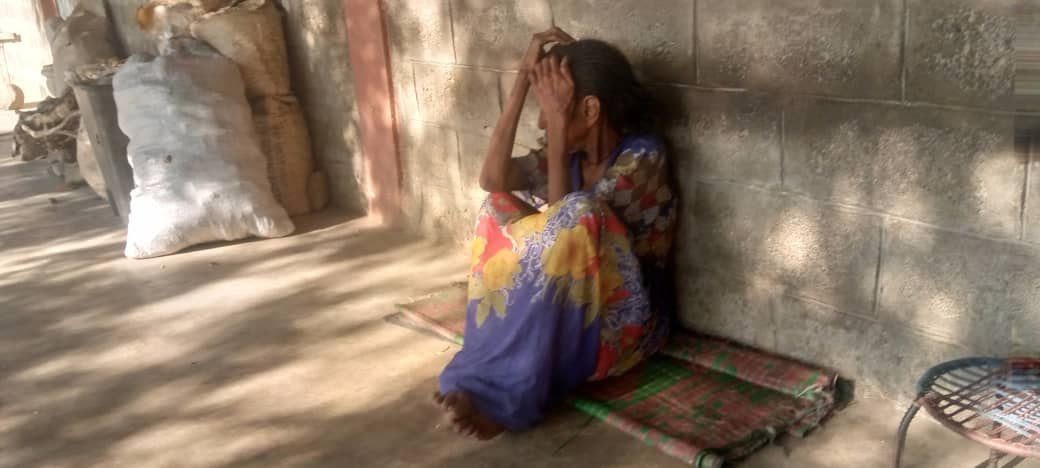
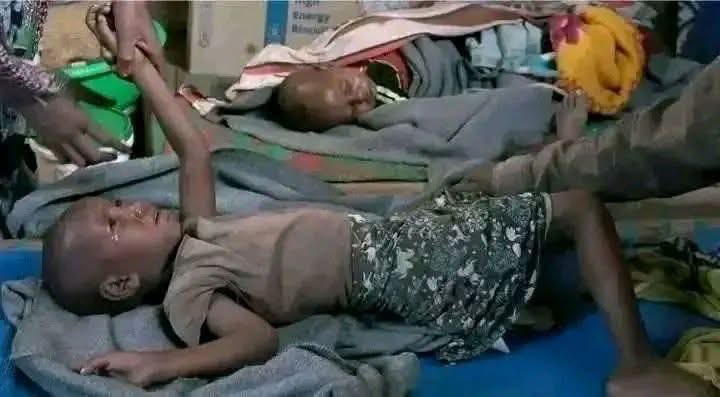
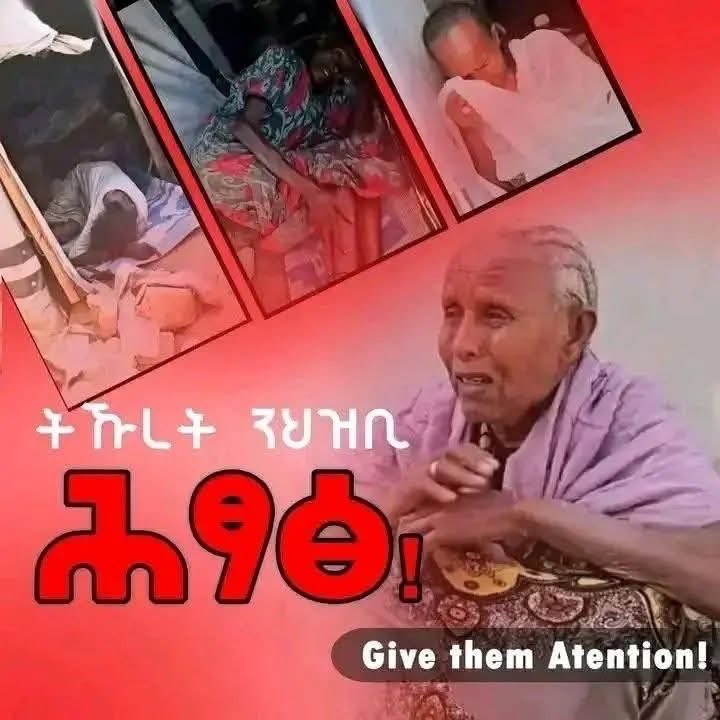
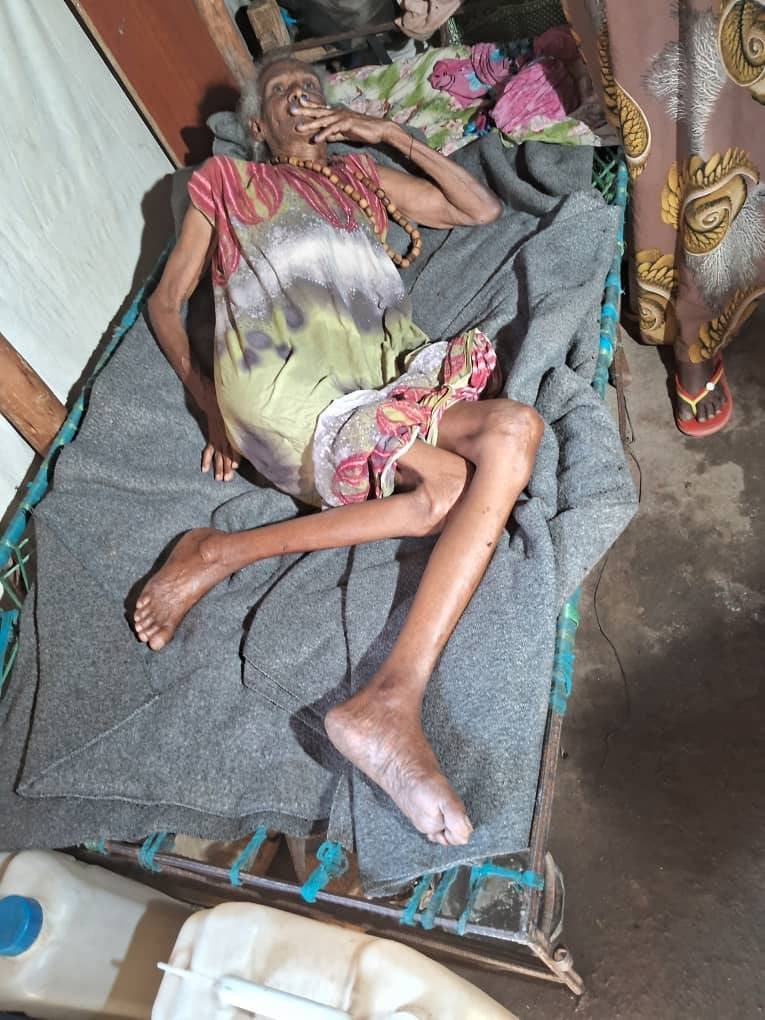
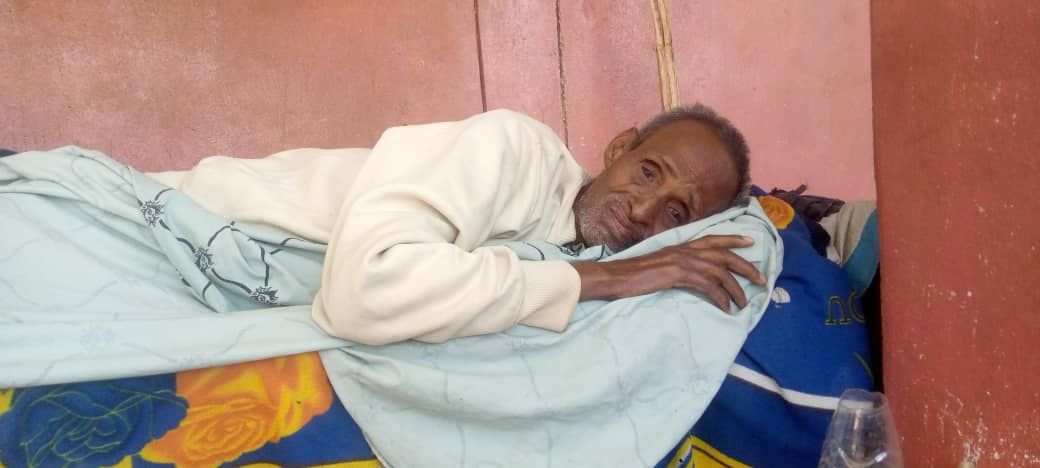
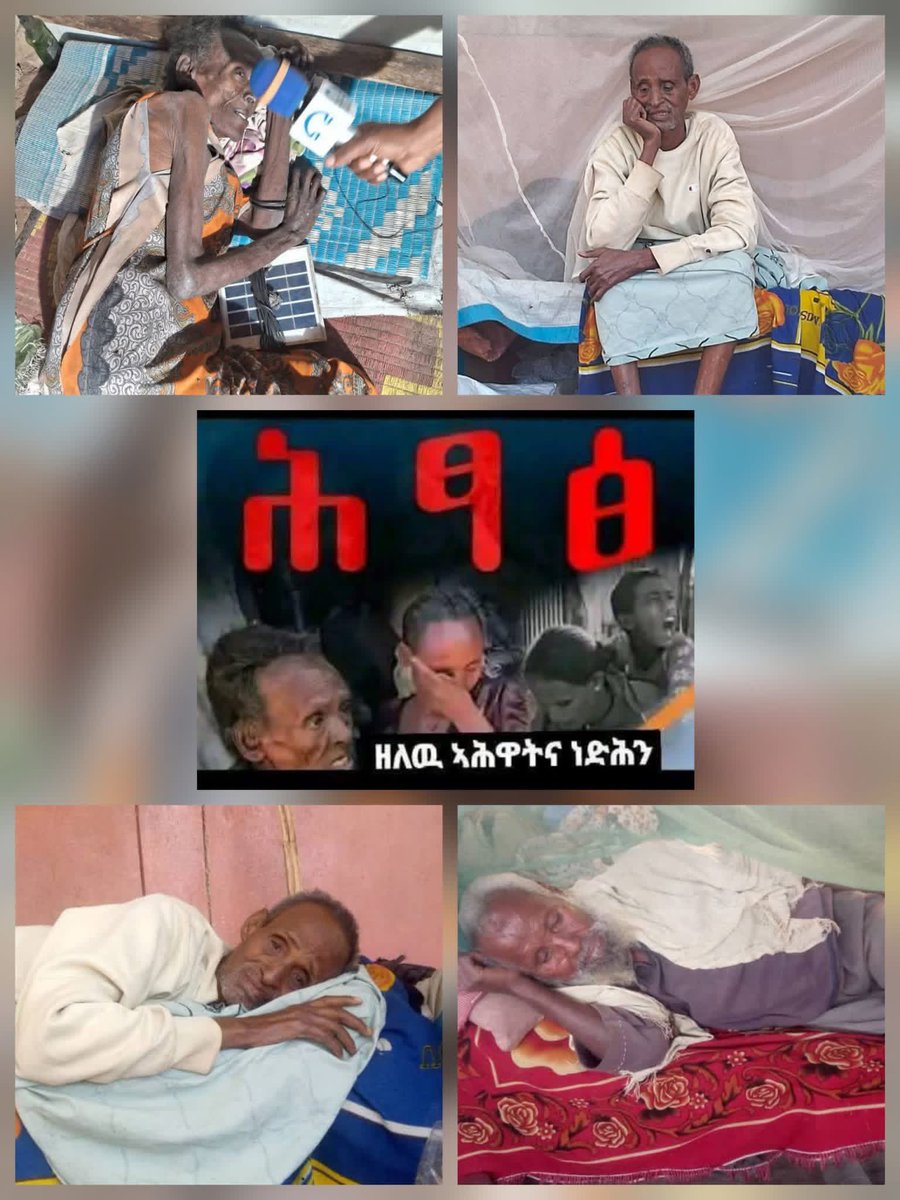
Tigrayans are perishing from hunger. Harrowing images from the Hitsats IDP center.
With about 40% of Tigray still occupied by enemy forces, displaced Tigrayans crowded into the remaining areas are dying under a silent siege and economic blockade..
https://t.co/Pv1LWbh4NH
Why Transitional Justice for #Tigray Is a Fiction
The Pretoria Agreement—esp on transitional justice—lacked credibility from the outset. It placed the process’s design and execution under the federal govt, a party accused of many of the alleged violations.https://t.co/XqohJliVaY
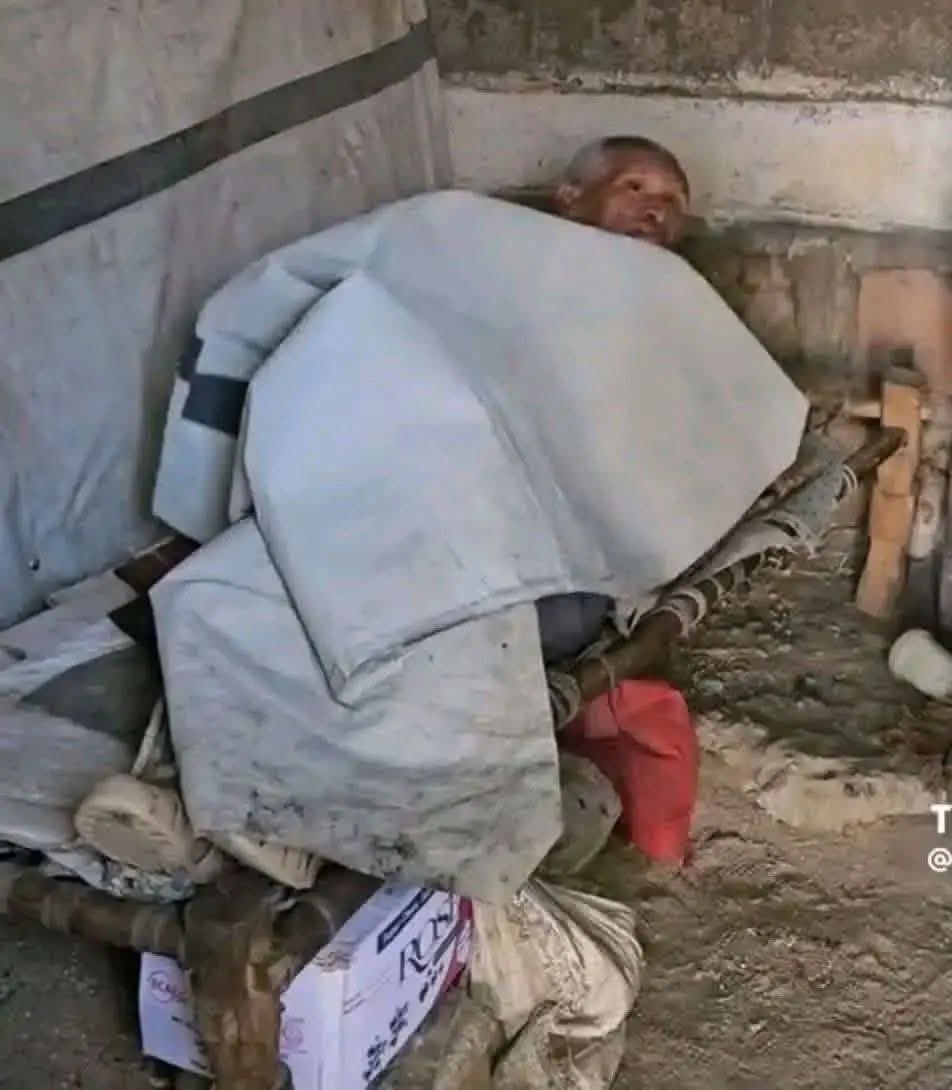
The dire humanitarian crisis at Hitsats and other IDP camps in Tigray, where hundreds of thousands of displaced persons from Western Tigray are facing starvation and medical shortages, has been underscored by recent reports confirming more than 50 deaths.
Accompanying images show malnourished elderly individuals and children in makeshift shelters, highlighting the urgent need for aid amid the lingering effects of the 2020-2022 Tigray war, which displaced millions.
The international community is urged to deliver emergency relief and enforce the 2022 Pretoria Cessation of Hostilities Agreement, as its incomplete implementation, particularly regarding the occupation of Western Tigray, hinders safe returns home.
@SecRubio@ICRC@ICRCEthiopia@WFPChief@WHO@DrTedros@UNICEF@UNICEFEthiopia@UNOCHA@POTUS45@StateDept@antonioguterres@Bankole_Adeoye
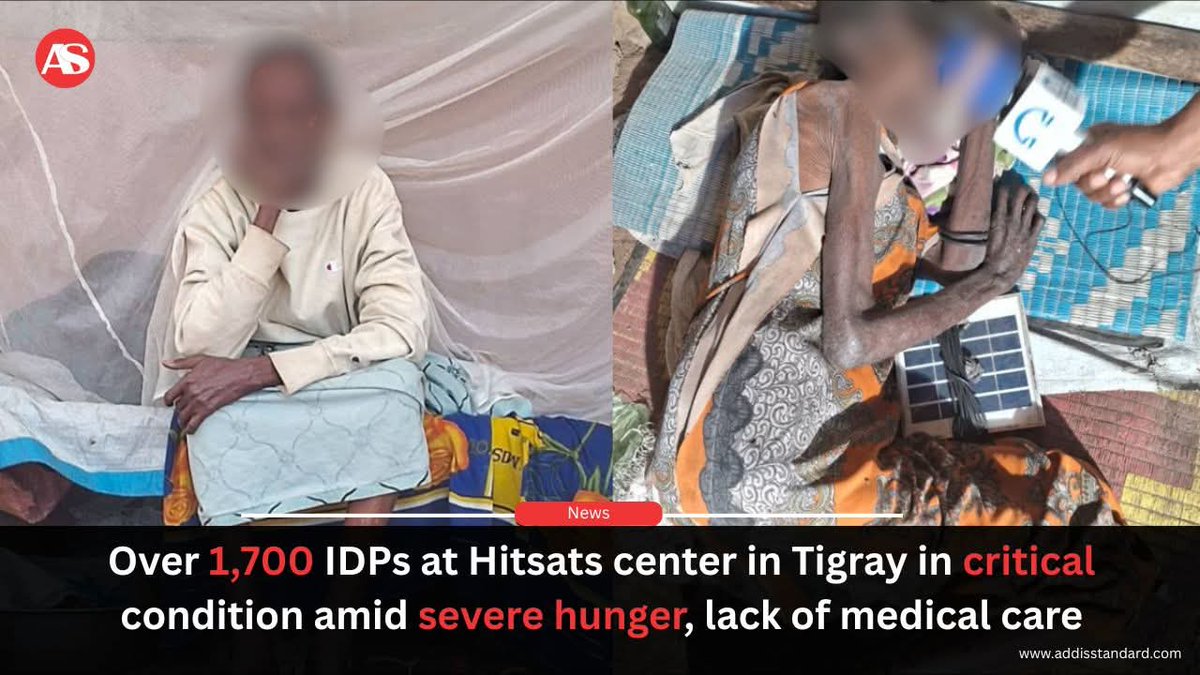
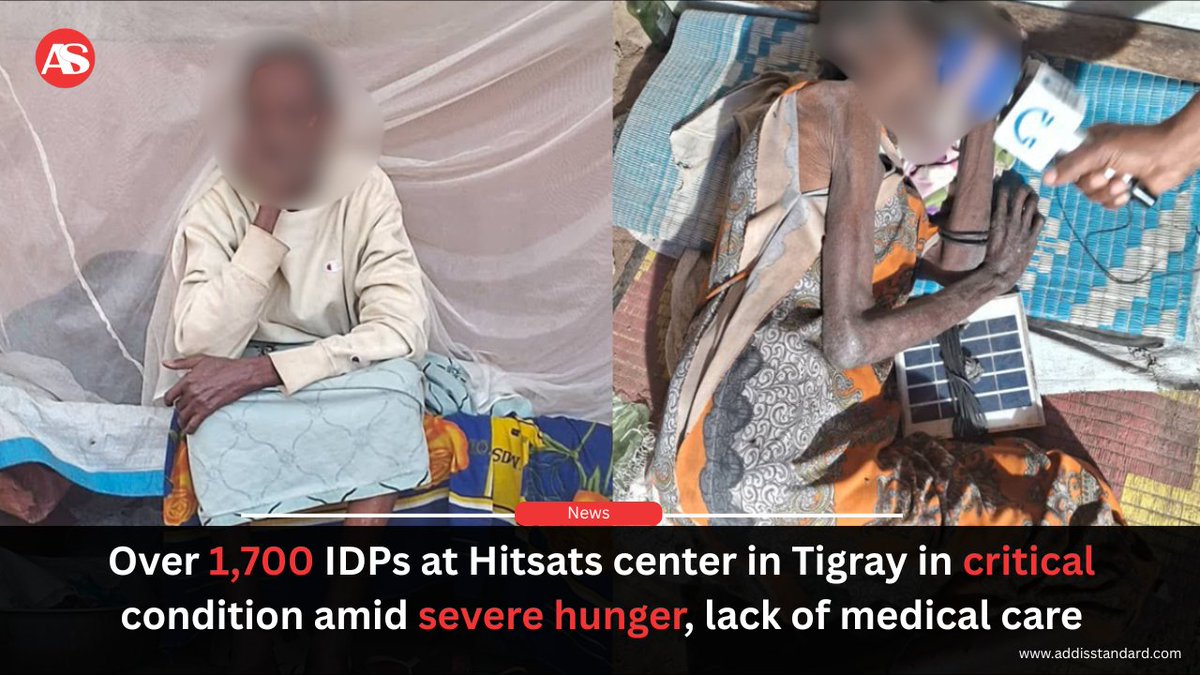
Over 1,700 IDPs at #Hitsats center in #Tigray in #critical condition amid severe #hunger, lack of medical care
More than 1,700 internally displaced persons (IDPs) sheltering at the Hitsats IDP center in Tigray are facing a worsening hunger crisis, with reports indicating repeated fatalities and growing numbers of people in critical condition due to severe food shortages and limited access to medical care.
According to a report by the local broadcaster, at least 50 IDPs have reportedly died amid acute food shortages since July 2025, while approximately 1,700 others remain at risk. Elderly people, women, and children are among those most affected, with residents reporting incidents of people collapsing after going days without adequate food.
Simret, Salsay Weyane Tigray , TPLF and Tigray Interim Administration President issued statement regarding the issue.
Read more at:
https://t.co/Y2yilj0zw1
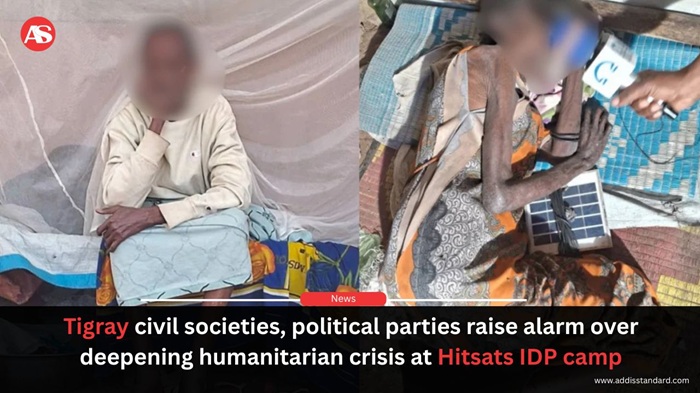
#Ethiopia: Tigray civil societies, political parties raise alarm over deepening humanitarian crisis at #Hitsats IDP camp
A growing number of political parties, civil society organizations, and advocacy groups have issued urgent appeals warning of a deepening humanitarian crisis at the Hitsats internally displaced persons (#IDP) camp and other displacement sites across #Tigray, citing deaths from hunger, lack of medical care, and what they describe as prolonged inaction by authorities and the international community.
Addressing the crisis, Gebrehiwot Gebregzabher, head of the Disaster Risk Management Commission, told Addis Standard earlier today that “Eighty percent of the IDP population across 146 camps in Tigray originates from Western Tigray,”
He said fuel shortages have significantly worsened the humanitarian response on the ground, limiting the distribution of available assistance.
In a joint appeal addressed to senior officials of the United Nations, major humanitarian agencies, and donor governments, the Global Society of Tigray Scholars and Professionals (#GSTS) said internally displaced people in Hitsats and other camps are “already dying from starvation, malnutrition, and preventable diseases.”
The Tigray Independence Party (#TIP) also issued a statement expressing its outrage over deaths caused by a “man-made famine,” particularly among IDPs displaced from Western Tigray and currently sheltering at the Hitsats camp.
Meanwhile, Tsilal Western Tigray Civil Society called on the Tigray Interim Administration to declare a state of emergency, resettle IDPs living in vulnerable conditions to safer locations, and establish a special task force to address humanitarian aid delivery challenges.
Read more: https://t.co/SLBGaLnCJN
Over 1,700 IDPs at #Hitsats center in #Tigray in #critical condition amid severe #hunger, lack of medical care
More than 1,700 internally displaced persons (IDPs) sheltering at the Hitsats IDP center in Tigray are facing a worsening hunger crisis, with reports indicating...
1/2
Tigray IDPs Enduring Squalid Living Conditions
Despite the 2022 Pretoria agreement, more than 900,000 #Tigray IDPs still live in unsafe, squalid conditions, unable to return home. In one tragic case, a young child in an unprotected Mekelle IDP camp was taken and eaten by hyenas.
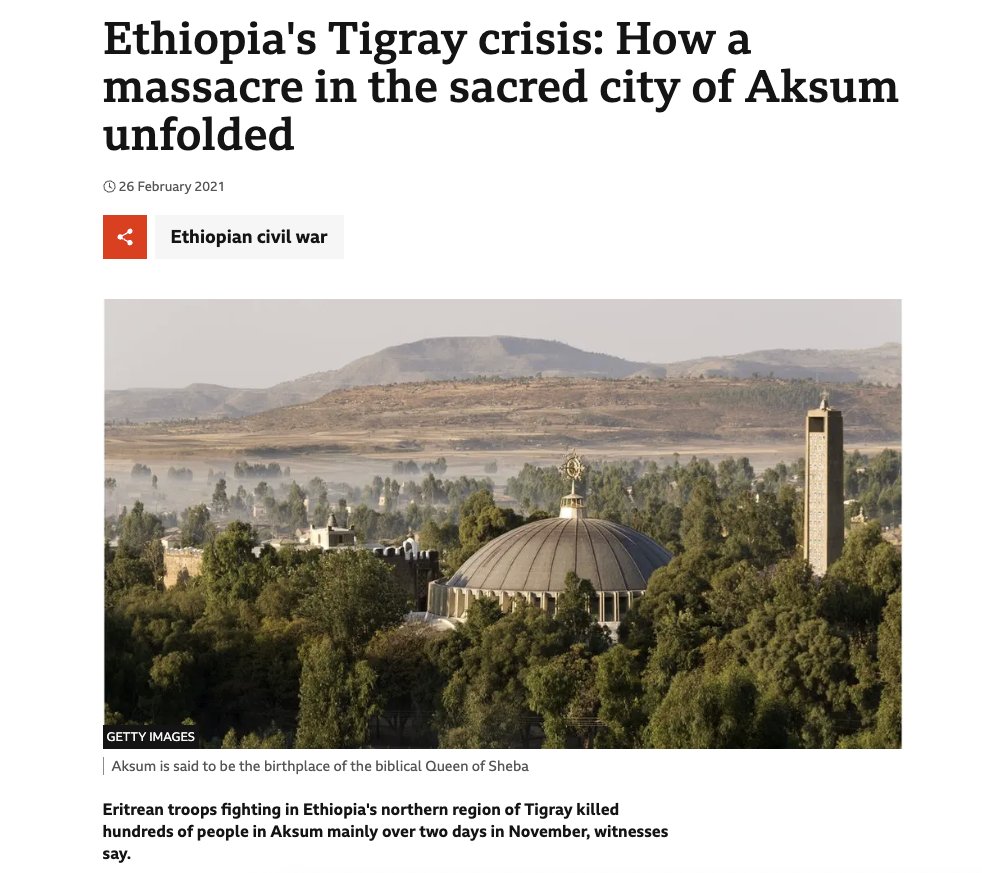
Today marks the grim fifth anniversary of the Axum massacre in #Tigray. Five years on, none of those who perpetrated these crimes have been held to account, and justice for the victims and survivors of this massacre — and the genocide in Tigray — remains far out of reach.
Day 1875 of the #TigrayGenocide:
Nearly 800,000 #Tigrayans are still internally displaced, many sheltering in overcrowded schools or informal sites, while almost half of #Tigray’s students have gone five consecutive years without regular schooling.
#Justice4Tigray
Please save our people starving in #WesternTigray refugee camps 🔔 they displaced from their homes because of the previous war in Tigray almost #6Years ago,their home town was taken , their children dies & everything collapses ,all thier status becomes history,they stay more
1/2
Dozens of IDPs Die of Starvation In Tigray
More than 50 IDPs have died from starvation and lack of medical care at the Hitsats Camp in northwestern #Tigray since July 2025—while at least 1,700 others remain at imminent risk without urgent, lifesaving food and medical assistance.
Commission of Inquiry on Tigray Genocide Warns of Deadly Conditions Facing Internally Displaced Persons in Tigray
December 22, 2025
The Commission of Inquiry on #TigrayGenocide (CITG) has issued an urgent call for action, warning of catastrophic humanitarian conditions facing internally displaced persons (#IDPs) across #Tigray, particularly at the Hitsats IDP Center in the Northwestern Zone.
According to the Commission’s findings, at least 325 internally displaced persons died at the Hitsats site during 2025, primarily due to lack of food, medical care, and basic necessities. These deaths were documented during a special assessment conducted in August 2025, as part of a broader investigation titled “The Plight of Internally Displaced Persons in Tigray: A Special Assessment Report,” which evaluated 92 IDP centers across the region.
The report reveals widespread and systematic deprivation of basic needs across IDP sites. Food assistance was found to be irregular, inconsistent, and often below humanitarian standards. In many cases, food distributions were suspended for months, and when aid was delivered, it was frequently of poor quality, including spoiled maize and sorghum unfit for human consumption. Quantities were insufficient and not adjusted to household size, forcing many displaced families to sell portions of their rations to afford milling costs or basic cooking items such as salt and pepper.
Healthcare conditions were described as equally alarming. The assessment documented a near-total absence of medical services, including essential medicines, maternal and child healthcare, treatment for chronic illnesses, and mental health support. Numerous deaths were attributed to starvation, untreated illnesses, and preventable conditions such as hypertension and diabetes.
Vulnerable populations, particularly pregnant women, unaccompanied children, people with chronic illnesses, and the elderly, were disproportionately affected. Many were excluded from aid due to failures in biometric registration systems and bureaucratic neglect. Some displaced individuals reported receiving no assistance at all since their displacement.
Several IDP sites, including Hitsats and Endabaguna, recorded multiple deaths linked to compounded effects of malnutrition, lack of medical care, and poor hygiene. The Commission reports deaths among elderly individuals due to neglect and children who perished from severe malnutrition.
The Commission of Inquiry concluded that internally displaced persons in Tigray remain extremely vulnerable to grave human rights violations, with killings identified as the most widespread form of victimization. The Commission stated that it has recorded the names and identities of victims as part of its investigation.
In its statement, the Commission called for immediate humanitarian intervention and accountability, urging urgent action to address the deteriorating conditions in all IDP centers and host communities across Tigray.