🥁 Our manuscript "Multistate and functional protein design using RoseTTAFold sequence space diffusion" is finally out @NatureBiotech! 🧵b/c it's changed a LOT since preprint!
New highlights:
- High res structures
- Conditionally caged peptides
- Multistate design
Excited to share our new preprint:
“Computational design of membrane fusion proteins”
Huge thanks to all collaborators, co-authors, @KingLabIPD, and everyone at @UWproteindesign who contributed to this work.
Preprint:
https://t.co/5TDujafHJ9
Water is 70–80% of a cell, with our mspSA + SGAG affinity grid, we capture a near atomic (<2 Å) view showing water actively driving gene transcription inside RNA Pol II. Not just background,water is part of the machinery. Now published in Molecular Cell.https://t.co/fCt1mb7BiC
We benchmarked Arc Institute’s “MULTI-evolve” and found evidence that it learns a classical additive model, not epistasis.
Preprint: https://t.co/qYQxEXbJzM
Blog: https://t.co/BKCmRii3G1
📢 We’re launching Proteina-Complexa — and after the Jensen keynote mention, we definitely had to post this thread now ;)
Atomistic binder design with generative pretraining + test-time compute, plus large-scale wet-lab validation.
Project page: https://t.co/aT8Lz2VhSJ
🧵 1/n
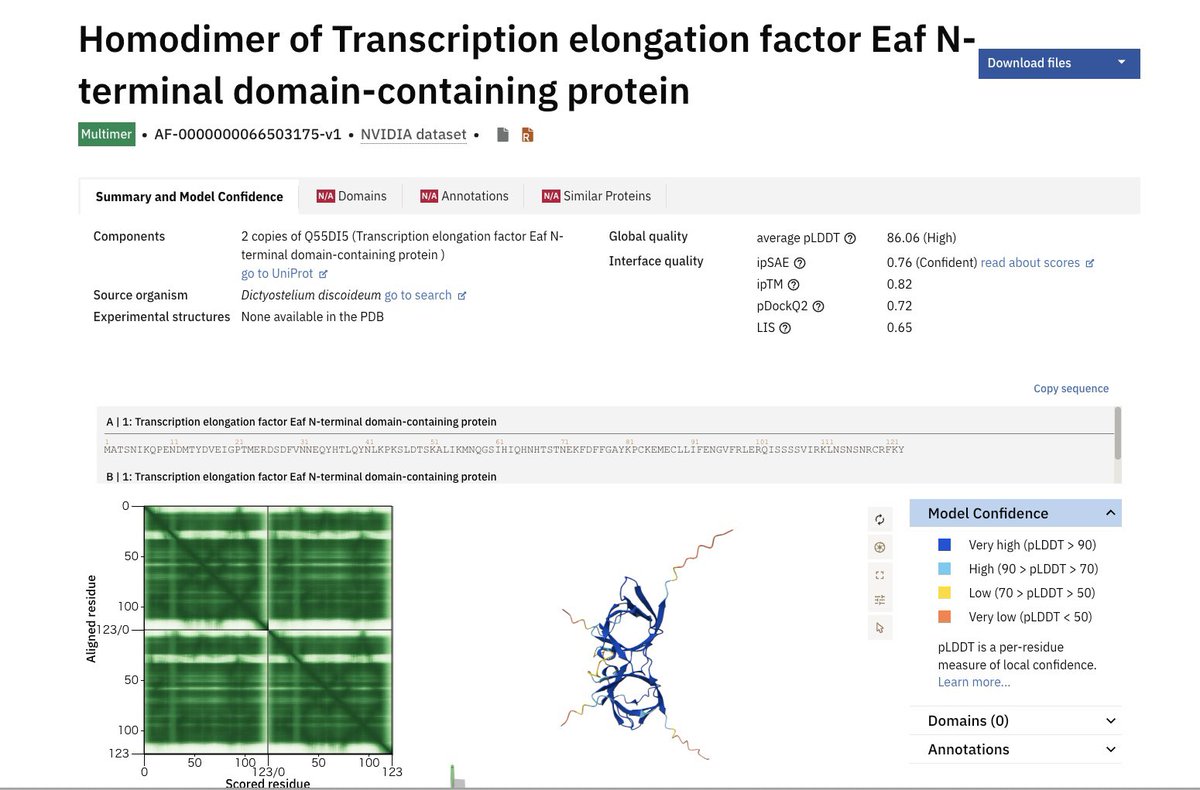
The AlphaFold Database, jointly developed with @GoogleDeepMind, now contains datasets from specialist communities.
This includes rich datasets for microbes, viruses & parasites associated with tropical diseases.
https://t.co/5Ano1AW64I
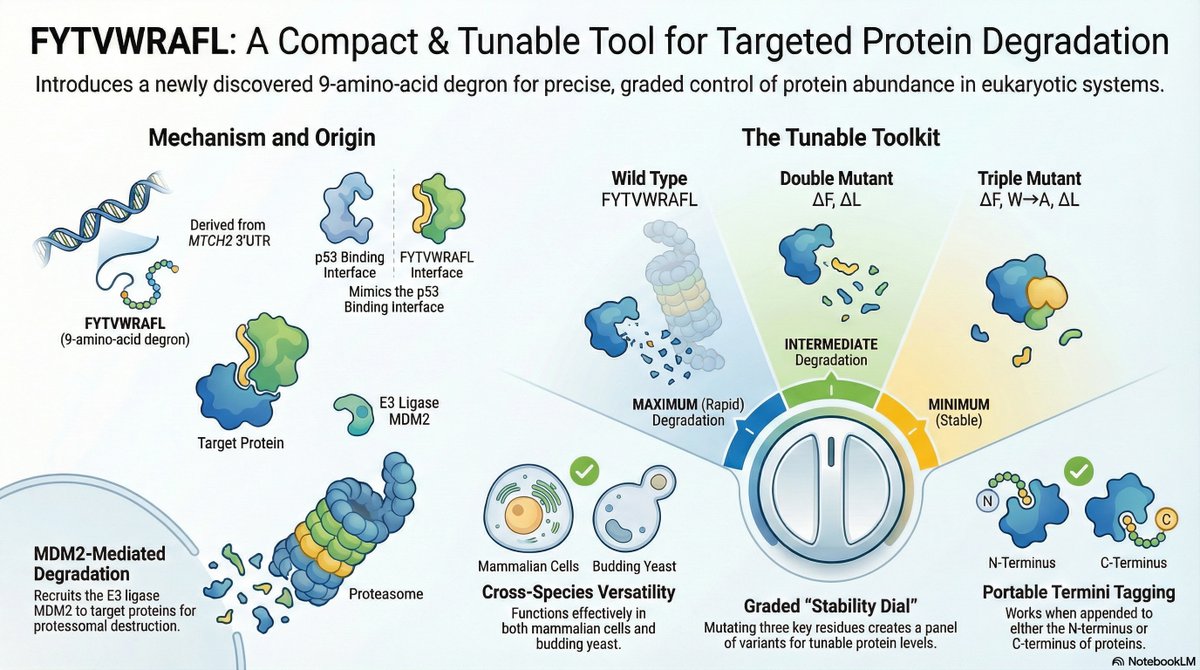
How short can a degron be?
We report a 9–aa, genetically encoded, tunable degron that drives MDM2-dependent degradation and enables precise control of endogenous protein levels. Thanks to @EswarappaLab for the opportunity to explore this in yeast.
#Degron#yeast#cellbiology
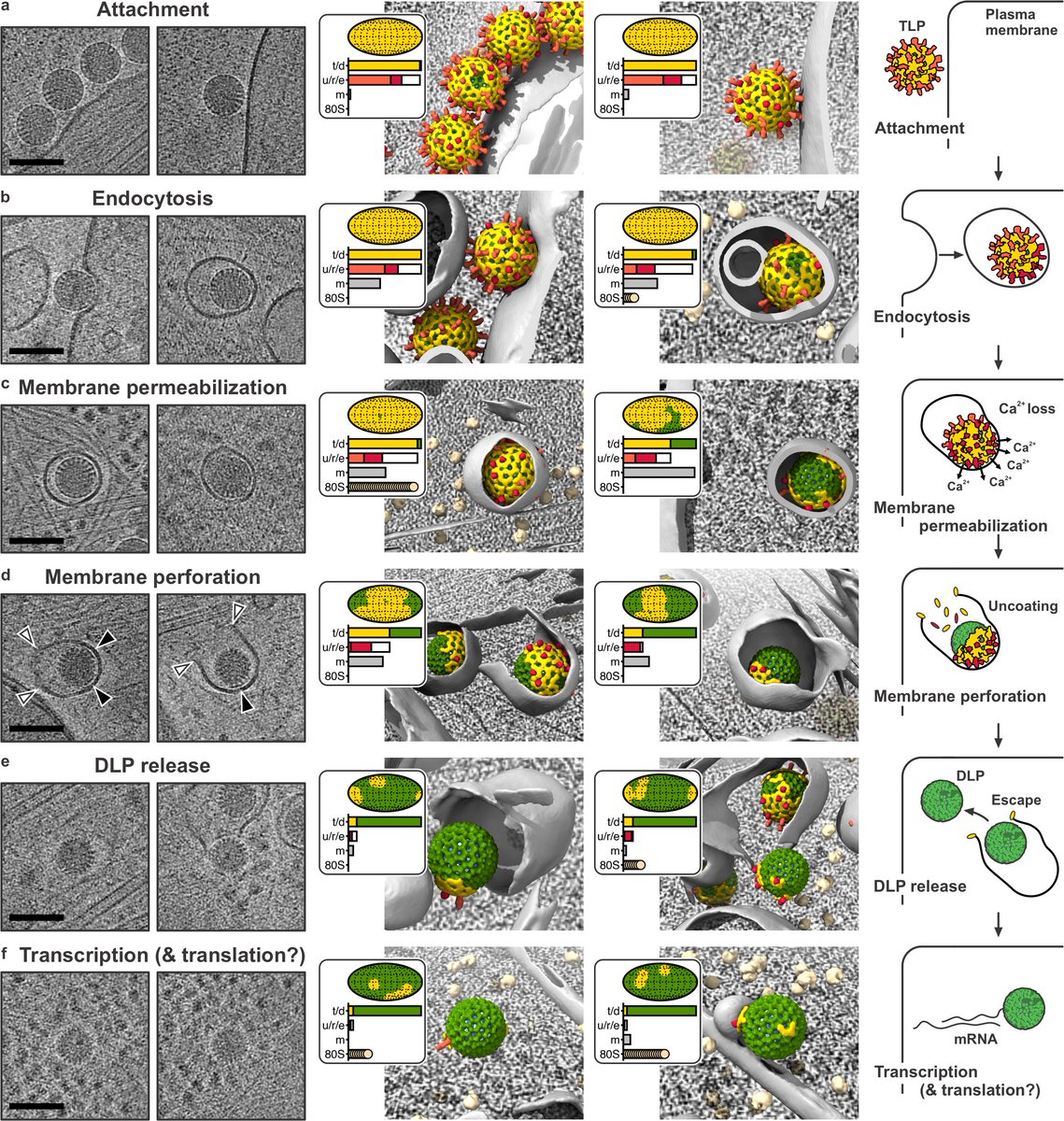
Check our new preprint! We uncover the full molecular mechanism of rotavirus membrane penetration and cytosolic escape using cryo-ET, live-cell imaging, and single-molecule assays. (1/3)
🔗 https://t.co/WzTyzMVGWM
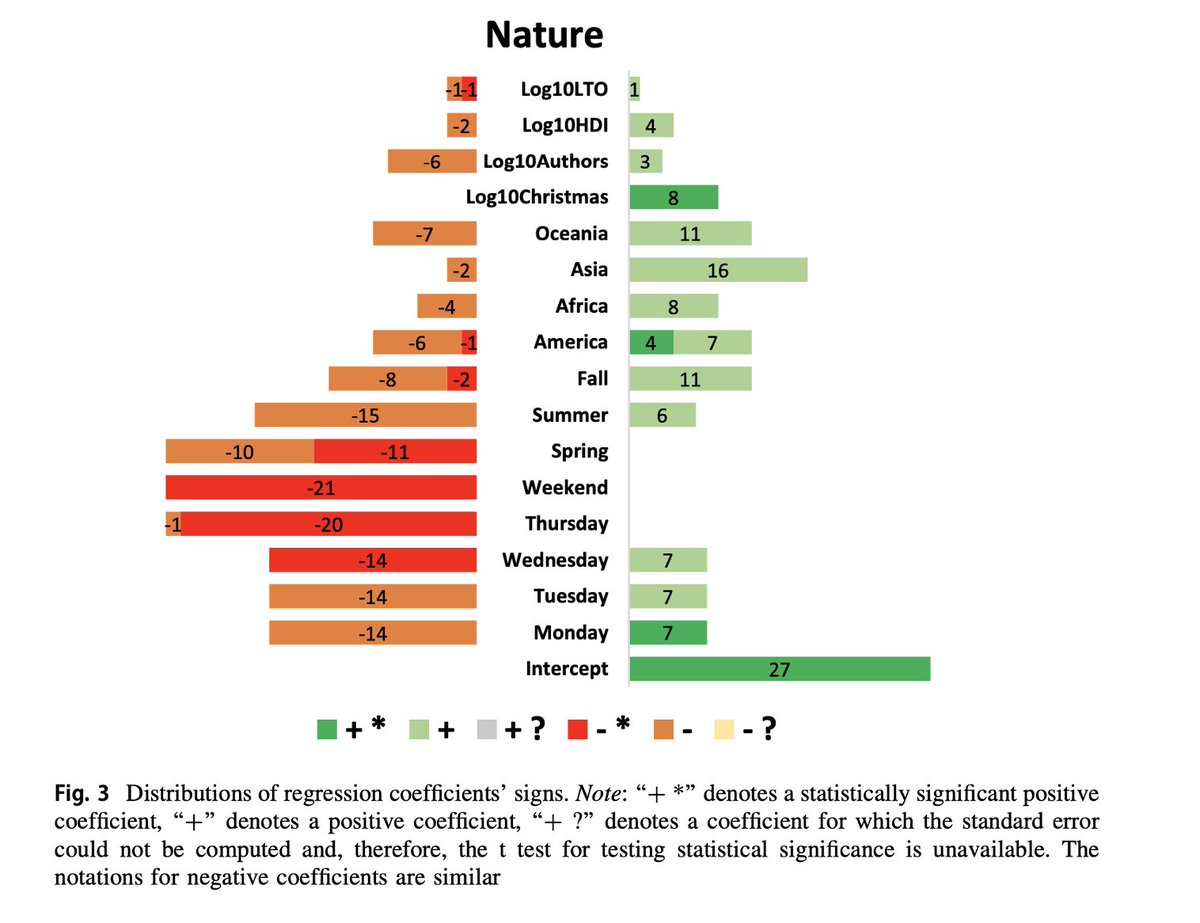
Papers submitted on Tuesdays are more likely to be accepted by Nature whereas Wednesdays seem the most likely day to submit and secure acceptance to PLOS ONE. For Cell, Mondays and Tuesdays seem the best submission days in case of accepted papers.
https://t.co/6w5AraWMzG
Happy New Year! We are delighted to share with you our newest @biorxivpreprint, in which we describe the de novo design of protein nanoparticles with structures tailored to specific applications. Long a dream, it is now reality!
https://t.co/ofL0Fzalmj
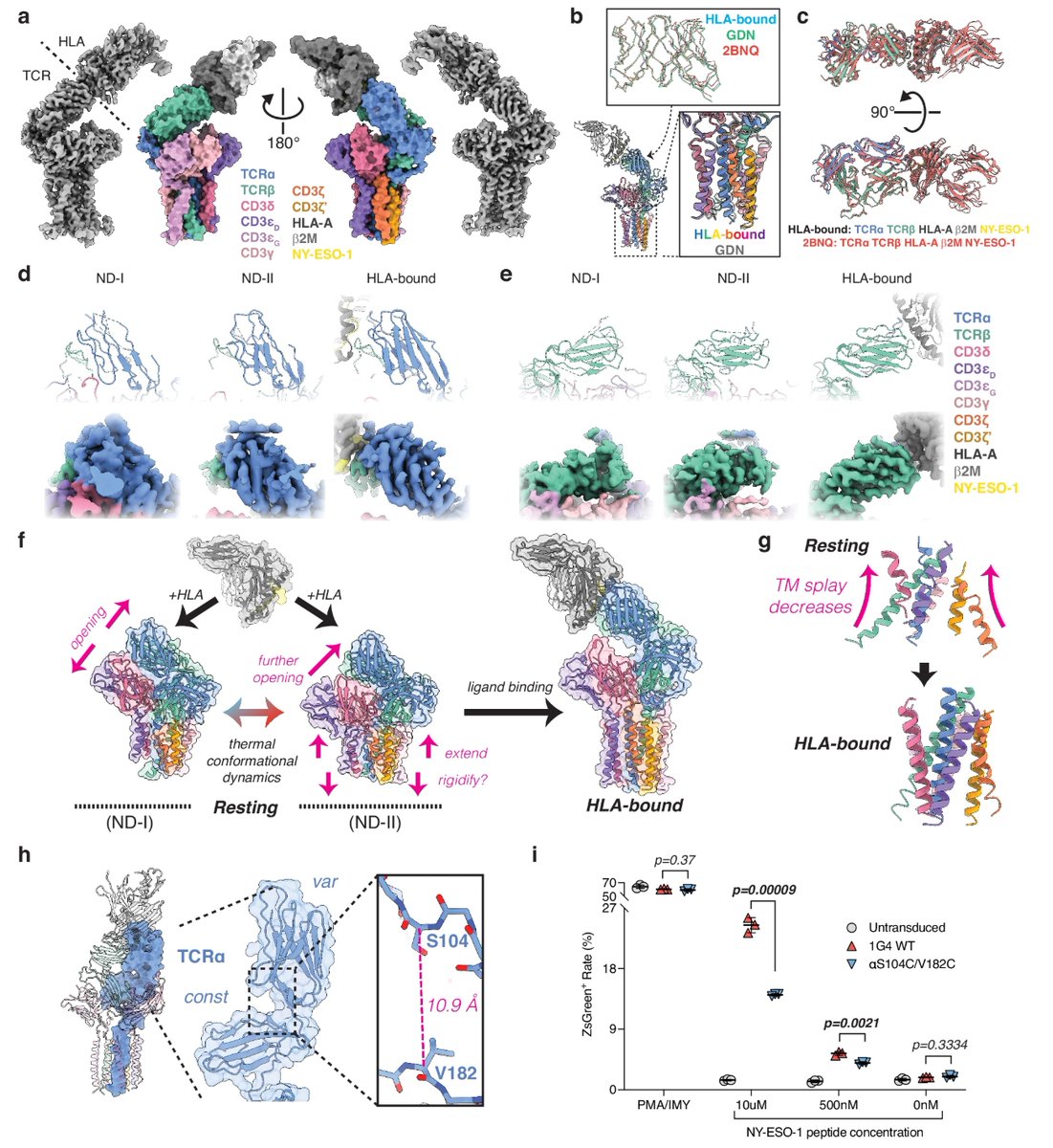
🚨Today in @NatureComms: We resolve an enduring enigma in T cell biology—how TCR binding to p/HLA triggers intracellular signaling. CryoEM in native environment reveals a 'jack-in-the-box' mechanism! Collab btw @RockefellerUniv@MSKCancerCenter@parkerici https://t.co/HJng8WvjOp
Researchers use #AI and Reverse Vaccinology 2.0 on human blood samples to identify a potential new mpox target, and use the target in a vaccine that elicited mpox-neutralizing antibodies in mice. @ScienceTM https://t.co/xl05ZBCoIL
@aidenosinetrip1@sokrypton@MazAbulnaga Super cool work Aiden, glad to see this out! Didnt know about the ability to find rewired proteins, I wonder what else it can detect 🤔
Excited to share my recent work, CIRPIN 🐍 with @sokrypton and @MazAbulnaga on the discovery of thousands of naturally occurring circularly permuted protein domains