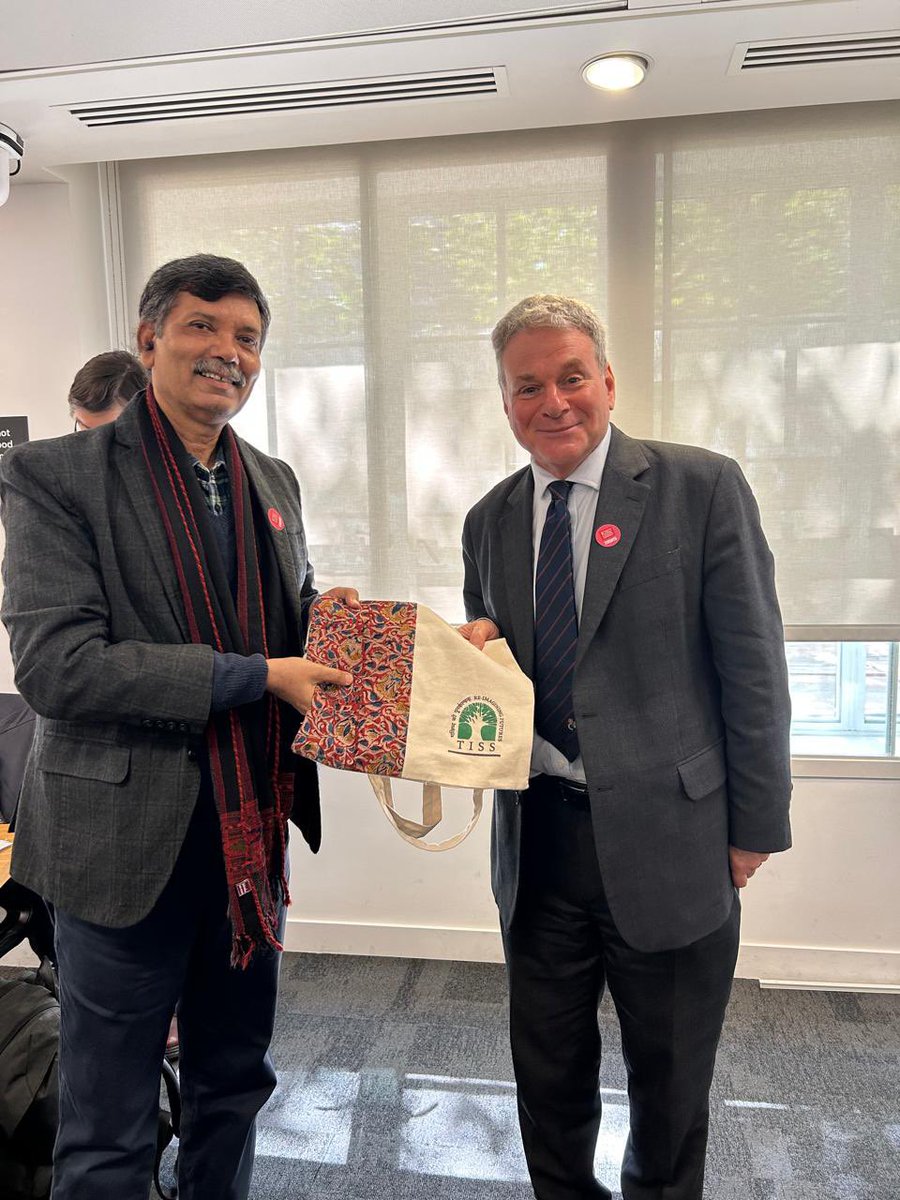
As part of the 90th anniversary engagements of TISS, Vice-Chancellor Prof. Badri Narayan Tiwari recently met Prof. David Shankland (Director, Royal Anthropological Institute) inLondon.
🎥 𝗩𝗶𝗱𝗲𝗼 𝗛𝗶𝗴𝗵𝗹𝗶𝗴𝗵𝘁𝘀 | 𝗥𝗼𝘂𝗻𝗱𝘁𝗮𝗯𝗹𝗲 𝗗𝗶𝘀𝗰𝘂𝘀𝘀𝗶𝗼𝗻 𝗼𝗻 '𝗙𝘂𝘁𝘂𝗿𝗲 𝗼𝗳 𝗦𝗗𝗚𝘀'
The theme '𝗙𝘂𝘁𝘂𝗿𝗲 𝗼𝗳 𝗦𝗗𝗚𝘀' brought into focus the urgent need to rethink sustainable development pathways amid growing global uncertainties, fragmentation, and systemic risks.
The discussion underscored that India’s transformative and innovative localisation approaches through initiatives such as digital public infrastructure, climate action, and Lifestyle for Environment (LiFE), offer a credible and scalable model for advancing the SDGs in complex development contexts. India has succeeded in sharp reduction of multi-dimensional poverty and have introduced strong monitoring frameworks through SDG India Index, Aspirational Districts and achieving convergence across SDG goals at the national and sub-national level.
𝑨 𝒄𝒆𝒏𝒕𝒓𝒂𝒍 𝒕𝒂𝒌𝒆𝒂𝒘𝒂𝒚 𝒘𝒂𝒔 𝒄𝒍𝒆𝒂𝒓: The SDGs must evolve beyond the 2030 horizon. Emphasis was on rising inequalities, climate vulnerabilities, and persistent development gaps require adaptive, inclusive, and resilience-driven frameworks, particularly for the Global South.
𝐊𝐞𝐲 𝐢𝐧𝐬𝐢𝐠𝐡𝐭𝐬 𝐢𝐧𝐜𝐥𝐮𝐝𝐞:
🌍 Global South as a driver of future development narratives through South–South cooperation and leadership in global governance.
📊 Beyond GDP: integrating well-being, sustainability, and resilience into development metrics.
🌱 Transformative initiatives such as Lifestyle for Environment (LiFE), digital transformation, and AI, offering both opportunities and governance challenges.
🤝 Need for institutional innovation to align local realities with global cooperation.
The discussion underscored that the future of development will not lie in extending existing frameworks alone, but in reimagining paradigms grounded in equity, cooperation, and collective global action.
@MEAIndia@NITIAayog@Ramesh_ChandDr@aparnaray_ifs@SKSharma_World@seshadrichari@RajanRatna@EACtoPM@sabya_saha@stefan_priesner@angelalusigi@UNDP_India@ICAR_NIAP@C31Jyoti@symbiosistweets@skvdst@gangatil@TalkEcon_IPS@PRIA_India@SandhyaSIyer2@TISSpeak@AnitaPrakashIND@cerclegranparis@GladysLechini@UNRoficial@Axlamdax@bennettuniv@MAHE_Manipal@AIC_aseanindia@cmec_ris@DakshinNews@fitm14@fisd19@kanishkrohilla2@TanwarTushti
#Viksitbharat #FutureOfSDGs #SDGs #SustainableDevelopment #SDGAgenda2030 #PolicyDialogue #GlobalSouth #Sustainability #InternationalDevelopment #DevelopmentCooperation #InclusiveGrowth
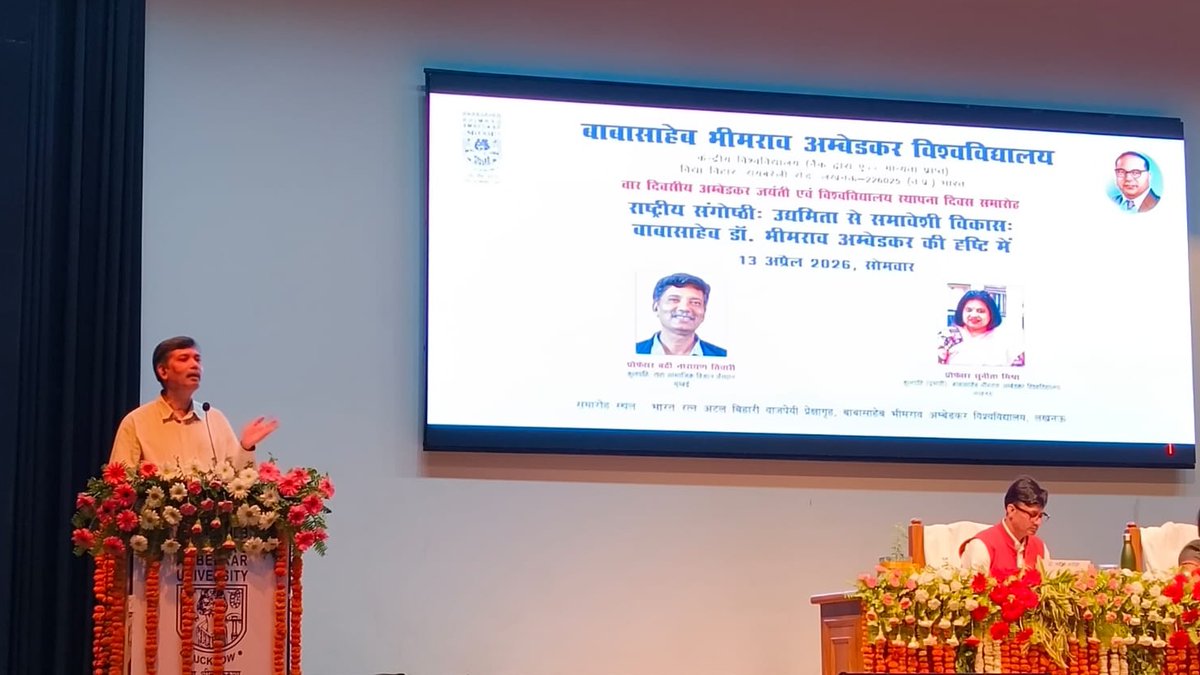
In his lecture, “From Entrepreneurship to Inclusive Development: In the Vision of Babasaheb Dr. B.R. Ambedkar,” Prof. Tiwari highlighted the critical pathways toward an equitable and developed India, rooted in Ambedkarite principles.
On the eve of Dr. B. R. Ambedkar’s 135th Birth Anniversary, our Vice-Chancellor, Prof. Badri Narayan Tiwari, was invited as the Distinguished Speaker at Babasaheb Bhimrao Ambedkar University (BBAU), Lucknow.
A happy serene song to mark a colossal loss. A voice that was entirely, unapologetically her own—versatile, daring, inimitable. What a magnificent career spanning eight decades. Farewell, @ashabhosle tai. A part of our lives has gone with you.
https://t.co/GBANEGEtWF
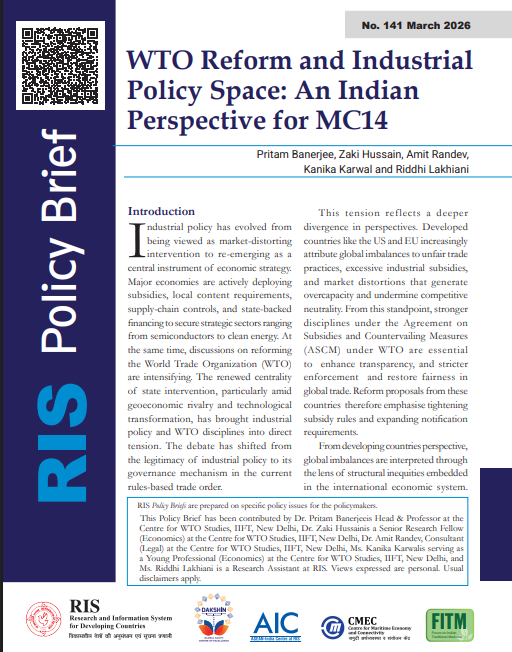
𝗥𝗜𝗦 𝗣𝗼𝗹𝗶𝗰𝘆 𝗕𝗿𝗶𝗲𝗳 | 𝗪𝗧𝗢 𝗥𝗲𝗳𝗼𝗿𝗺 𝗮𝗻𝗱 𝗜𝗻𝗱𝘂𝘀𝘁𝗿𝗶𝗮𝗹 𝗣𝗼𝗹𝗶𝗰𝘆 𝗦𝗽𝗮𝗰𝗲: 𝗔𝗻 𝗜𝗻𝗱𝗶𝗮𝗻 𝗣𝗲𝗿𝘀𝗽𝗲𝗰𝘁𝗶𝘃𝗲 𝗳𝗼𝗿 𝗠𝗖14
Research and Information System for Developing Countries (@RIS_NewDelhi), is glad to announce the publication of the Policy Brief titled 𝘞𝘛𝘖 𝘙𝘦𝘧𝘰𝘳𝘮 𝘢𝘯𝘥 𝘐𝘯𝘥𝘶𝘴𝘵𝘳𝘪𝘢𝘭 𝘗𝘰𝘭𝘪𝘤𝘺 𝘚𝘱𝘢𝘤𝘦: 𝘈𝘯 𝘐𝘯𝘥𝘪𝘢𝘯 𝘗𝘦𝘳𝘴𝘱𝘦𝘤𝘵𝘪𝘷𝘦 𝘧𝘰𝘳 𝘔𝘊14 co-authored by Prof. Pritam Banerjee, Prof. Zaki Hussain, Dr. Amit Randev, Dr. Kanika Karwal (@kanika_karwal) and Ms. Riddhi Lakhiani (@LakhianiRiddhi).
The Brief examines the evolving debate on WTO reform and its implications for industrial policy space, particularly from the perspective of developing countries like India. It situates the renewed global interest in industrial policy within the broader context of geoeconomic competition, technological transformation, and supply chain restructuring, where major economies are increasingly deploying subsidies and strategic state interventions to strengthen domestic manufacturing capabilities.
It analyses emerging reform proposals under the Agreement on Subsidies and Countervailing Measures (ASCM) and highlights concerns that tighter subsidy disciplines, expanded definitions, and stronger enforcement mechanisms could disproportionately constrain the policy space available to developing countries that are still undergoing structural transformation.
The brief underscores the structural asymmetries in income levels, technological capabilities, and global value chain participation between advanced and developing economies, arguing that industrial policy remains a critical instrument for late industrialisers seeking to upgrade manufacturing capacity and move up the value chain.
It proposes a set of development-sensitive pathways for WTO reform, including calibrated flexibility in subsidy disciplines, strengthened transparency mechanisms, and objective criteria to distinguish between systemic dominance and developmental catch-up.
As discussions move toward MC14, the brief highlights the need for a balanced reform framework that preserves the credibility of the multilateral trading system while ensuring that developmental policy space remains available to emerging economies pursuing industrialisation and structural transformation.
🔗𝗥𝗲𝗮𝗱 𝘁𝗵𝗲 𝗣𝗼𝗹𝗶𝗰𝘆 𝗕𝗿𝗶𝗲𝗳 𝗮𝘁:
https://t.co/Z3YR7h0OlD
@MEAIndia@DoC_GoI@IndiaWTO@wto@aparnaray_ifs@SKSharma_World@AIC_aseanindia@DakshinNews@cmec_ris@fitm14@fisd19
#WTOReform #WorldTradeOrganization #MultilateralTradingSystem #GlobalTradePolicy #IndustrialPolicy #PolicySpace #MC14 #StructuralTransformation #Industrialization #Subsidies #ASCM #TradeNegotiations #DevelopingCountries #EconomicDevelopment
𝗜𝗻𝘁𝗿𝗼𝗱𝘂𝗰𝘁𝗶𝗼𝗻 𝗮𝗻𝗱 𝗖𝗼𝗻𝘁𝗲𝘅𝘁 𝗦𝗲𝘁𝘁𝗶𝗻𝗴 𝗜 𝗥𝗜𝗦 𝗥𝗼𝘂𝗻𝗱𝘁𝗮𝗯𝗹𝗲 𝗗𝗶𝘀𝗰𝘂𝘀𝘀𝗶𝗼𝗻 𝗼𝗻 𝗙𝘂𝘁𝘂𝗿𝗲 𝗼𝗳 𝗦𝗗𝗚𝘀
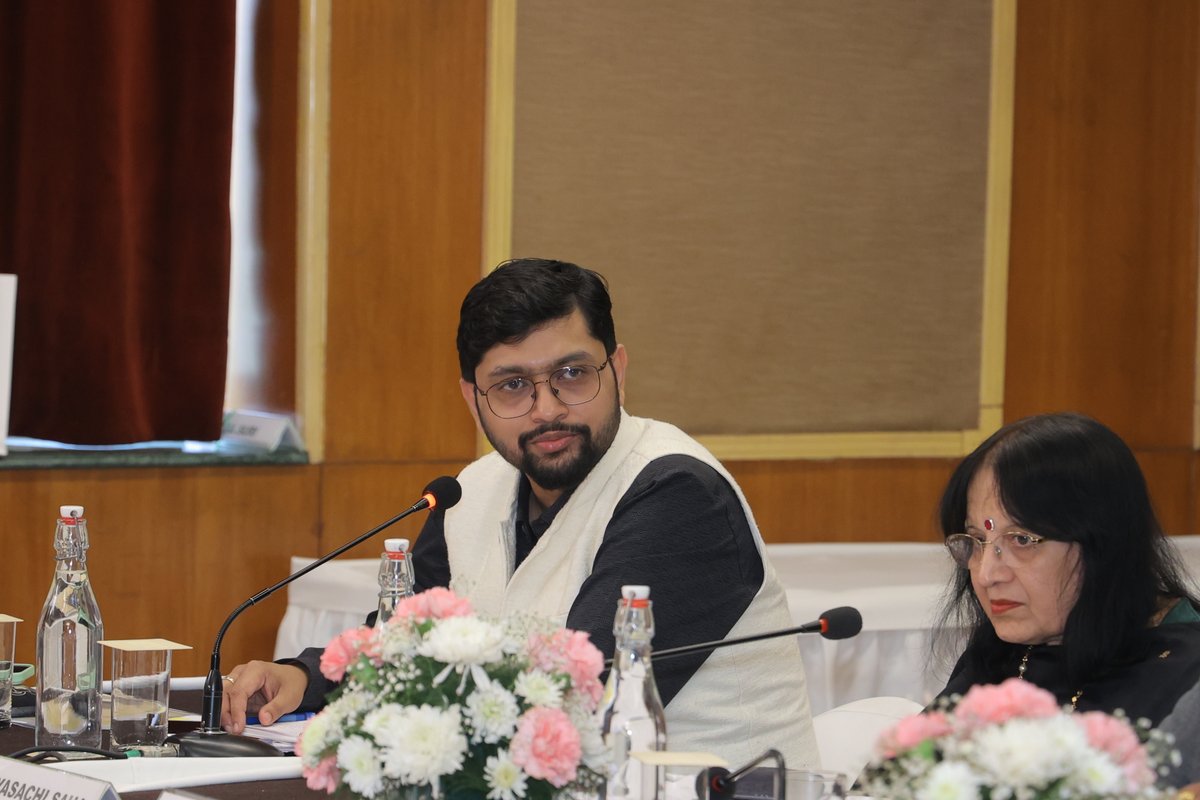
The session was chaired by Ambassador Sudhir T. Devare, Chairman, Research Advisory Council, RIS. It featured distinguished speakers, including Prof. S.K. Mohanty, Distinguished Fellow, RIS; Mr. Stefan Priesner (@stefan_priesner), United Nations Resident Coordinator in India; Ms. Angela Lusigi (@angelalusigi), Resident Representative, @UNDP_India; and Dr. Sabyasachi Saha (@sabya_saha), Associate Professor, RIS.
Setting the context, Dr. Saha highlighted the slowing progress of the SDGs amid financing gaps, global crises, and weakening multilateralism. India’s experience in localisation, digital public infrastructure, and inclusive governance offers a promising pathway.
The discussion underlined a critical reality, while the Sustainable Development Goals remain one of the most ambitious global frameworks, progress has slowed significantly amid geopolitical fragmentation, financing constraints, and overlapping global crises. With only a small share of SDG targets on track, the urgency to re-energize collective action has never been greater.
Speakers highlighted India’s role as a key driver of SDG localisation, showcasing initiatives such as the Aspirational Districts Programme and Digital Public Infrastructure as models of inclusive, data-driven governance. The emphasis on “leaving no one behind” was reframed as a need for last-mile delivery, equity-focused financing, and stronger community participation.
Looking ahead, the conversation emphasised the importance of systemic transformation, moving beyond targets to focus on resilience, partnerships, and accountability. Strengthening multilateralism, mobilising innovative finance, leveraging technology, and fostering Global South cooperation will be central to shaping the post-2030 development agenda.
@MEAIndia@aparnaray_ifs@SKSharma_World@DakshinNews@AIC_aseanindia@cmec_ris@fitm14@fisd19@kanishkrohilla2@TushtiTanwar
#FutureOfSDGs #SDGs #SustainableDevelopment
#SDGAgenda2030 #PolicyDialogue #GlobalSouth #InternationalDevelopment #Sustainability #DevelopmentCooperation #InclusiveGrowth
𝗥𝗜𝗦 𝗥𝗼𝘂𝗻𝗱𝘁𝗮𝗯𝗹𝗲 𝗗𝗶𝘀𝗰𝘂𝘀𝘀𝗶𝗼𝗻 𝗹 𝗙𝘂𝘁𝘂𝗿𝗲 𝗼𝗳 𝗦𝗗𝗚𝘀
Join us for a Roundtable Discussion on 'Future of SDGs' organised by @RIS_NewDelhi and @DakshinNews
This Roundtable would bring together policymakers and experts to deliberate on localisation efforts and national policies, as well as on the future of the SDGs as elaborated above.
🗓️ Tuesday, 24 March 2026
🕐 01:00-05:00 PM
📍 Jacaranda Hall, India Habitat Centre, New Delhi
𝗜𝗻𝘁𝗿𝗼𝗱𝘂𝗰𝘁𝗶𝗼𝗻 𝗮𝗻𝗱 𝗖𝗼𝗻𝘁𝗲𝘅𝘁 𝗦𝗲𝘁𝘁𝗶𝗻𝗴
𝘊𝘩𝘢𝘪𝘳: Ambassador Sudhir T. Devare, Chairman, Research Advisory Council, RIS
𝘊𝘰𝘯𝘵𝘦𝘹𝘵 𝘚𝘦𝘵𝘵𝘪𝘯𝘨: Dr Sabyasachi Saha (@sabya_saha), Associate Professor, RIS
𝘙𝘦𝘮𝘢𝘳𝘬𝘴: Professor S.K. Mohanty, Distinguished Fellow, RIS
𝘒𝘦𝘺𝘯𝘰𝘵𝘦 𝘈𝘥𝘥𝘳𝘦𝘴𝘴: Mr. Stefan Priesner (@stefan_priesner), United Nations Resident Coordinator in India
𝘚𝘱𝘦𝘤𝘪𝘢𝘭 𝘙𝘦𝘮𝘢𝘳𝘬𝘴: Ms Angela Lusigi (@angelalusigi), Resident Representative, @UNDP_India
𝗧𝗵𝗲𝗺𝗲 𝗜: 𝗟𝗲𝘀𝘀𝗼𝗻𝘀 𝗳𝗿𝗼𝗺 𝗟𝗼𝗰𝗮𝗹𝗶𝘀𝗮𝘁𝗶𝗼𝗻 𝗘𝗳𝗳𝗼𝗿𝘁𝘀 𝗮𝗻𝗱 𝗡𝗮𝘁𝗶𝗼𝗻𝗮𝗹 𝗣𝗼𝗹𝗶𝗰𝗶𝗲𝘀
𝘊𝘩𝘢𝘪𝘳: Dr P.K. Anand IAS (retd.), Former Visiting Fellow, RIS
𝘚𝘱𝘦𝘢𝘬𝘦𝘳𝘴:
•Dr Pratap Singh Birthal, Former Director, National Institute of Agricultural Economics and Policy Research (@ICAR_NIAP), New Delhi
•Prof Jyoti Chandiramani (@C31Jyoti), Director, Symbiosis School of Economics (@symbiosistweets), Pune
•Dr Manish Priyadarshi, M&E specialist and Director, @NITIAayog
•Dr Sanjeev Kumar Varshney (@skvdst), Consultant, RIS (Online)
•Dr Ganga Tilakaratna (@gangatil), Research Fellow, Institute of Policy Studies of Sri Lanka (IPS) (@TalkEcon_IPS), Sri Lanka (Online)
•Dr Kaustuv Kanti Bandyopadhyay, Director, Participatory Research in Asia (@PRIA_India), New Delhi
𝗧𝗵𝗲𝗺𝗲 𝗜𝗜: 𝗙𝘂𝘁𝘂𝗿𝗲 𝗼𝗳 𝗦𝗗𝗚𝘀
𝘊𝘩𝘢𝘪𝘳: Professor Pami Dua, Member, Economic Advisory Council to Prime Minister (@EACtoPM) and Distinguished Fellow, RIS
𝘚𝘱𝘦𝘢𝘬𝘦𝘳𝘴:
•Prof Sandhya Seshadri Iyer (@SandhyaSIyer2), Professor, School of Development Studies, Tata Institute for Social Sciences (TISS) (@TISSpeak), Mumbai
•Ms Anita Prakash (@AnitaPrakashIND), Founder, Research Lab Asia; Former Director, Economic Research Institute for ASEAN and East Asia (ERIA)
•Dr Rajan Sudesh Ratna (@RajanRatna), Ex-Deputy Head and Senior Economic Affairs Officer, United Nations ESCAP-SSWA (Online)
•Dr Nicolas J.A. Buchoud (@cerclegranparis), Global Solutions Initiative, Berlin and Adjunct Senior Fellow, RIS (Online)
•Prof Gladys Lechini (@GladysLechini), University of Rosario (@UNRoficial), Argentina (Online)
•Prof Sanjeev Kumar (@Axlamdax), Dean, School of Liberal Arts, Bennett University (@bennettuniv), Uttar Pradesh
𝘊𝘭𝘰𝘴𝘪𝘯𝘨 𝘙𝘦𝘮𝘢𝘳𝘬𝘴 𝘢𝘯𝘥 𝘞𝘢𝘺 𝘍𝘰𝘳𝘸𝘢𝘳𝘥: Dr Seshadri Chari (@seshadrichari), Chairman, China Study Centre, @MAHE_Manipal & Member, Governing Council, RIS
@MEAIndia@aparnaray_ifs@SKSharma_World@AIC_aseanindia@cmec_ris@fitm14@fisd19
We’re live!
The first TISS-ICSSR Discourse Series kicks off today with Bharat Dialogue on the Social Impact of the Union Budget—featuring three engaging panel discussions.
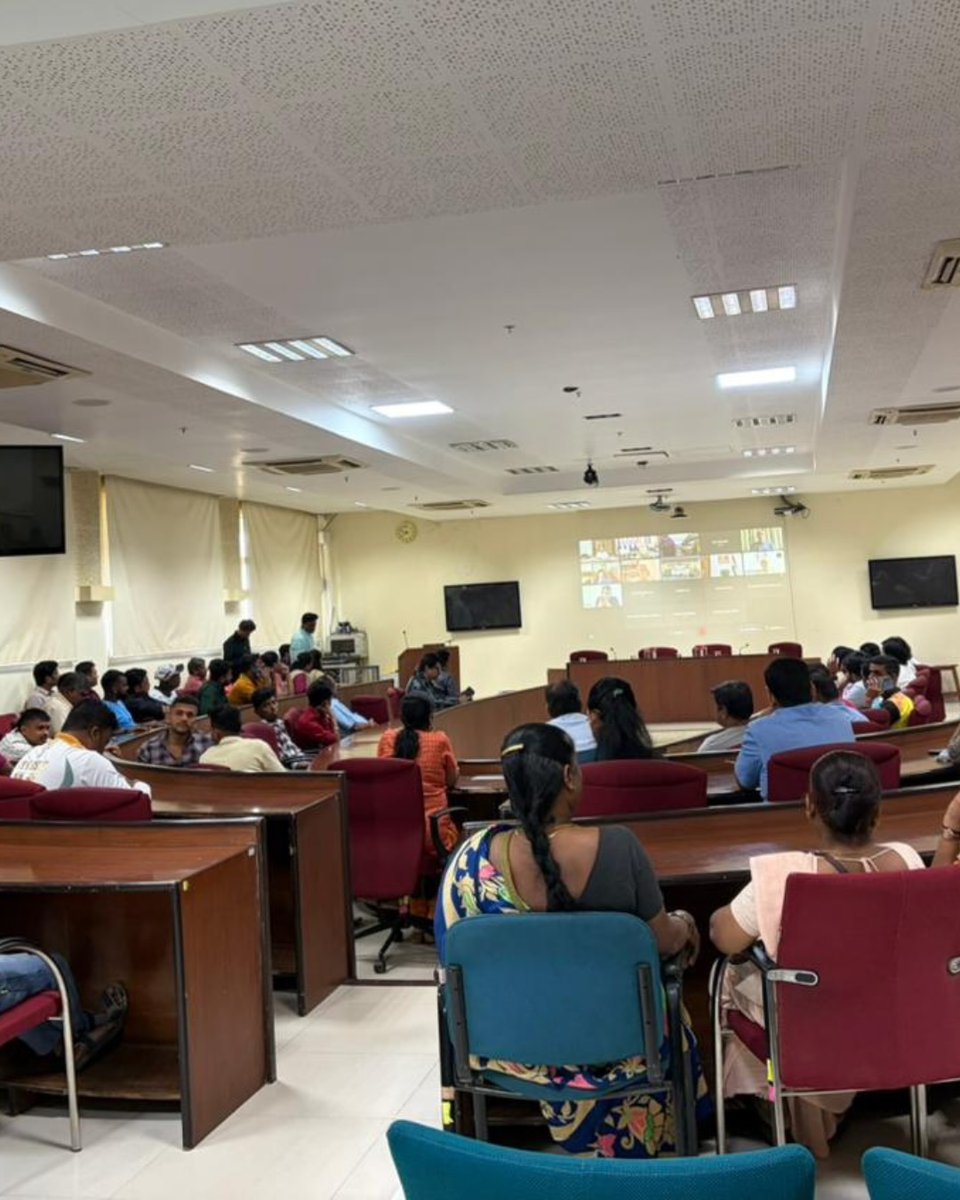
Hon’ble PM Narendra Modi’s address at the Post-Budget Webinar on “Sabka Saath, Sabka Vikas” was live-streamed at TISS. Faculty, staff and students joined to reflect on the Union Budget’s vision for inclusive development.
#TISSInPress
Proud moment for the TISS community.
TISS alumna Jaseela Jannath P secures Rank 397 in the UPSC Civil Services Examination, proving that determination knows no barriers.
https://t.co/Y0fXjmRzSQ
https://t.co/4pyyiHkddn
https://t.co/IidFmqOO2w
@poetbadri
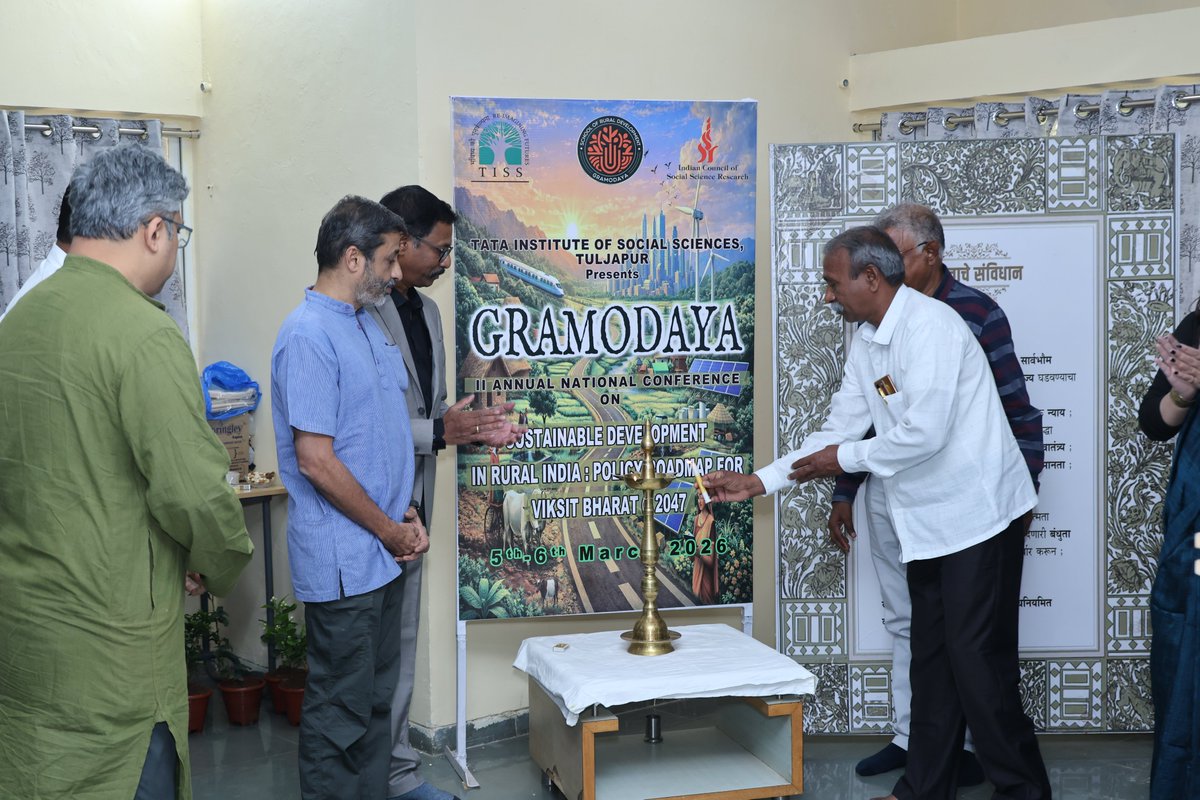
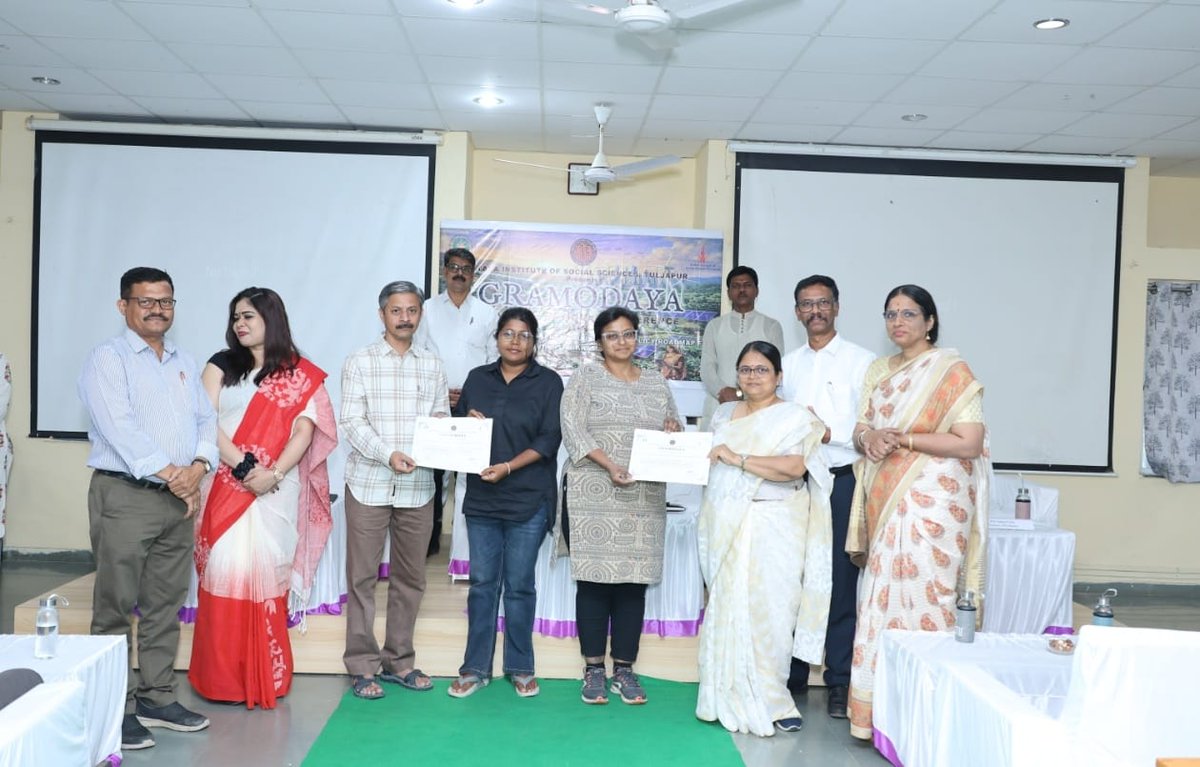
From villages to national development, Gramodaya II highlighted how sustainable rural pathways can shape India’s future by 2047.
Read more for key discussions and outcomes.
https://t.co/10K0p1viWh
Extremely pertinent topic Rural Development towards Viksit Bharat @2047. Delivered the Keynote lecture on Wednesday Equity, Sustainability and Human Development: Pathways and Progress, focusing on Structural Transformation through Human Development progress.#TISS#NIRD#MORD
From villages to national development, Gramodaya II highlighted how sustainable rural pathways can shape India’s future by 2047.
Read more for key discussions and outcomes.
https://t.co/10K0p1viWh