@xudong_sun@FDL_AI@NASA@NASASun@SwRI@Dr_ThomasZ NeRFs are neural networks that work by learning a volumetric quantity and comparing it with rendered viewpoints. In our case we have 3D EUV emission and absorption and compare it with AIA and STEREO images.
https://t.co/KWrHTcFdko
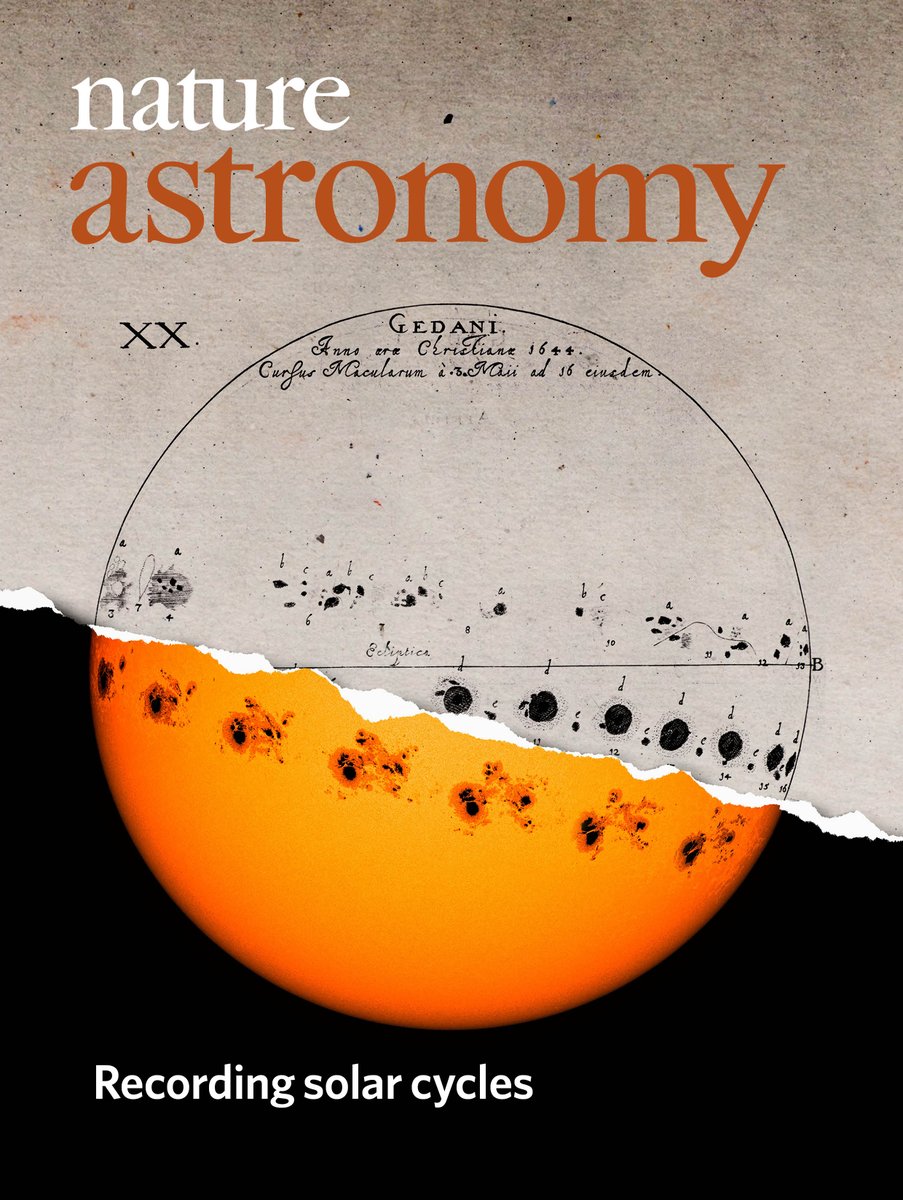
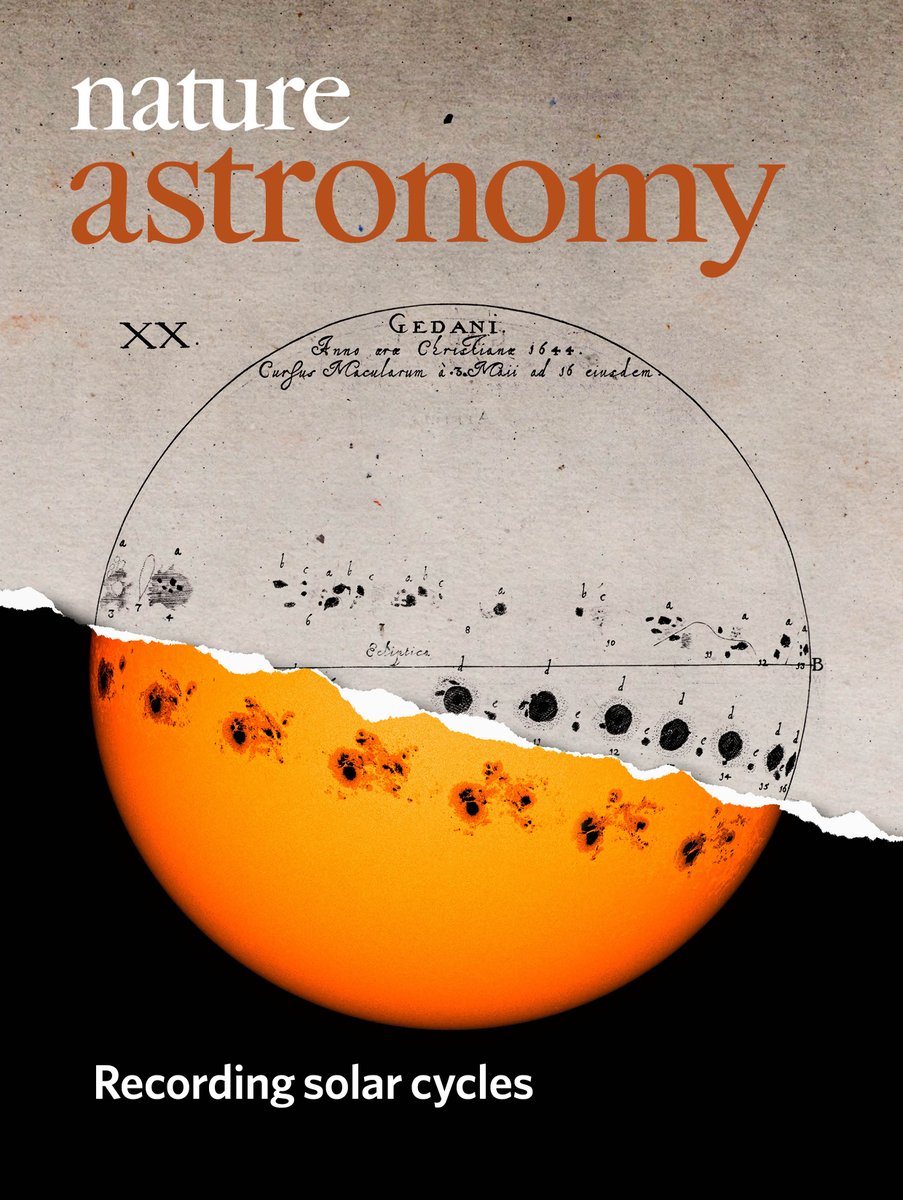
Thank you so much to all that have congratulated us on being chosen @NatureAstronomy's cover of the year. I would like to give a shout to Allen Beattie and his team at Nature for helping make this cover so nice and clever. They deserve as much credit.
Many congratulations to @SolarDynamo and @josemvaquero whose cover image has won #NAstroCoverComp for 2019! You can read their Perspective (published almost exactly a year ago!) here: https://t.co/TuGpediMyp
Many congratulations to @SolarDynamo and @josemvaquero whose cover image has won #NAstroCoverComp for 2019! You can read their Perspective (published almost exactly a year ago!) here: https://t.co/TuGpediMyp
FINAL VOTE for #NAstroCoverComp cover of the year 2019...
MAR: Muñoz-Jaramillo and Vaquero
APR: Scheeres et al. / @OSIRISREx
SEP: Nesvorný et al.
NOV: Voyager 2 team / @NASAVoyager
Winner will be declared at 11pm GMT today!
#DeepLearning can be used to virtualize space instruments and enhance the scientific impact of space missions. Our Work at the @nasa_fdl 2018, supported by @NASA and @IBM shows how can we virtualize a spectrograph using an imager:
https://t.co/YnkPnlIWwA
@NASASun@SwRI
Calling all birdwatchers, citizen scientists, and nature-lovers: you can track over 100 North American birds with eBird! 🐦 This online map is continuously updated with @NASAEarth satellite data and observations from people like you. Start contributing: https://t.co/sEGPcRb9mJ
This is the longest exposure I've ever taken: 8 months long! It shows the Sun's path on the sky between Apr 17 - Dec 11 2018, as seen from @ESO's Paranal Observatory. This is part of a collaboration with Diego López (@solarigrafia). Keep reading…
Do you want a hippopotamus for Christmas?
You're in luck. Hippo-shaped #asteroid 2003 SD220 will fly safely past Earth on Saturday, Dec. 22, at a distance of ~1.8 million miles (~2.9 million km): https://t.co/6sMCe3gkrt
Spotted in 2003, this solar reindeer is actually a coronal hole — an area of open magnetic field from which high-speed solar wind rushes out into space.🦌 Coronal holes are perfectly normal, and they look dark in certain types of extreme ultraviolet light. https://t.co/e3yNMiBGLn
A #DataVisualization of @colinobrady's and Louis Rudd's #heroic attempt to be the first people to cross #Antartica. They are more than halfway there! Let's cheer them on! https://t.co/oiY5Sd2Wzo