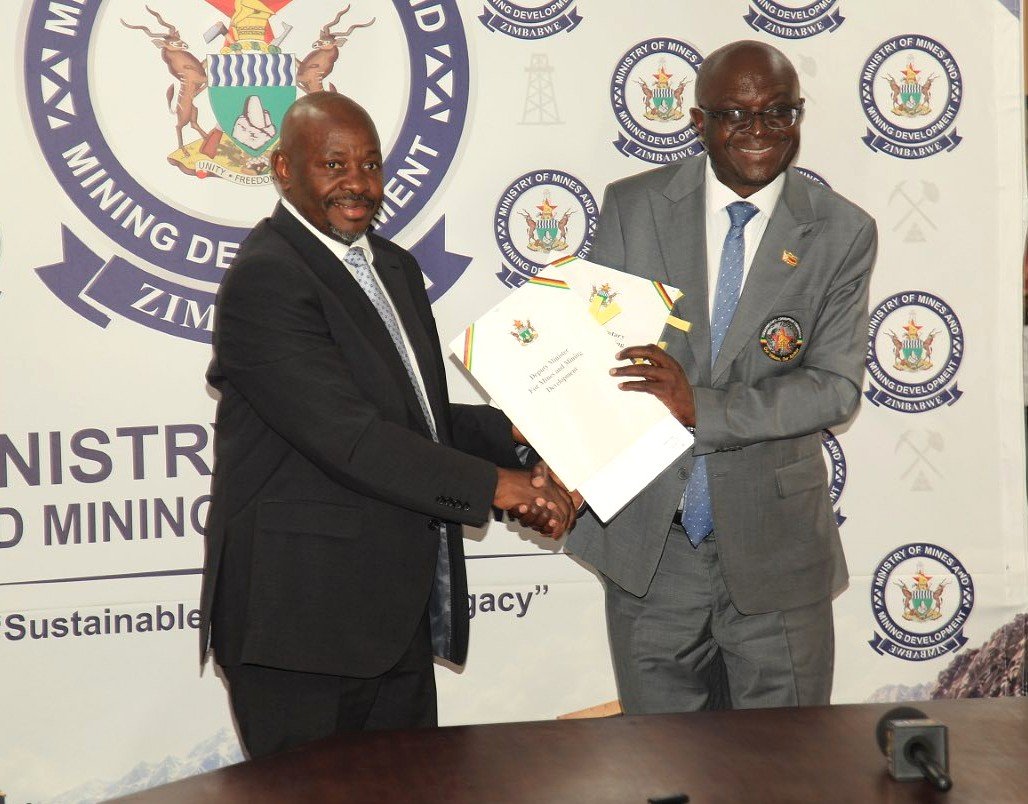
⛏️🇿🇼 Zimbabwe is tightening safeguards around its mineral wealth. The Mines Ministry and ZACC have signed an MoU targeting corruption through risk assessments, information sharing and stronger accountability systems. #MiningZimbabwe#NDS2#AsakhiZim#Vision2030
🇿🇼 Kudakwashe Tagwirei has been appointed Minister of Economic Development and Investment Promotion by President Emmerson Mnangagwa, with immediate effect, in terms of Section 104(1) of Zimbabwe’s Constitution. #Zimbabwe#EconomicDevelopment#Investment
🚨🇿🇼 Yesterday, Information Minister Dr Zhemu Soda delivered Government’s statement on protecting Zimbabweans from deceptive foreign recruitment and human trafficking, urging citizens to verify job offers before travelling. #StopHumanTrafficking#Zimbabwe#StaySafe
🇿🇼 Turning agreements into measurable action matters. A real-time Decision Monitoring System can help Government track commitments, identify delays and strengthen accountability across ministries and agencies. Implementation is where decisions deliver results. #NDS2#Vision2030
The Acting Permanent Secretary for Foreign Affairs and International Trade, Mr. Nesbert Samasuwo officially opened the two-day Training Workshop on the Government's Decision Monitoring System for Ministries, Departments and Agencies which is being held in Harare.
In his remarks, the Acting Permanent Secretary emphasised the importance of this structured mechanism for Tracking, Monitoring and Reporting on Government commitments and decisions.
“We should embrace the Decision Monitoring System as our principal management tool for monitoring the implementation, coordination of institutional performance and strengthening of accountability across the Ministries, Departments and Agencies,” said Mr Samasuwo.
The system provides a platform for Government to know and track in real time, bilateral and multilateral commitments that have been implemented, those that remain outstanding, where bottlenecks exist and where management intervention is required.
The system is also designed to protect the integrity of Government information and promote accountability. More importantly, the system allows the Government to utilise technically advanced systems that embrace real time processes, ensuring that No Decision or Agreement is Left Behind for the attainment of Vision 2030
Dear Prisca your attacks on President Mnangagwa’s appointment of Kudakwashe Tagwirei as Minister of Economic Development and Investment Promotion miss the point entirely.First, this is a sovereign decision under Section 104 of our Constitution. The President has the clear prerogative to appoint ministers based on what he judges best serves Zimbabwe’s national interest not what satisfies Washington or Brussels.
Second, Tagwirei is not some untested political appointment. He is a seasoned businessman with deep experience across energy, mining, agriculture, and infrastructure through Sakunda and related ventures. He has already been involved in practical government programmes, including chairing the Land Tenure Implementation Committee that is working to make agricultural land bankable and unlock capital. Bringing private-sector delivery experience into the investment promotion portfolio is a strength, not a weakness.
Third, the claim that this “signals we are unconcerned with Western re-engagement” ignores reality. Zimbabwe has long pursued a multi-vector approach. China remains our largest source of foreign direct investment, with hundreds of new projects including a clear shift into manufacturing and value addition and multi-billion-dollar commitments in lithium, industrial parks, and other sectors. Domestic capital, the diaspora, and regional partners are also critical. No serious country puts all its eggs in one geopolitical basket.
Well as for the sanctions argument: these are unilateral measures that Zimbabwe has consistently rejected as politically motivated interference. The President himself has been under similar restrictions for years, yet the government continues to function and attract investment where partners are willing to engage on mutual terms. An investment promotion minister’s effectiveness is measured by results on the ground deals closed, projects delivered, jobs created not by whether he can freely use a Visa card in New York or attend every Western conference.
This appointment prioritises delivery and practical economic development experience at a time when Zimbabwe is pushing Vision 2030. Criticisms that reduce it solely to personal loyalty or Western disapproval overlook both the constitutional authority of the President and the actual sources of capital flowing into the country.Zimbabwe will engage those who respect its sovereignty and seek genuine partnership. That is leadership, not a “monumental mistake.”
#AsakhiZim #Vision2030
NO MORE EXTENSIONS ON LITHIUM BENEFICIATION
Zimbabwe's lithium producers have had ample time to prepare for the January 2027 beneficiation deadline. There is no justification for further extensions. For too long, some companies treated Government Policy as optional, only springing into action once they realised the State was serious about enforcement.
Beneficiation is not a suggestion; it is the bridge between raw extraction and real industrial development. Every delay postpones job creation, suppresses value addition, and denies Zimbabweans the full worth of their mineral wealth.
The message is clear: honour the deadline, invest in local processing, and help build the industrial economy #Vision2030 demands.
The Ministry of Mines and Mining Development and the Zimbabwe Anti-Corruption Commission (ZACC) signed a Memorandum of Understanding (MOU) on 8 October 2026 to strengthen collaboration in preventing and combating corruption in the mining sector.
The partnership seeks to promote transparency, accountability and ethical conduct through the implementation of an Integrity Pledge programme, corruption risk assessments, information sharing, and the timely referral of corruption allegations. It also provides for reciprocal capacity-building initiatives and the establishment of a Joint Steering Committee to oversee implementation and monitor progress.
The agreement underscores the importance of safeguarding Zimbabwe’s mineral resources for the benefit of all citizens while respecting ZACC’s constitutional independence. It reflects the Ministry’s commitment to strengthening institutional systems, promoting integrity in public service and ensuring that corruption does not undermine sustainable growth and development in the mining sector.
🛰️🇿🇼 Zimbabwe is taking space technology beyond exploration. At the IAF meeting in Türkiye, Minister Evelyn Ndlovu highlighted how ZIMSAT-1 and ZIMSAT-2 can support early warnings, climate action and environmental protection. #ZIMSAT#NDS2#AsakhiZim#Vision2030
This is a huge win for creatives across Matabeleland 🤞🏿🤞🏿.
The Nambya word "Kuzana" means to dance or play and the government is showing that every culture and language in Zimbabwe has a central place in our national identity.
This Expo is putting practical support behind artists, musicians, and young creators by opening doors to real funding, modern tech, and market opportunities. Turning local talent into thriving businesses and jobs across Matabeleland proves that preserving our diverse heritage is directly building the economic future envisioned in Vision 2030
#AsakhiZim
#UNRapporteur
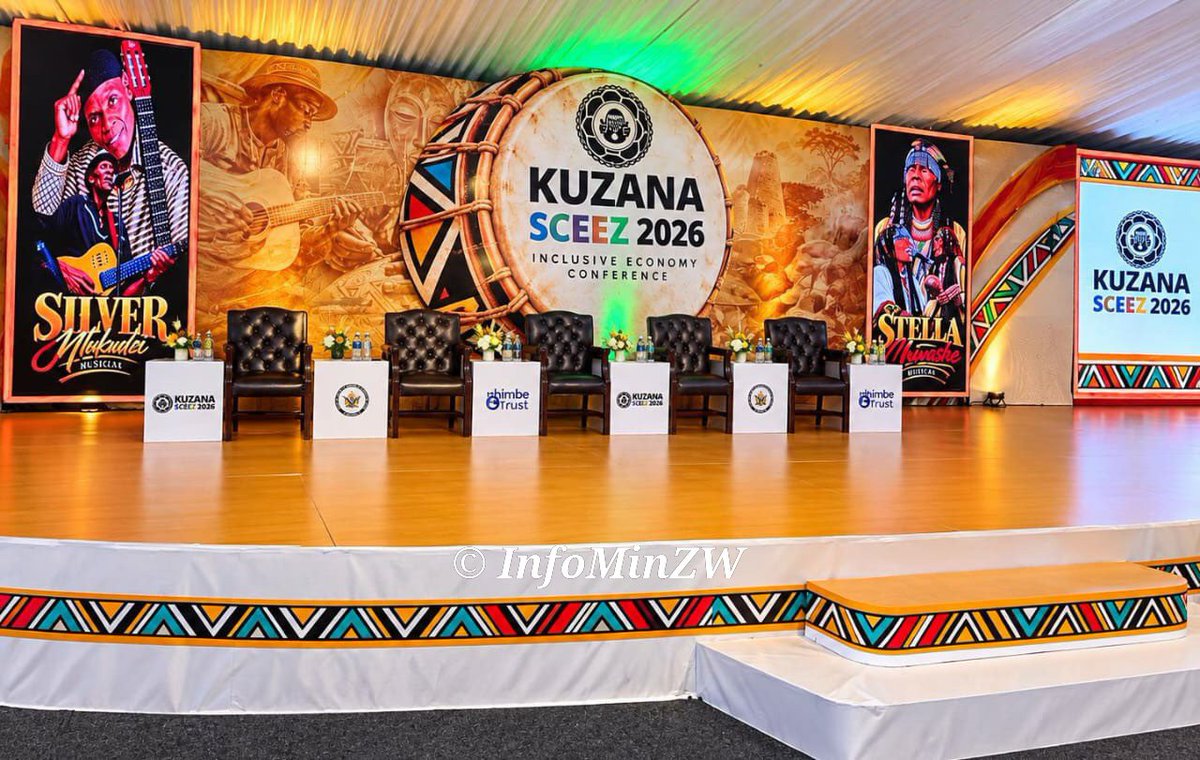
The official opening of the KUZANA SCEEZ Arts and Culture Expo 2026 at the ZITF Grounds in Bulawayo by Vice President Hon. Col. (Rtd) Dr. K.C.D. Mohadi demonstrates the government's commitment to transforming Zimbabwe’s creative sector into an economic engine. Named after the Nambya word "Kuzana" meaning "to dance" or "to play" the Expo highlights the government's work to celebrate regional heritage, elevate minority languages, and ensure every community participates in national growth.
Under the theme "Towards Vision 2030 through Sport and Creative Industries," VP Mohadi called for targeted investments in skills development, technology, infrastructure, market access, and funding to turn local artistic talent into sustainable businesses, sustainable livelihoods, and long-term youth employment across Matabeleland.
By decentralizing arts administration, funding regional cultural hubs, and honoring indigenous languages like Nambya, Kalanga, Tonga, Venda, and Sotho alongside isiNdebele, the Second Republic is ensuring that inclusivity drives the National Development Strategy (NDS2). Events like KUZANA SCEEZ demonstrate that cultural diversity and economic growth thrive side-by-side. As stakeholders turn the Expo’s resolutions into practical partnerships, Matabeleland’s vibrant creative industry continues to show how heritage preservation and youth empowerment build a prosperous, inclusive future where no one and no place is left behind.
#AsakhiZim
This was so funny to read 😂😂😂😂😂😂😂😂
This Phuti guy and his Mayor @DavidColtart are heavily romanticizing 2007 like it was some glorious victory for the city, completely ignoring the painful reality of where that decision left us.
Back then, Bulawayo residents were mobilized to reject ZINWA in the name of "civic unity" and "local autonomy." But what did that pride actually get us? Nearly two decades of chronic water rationing, empty taps, and residents queueing day and night for a basic necessity while local leaders hid behind political posturing.
Now, we are watching the exact same knee-jerk playbook being deployed against the Geo Pomona initiative for Ngozi Mine. City Hall and civic groups would rather let garbage pile up, risks multiply, and service delivery collapse just to claim they stood up to central government.
Local autonomy is completely meaningless if it delivers zero basic services. Rejecting every external solution simply to protect political turf isn't civic pride it’s pure ego, and it’s ordinary residents who pay the price every single time.
@citezw
#AsakheZim
#Bulawayo
Ndikunzwei futi muchiti Sir Wicknell haana zvaakasiira Zimbabwe! 🗣️ Chivhu has a school and stadium he was funding, and G6 has vowed to finish them. Munhu anoenda, asi mabasa ake anosara achitaura. That is legacy! 🕊️🇿🇼 #RIPWicknell
💔🕊️ G6 is carrying the family with remarkable strength during this painful farewell. Wearing a T-shirt bearing Sir Wicknell’s face, he honours a brotherhood that even death cannot erase. A touching display of love and remembrance. 🙏🏾 @wicknellchivayo#RIPCHIVAYOs
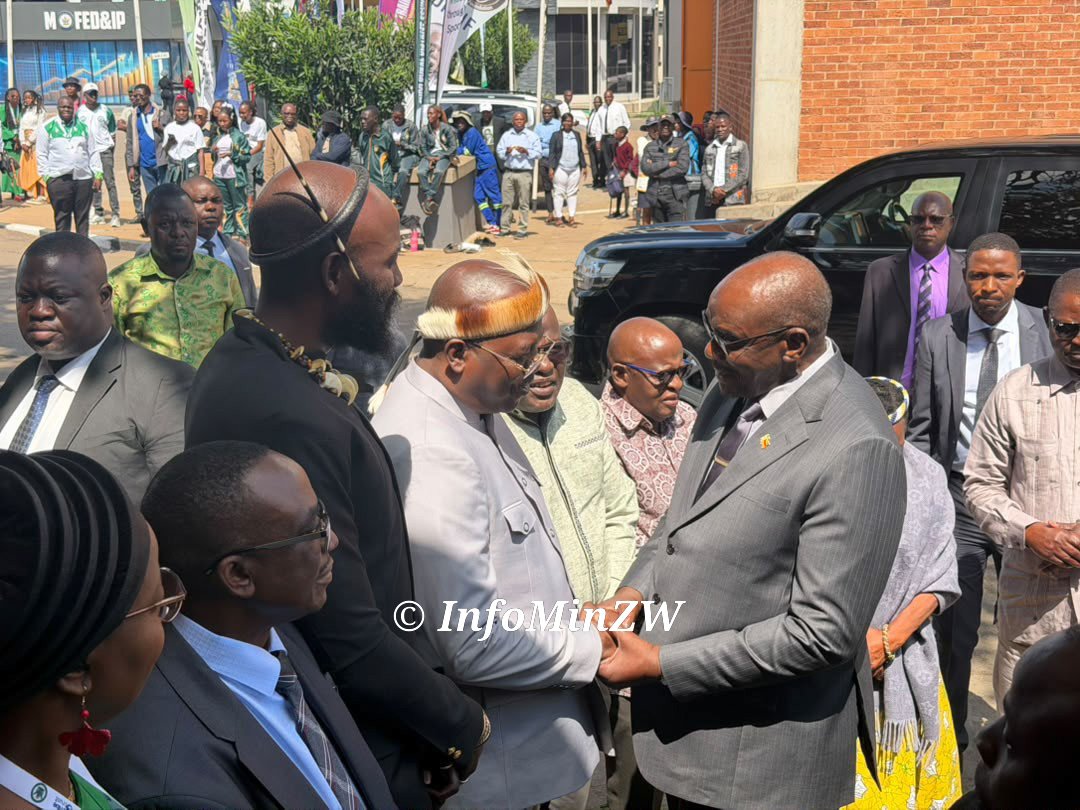
Vice President Hon. Col. (Rtd) Dr K.C.D. Mohadi has officially opened the KUZANA SCEEZ Arts and Culture Expo 2026 at the ZITF Grounds in Bulawayo, urging Zimbabwe’s creative sector to turn talent into sustainable businesses, jobs and economic growth.The name “Kuzana”, drawn from Nambya, one of Zimbabwe’s 16 official languages, means “to dance” or “to play” and reflects the dynamism of the country’s diverse cultural expressions.
Speaking under the theme “Towards Vision 2030 through Sport and Creative Industries,” VP Mohadi called for greater investment in skills development, financing, technology, infrastructure, mentorship and market access for young creatives.He urged stakeholders to convert the Expo’s resolutions into practical action and lasting partnerships that would strengthen Zimbabwe’s creative industries, expand employment and support NDS2 and Vision 2030.
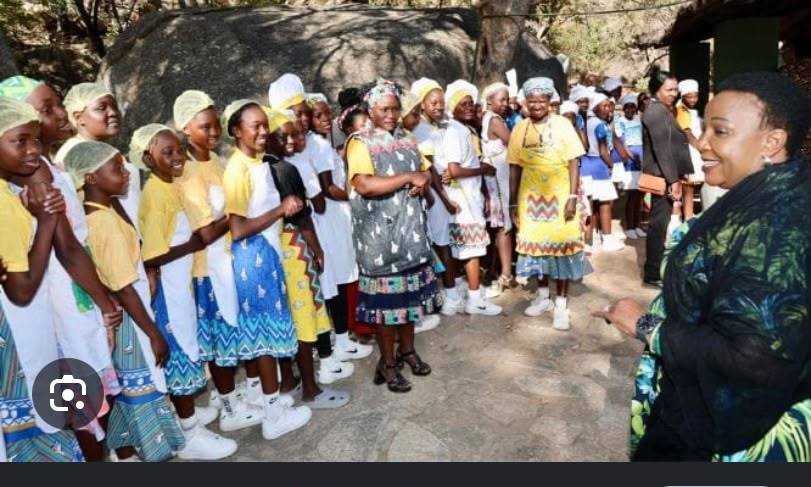
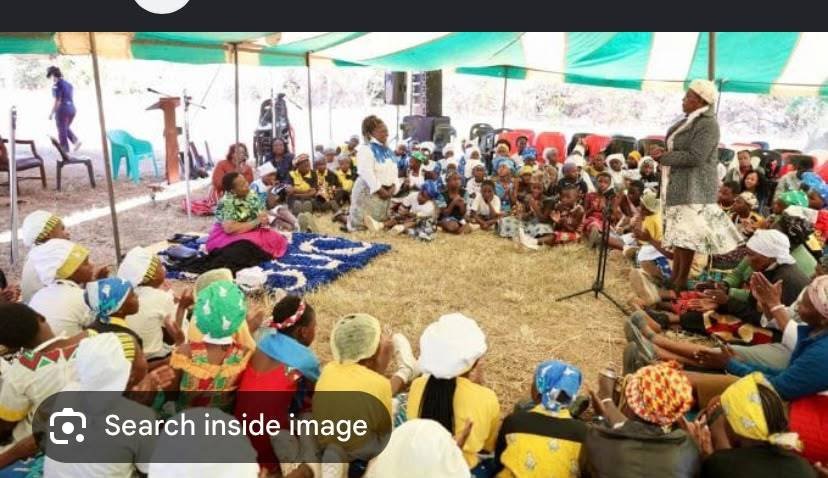
As UN Special Rapporteur Alexandra Xanthaki examines cultural rights in Zimbabwe, community initiatives championed by First Lady Dr Auxillia Mnangagwa offer an important perspective.
1/5
Matabeleland North is one of Zimbabwe’s most spectacular destinations - where dramatic landscapes, abundant wildlife, ancient history, and warm local culture come together.
Here are 5 beautiful experiences every tourist should consider 👇 #VisitZimbabwe#ZimBhoo#Culture
Binga: A Community Moving Into a New Development Era 🇿🇼
Binga is a district rich in Tonga culture, traditions and natural resources. The Tonga people's indigenous knowledge, music, crafts, traditional practices and deep connection to the Zambezi River remain central to their identity. Alongside efforts to preserve this heritage, Government and development partners have been implementing infrastructure and community projects aimed at improving livelihoods and unlocking the district's economic potential.
Road Infrastructure and Connectivity
The Binga–Siakobvu–Karoi road is an important transport corridor connecting rural communities to markets and essential services. Road improvement initiatives have also targeted communities in Siansali, Pashu, Dobola, Saba, Siachilaba, Siabuwa, Sinampande and Sinakoma, helping improve accessibility in traditionally underserved areas.
Water Supply and Sanitation
Water infrastructure development has reached communities such as Mlibizi and Siansundu, where rehabilitation of the approximately 65-kilometre water supply system has improved access to clean water for households and public institutions.
At Bunsiwa Primary School in Siachilaba, water and sanitation improvements have supported a better learning environment. Borehole initiatives have also reached communities such as Ndaliyoka Village in Tinde, strengthening access to water in rural settlements.
Healthcare and Education
Healthcare infrastructure has expanded through the development of clinics in Mabobolo and Manyanda, improving access to primary healthcare services.
In education, infrastructure projects have benefited schools in Chibondo, Mulindi, Bulawayo Kraal and Muchesu, including the construction of classroom blocks and teachers' accommodation. These developments support improved learning conditions and access to education for children in rural communities.
Public Services and Rural Development
The establishment of Civil Registry sub-offices in Kariyangwe and Tyunga-Lunga has brought essential documentation services closer to communities, reducing the need for residents to travel long distances.
Rural electrification, skills development and agricultural support initiatives also form part of broader efforts to expand economic participation and improve service delivery across the district.
Tourism, Mining and Economic Opportunities
The rehabilitation of Binga Airstrip is intended to improve accessibility and strengthen tourism opportunities around Lake Kariba and the Zambezi Valley.
Investment around Muchesu Mine provides opportunities for mining-related employment, transport services and local business participation.
Meanwhile, tourism attractions such as Binga Hot Springs, Siachilaba's cultural heritage sites and the Lake Kariba shoreline offer opportunities to develop community-based tourism while preserving Tonga traditions.
Development That Respects Cultural Identity
These initiatives illustrate how investment in roads, water, healthcare, education and economic infrastructure can support communities across Binga.
The district's development is not simply about building infrastructure. It is also about ensuring that Tonga communities have greater access to essential services, economic opportunities and the resources needed to improve their livelihoods while preserving their cultural identity.
Binga's future lies in combining its rich cultural heritage with improved infrastructure, stronger public services and greater economic participation.
🇿🇼 Binga is being connected, empowered and opened to new opportunities, with Tonga culture remaining at the heart of its development.
@AXanthaki
#UNRapporteur
#ZimCulturalDiversity
Nomalanga Sigola becoming Chief Sigola, is not just a traditional leadership story. For me, it is a story about who we are as Zimbabweans and the kind of society we are becoming.
Here is a woman stepping into a position of traditional authority in Matabeleland South ,carrying the legacy of her late father while also writing her own chapter.
And she is not alone.
Matabeleland has a history of women in traditional leadership, including trailblazers such as Chief Sinqobile Mabhena, Zimbabwe’s first female chief, alongside other women who have served as chiefs in the region.
To me, this is what cultural diversity should look like: holding on to our roots while allowing our communities to grow.
Gender equality does not have to mean abandoning tradition. And tradition does not have to mean keeping women out of leadership.
Zimbabwe has many cultures, languages, histories and systems of traditional leadership. That diversity is not something we should hide or flatten ,it is part of what makes Zimbabwe, Zimbabwe.
So when a woman is installed as a chief, let us look beyond the title.
Let us see a daughter carrying a family legacy.
Let us see a community preserving its identity.
Let us see women taking their place in spaces where leadership was once largely associated with men.
And let us see a Zimbabwean culture that is strong enough to preserve its traditions while making room for change.
This is our culture. This is our diversity. This is Zimbabwe ,evolving without forgetting where it comes from. 🇿🇼
#ZimCultureDiversity
#WomenInLeadership
#ChiefSigola
#GenderEquality #OurZimbabwe