Personal account and opinions. Executive Director of IPAC and Research Professor at Caltech. Astronomer studying young stars, exoplanets, and space missions
Looking forward to #AAS248 next week…and our #IPAC40 PARTY! 🥂🥳
We're celebrating 40 years of IPAC with food, drinks, activities, and merch! Join us on Wednesday, June 17 @ 6:30-8:00 p.m.
More details here: https://t.co/1BSPg2JBZP
Join us for a FREE afternoon of science demonstrations, solar telescopes, and public-level presentations on black holes, exoplanets, galaxies, and more. Come learn about space with scientists from Caltech, NASA JPL, Carnegie, LIGO, etc. More info at:
https://t.co/KfA6JKIYTw
The most common types of exoplanets are oddly missing from our own solar system 🤔
Scaling K2, an ongoing project at @NExScI_IPAC, is diving into this enigma:
https://t.co/MW4fwPtnCa
The Near-Earth Object (NEO) Surveyor — NASA’s first infrared space telescope purposely designed to discover potentially hazardous asteroids and comets — is undergoing integration and testing. 🔨 ⚙️ 🔧
https://t.co/oRbRUXnJYf
IPAC Annual Picnic: 40th Anniversary Edition ✨
The dessert bake-off during the picnic is IPAC’s sweetest tradition 🍰
Kevin Hardegree-Ullman’s “#ipac40 Cosmic Brownies” won first place, and Chris Gelino’s “Retro Lemon Curd Cake” won the people’s choice award!
NASA's SPHEREx mission is mapping 'interstellar glaciers' across our galaxy, and these icy regions may be the origins of glaciers—and all water—on Earth 💧
https://t.co/dPgkC87J5T
@eggpro1975@exploreplanets Society also benefits from increased knowledge and tech spinoffs. The public wants NASA to do this work (Pew poll results), and it is a lot cheaper than mannes missions which do little space science. Zero investment from private industry in space science so far.
@eggpro1975@exploreplanets How this is supposed to work: the Fed government invests a fairly small amount of money in space science missions, most of it going to private industry for building spacecraft. A smaller chunk goes to doing science with the mission data. Private industry benefits from the $.
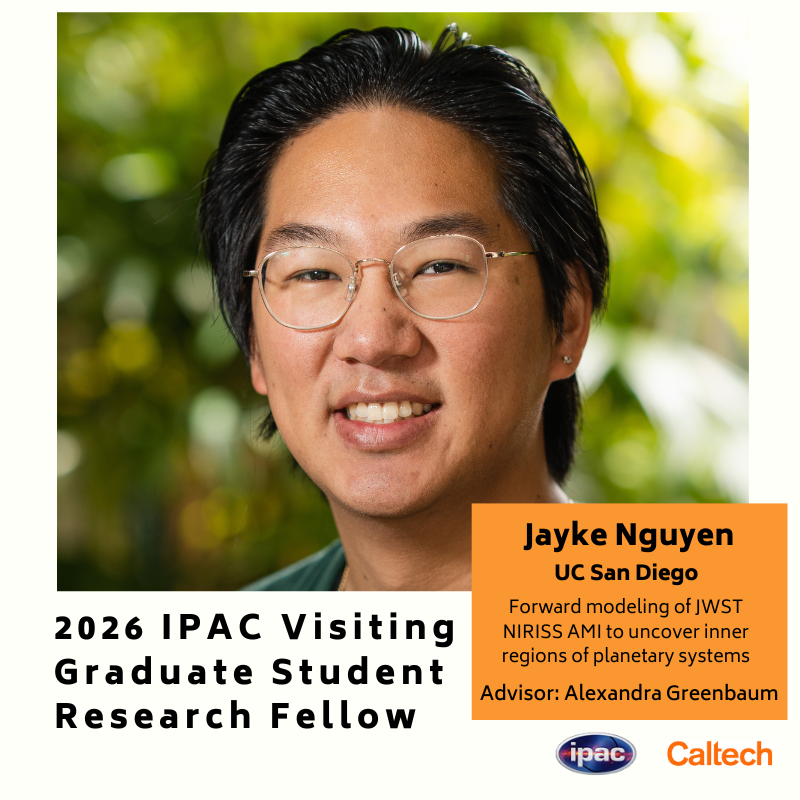
The Visiting Graduate Student Research Fellows have landed! 🚀🔭
@AstroJayke joins us in Pasadena to work on the forward modeling of JWST's aperture mask interferometry (AMI) mode to uncover the inner regions of planetary systems. 🪐🪐🪐🛰️
More on #VGSRF: https://t.co/8KvlPOwgoh
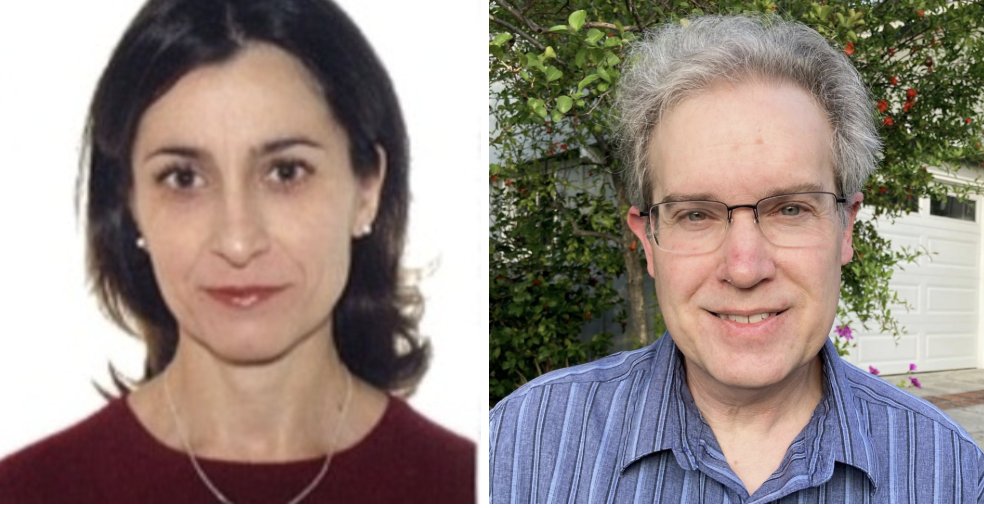
We're proud to name Harry Teplitz as IPAC’s new Head of Science Staff and Roberta Paladini as Deputy Head!👏
They will lead our scientific community by advocating for research, mentoring staff, and fostering career growth across the center.
Details: https://t.co/3j9ilavvi6
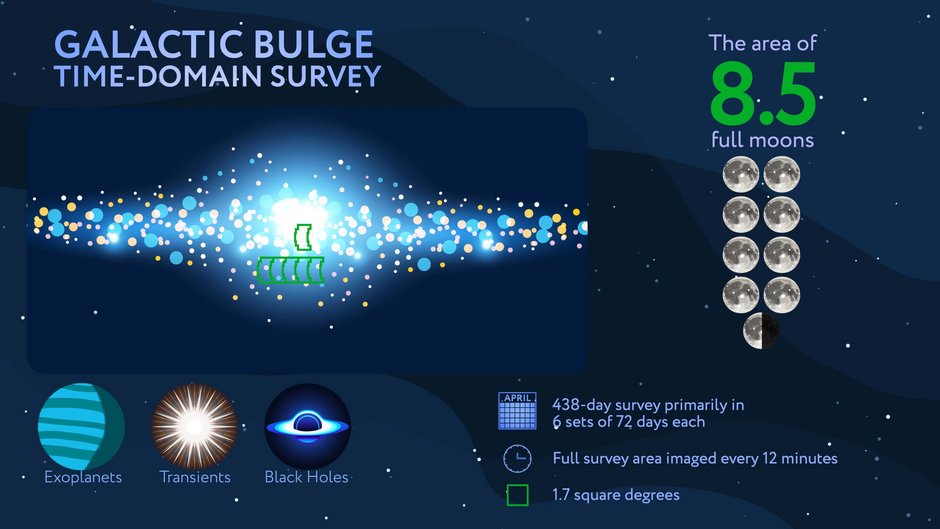
How do you explore the most crowded area of the Milky Way? With precision and persistence 🔎
@NASARoman is gearing up to study this region with the Galactic Bulge Time-Domain Survey. Read more about Roman's observing plans & IPAC's role here: https://t.co/Cil3GCMYnS
Breaking: first JWST thermal phase curves of temperate rocky exoplanets show no thick atmospheres around TRAPPIST-1 b and c
https://t.co/6p5JBpRBo5
https://t.co/rg9CtAIljQ
#JWST#Exoplanets#TRAPPIST1
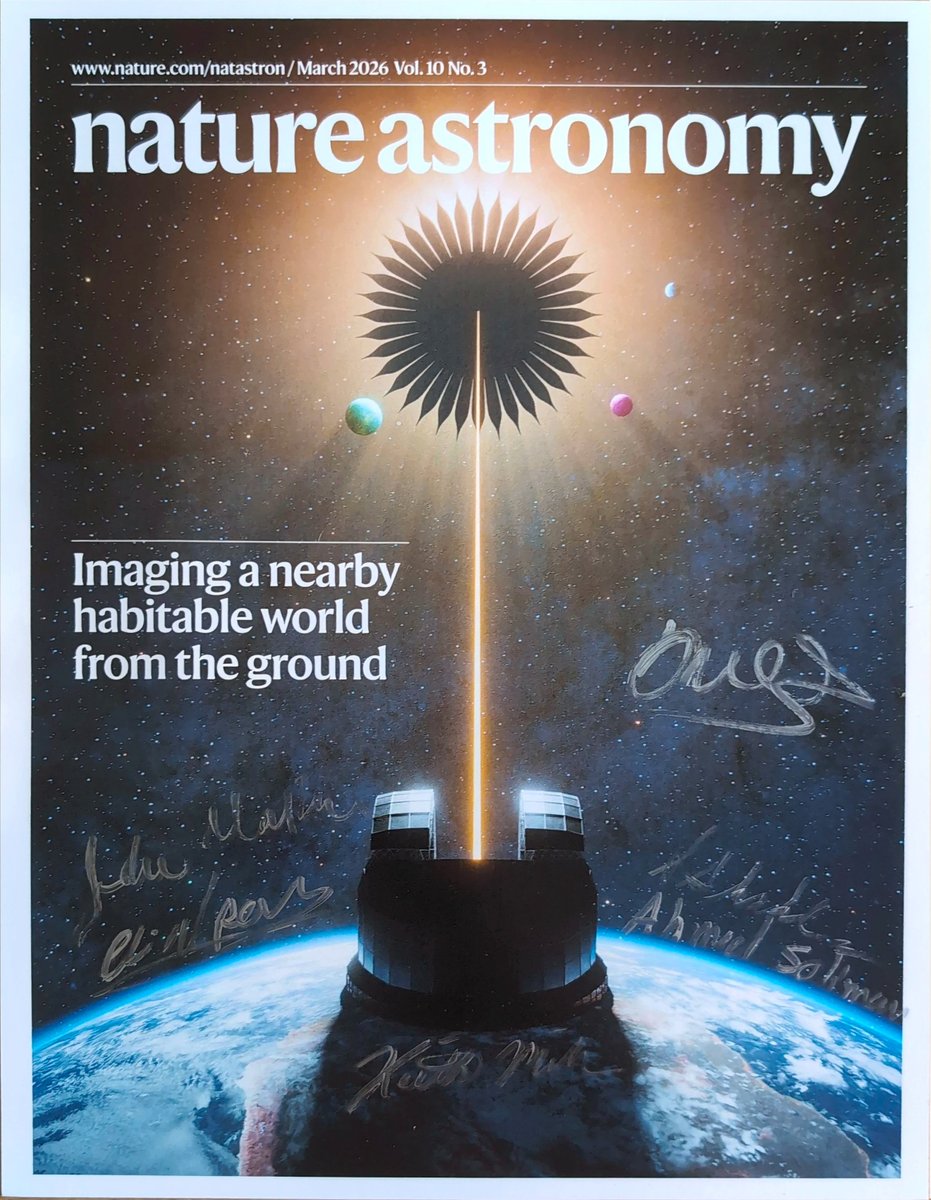
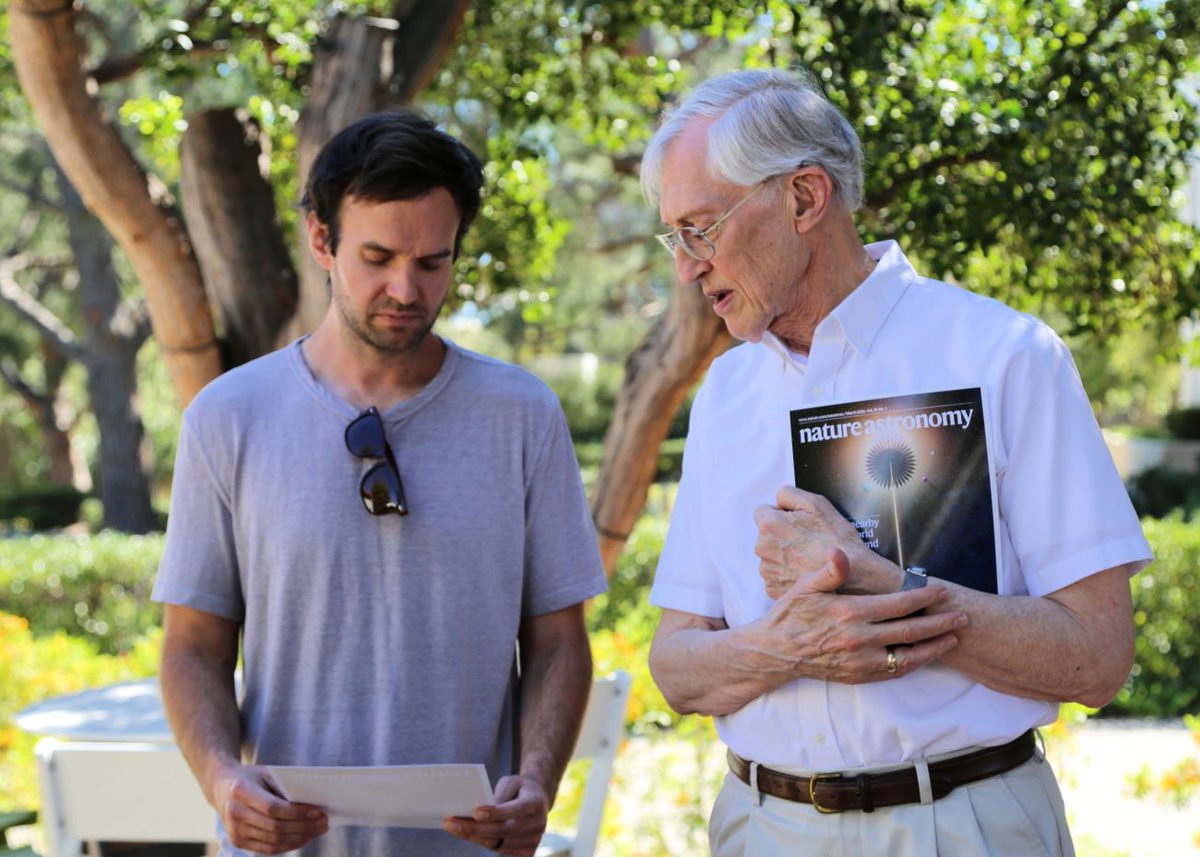
World-class research + world-class art = @NatureAstronomy cover.🌟
This supergroup collab between @KISS_Caltech & artist Keith Miller from IPAC’s Science Engagement Lab is a fusion of science and vision. The team celebrated by signing their masterpiece.🖊️https://t.co/35YPHumD2I
Charting The Infrared Universe Symposium
Celebrate George Helou’s 30+ year legacy at IPAC on March 30! ✨🔭
Join us for a hybrid symposium on the future of space-based astronomy. Attendance is free, but registration is required by March 16. https://t.co/pCvrr4wPb2
Congratulations to IPAC scientist Vivian U and her team, whose work on wobbly black holes and galaxy evolution made the cover of @ScienceMagazine! !🙌🥳🎉😎
➡️Magazine article: https://t.co/ufn5KhkaXa
➡️IPAC story w/ #AAS247 press conference video: https://t.co/aLuZiOAK4X