I am thrilled to share that my first author publication: "High-throughput total RNA sequencing in single cells using VASA-seq" is out in in Nature Biotechnology. This is the fruit of many years of hard work during my PhD @Cambridge_Uni!
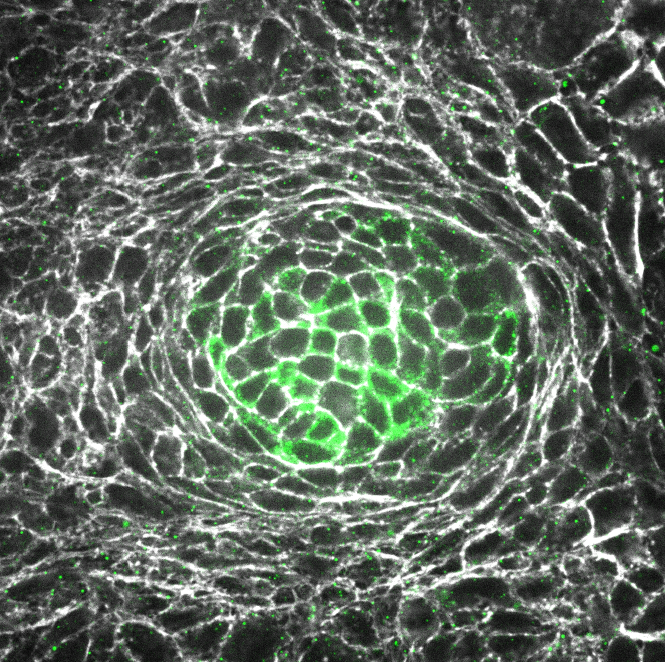
Our paper on the mechanobiology of the intestinal epithelium is now out @NatureCellBio. We report high-resolution time-evolving maps of 3D traction forces in intestinal organoids.
https://t.co/9Tj3lzhFN2
@icreacommunity@IBECBarcelona
You don't want to miss 'Everything in its right place: controlling the local composition of hydrogels using microfluidic traps' by Esther Amstad @SMaL_EPFL. Selected by Aaron Wheeler as a top paper in @LabonaChip ✨
Read this exciting research here ⬇ https://t.co/FNq656NQI1
What drives intestinal epithelial cells out of their niche? Are they pushed by mitotic pressure? Are they dragged by tensile forces? Do they move up or down a stress gradient? @PerezGonzalezCa will give you the answer today in #Morphogenesis2020
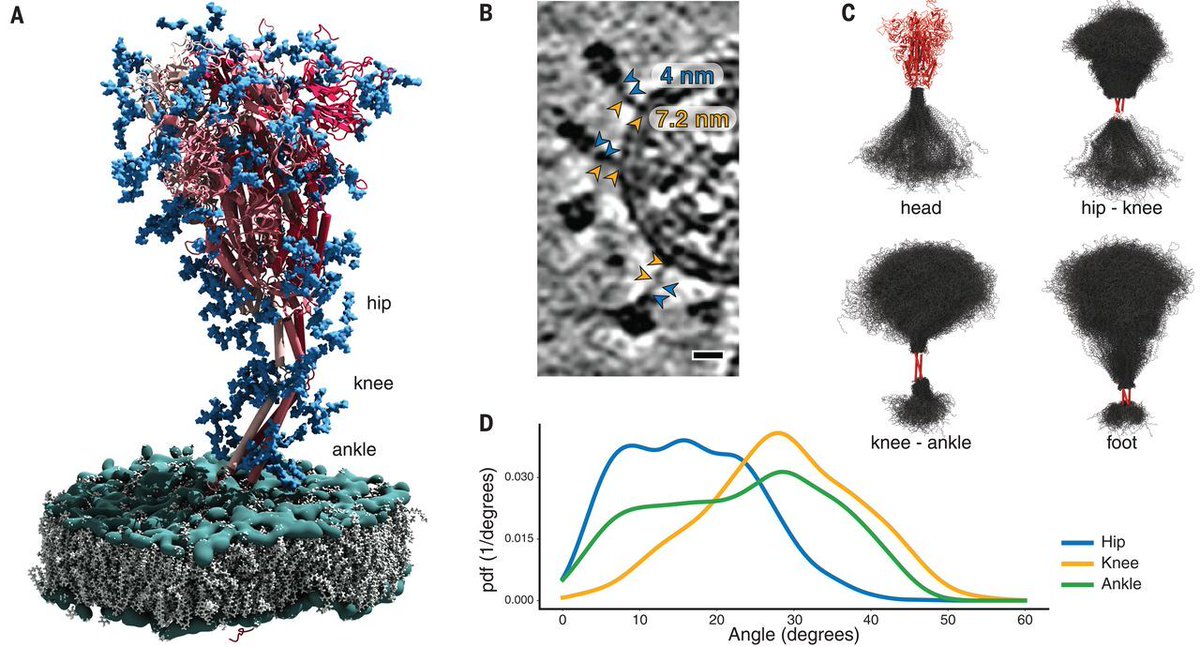
Researchers analyzing the spike protein of #SARSCoV2 before viral entry identified three “shielded” hinges in the spike that may allow it to scan the host cell surface while avoiding antibodies, thanks to glycan shielding.
Read the study in Science: https://t.co/puvfx208Ox
Looking forward to discussing how to best support the next generation of scientists during these crazy times with the broader cell biology community this Thursday!
I still can���t believe it!! Phenotypic landscape of 400k intestinal organoids. The 3k compound fingerprints allowed us to infer the first map of functional interactions and to translate our findings into intestinal regeneration in vivo
https://t.co/uflBqrBKTd
BREAKING NEWS:
The 2020 #NobelPrize in Chemistry has been awarded to Emmanuelle Charpentier and Jennifer A. Doudna “for the development of a method for genome editing.”
If I may make a brief plug for our recent paper on the interactions of an enzyme with a DNA condensate, with some movies, as requested by .@CampasLab
The paper link is here; the movies and some context follow...
https://t.co/I3FddLjAZ4
Why do flying snakes undulate in the air? Our new paper in Nature Physics answers this using new experimentally-driven modeling: undulation provides the rotational stability they need to glide
Article https://t.co/G3ZH9iJEwr
@snake_flyer @isaacyeaton
#flyingsnakes#biophysics