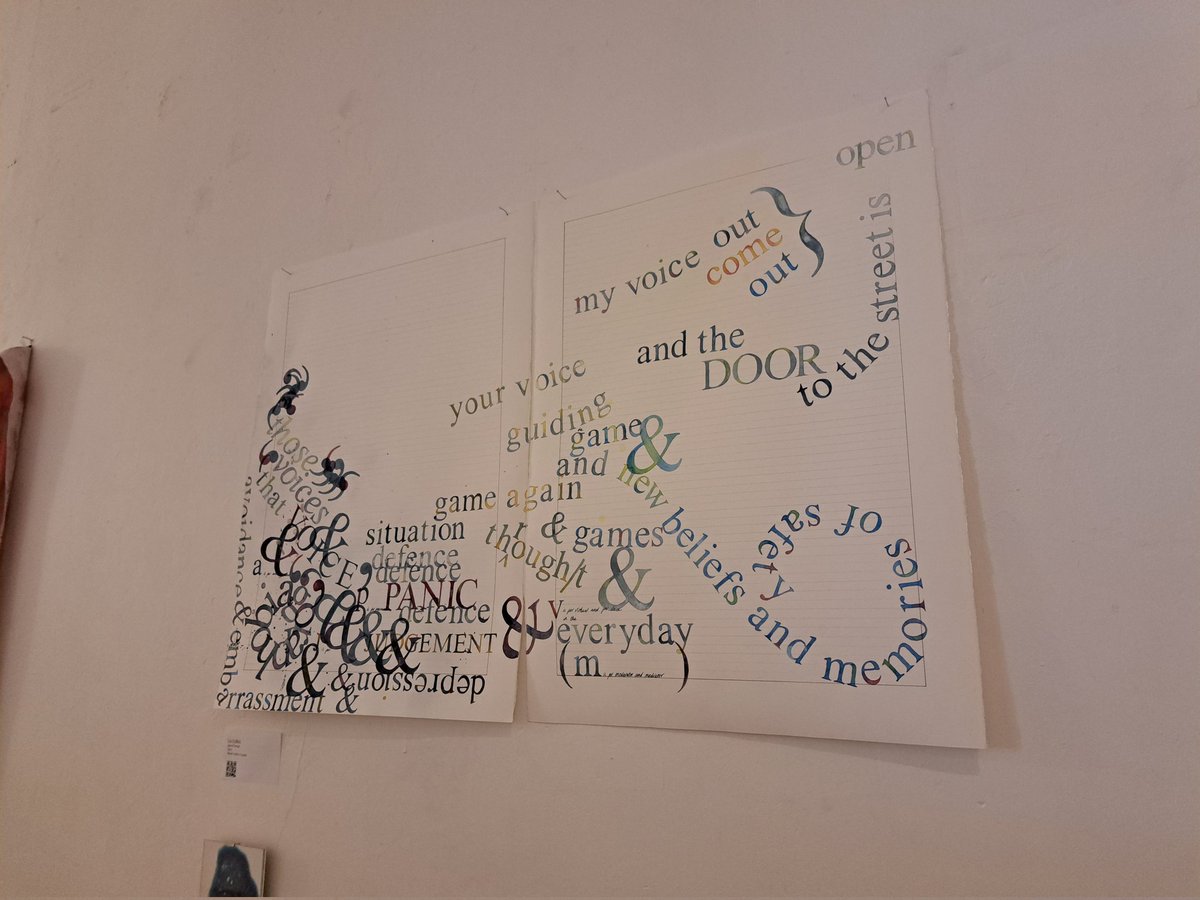
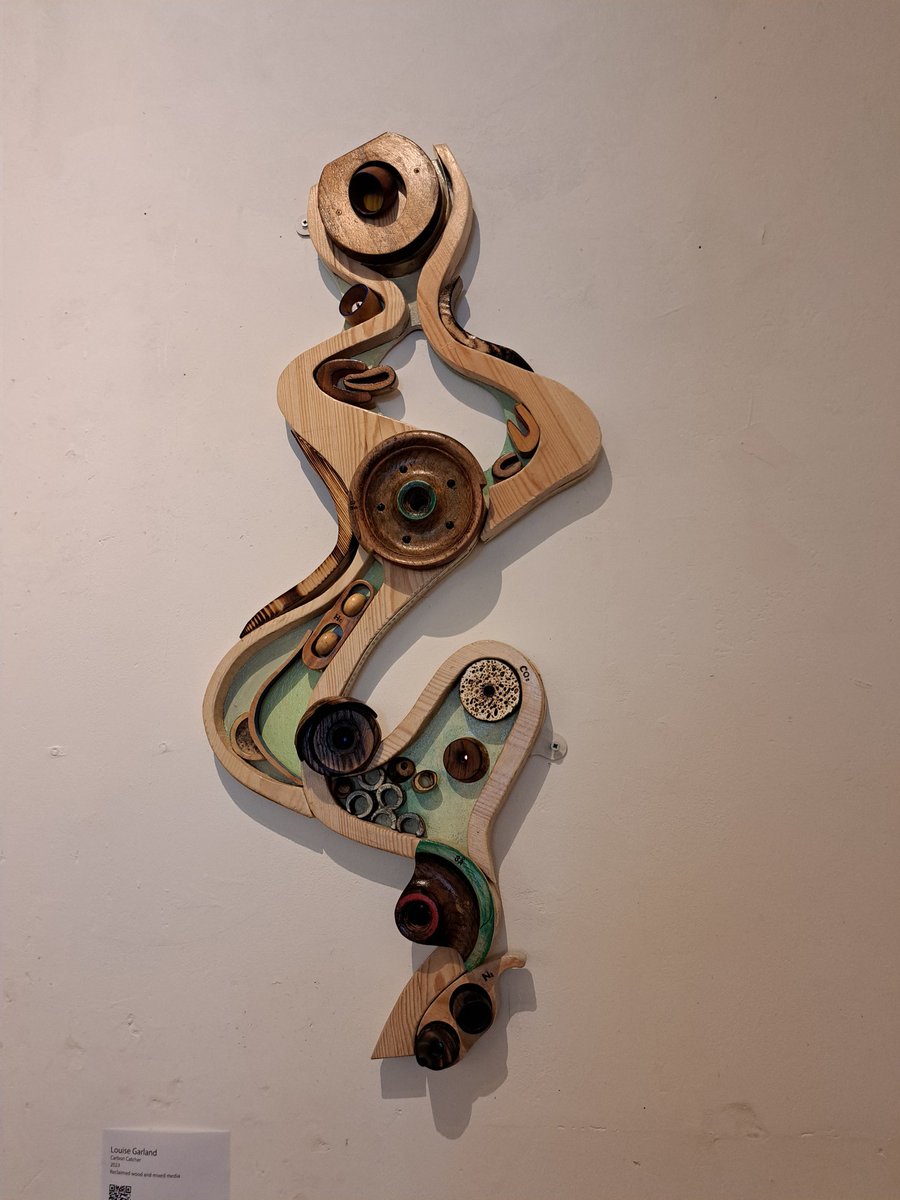
I've spent the weekend volunteering with @pintofscience on their Creative Reactions gallery, it's been so cool to see how all the artwork has turned out!
Our @UoMPhysics student outreach team @UoMPhysOutreach have been highly commended for their work in widening participation in higher education! #MaDAwards
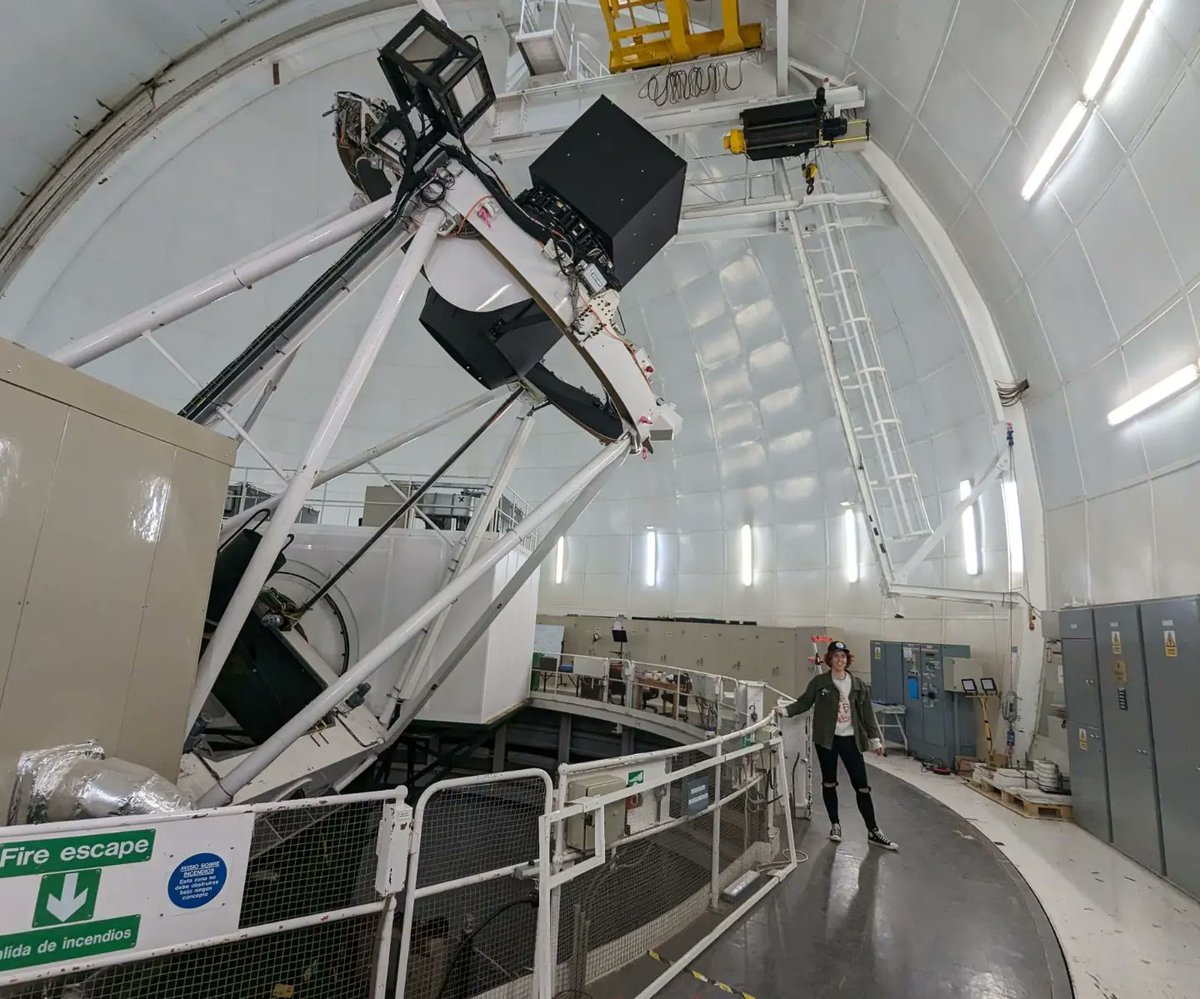
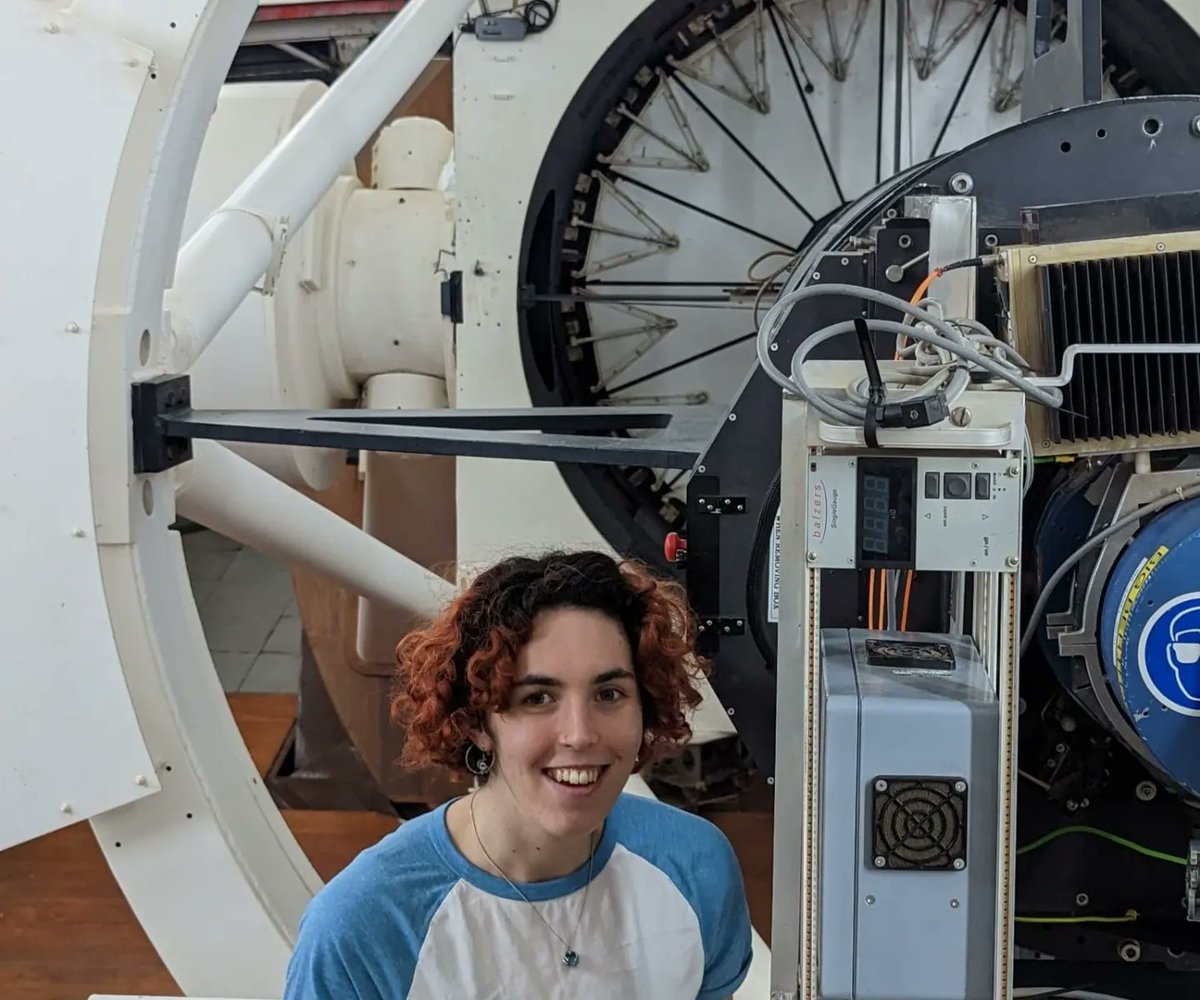
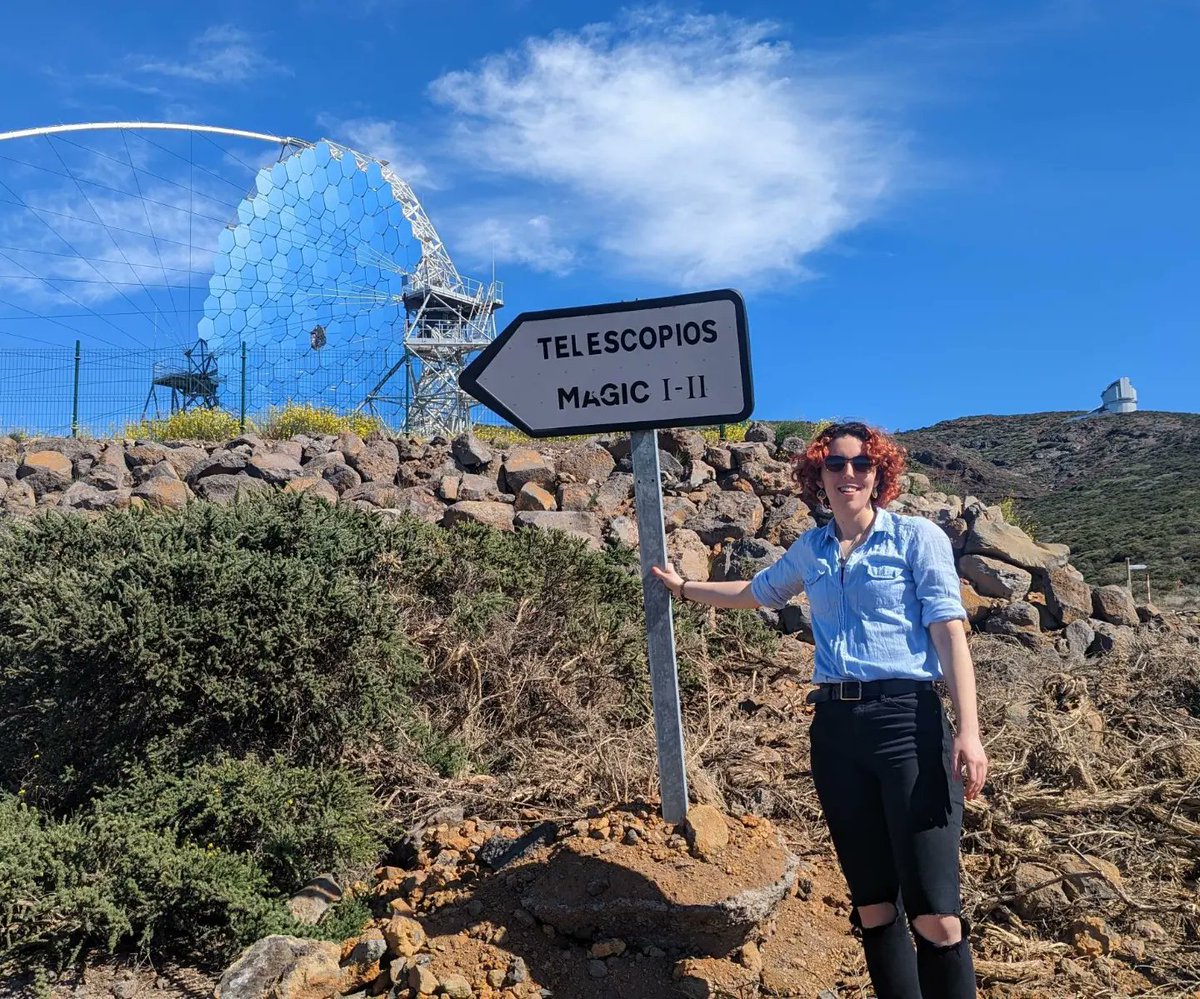
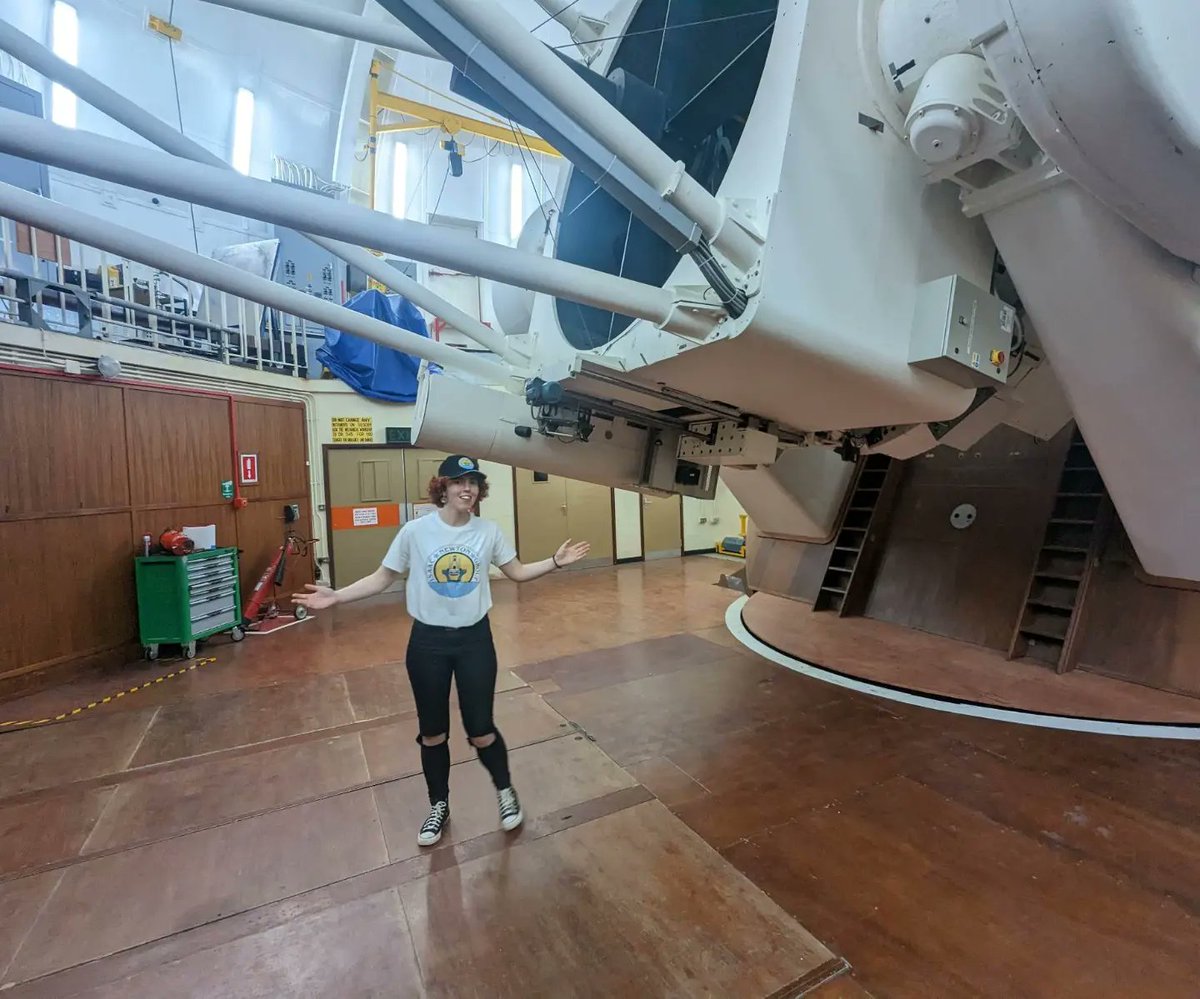
I've spent the last week observing at the Isaac Newton Telescope in La Palma, one of the best experiences I've ever had 😍✨️🔭
New space pictures dropping soon 😁
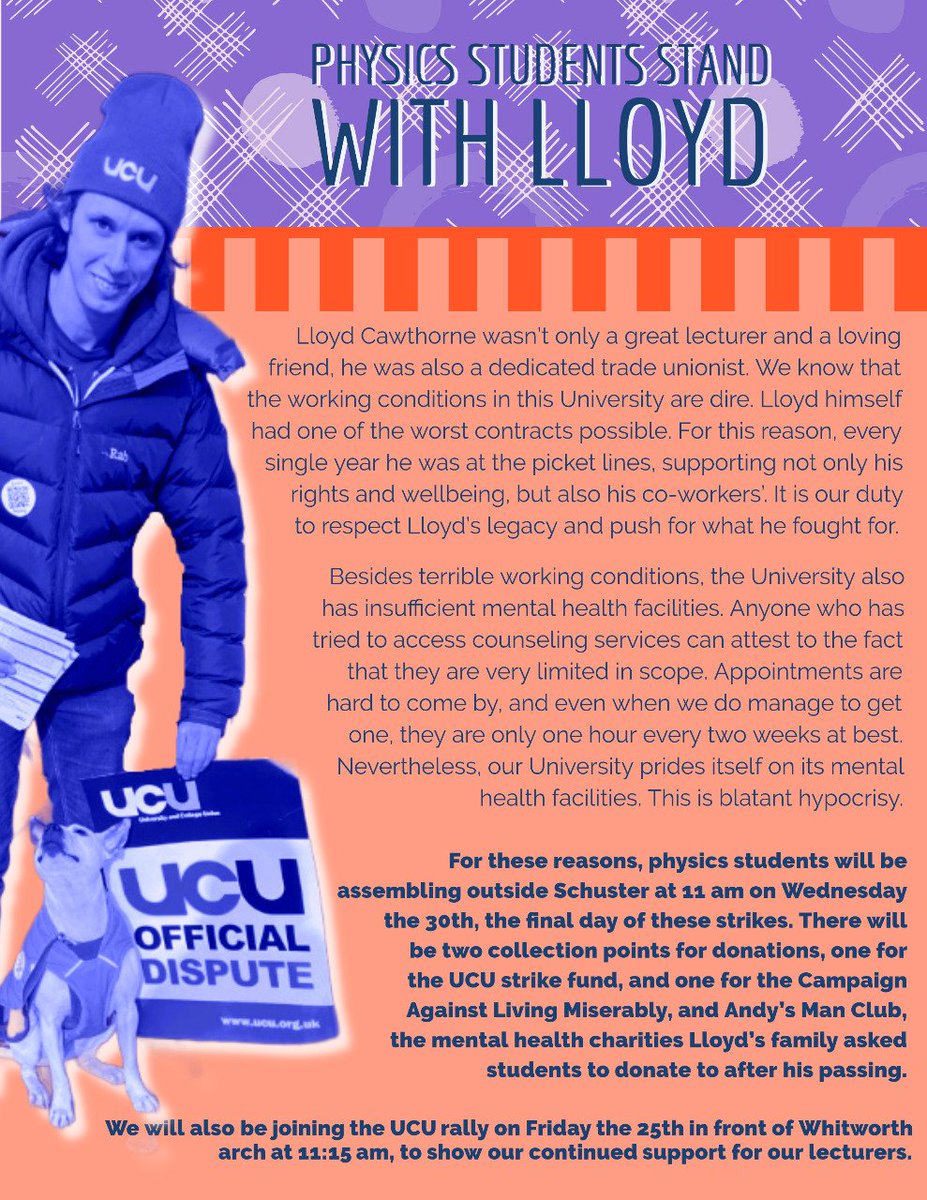
Amazing initiative by Physics students at Manchester, honouring our colleague Lloyd Cawthorne.
Many of us felt his absence today very strongly. Knowing how much he would have loved the turnout and enthusiasm of the day made it even harder.
Join them at Schuster, next Wed at, 11
Welcome to a new academic year everyone!
To know more about us, come see us at the FSE Community Fair on Friday, 23rd September from 1pm to 4pm at Engineering Building A. We have some really cool physics demos!
#UMPO@UoMVolunteering@UoMPhysics#freshersfair#physicsoutreach
☀️ #SolarOrbiter has made the first ever remote sensing observation of an S-shaped ‘switchback’ magnetic feature in the #SolarWind, a phenomenon that may be important in understanding the acceleration and heating of the solar wind 👉 https://t.co/1xlbvk9SAa
🎥 Fall into the spider's web in this new video from NASA/ESA/CSA James #Webb Space Telescope which zooms into 30 Doradus, nicknamed the Tarantula Nebula 🕷 👉 https://t.co/wiDso3seDM #JWST
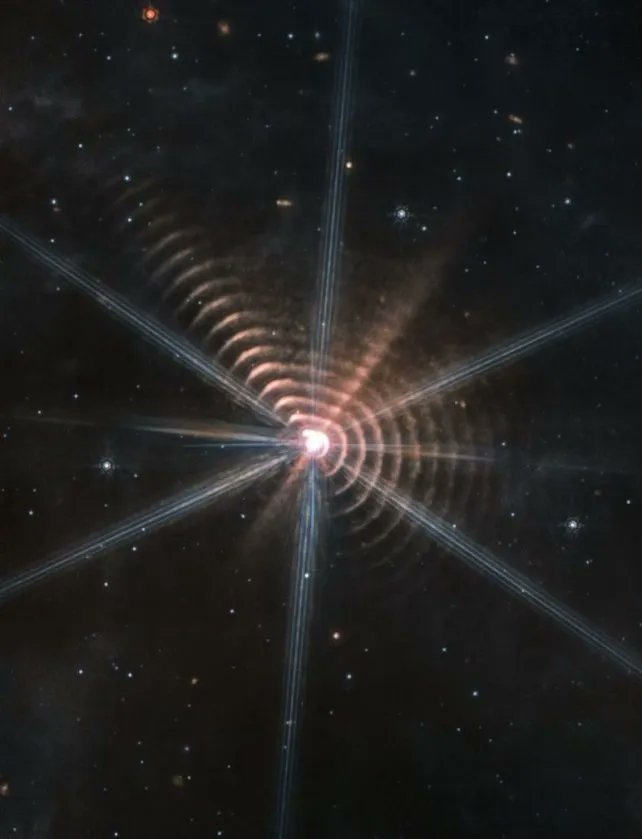
The James Webb Space Telescope recently captured this image of Wolf-Rayet 140 ✨
The six spikes of light are instrument artifacts caused by diffraction.
The concentric rings around the star, however, are really there in space. Cosmic dust, spanning 1.4 trillion kilometers.
Two space telescopes, twice the star power.
This #TransformationalTuesday, watch as @NASAHubble’s view of the Tarantula Nebula fades into Webb’s NIRCam, then MIRI instrument views. Hubble and Webb will work together to showcase the universe across multiple wavelengths of light.
Try our all-new "Eyes on the Solar System" online immersive experience to explore the planets and follow along with more than 120 past and current space missions: https://t.co/flTLEph1Rh
LIVE NOW: The #Artemis era of exploration begins today with @NASAArtemis I, the first flight test of the rocket and spacecraft that will take humanity to the Moon. The launch window opens at 8:33am ET (12:33 UTC). https://t.co/mFyoeRMC6q