#ESCCongress2024 done 👏🏻 👏🏻
Gearing up for Brisbane GPCE ✈️ to talk Lipids & cardiovascular risk with good friend & colleague @ajnelson
Conference link/discount below 👇🏼
Code SPEAKER50ADV to get 50% off your Conference Pass. #GPCEBrisbane
https://t.co/tSXycBFXi7
#ESCCongress2024 done 👏🏻 👏🏻
Gearing up for Brisbane GPCE ✈️ to talk Lipids & cardiovascular risk with good friend & colleague @ajnelson
Conference link/discount below 👇🏼
Code SPEAKER50ADV to get 50% off your Conference Pass. #GPCEBrisbane
https://t.co/tSXycBFXi7
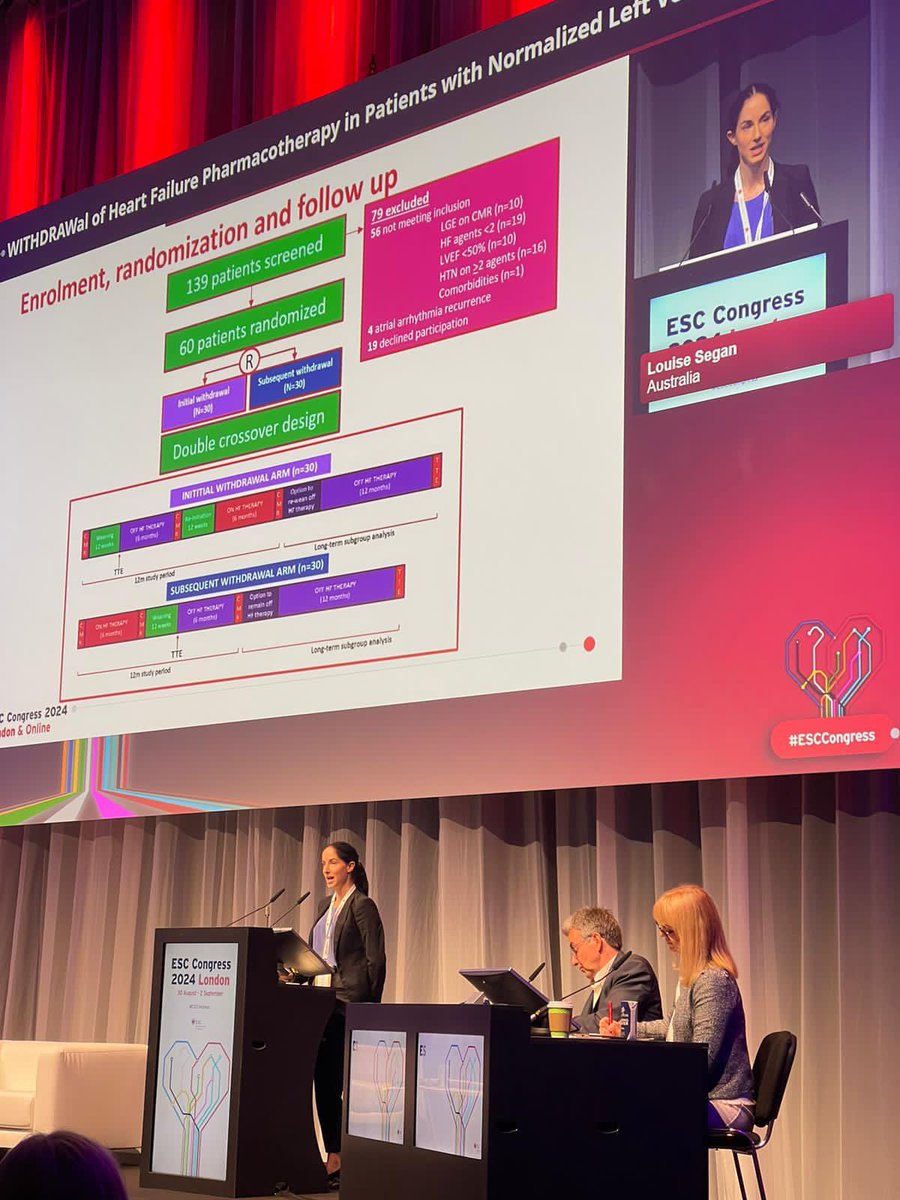
Results of the CAMERA-MRI II study LBCT #ESC2024: catheter ablation in AF and LVSD with LV fibrosis superior to medical therapy with respect to LVEF improvement, functional status, patient symptoms and reverse LA remodeling @ESCardioNews@drjohnm@peterkistler3@drsunnyprabhu
Loss of kidney function accelerates dramatically after HF, while atherosclerotic & HF risk increases 3-4 fold after CKD progression
Highlighting epidemiological & therapeutic synergies between CKD & CV disease
Cardio-kidney-metabolic #simpub for #ESCCongress in @JACCJournals
Patients with HFrEF have ⬆️ incident cancer but undergo ⬇️ cancer screening than the general population (despite expressing interest).
Should we include cancer screening in HFrEF programs?
https://t.co/7ZQaYJjgX4
#cardiooncology#reversecardiooncology@MonashVHI
Fantastic work by @cardiopharmnerd - discharge pathways post PCI and CABG look different but use of secondary prevention medications should be similar… plenty of opportunities to improve adoption of evidence based therapies. https://t.co/BaJKXbAwbV
Absolutely stoked to be featured in the Limbic yesterday, check out the story behind revascularization and secondary prevention medication use on Victoria:
Preventive meds after MI depend on revascularisation strategy: https://t.co/9bZzHF97DI
Thanks for the opportunity @ProfSNicholls & @lamcardio ...
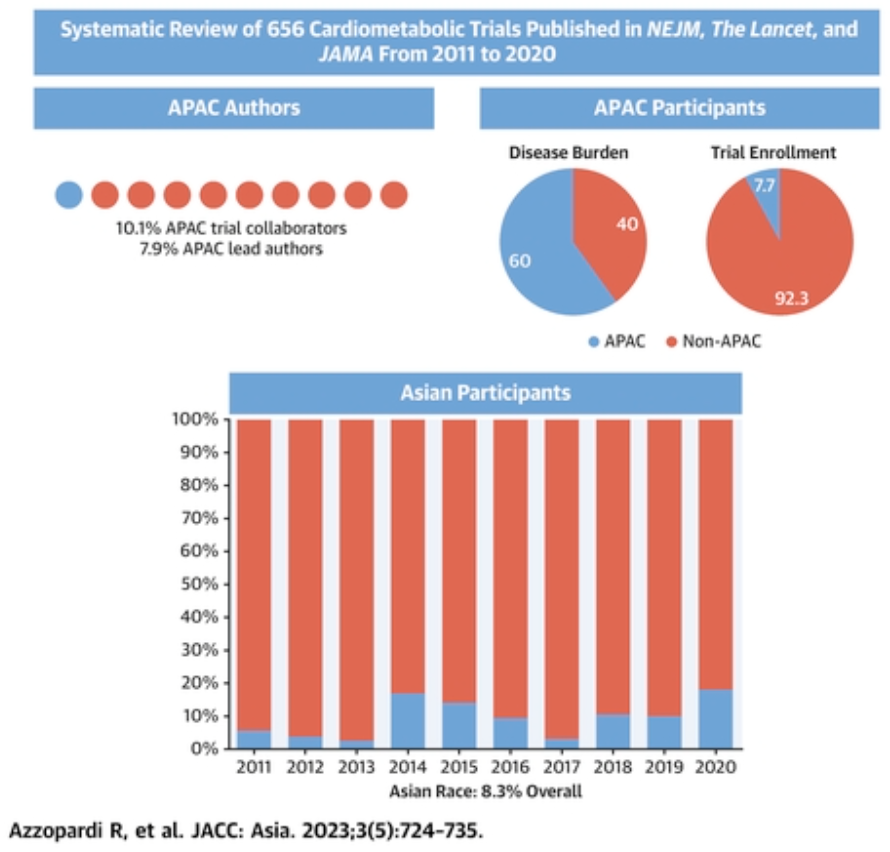
Despite housing 60% of the global burden of CVD, our earlier work has shown that < 10% of participants enrolled in seminal cardiometabolic studies are from APAC.
Huge opportunities
@the_apcmc
https://t.co/wkPNUIedID
REGISTER: https://t.co/PPmbKQl3bp
A MDT panel presents the latest updates on the use of disease-modifying treatments in cardio-renal metabolic disease and discusses models of care for improved patient outcomes.
@brendonneuen@KrishRathika@ajnelson@DrSarahGlastras@ANZSN
@Ajar_Kochar Summarising the guidelines for the management of older patients with ischemic heart disease…gaps in the evidence but multiple opportunities to de-prescribe - consider beta blockers & aspirin as low hanging fruit
@A_Lowenstern @MichaelGNanna@DrDamluji@ParagGoyalMD
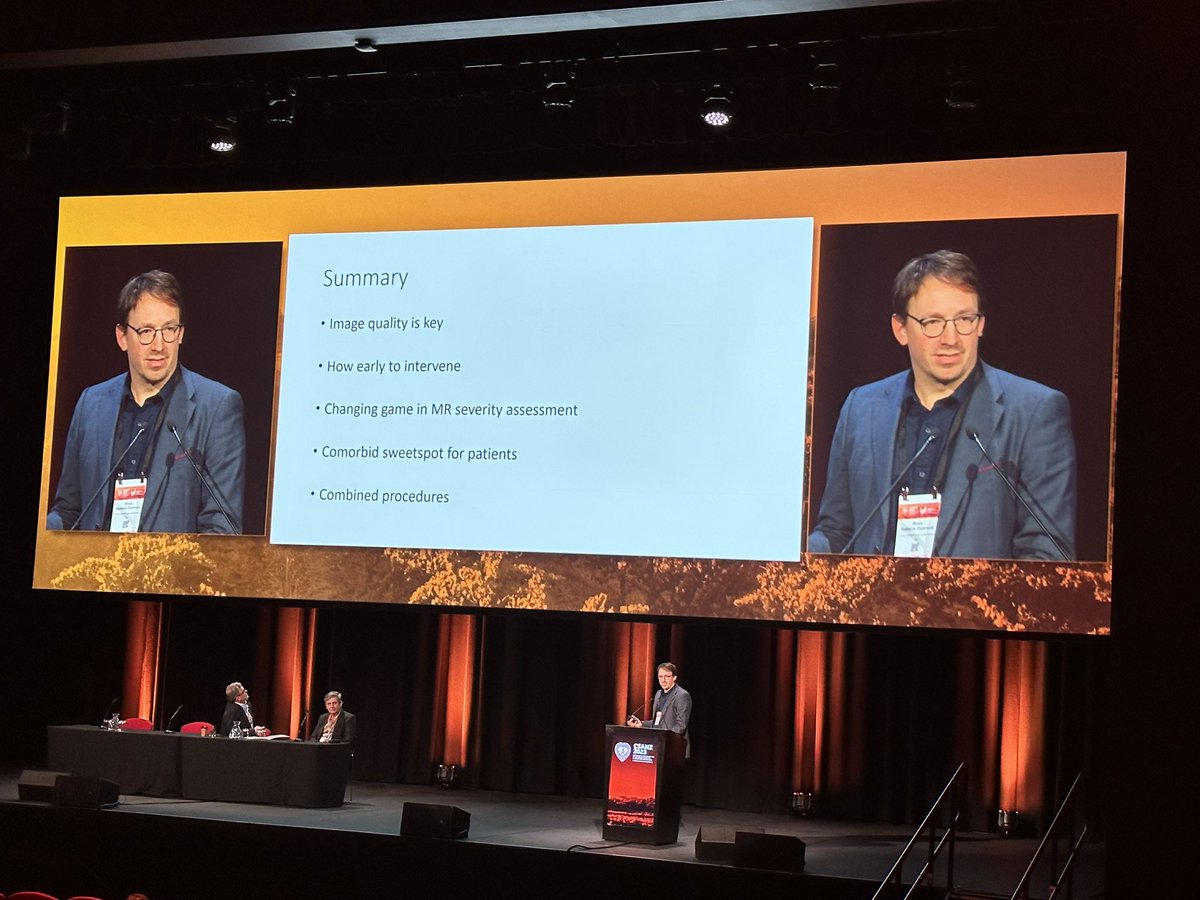
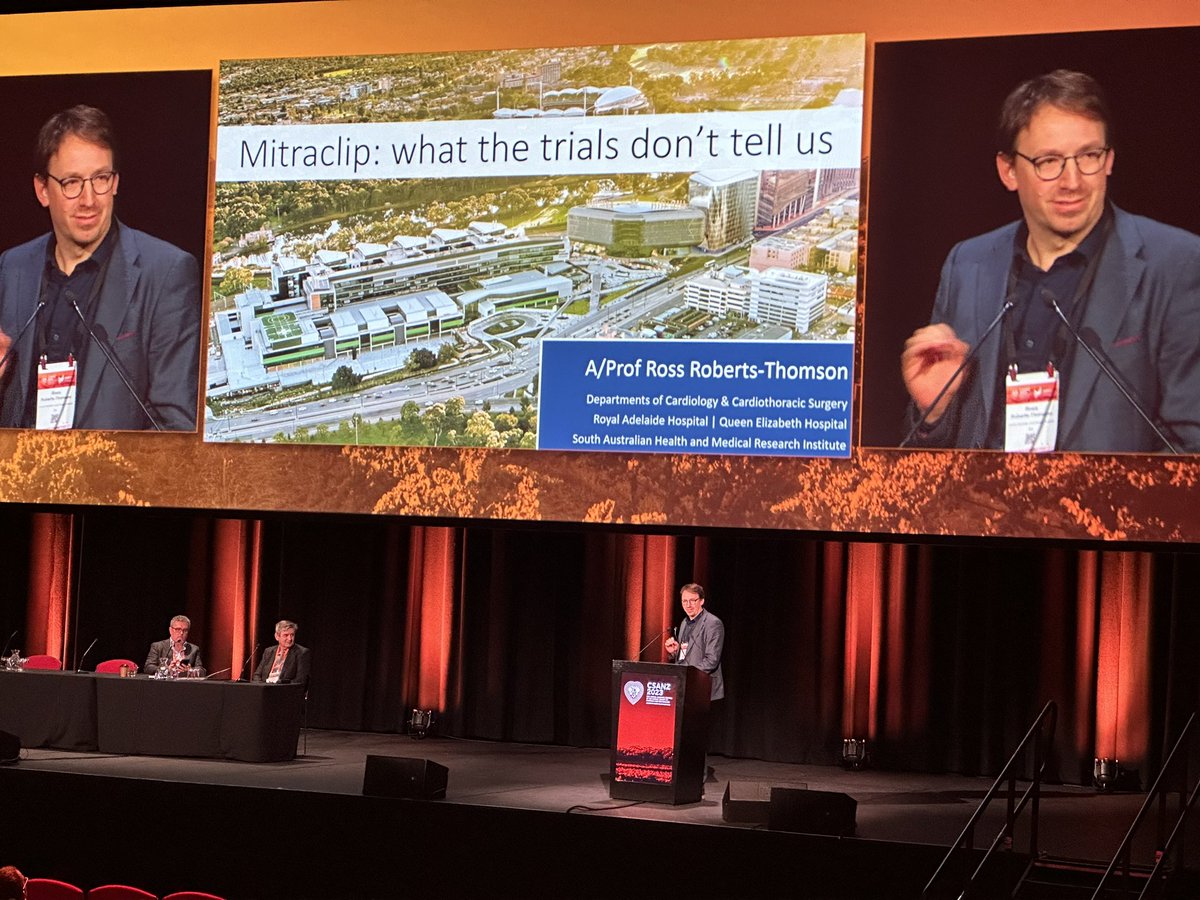
@robertsthomson reminding us what was and what wasn’t in the trials of MitraClip… the importance of a heart team to help with decision making among these complex patients. @DrAnthonyP@thecsanz
Great to have @SJGreene_md all the way from @DCRINews here in Adelaide @thecsanz reminding us of the importance of simultaneous commencement & rapid titration of HFrEF therapies. Incredible body of work highlighting gaps and importantly a path forward! @lamcardio
Patients receiving immune checkpoint inhibitors for cancer routinely have their BP checked when they attend for treatment.
Could we be repurposing this for hypertension screening?
https://t.co/guKmdduDoN
@ProfSNicholls@ajnelson@profevasegelov@MonashVHI#CardioOncology
Thanks to Sreek Vemulapalli for his leadership, and to Sean O'Brien and Dianne Gallup for their tireless statistical support @DCRINews, as well as a village of supportive coauthors, some of whom are on twitter...@djc795@ajaykirtane@NimeshDesaiMD@ericpetersonMD
Thanks @JAMACardio for publishing our work which simulated the impact of volume and performance-based thresholds on TAVI outcomes and access in the @ACCinTouch NCDR TVT registry.
Simulated outcome-thresholds could potentially improve TAVI outcomes to a greater extent than volume thresholds, at the cost of reduced geographic access to care. https://t.co/qlHdQhpzNF
Our study has limitations. We used simulations and adjusted models including a number of assumptions such as constant site-level outcomes despite increased modelled capacity. Notwithstanding these, we hope our work stimulates discussion in the evidence-based policy space.