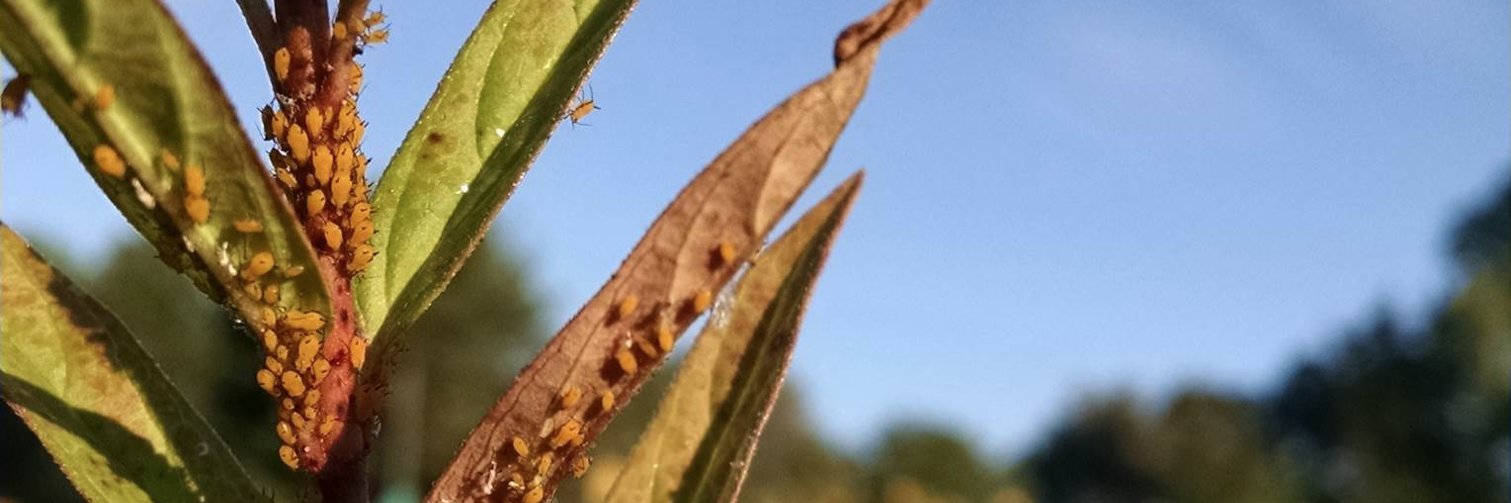
I’m very excited to announce that I’ll be starting as an Assistant Professor of Biology @SUNYPlattsburgh this fall! I’m looking forward to starting an undergrad-focused lab investigating microbe-plant-insect interactions in agroecosystems.
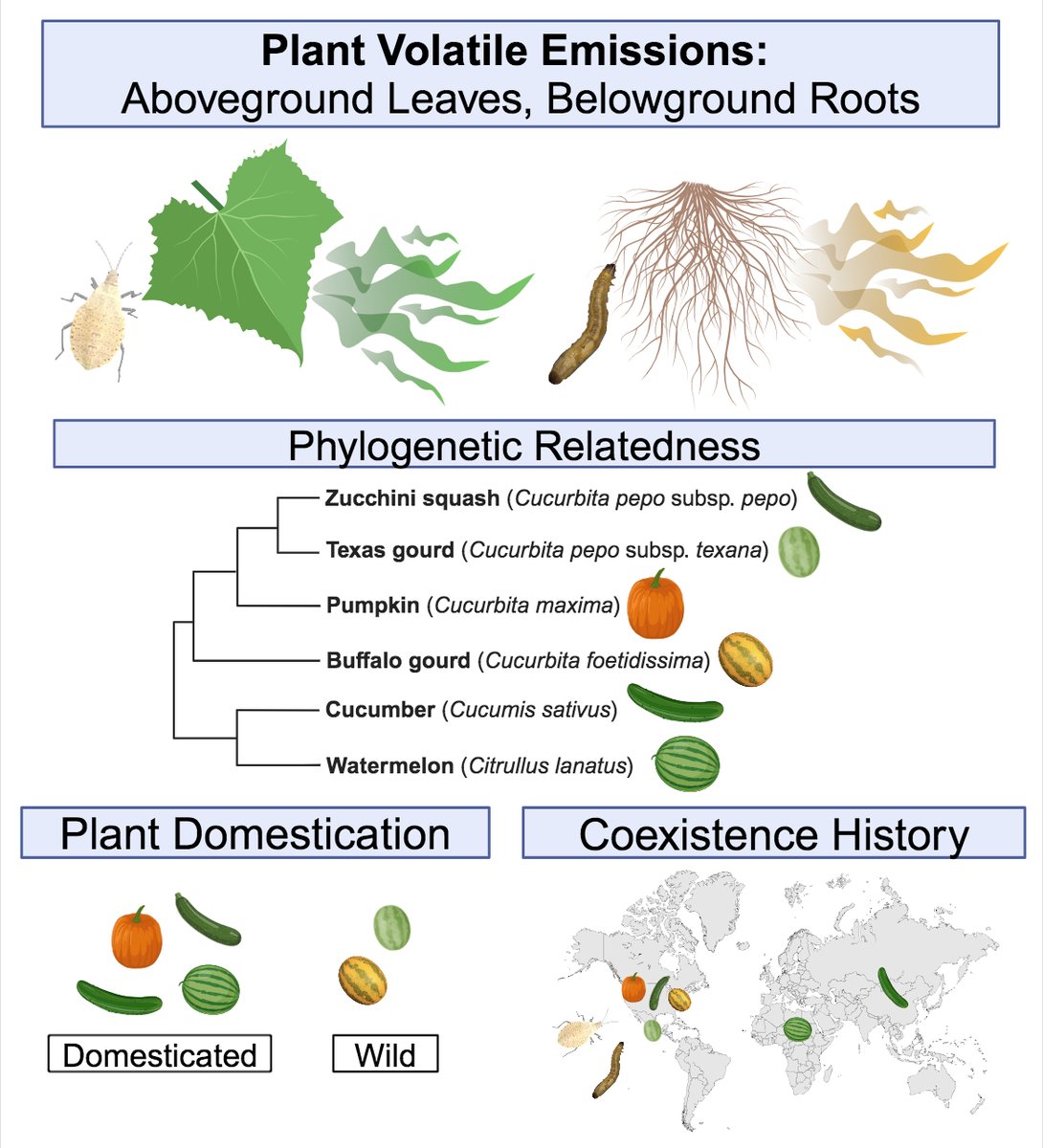
Excited to share recently published work from my dissertation comparing foliar and root herbivore-induced plant volatiles!! Lots of intriguing patterns emerged, such as stronger volatile induction aboveground than belowground...Check it out!! @HelmsLab https://t.co/PBau79tBs3
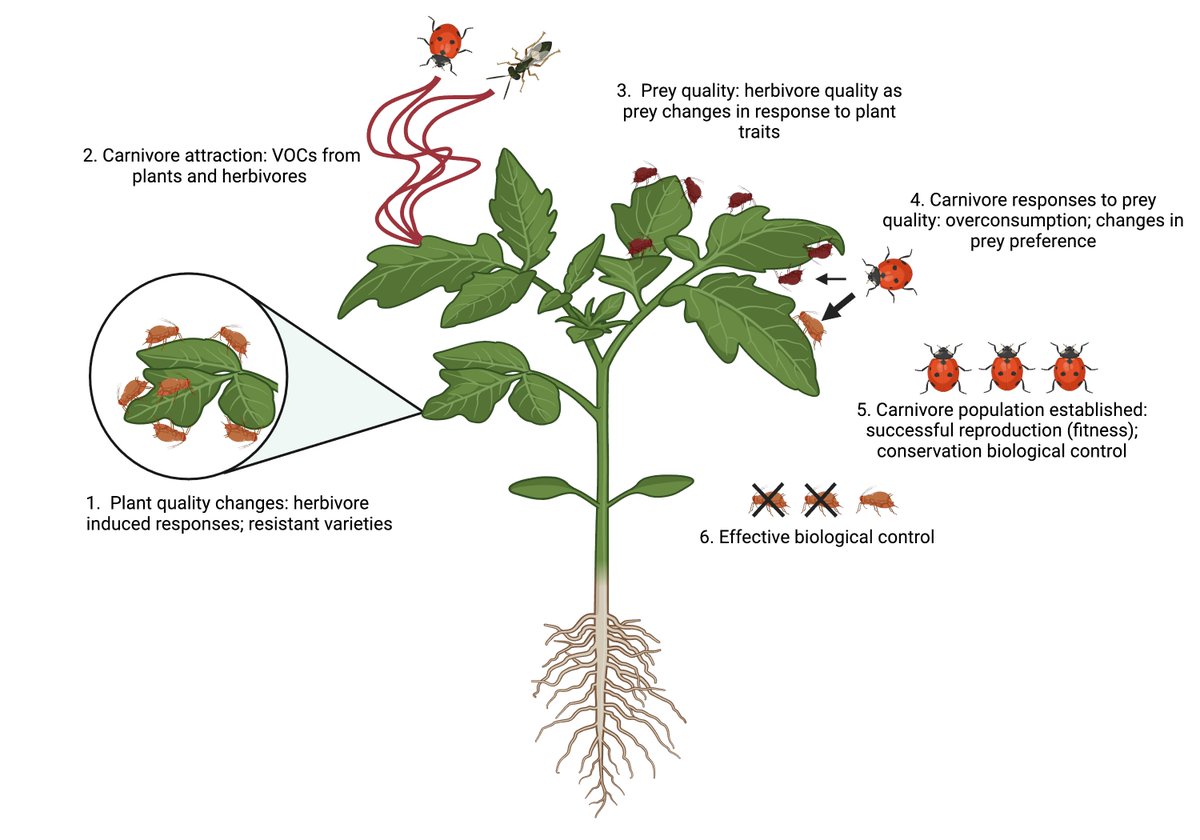
Excited to share our latest paper discussing the importance of prey quality in bolstering biological control in agroecosystems.🐞 @vmpocius @PSU_Entomology@EntsocAmerica#BiologicalControl#IPM
https://t.co/TsxVqyD7lB
THIS IS HUGE! Many have suspected that #insect herbivores might inject #microRNAs into host #plants to block defenses. This is the first confirmation of that idea. It may be done by insects that induce #gall formation, as a couple of studies suggest. Great study!
Just out!
Our new paper in @newphyt explores how insect herbivory shapes the assembly of AM fungal communities in plant roots.
https://t.co/WletO72xcO
🧵[1/4]
In retrospect, it was an insane idea to characterize 1,850 microbe–insect symbioses across 402 insect families. But last friday, it was published.
Heroic effort: @HenryLabSymbio@CKCornwallis@StuWest8 @JacinthaEllers @malin_kln@BioRaphaella v/ 'tpadje
https://t.co/PEjFHrXD7P
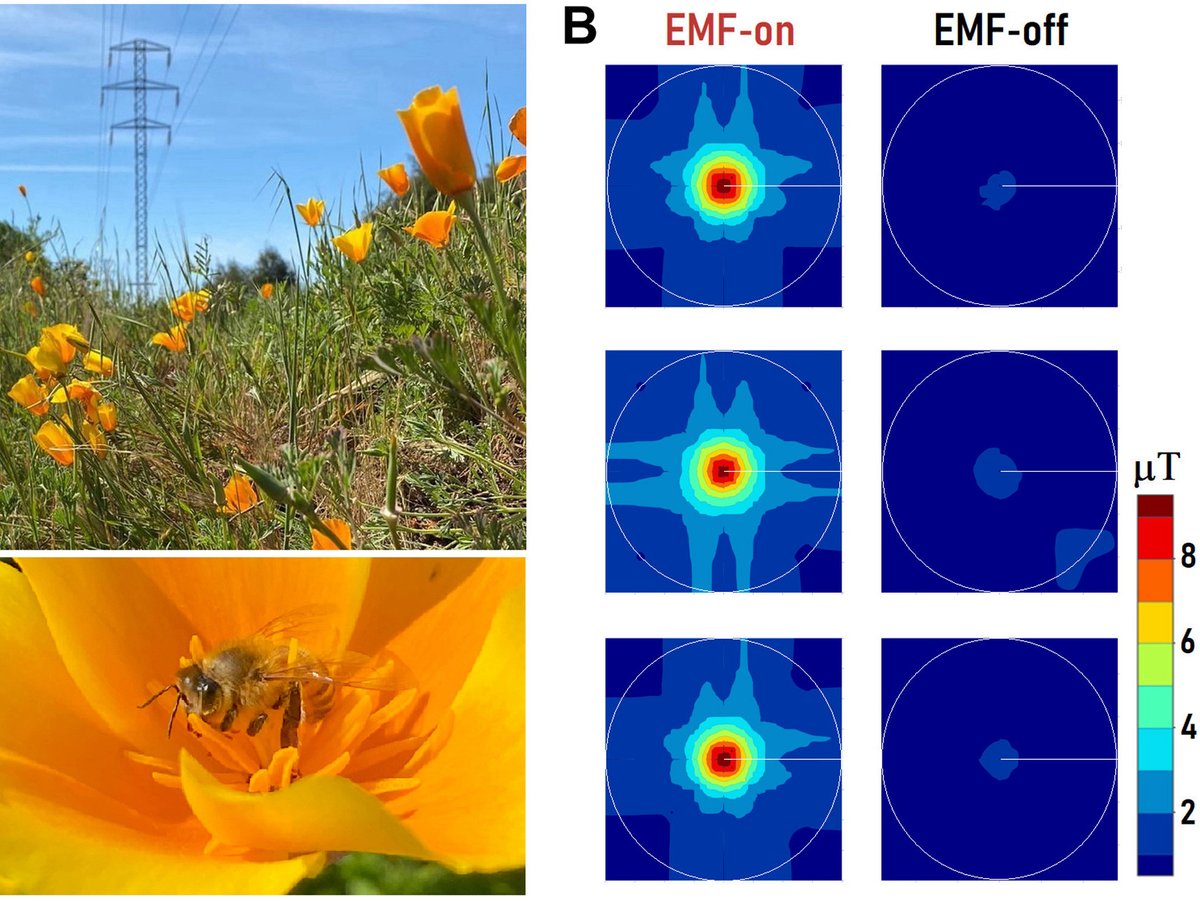
Electromagnetic fields from power grids may disrupt the honeybee pollination of nearby plants, according to a new study in @ScienceAdvances. https://t.co/ZKmJlIRNFy
New publication in Journal of Chemical ecology:
Bringing Fundamental Insights of Induced Resistance to Agricultural Management of Herbivore Pests 🐛🦋🪲
https://t.co/2FOIDhpXYC
I’m very excited to announce that I’ll be starting as an Assistant Professor of Biology @SUNYPlattsburgh this fall! I’m looking forward to starting an undergrad-focused lab investigating microbe-plant-insect interactions in agroecosystems.
Also, don't miss the briefing associated with our recent @NatureGeosci manuscript
Soil mosses provide critical ecosystem services across the globe
https://t.co/GyqmEpJVmY @DJ_Eldridge w/ the Expert opinion of #BernhardSchmid thanks!!
Teaching students to interpret data and write their first scientific paper can be hard!
Our new publication provides all the materials you need to teach these skills in graduate or upper-level undergraduate courses. 1/
https://t.co/1d8QWHRRjn
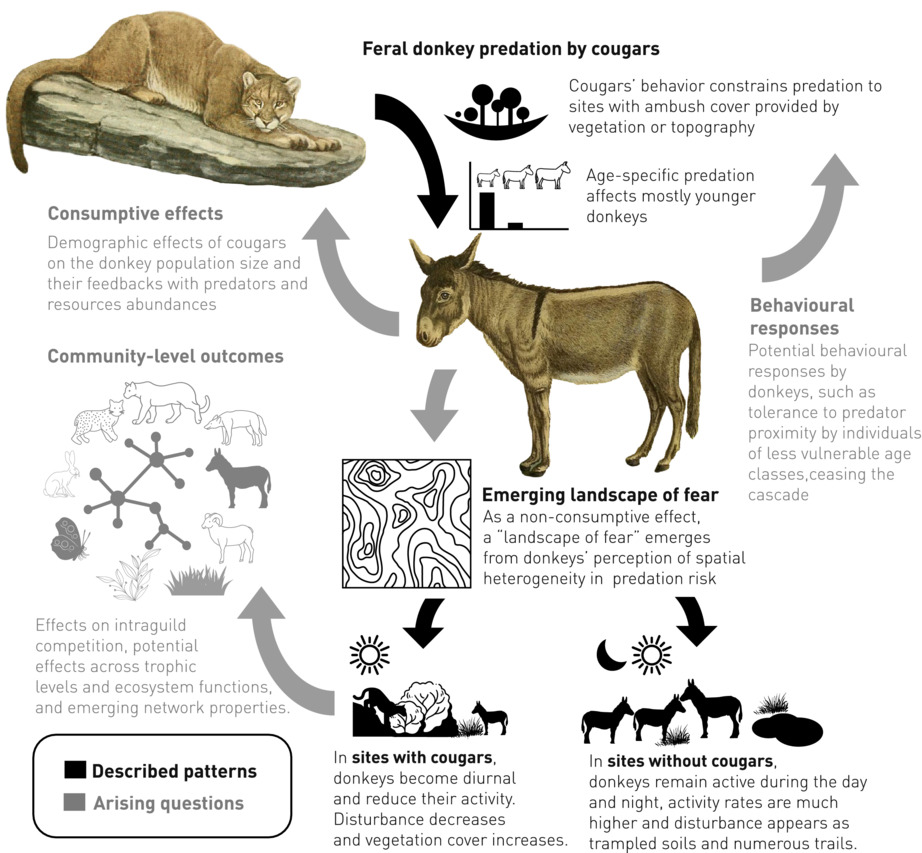
How cougars and feral donkeys change desert wetlands: Novel interactions between native predators and non-native megaherbivores shape trophic cascades in the Anthropocene.
Don’t miss this Research Highlight while it’s free to read in Dec.
https://t.co/xDzi25aTIf
We thank @JXBot for inviting us to write this review. We summarize the crucial role of water in plant-herbivore interactions (mainly about how thirsty plants deal with herbivory). :))) @GaryWFelton1 @jesskansperson @Matthias__Erb@CAM_Robert_Bern https://t.co/mjmjIKJCPe
***New paper alert 📢
We tested interactions and relative importance of pests (🪲) vs. pollinators (🐝) for 🍉 yield to better prioritize management efforts.
Outcome is clear:
🪲 <<<< 🐝
https://t.co/G2ZVJkDX7r
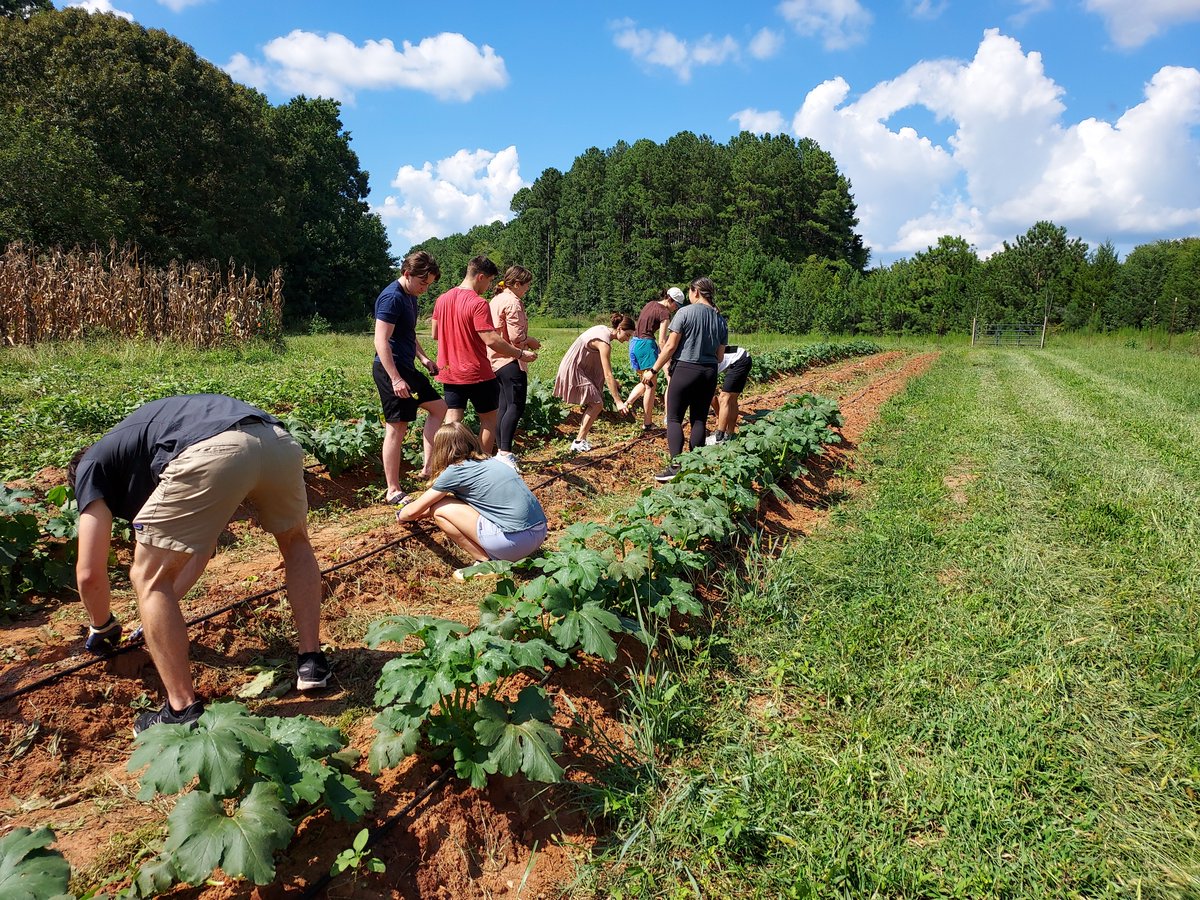
Agroecology is off to a great start! @DavidsonBiology students have been making great connections between their discussion of primary literature and hands-on experiences at the Davidson College Farm.
Out now: Single mutation makes Escherichia coli an insect mutualist. By Ryuichi Koga, Takema Fukatsu & colleagues. @fkttkm#symbiosis#evolution#insect#Ecoli
https://t.co/gsQdjFkAbl
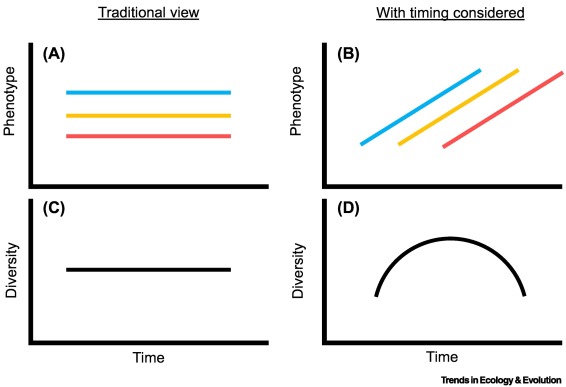
Review out online now
The role of timing in intraspecific trait ecology https://t.co/aQSb7RjUNb
by Olivia Cope, Laura Burkle, Jordan Croy, Kailen Mooney, Louie Yang & William Wetzel





![frewecologist's tweet photo. Just out!
Our new paper in @newphyt explores how insect herbivory shapes the assembly of AM fungal communities in plant roots.
https://t.co/WletO72xcO
🧵[1/4] https://t.co/cphxCiKWk8](https://pbs.twimg.com/media/GBI3kfVaUAAbq_f.jpg)